
An arraignment is the moment the criminal justice system stops being background noise and becomes an official court case.
Definition: An arraignment is a court hearing where charges are formally presented and the defendant is asked to enter a plea.
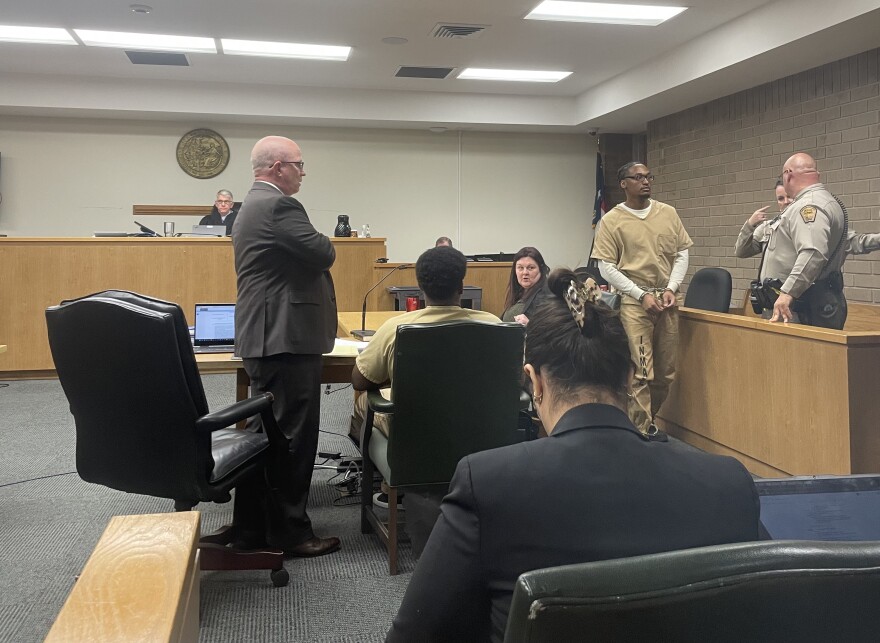
Up to that point, you may have been arrested, booked, questioned, searched, or held. But an arraignment is usually one of the earliest formal court appearances where a judge (or magistrate, commissioner, or similar judicial officer) addresses you on the record, confirms your identity, states the charges, addresses counsel, and takes a plea.
It is not a trial. It is not where the state proves its case. It is the procedural doorway into what comes next, and it matters because the Constitution has a lot to say about what the government can do to you before you have been convicted of anything.
Note: Names and timing vary. Some places separate a “first appearance” or “initial appearance” from an “arraignment,” and federal court typically has an initial appearance first and an arraignment later.
Join the Discussion
What happens at an arraignment
Exact steps vary by state and by whether the case is in state or federal court, but arraignments usually include the same core events.
1) The court confirms who you are
The judge calls the case, verifies the defendant’s name, and may confirm basic information. This sounds minor, but the record matters. Arraignment is often where the case becomes “official” in a courtroom, on the record, with the defendant present.
2) The charges are read or summarized
The judge tells you what you are accused of, often by reading the charging document or summarizing it. Depending on the jurisdiction, you may also receive a copy of the complaint, information, or indictment.
In some courts, defendants can waive a formal reading of the charges, especially when counsel has received the paperwork.
3) The judge advises you of your rights
Courts commonly address the right to counsel and the basic nature of the proceedings. Some judges also cover additional rights and warnings in open court, while others provide them in writing or keep advisements brief due to high-volume calendars. The exact script varies by jurisdiction.
4) You enter a plea
The judge will ask how you plead. Typical options include:
- Not guilty: You deny the charge and the case moves into the pretrial phase.
- Guilty: You admit the charge, usually leading to sentencing (sometimes immediately, sometimes later).
- No contest (nolo contendere): You do not contest the charge. In many jurisdictions, a nolo plea cannot be used as an admission of liability in a later civil case, but the downstream effects and exceptions vary. If this matters to you, get local legal advice before choosing it.
Many defendants plead not guilty at arraignment, even if they expect to negotiate later, because discovery, motions, and plea negotiations usually happen after counsel has reviewed the evidence. That said, some misdemeanor dockets see guilty pleas at the first appearance, especially in lower-level cases where defendants are trying to resolve matters quickly.
Depending on the jurisdiction, other pleas or plea-related options may exist, such as “stand mute” (the court enters a not guilty plea), or special pleas in limited situations.
5) The judge addresses release, bail, or detention
If bail has not been set, or if the defense wants it changed, the arraignment (or a closely related hearing) is often where the judge decides whether you are released on your own recognizance, released with conditions, held on monetary bail, or detained under the applicable law. In some jurisdictions, bail and detention decisions happen at a separate hearing, but the issue is still closely tied to the first court appearances.
6) The court sets next dates
You may receive dates for a pretrial conference, motion deadlines, a preliminary hearing (in some felony cases), or a trial setting.
Arraignment vs. other early hearings
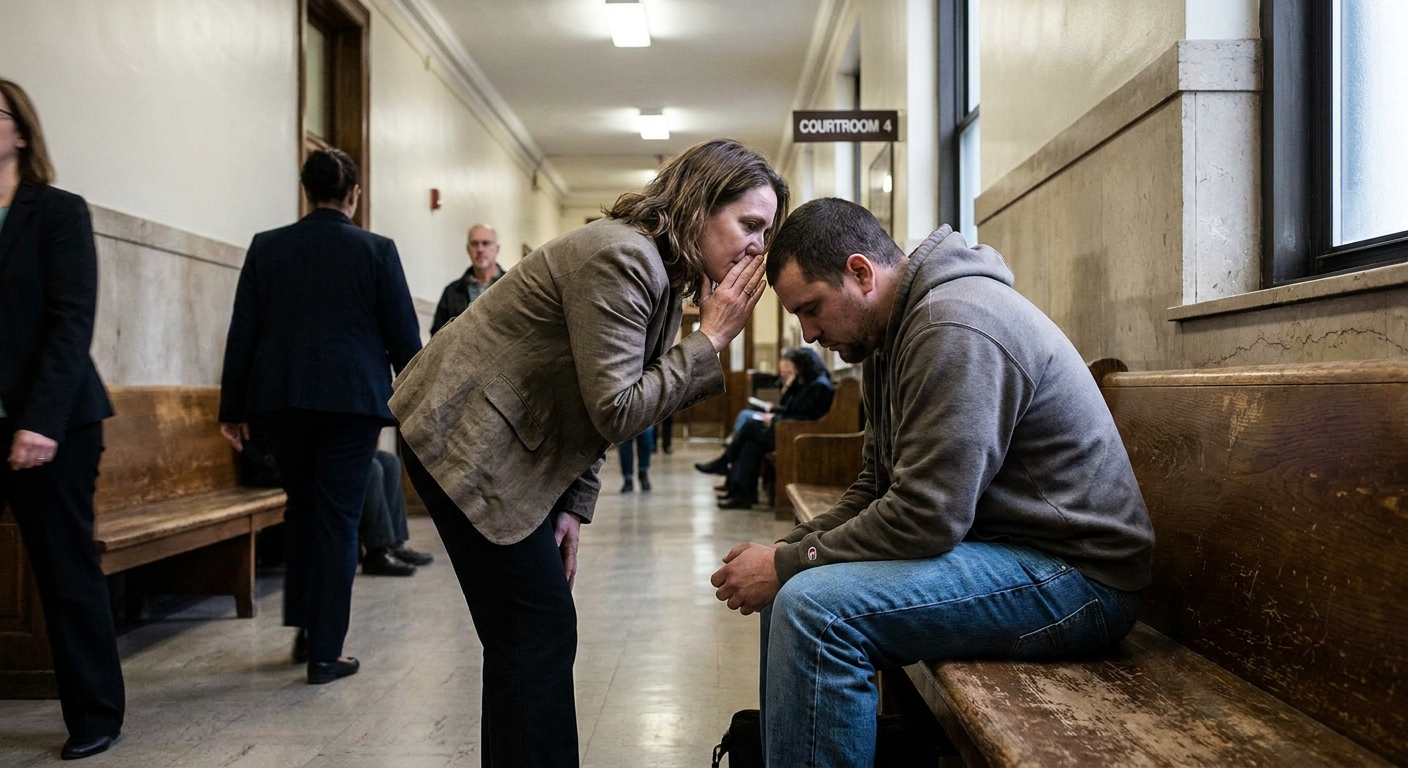
People use “arraignment” as a catch-all term for the first time someone appears before a judge. But legally, it sits among several early procedures that do different jobs, and the labels vary across jurisdictions.
Arraignment vs. bail hearing
Some courts decide release conditions at arraignment. Others schedule a separate hearing to address them. If release is the main issue, the hearing may focus on risk of flight, public safety, and whether conditions like no-contact orders or monitoring are appropriate.
Arraignment vs. preliminary hearing
In many felony cases, a preliminary hearing comes later and asks a different question: has the prosecution shown probable cause to move the case forward? It is not a full trial, but evidence can be presented and witnesses can be cross-examined.
Arraignment vs. indictment
An indictment is a charging instrument, not a hearing. In federal court and in many state felony systems, serious charges may be initiated by a grand jury indictment. The arraignment is where the defendant is formally called on to respond to those charges in open court.
The rights that shape an arraignment
The Constitution does not contain a single sentence that says “every defendant has a right to an arraignment.” What it provides instead is a framework of limits on government power that makes early court oversight necessary.
Right to counsel (Sixth Amendment)
The Sixth Amendment guarantees the right to the assistance of counsel in criminal prosecutions. A key practical point is timing: this right attaches at critical stages of a prosecution, and arraignment (and related first-appearance proceedings) are commonly treated as critical stages because charges are formally presented and significant decisions may be made.
If you cannot afford an attorney, the court will explain how appointed counsel works. In many places, a public defender may be present at arraignment, even if full representation is finalized afterward.
Notice of the accusation (Sixth Amendment)
The Sixth Amendment also includes the right “to be informed of the nature and cause of the accusation.” That principle is what arraignment puts into practice. Whatever the charging document is called in your jurisdiction, the point is the same: the state must tell you what it is accusing you of so you can defend yourself.
Due process (Fifth and Fourteenth Amendments)
Due process is the Constitution’s insistence that government follow fair procedures before depriving a person of life, liberty, or property. The arraignment process is one of the first due process checkpoints, especially when liberty is on the line through pretrial detention or restrictive release conditions.
Protection against excessive bail (Eighth Amendment)
The Eighth Amendment prohibits excessive bail. It does not guarantee bail in every case, and some defendants can be held without bail under specific laws.
Also, “bail” is not the same thing everywhere. In some systems, monetary bail is primarily tied to ensuring a person returns to court, while public-safety concerns are handled through release conditions or detention statutes. In other systems, safety is part of the bail decision itself. Either way, when money is used as a condition of release, it cannot be set simply to punish.
Right to a speedy trial (Sixth Amendment)
Arraignment is often when the speedy trial issue becomes a practical concern, because it is when deadlines and next dates start to feel real. But the legal trigger varies. Depending on the jurisdiction, speedy-trial rights may attach at arrest, filing of charges, indictment, first appearance, or arraignment, and statutory time limits can have their own start dates.
Right to remain silent (Fifth Amendment)
You are not required to explain yourself at arraignment. The safest approach is usually to let counsel speak. A plea is required, but beyond that, the court does not need your version of events at this stage, and the prosecution can use statements against you later.
Some courts give specific warnings about self-incrimination in open court. Others do not, or do so in a shortened form. Do not assume you will be walked through the full list of rights verbally before you speak.
What to say and not say
An arraignment can feel personal because the judge addresses you directly, but it is mostly a procedural hearing.
- You will answer identity and basic questions as the judge confirms who is before the court.
- You will enter a plea, often “not guilty” at this stage.
- You should not explain the facts of the case in open court unless your lawyer specifically advises it. What feels like “clearing things up” can become evidence.
If the judge asks questions you do not understand, it is appropriate to say so. Confusion is common, especially for first-time defendants.
Practical tips for court
- Show up early. Courthouses have lines, security, and confusing calendars.
- Dress and act like it matters. You do not need to look wealthy. You do need to look serious.
- Ask for an interpreter if you need one. Courts can usually arrange this, but earlier notice helps.
- Bring paperwork if you have it. Citation, release paperwork, prior court notices, and anything the court gave you.
- Address the judge plainly. “Your Honor” is standard. Keep answers short.
- Do not miss it. Failing to appear can lead to a bench warrant and additional charges or consequences, depending on the case and jurisdiction.
How release decisions are made
When release is on the table, the court is balancing competing constitutional instincts. On one hand, you are presumed innocent. On the other, the system is trying to ensure you return and that alleged victims and the public are protected.
Judges often consider:
- Seriousness of the alleged offense
- Criminal history and prior failures to appear
- Ties to the community like work, family, and housing
- Risk of witness intimidation or violations of protection orders
- Risk of not returning to court
Release conditions may include travel restrictions, drug testing, firearms surrender, no-contact orders, supervision, or electronic monitoring.
What comes after arraignment
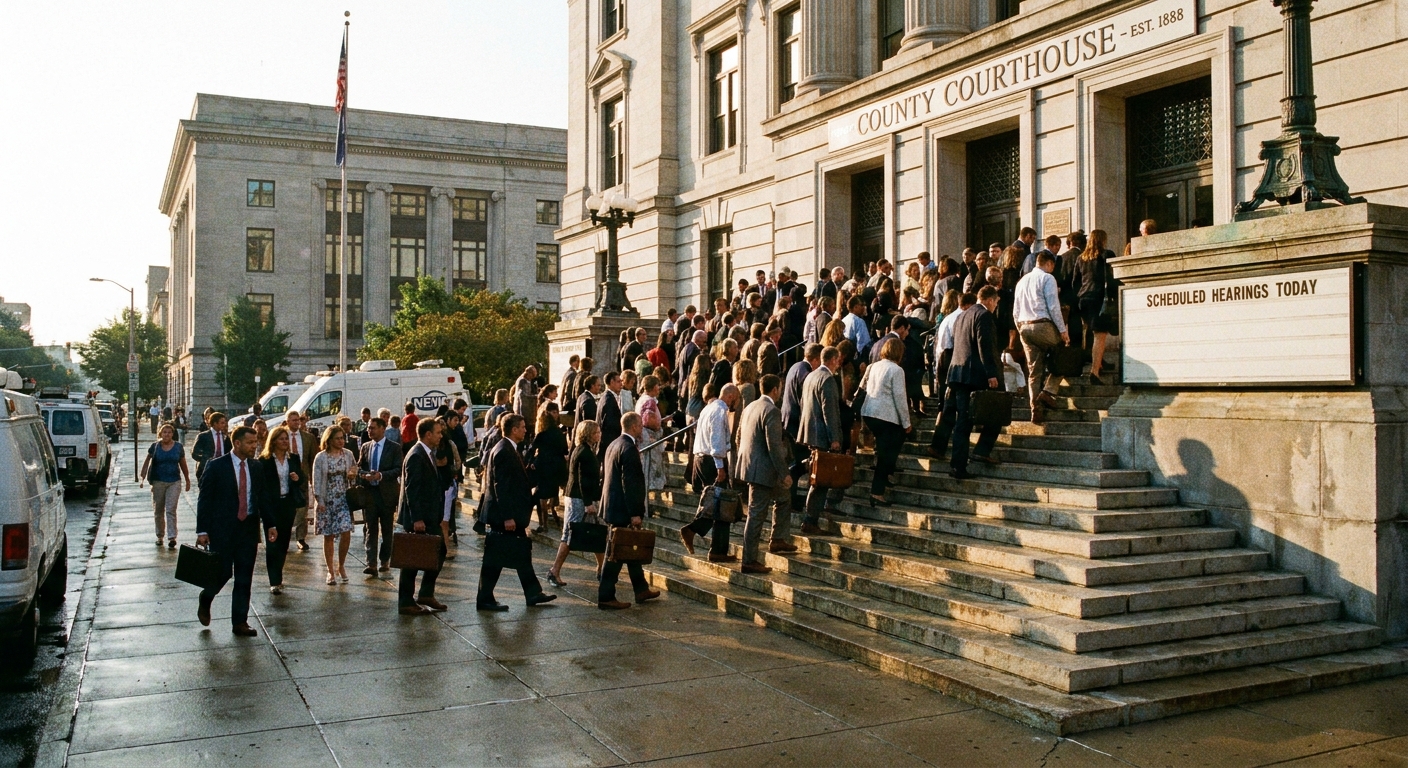
After arraignment, most cases move into a long middle phase that the public rarely sees.
Discovery and evidence review
The defense requests and reviews evidence, which can include police reports, body camera footage, lab reports, witness statements, and digital records.
Pretrial motions
Many constitutional disputes show up here, not at trial. Motions may challenge an unlawful search (Fourth Amendment), an improper interrogation (Fifth and Sixth Amendments), or identification procedures that were unduly suggestive (due process).
Plea negotiations
Many criminal cases resolve through plea agreements. That is not a moral judgment, it is a structural fact of the modern system. The leverage created by detention, high bail, mandatory minimums, and trial risk often drives negotiation.
Trial or disposition
If no agreement is reached, the case proceeds toward trial. If a plea is entered later, the court will schedule sentencing or accept a negotiated disposition.
Common questions
Is an arraignment the same as being found guilty?
No. Arraignment is not a determination of guilt. It is a formal notice of charges and a procedural step where a plea is entered and release conditions may be addressed.
Do I have to plead at arraignment?
In most courts, yes, the court will ask for a plea. If you have counsel, your lawyer typically speaks for you. If you do not have counsel yet, the judge may enter a not guilty plea on your behalf, accept a “stand mute” posture, or continue the matter briefly so counsel can be appointed, depending on local practice.
Can charges change after arraignment?
Yes. Prosecutors may amend charges, add charges, or reduce charges as evidence develops and negotiations occur. Serious changes may require additional procedures, especially in felony cases.
Will there be witnesses at arraignment?
Usually no. Arraignment is not where the prosecution presents its full evidence. Witness testimony is more common at preliminary hearings, suppression hearings, or trial.
Is arraignment public?
Typically yes. Most criminal court proceedings are public under long-standing open-courts principles, though certain records or hearings can be sealed or limited in narrow circumstances.
Why it matters
Arraignments are often fast and crowded, which can make them feel like a formality. But they are one of the first points where a person’s status in a criminal case becomes concrete: you are formally accused, counsel becomes central, and liberty can turn on a release decision made in minutes.
In a system built on the premise that the government must justify its power over the individual, the arraignment is not the end of anything. It is the moment the state has to show up in court and put the accusation on the record.
General information only: This article describes common U.S. practices, but procedures vary widely by state, county, and court. If you have a pending case, consult a local criminal defense lawyer or legal aid office.