
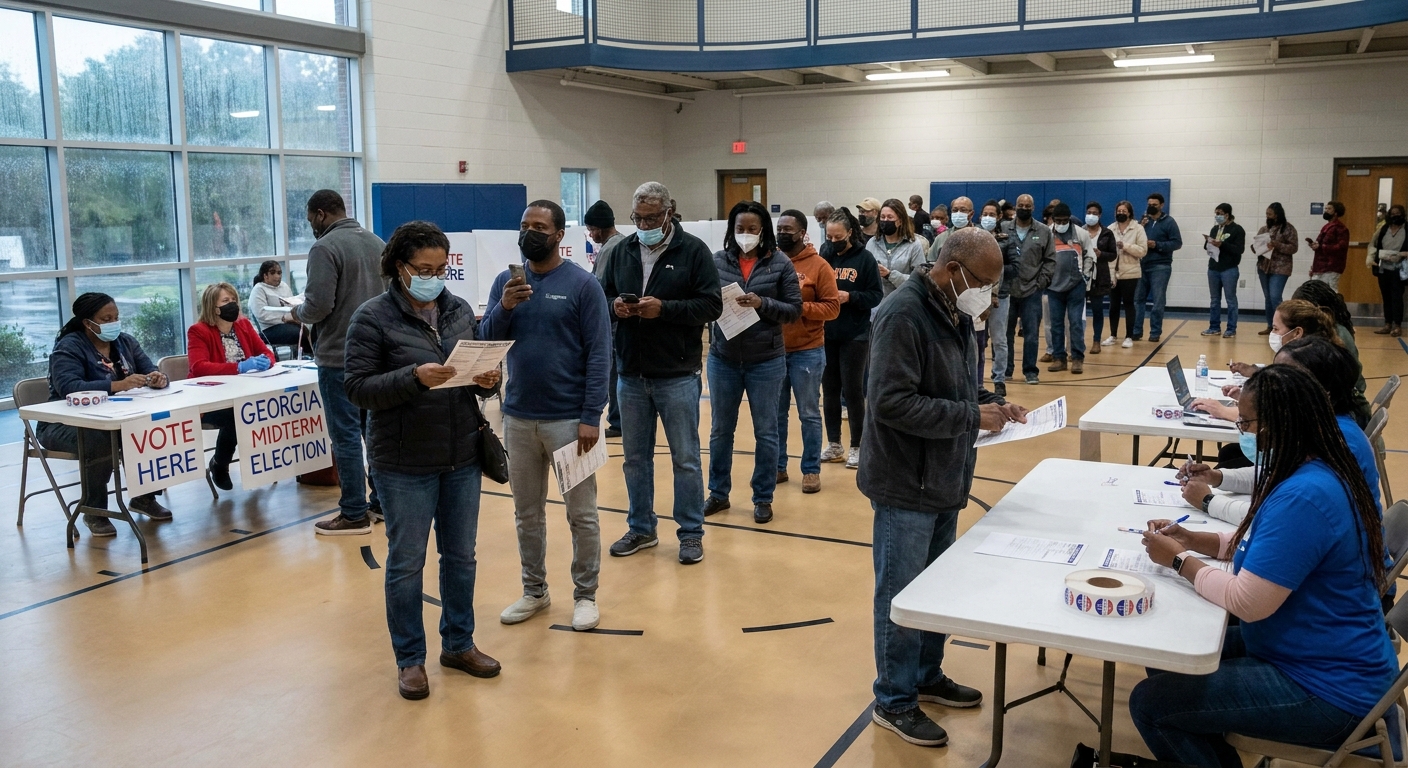
Midterm elections are the national elections held halfway through a president’s four year term. Federal elections happen every even numbered year because House members serve two year terms. But midterms specifically are the even year that falls in the middle of a presidency, which means they occur every four years.
If presidential elections decide who executes the laws, midterms often decide how hard that president can govern. They determine who writes federal laws in Congress, and they frequently reshape power in the states too.
Join the Discussion
What gets elected in a midterm?
At the federal level, midterms always include:
- All 435 seats in the U.S. House of Representatives
- About one third of the U.S. Senate (typically 33 or 34 seats, because senators serve six year terms and elections are staggered)
Beyond Congress, midterms are also when many states and localities elect major offices and decide ballot measures. Depending on the state, that can include:
- Governors
- State legislators
- Attorneys general, secretaries of state, and other statewide officials
- Mayors, county officials, judges, school boards, and special districts
- State constitutional amendments and referenda
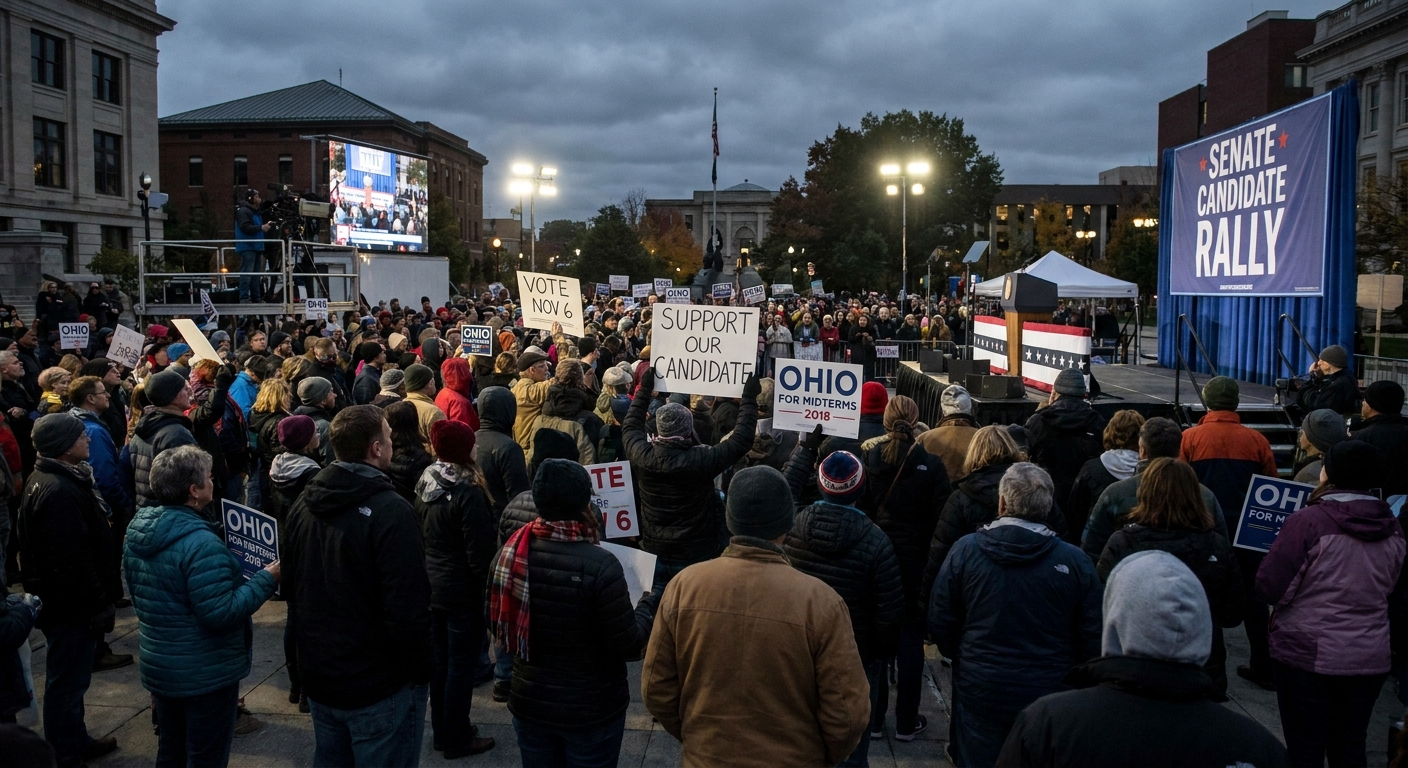
Why midterms matter so much
1) Congress can change hands
Because every House seat is up at once, control of the House can swing quickly. If the Senate is close, a handful of races can also flip it. When either chamber changes party control, the entire governing equation changes with it.
A Congress led by the president’s party can move the president’s agenda. A Congress led by the other party can block it, reshape it, or investigate it. That is not a bug in the system. It is separation of powers in action.
2) Oversight, budgets, and shutdowns are midterm consequences
The House starts all revenue bills, and Congress controls spending. Midterm outcomes can determine whether the government runs smoothly, lurches from continuing resolution to continuing resolution, or hits shutdown brinkmanship.
3) State power gets rebuilt in midterm years
Many voting rules, district maps, and election administration decisions are state level choices. Midterms are often when voters choose governors and secretaries of state who can influence those systems.
Where the Constitution fits in
People sometimes assume the Constitution lays out a neat national rulebook for elections. It does not. It creates the offices and the basic structure, then splits authority between states and Congress.
House elections: every two years, no exceptions
Article I requires representatives to be chosen every second year. That guarantee is why a national congressional election happens every two years. In the middle of a presidency, that same election becomes the midterm. Even in a time of war, economic crisis, or political upheaval, House terms do not stretch. The country votes.
Senate elections: staggered by design
Article I sets six year terms for senators, and the Constitution divides the Senate into three classes so only a portion is elected at a time. The point was continuity. The effect today is that some midterms produce a brutal Senate map for one party simply because of which class is up.
States run elections, Congress can regulate them
The Elections Clause (Article I, Section 4) gives states the initial power to set the “Times, Places and Manner” of congressional elections, but it also allows Congress to alter those regulations. That is why some rules are national, like the general date for federal elections, while many others vary by state, like early voting windows, mail ballot procedures, and registration systems.
The president is not on the ballot, but the presidency is still affected
Nothing in the Constitution says midterms are a “referendum” on the president. But politically, they often function that way because voters use the first major national election after a presidential win to reward or restrain the administration.
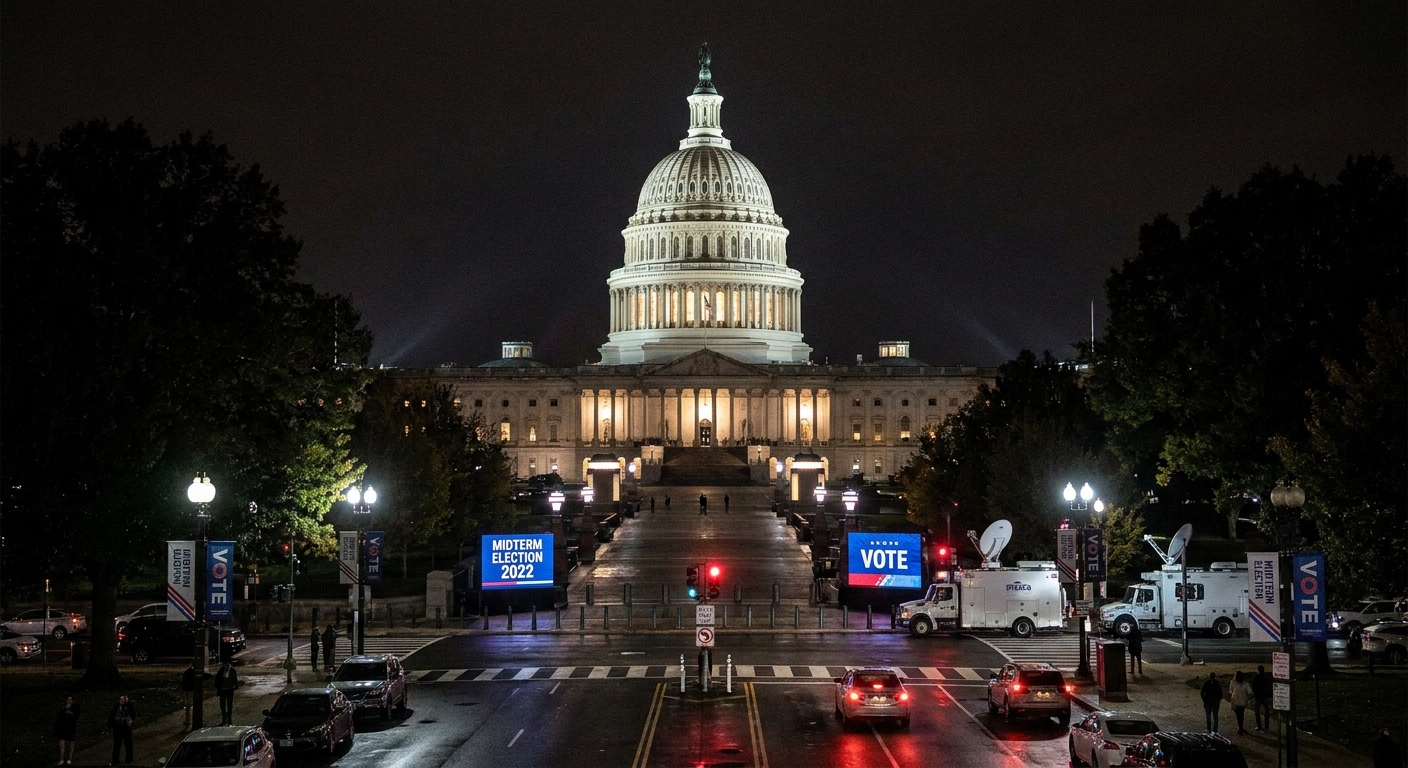
Midterms vs presidential elections
Here is the simplest way to remember the difference:
- Presidential election years decide the president plus Congress (all House seats and about one third of the Senate) and many state offices.
- Midterm years decide Congress (all House seats and about one third of the Senate) and many state offices, but not the president.
That “not the president” detail is exactly why turnout patterns change. Many people show up when the presidency is at stake and stay home in midterms. The Constitution still counts the midterm vote the same way.
Why turnout is usually lower and why that changes outcomes
Midterm elections tend to have lower turnout than presidential elections, which means the electorate is often older, more consistent, and more politically engaged. That is not a moral judgment. It is a structural reality with consequences.
Lower turnout can magnify:
- Local issues that motivate a smaller set of voters
- Organizational strength like party ground games and voter outreach
- Polarization, because highly motivated voters are the most likely to participate
So when someone calls midterms “less important,” what they usually mean is “fewer people vote.” But that is exactly what makes them powerful. Smaller electorates can produce large governing shifts.
What “the midterm effect” is
Historically, the president’s party often loses seats in midterm elections. Political scientists debate why, but the basic story is intuitive: once a president is in office, the opposition becomes energized, while some supporters become less urgent about voting.
That pattern is not a constitutional rule. It is a recurring political rhythm. And like any rhythm, it breaks when conditions change. War, economic swings, major legislation, and candidate quality can all overwhelm it.
What can change after a midterm?
Midterms can change your daily civic reality faster than you might expect. After a midterm, you might see:
- New committee leadership in Congress, which reshapes investigations and hearings
- Different legislative priorities, including whether bills even reach the floor
- New state policies on education, elections, abortion, taxes, labor, and criminal justice
- Redistricting consequences in states where courts or legislatures revisit maps
And indirectly, midterms can influence the judiciary. Not because judges are elected federally, but because Senate control affects confirmations, and state elections affect the pipeline of laws that become lawsuits.
Quick answers
When is the next midterm election?
The next U.S. midterm election is in 2026, halfway through the current presidential term. (Congressional elections happen every even numbered year, but only the ones in the middle of a presidency are called midterms.)
Do you vote for president in a midterm?
No. Midterms elect members of Congress and, depending on your state, many state and local offices and ballot measures.
Are midterms only about Congress?
No. The “midterm” label refers to timing in the presidential cycle, but the ballot often includes governors, state legislators, judges, and state constitutional amendments.
Why are they called “midterm” if federal elections happen every two years?
The House is always elected every two years, so there is always a national election. It is called a midterm when that election falls in the middle of a president’s four year term, which is why midterms occur every four years.
The bigger constitutional point
The Constitution does not give Americans one national moment of democratic decision making every four years. It gives us a recurring test of consent, built into the calendar: a House that must face voters every two years, a Senate that rotates in thirds, and a federal system where states remain central to election administration.
Midterms are where that architecture becomes visible. If you want to understand how power moves in the United States, do not start with presidential personalities. Start with the midterm, where the system asks a quieter question: Do you still agree with the direction of government, and if not, who should have the leverage to change it?