
Midterm elections are the federal general elections held in even-numbered years between presidential elections. They happen about halfway through a president’s four-year term, but they are not about choosing a president. They decide whether the president governs with a supportive Congress, an opposing one, or something in between.
In plain terms, midterms are America’s built-in stress test for political power. Voters use them to reward, rebuke, or recalibrate the direction of the country without waiting four full years.
Join the Discussion
What gets elected in a midterm?
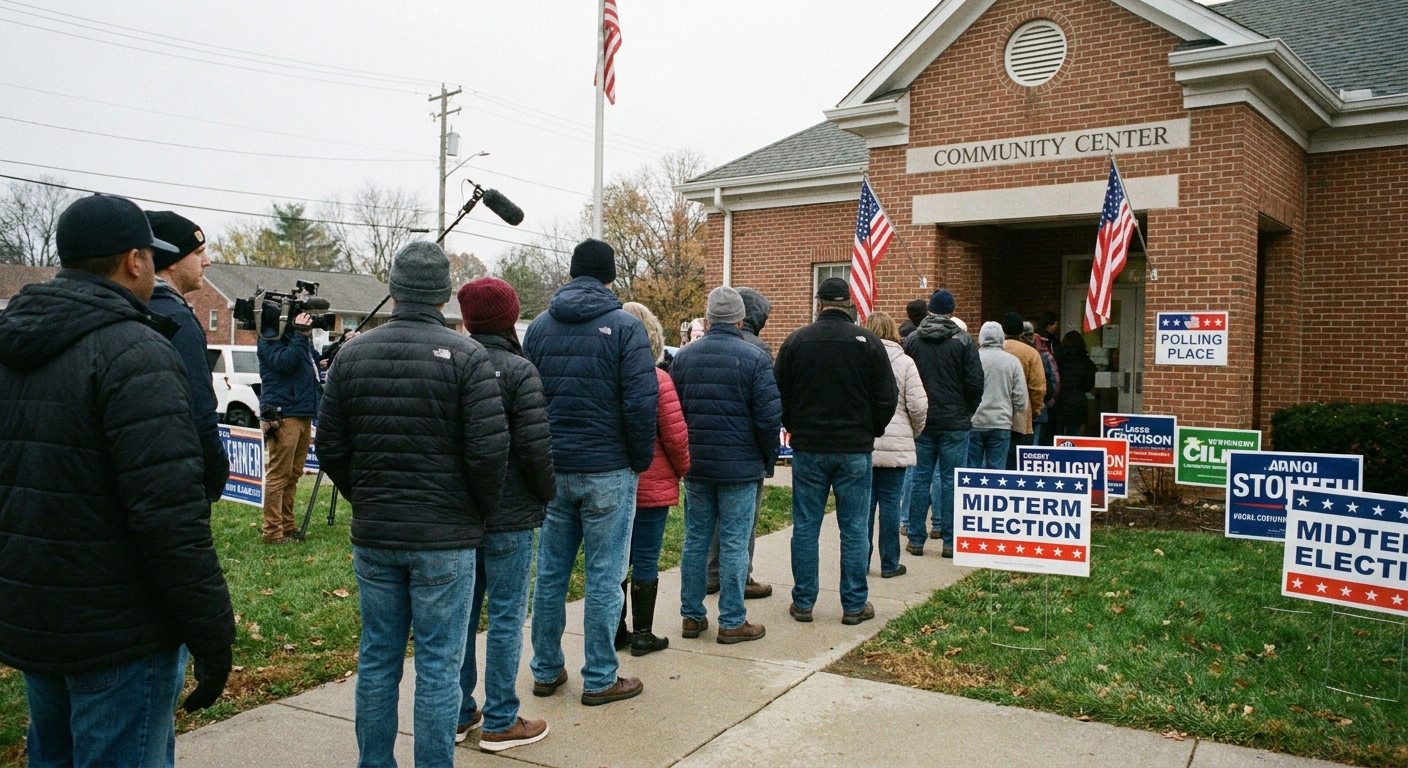
Midterms are sometimes described as “Congressional elections,” and that is accurate, but incomplete. A midterm year can reshape federal, state, and local government all at once, and what appears on your ballot depends on your state and locality.
Every House seat
All 435 seats in the U.S. House of Representatives are up every two years, including midterm years. That is not an accident. The Constitution gives House members two-year terms so the chamber stays close to public opinion.
About one-third of the Senate
U.S. Senators serve six-year terms, staggered so that roughly one-third of the Senate is up for election every two years. In a midterm, you will usually see 33 or 34 Senate seats on the ballot. It can be higher if multiple special elections coincide with the regular cycle.
Governors, state legislatures, and more
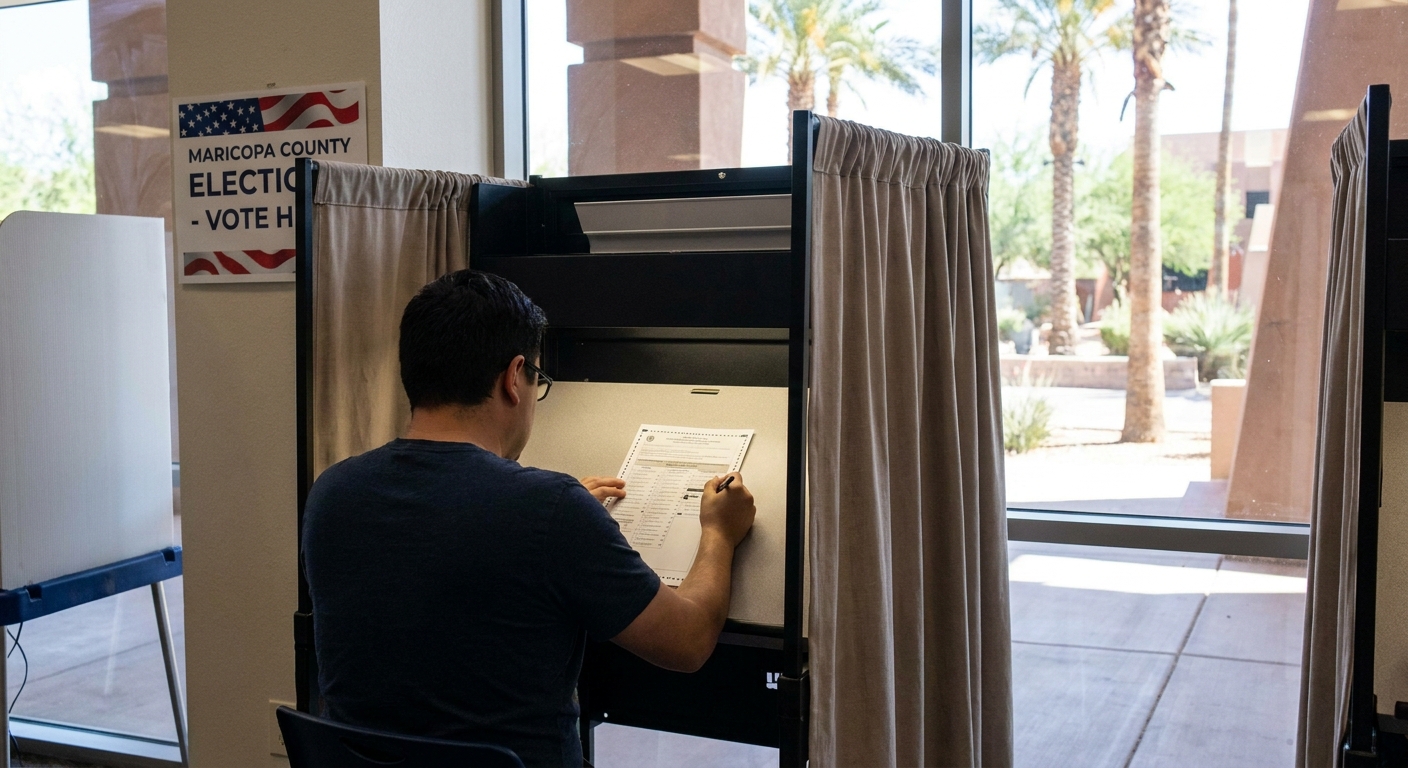
Many states elect governors in midterm years. In a typical midterm cycle, 36 states hold gubernatorial elections, with the exact number varying due to special elections and unique local timing. Most states also regularly elect state legislators in the same cycle. Voters may also see races for attorneys general, secretaries of state, judges, mayors, school boards, and ballot measures.
Why are they called “midterm” elections?
Because they happen in the middle of a president’s term. The U.S. holds federal general elections on a fixed schedule, and midterms land on the first Tuesday after the first Monday in November of even-numbered years.
- Presidential elections: 2024, 2028, 2032
- Midterm elections: 2026, 2030, 2034
That regular schedule matters. It means the public gets multiple opportunities to influence the direction of the federal government even when the presidency is not on the ballot.
One quick note: people sometimes use “midterms” to refer to the whole election season. Primaries and caucuses happen earlier and are run on state schedules, so the dates and rules vary widely. This article focuses on the November general election.
The constitutional design
The Constitution does not use the phrase “midterm election.” But it creates the conditions that make these between-presidential-year elections consequential.
The House was built for rapid accountability
Article I sets two-year terms for the House. The idea is straightforward: if the people sour on the direction of the country, they do not need to wait long to change the membership of at least one chamber of Congress.
The Senate was built for continuity
Six-year Senate terms, staggered elections, and equal representation of states were designed to slow sudden swings. Midterms can still flip Senate control, but the structure makes it harder than in the House.
Separate elections reinforce checks and balances
Midterms are one of the most practical expressions of checks and balances. A president is elected nationally through the Electoral College. Congress is elected on its own, constitutionally fixed timetable. That separation is a feature, not a flaw, of the system.
Why midterms matter
Midterms can change who writes laws, who investigates the executive branch, and who confirms judges. Even without electing a president, they can change the country’s trajectory.
Control of Congress
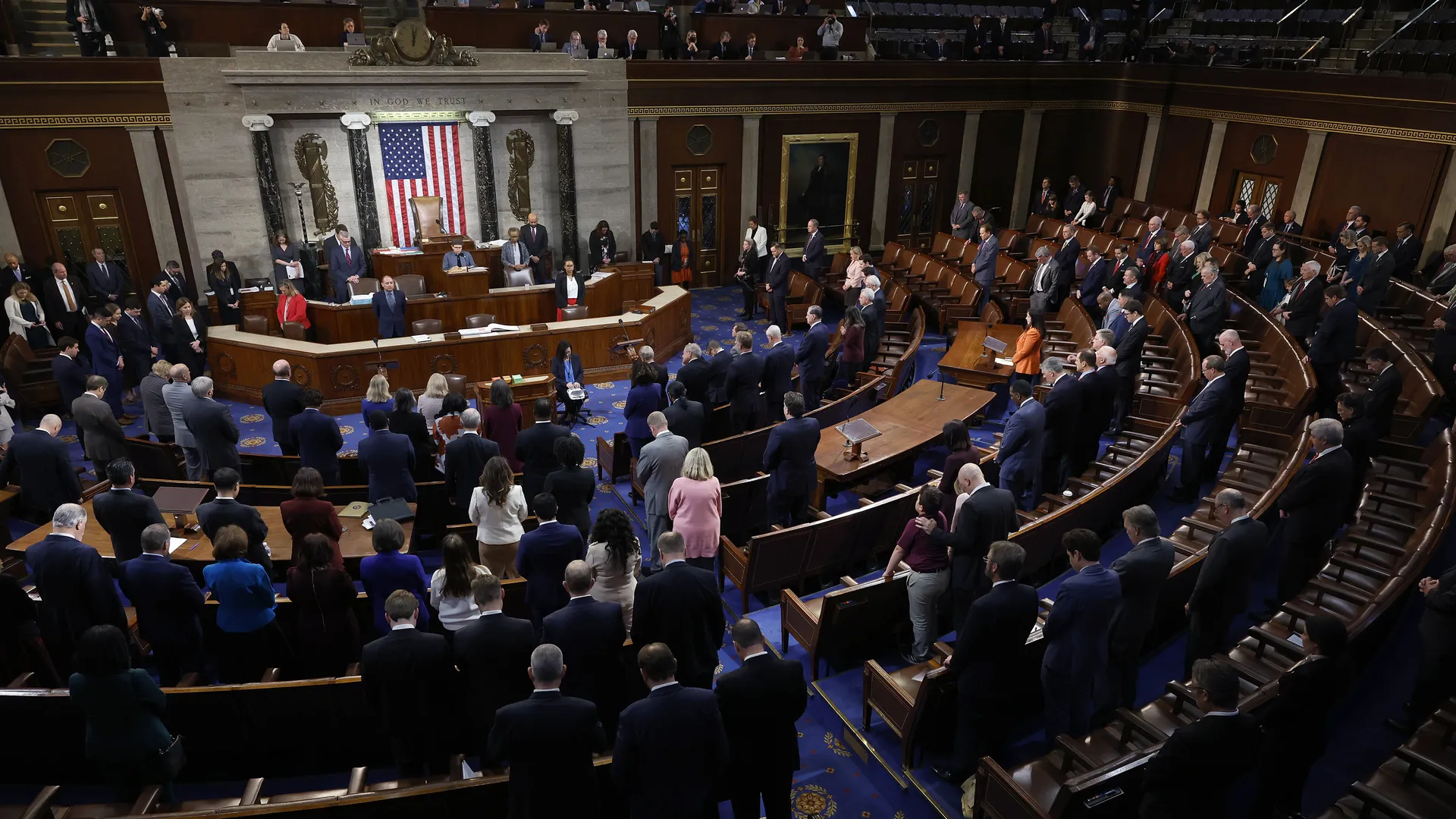
If one party wins a majority in the House, it controls:
- The House agenda and what bills get votes
- Committee leadership and oversight hearings
- The power of the purse, including government funding
- Impeachment investigations and articles of impeachment
If one party wins a Senate majority, it affects:
- Confirmation of federal judges and executive officials
- Treaty ratification
- Senate committee investigations and leadership
Redistricting and the future House map
While the biggest redistricting happens after the census, state legislative and gubernatorial races in midterm years can influence election administration, redistricting enforcement, and the broader political environment for the next decade.
State policy that touches daily life
Midterms often decide who runs state governments, and states control major areas of policy: education, policing, health licensing, voting rules, and much more. Even when national headlines dominate, midterm ballots are frequently packed with state-level power.
Do midterms usually hurt the president’s party?
Often, yes. There is a long pattern of the president’s party losing seats in midterm elections, especially in the House. Historically, the president’s party has often lost House seats on average, though the size of the swing varies widely from one cycle to the next.
But it is not a constitutional rule. It is political momentum. A few reasons it happens:
- Turnout differences: Midterms can have lower turnout than presidential years, and the people who show up can be older and more regular voters.
- Referendum effect: Voters use midterms to signal approval or dissatisfaction with the administration.
- Mobilization: The out-of-power party is often more energized.
There are exceptions. Wars, economic booms, national crises, and uniquely popular presidents can alter the usual pattern.
What midterms do not do
Midterms are powerful, but their power is sometimes misunderstood.
- They do not elect the president. The president stays in office for the full four-year term unless removed through resignation, impeachment and conviction, death, or inability to serve under the 25th Amendment.
- They do not automatically change the Supreme Court. But they can change the Senate that confirms justices, and they can change the laws that get challenged in court.
- They do not rewrite the Constitution. Constitutional amendments require a separate, demanding process.
How midterms affect lawmaking
When Congress and the president are from different parties, the government often enters a period of divided power. Sometimes that produces compromise. Sometimes it produces stalemate. Either way, it changes what is possible.
Key constitutional pressure points become more visible during divided government:
- Budget and appropriations: Congress controls federal spending. Shutdown threats tend to rise when agreement breaks down.
- Oversight and subpoenas: The House in particular can investigate executive action aggressively.
- Appointments: The Senate can speed up or slow down confirmations.
Midterms and election rules
The Constitution sets some baseline principles, but states run most election mechanics. That means the midterm experience can look very different depending on where you live.
Examples of rules that vary by state:
- Voter registration deadlines and same-day registration
- Early in-person voting windows
- Mail ballot rules and signature requirements
- Voter identification requirements
- How districts are drawn for House and state legislative seats
Congress can regulate aspects of federal elections, and the Supreme Court interprets constitutional limits, but day-to-day election administration is largely state and local. That is why state offices on a midterm ballot can indirectly shape how future federal elections operate.
Midterm election FAQs
When is the next midterm election?
Midterms occur every four years between presidential elections, in even-numbered years. The next midterm after a presidential election is two years later.
Is the entire Senate up for election in midterms?
No. Only about one-third of Senate seats are up in any two-year cycle because Senate terms are six years and staggered. Special elections can add seats on top of the regular class.
Why does the House change so often?
The Constitution requires House elections every two years to keep representatives closely tied to current voter preferences.
Do midterms matter if my state has no Senate race?
Yes. You still vote for the House, and you may vote for state and local offices and ballot measures that directly affect policy and election administration.
The big picture
Midterm elections are not a political sideshow. They are one of the Constitution’s most practical tools for self-government: a recurring opportunity for the public to adjust the balance of power without waiting for the next presidential contest.
They decide whether Congress cooperates with the president, restrains the president, or does both at different moments. And because Congress writes laws, controls spending, and confirms judges, midterms often shape your rights and daily life as much as any presidential race does.