
Midterm elections are the national elections held halfway through a president’s four-year term. They do not decide the presidency, but they can substantially reshape how the country is governed by determining control of Congress and many state offices.
They are often described as one of the Constitution’s quieter power checks. The system sets different election rhythms for different institutions: the president is elected every four years, while the House of Representatives faces voters every two. That design creates a regular moment for voters to either reinforce a president’s direction or apply the brakes.
Join the Discussion
When are midterm elections held?
Federal elections happen every two years on Election Day in even-numbered years. The term midterm refers specifically to the even-numbered-year election that falls in the middle of a president’s four-year term, which means it occurs every four years in between presidential elections.
- Example: A president elected in 2024 faces a midterm election in 2026.
- The next presidential election is two years later, in 2028.
Election Day is set by federal law as the Tuesday after the first Monday in November.
One important wrinkle: states also run their own election calendars. Some major state races do not line up neatly with midterm years, and some states hold certain statewide contests in odd-numbered years.
What is on the ballot in a midterm election?
Midterms are not one election. They are thousands of elections held on the same day.
U.S. House of Representatives
All 435 House seats are up every two years. This schedule is tied to the Constitution’s short House term, which is widely understood as a way to keep the chamber closely responsive to shifts in public opinion.
U.S. Senate
Roughly one-third of the Senate is up in any midterm year, typically 33 to 34 seats. Senators serve six-year terms, staggered so the entire Senate is never elected at once.
Governors and state offices
Many states elect governors during midterm years, along with attorneys general, secretaries of state, state legislators, judges (in some states), and other officials. However, the exact mix varies by state, and some states schedule certain statewide offices in other cycles.
Local offices
Depending on where you live, the same ballot can include local contests such as county officials, mayors, prosecutors, or school boards.
Ballot measures
Depending on the state, voters may also decide constitutional amendments, initiatives, and referendums that shape taxes, voting rules, civil rights protections, education policy, and more.
Also worth noting: special elections to fill vacancies can occur in any year and may appear on a midterm ballot.
Why midterms matter
If you want to understand midterms, do not think of them as a “half election.” Think of them as a mechanism for shifting governing power within a separated system, without replacing the president.
They can change who controls Congress
Because the House is entirely on the ballot, midterms often determine whether the president’s party can pass legislation or faces divided government. Control of either chamber affects:
- Whether bills reach the president’s desk
- Whether Congress can block or reshape major policy priorities
- Budget fights and shutdown risks
- Oversight hearings and investigations, including which party holds committee gavels and sets hearing agendas
They shape the courts and confirmations
The Senate confirms federal judges, including Supreme Court justices. A midterm shift in the Senate can change what nominees advance and how quickly they are confirmed.
They set the stage for the next presidential election
Midterms help define a political narrative: whether the country is satisfied, anxious, or ready to pivot. They also elevate future presidential contenders, especially governors and senators who win high-profile races.
Constitutional timing
The Constitution sets different election rhythms for different institutions, and the timing itself is a form of balance.
- House: two-year terms, commonly understood as a way to track public sentiment more closely
- Senate: six-year terms, commonly understood as a way to add stability and reduce sudden swings
- President: four-year terms, commonly understood as a way to provide continuity in the executive
Midterms are the moment when voters can re-balance those institutions without replacing the president. It is a built-in test of political accountability, conducted by design rather than crisis.
What usually happens in midterms
Historically, the president’s party often loses seats in Congress during midterms. This pattern is sometimes called the midterm effect.
Why does it happen? There is no single cause, but common drivers include:
- Turnout differences: midterm electorates are often smaller and older than presidential electorates
- Protest voting: voters unhappy with the status quo are often more motivated to show up
- “Thermostat” politics: voters sometimes use midterms to moderate the direction of government by strengthening the opposition party
- Local conditions: candidate quality, district maps, and state-level issues matter a lot
Lower turnout can also mean that relatively small shifts in who participates can produce large shifts in outcomes. None of this is guaranteed, but it helps explain why midterms are treated like a referendum on the sitting president even though the president is not on the ballot.
Midterms and redistricting
House elections are shaped by district boundaries, and those boundaries are redrawn after each census. The census happens every 10 years in years ending in zero, and new maps are typically drawn and implemented over the following one to two years, depending on the state and litigation.
Many states redraw maps through their legislatures, though some use independent commissions. That makes elections for governors and state legislators especially consequential in and around redistricting periods. Control of state government can influence mapping decisions that shape congressional representation for much of the next decade.
Midterms are also about state power
It is easy to treat the midterm as a Washington drama about the House and Senate. But many of the most immediate, day-to-day impacts are decided at the state level in those same elections.
- States run elections, including rules for registration, early voting, and mail ballots.
- States administer many major policy areas, including education, policing, public health, and family law.
- State courts and state constitutions often determine rights and remedies when federal law is silent or contested.
In other words: a midterm ballot is often a direct vote on how your state interprets its own power within our federal system.
How midterms work
Primaries come first
Most states hold primary elections earlier in the year to determine each party’s nominees. Primary rules vary widely by state, including closed primaries, open primaries, and top-two systems.
General election in November
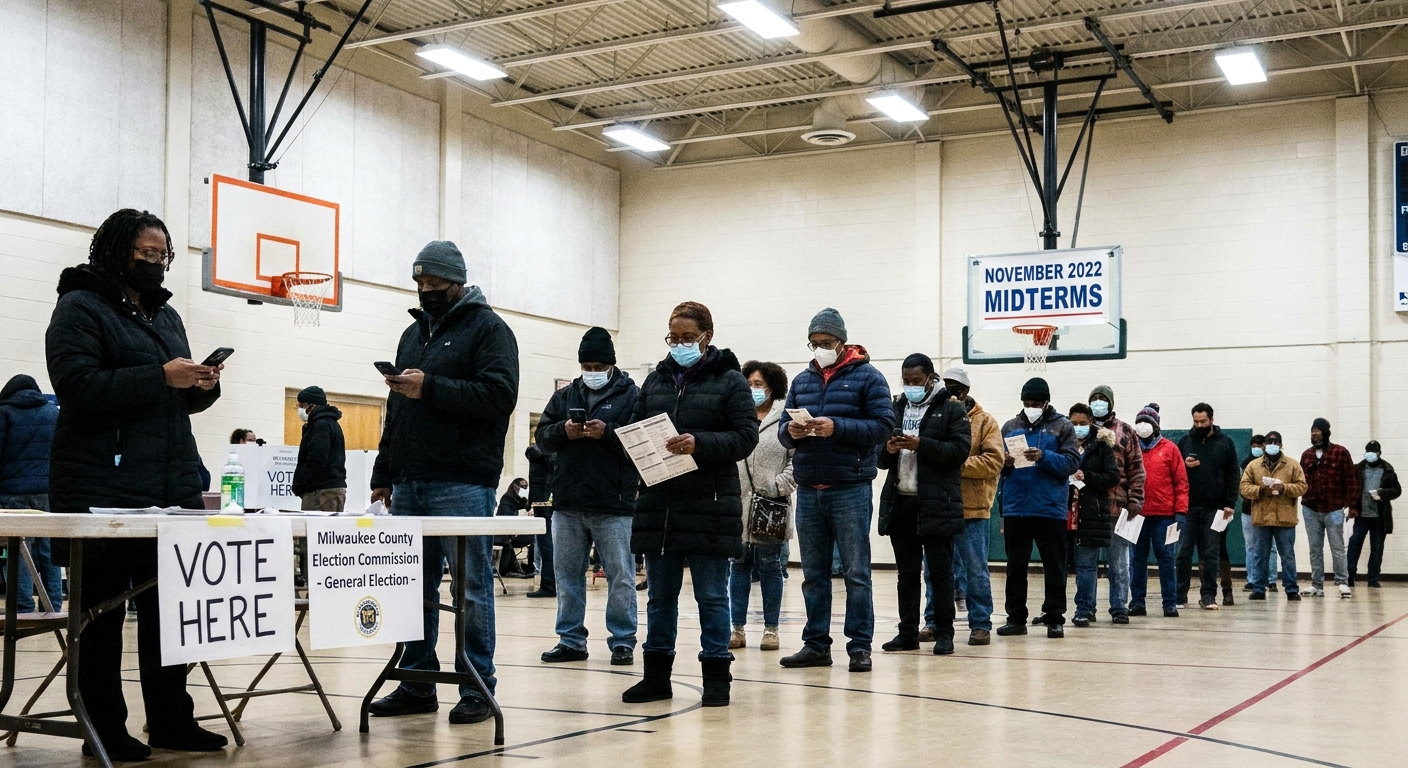
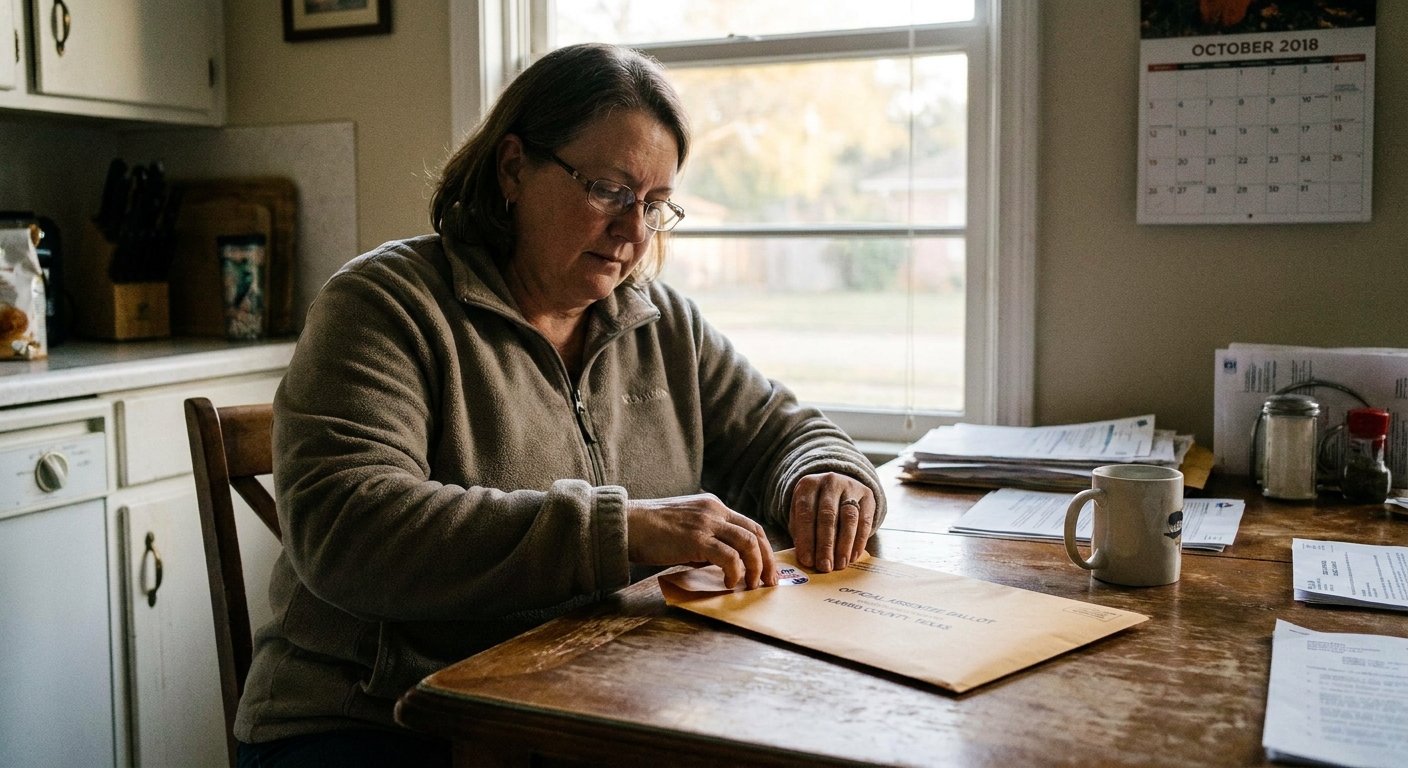
The general election determines who holds office. Many states offer early voting and absentee or mail voting, but the rules are state-specific.
Certification and seating
Winners take office on different schedules depending on the office. Members of Congress are seated in January when the new Congress convenes.
Common questions
Are midterm elections federal or state elections?
Both. The ballot typically includes federal offices like Congress, plus state and local offices. Elections are administered by states, even when they are for federal office.
Do midterms change the president?
No. Midterms do not remove or re-elect the president. They can change the president’s governing environment by changing Congress, state leadership, and the broader political mandate.
Why are they called “midterm” if elections happen every two years?
Because in the middle of a president’s term, the regularly scheduled congressional elections take on a special meaning. They become the country’s scheduled check-in on power.
Constitutional citizenship
The Constitution does not rely on one election to settle everything. It spreads authority across branches and across time. Midterms are a recurring opportunity for voters to adjust that balance without rewriting the rules or waiting four years.
If presidential elections feel like choosing a direction, midterms often decide how much room there is to govern. And in a system built on checks and balances, that is not a side story. It is the structure working as intended.