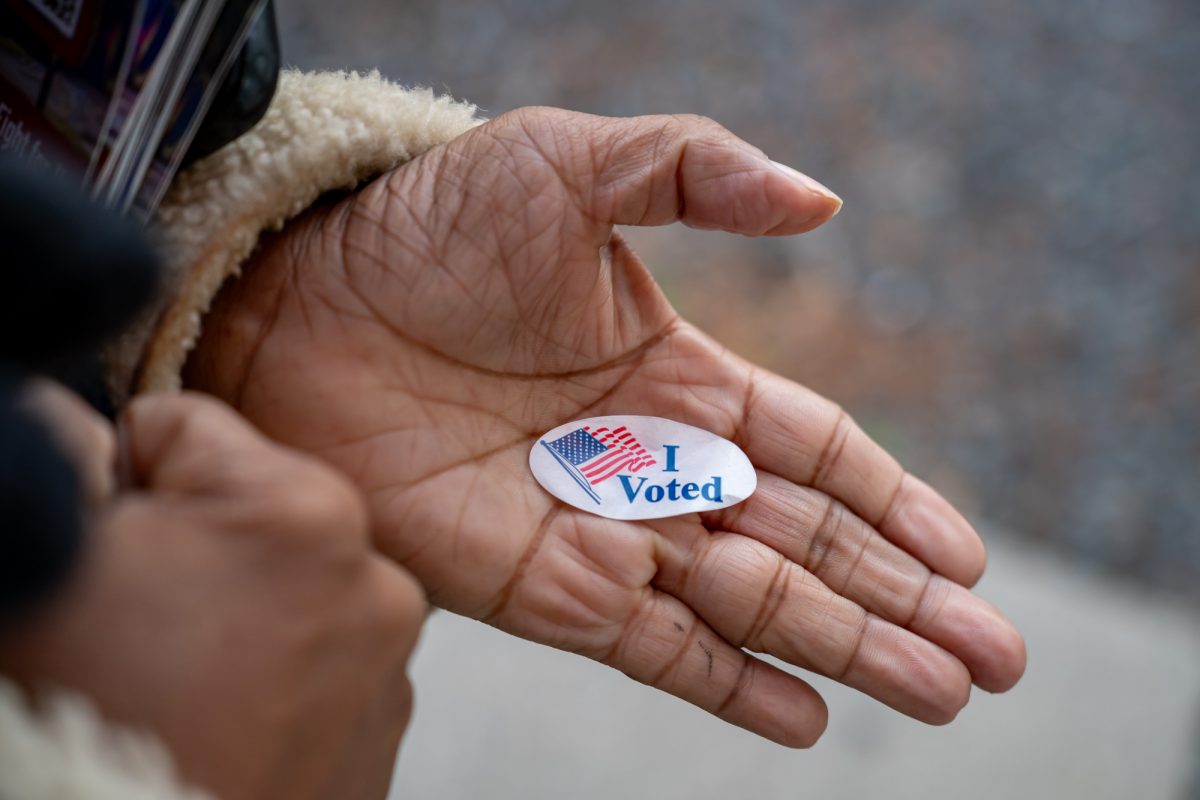
Midterm elections are the federal elections held during the middle of a president’s four-year term. The United States holds federal elections every two years. We call the election that falls halfway between presidential elections a “midterm.”
They are not merely a political tradition. They are the predictable result of how the Constitution staggers terms of office. The president serves four years. Members of the House serve two. Senators serve six, but not all at once. That design creates a regular moment when voters can change Congress without changing the presidency, even if the person serving as president changes during a term.
Join the Discussion
What is on the ballot in a midterm election?
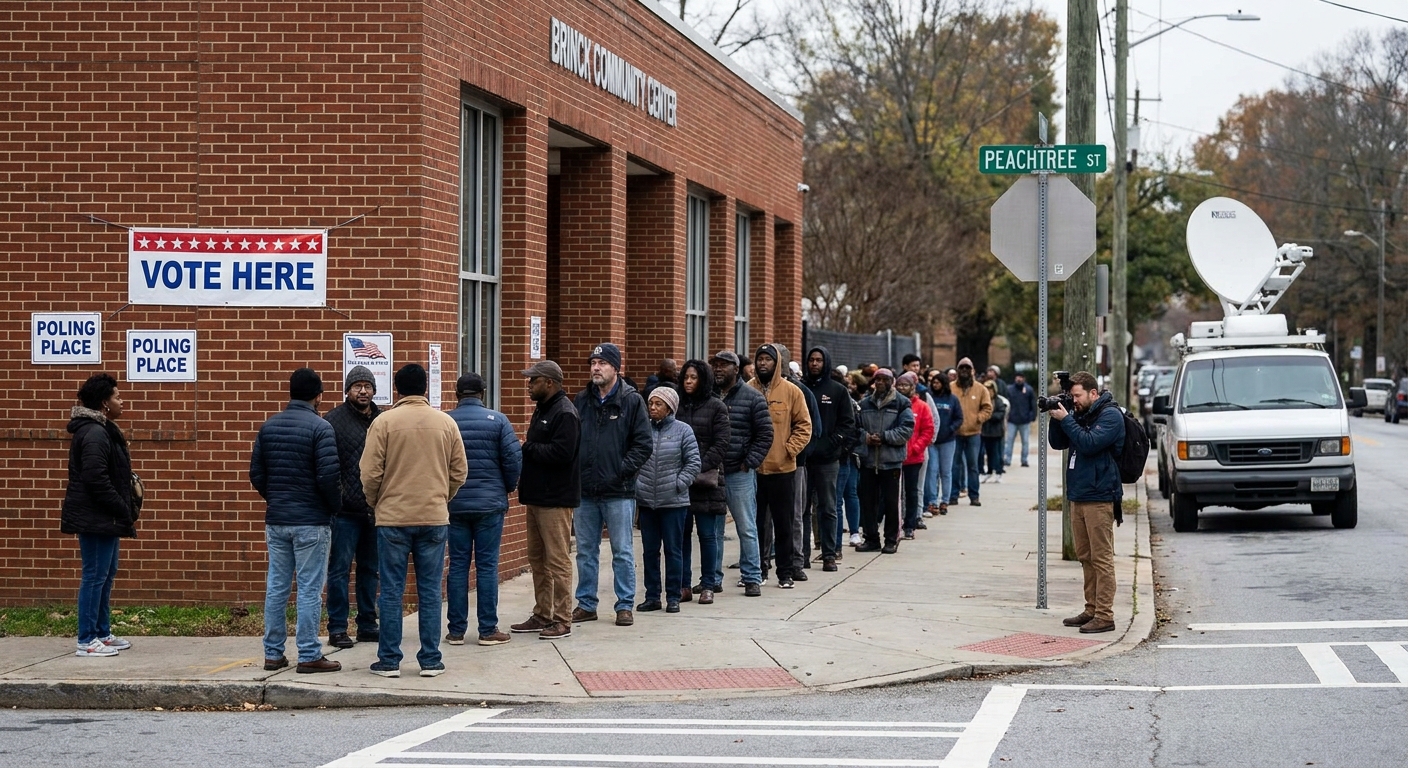
In a midterm election, voters typically decide a mix of federal, state, and local offices. The specific ballot depends on where you live, but the federal pieces are consistent nationwide.
Federal offices
- All 435 seats in the U.S. House of Representatives are up every two years. This comes directly from the Constitution’s two-year House term.
- Roughly one third of the U.S. Senate is up each midterm. Senators serve six-year terms, and the Senate is divided into three classes so elections are staggered. In some years, special elections can add an additional Senate race.
State and local offices
Many states also elect governors, state legislators, attorneys general, secretaries of state, judges, sheriffs, school board members, and more during midterms. That matters because the Constitution leaves much of election administration to the states, including many rules that shape voting access and district lines.
Ballot measures
In many states, midterms include constitutional amendments, statutory initiatives, bond measures, and local referenda. These can change state constitutional law directly, sometimes more quickly than federal politics can move.
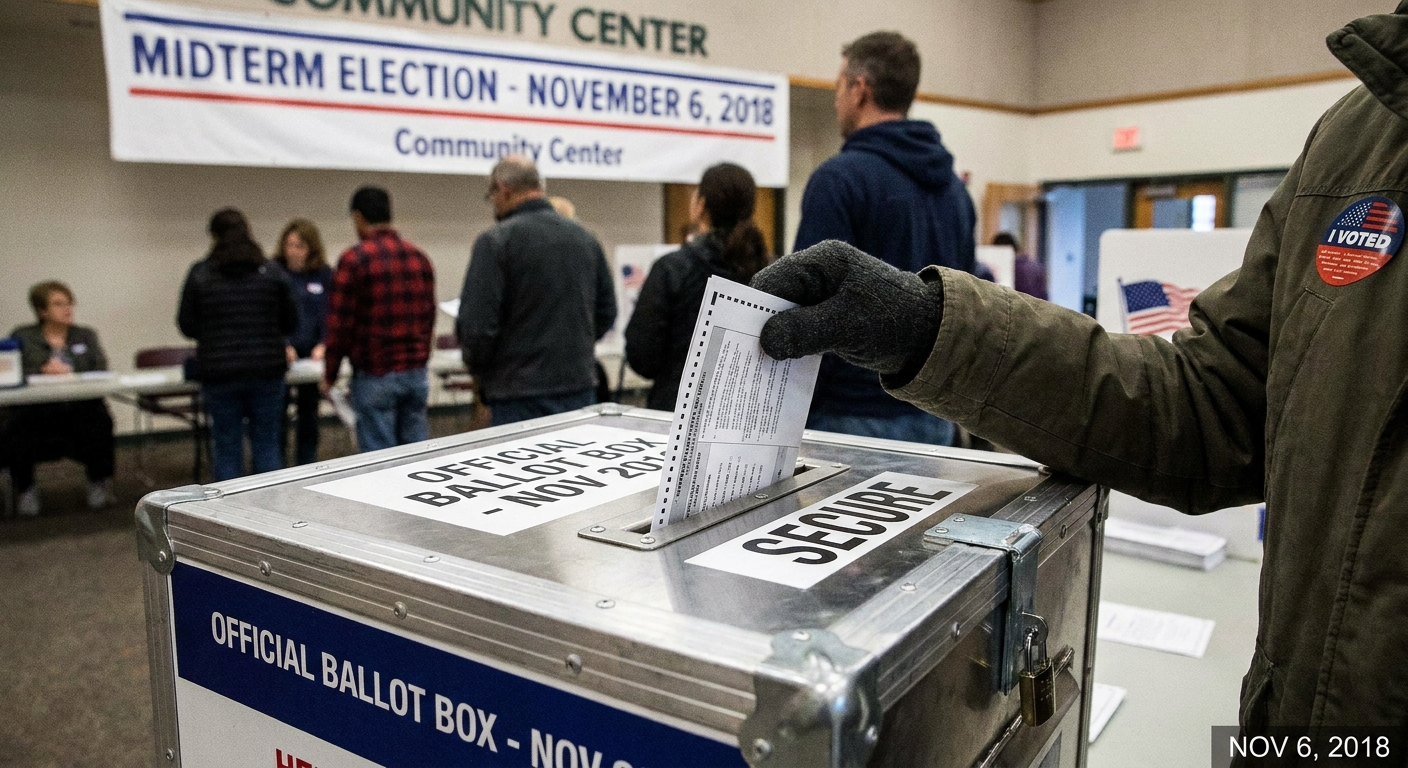
Where do midterm elections come from in the Constitution?
The Constitution does not use the phrase “midterm election.” What it does is set terms and election timing that make midterms inevitable.
- House elections every two years come from Article I, Section 2, which sets two-year terms for representatives.
- Staggered Senate terms come from Article I, Section 3, which sets six-year terms and divides the Senate into classes so only a portion is elected at a time.
- Congress sets the federal election day through statute. Federal law now fixes it as the Tuesday after the first Monday in November.
So midterms are not an extra election added later. They are the rhythm of the republic built into the structure of Congress.
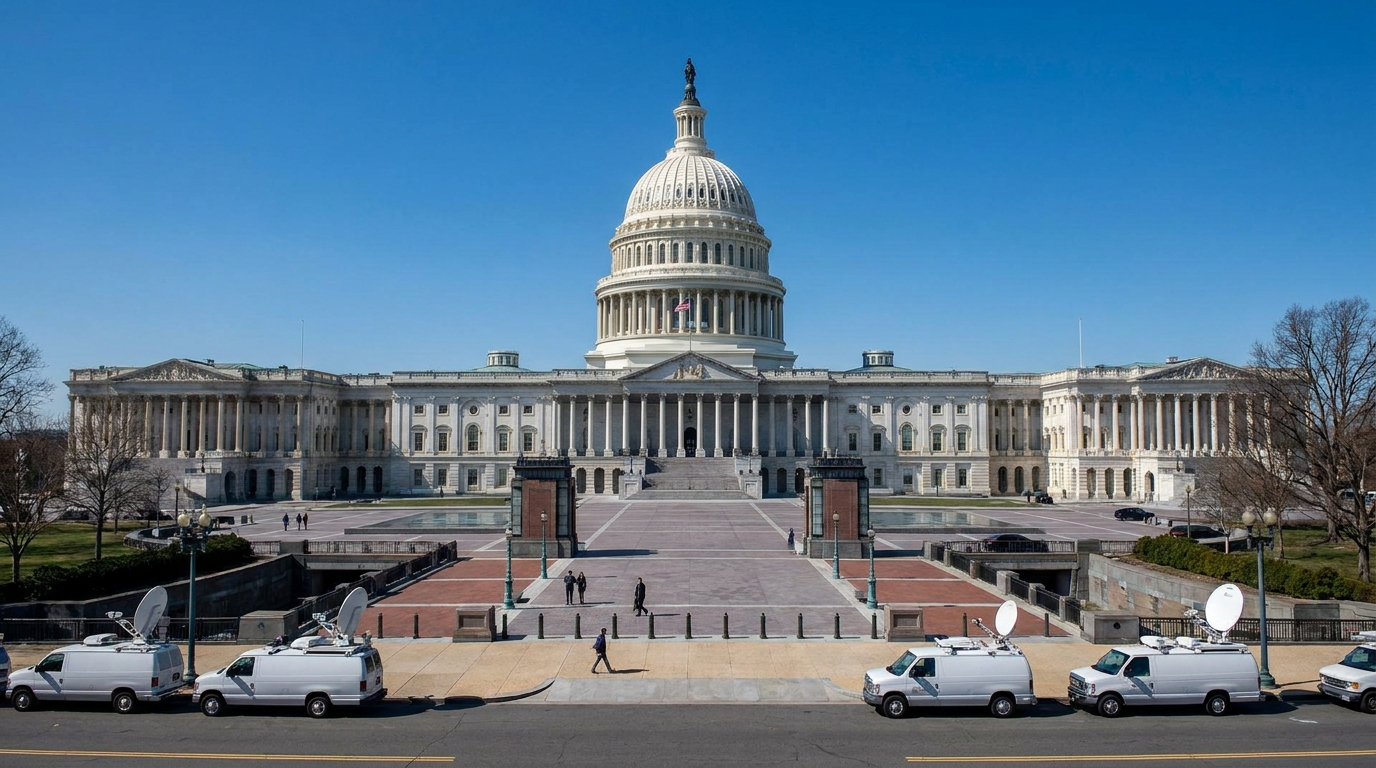
Why midterms can change Washington quickly
Midterms can reshape the country because Congress is not a supporting character. It is a separate power center. When voters flip the House or Senate, they can alter what laws pass, what investigations happen, and which nominees get confirmed.
Control of the House
The House has constitutional powers that become especially visible after midterms:
- Impeachment power: the House can impeach federal officials, including presidents.
- Tax and spending initiation: revenue bills must originate in the House.
- Oversight: committees can issue subpoenas and demand testimony, shaping what the public learns and what pressure agencies feel.
Control of the Senate
The Senate’s powers are even more tied to long-term constitutional stakes:
- Confirming judges, including Supreme Court justices, who may serve for decades.
- Confirming executive-branch leaders, which affects how laws are enforced.
- Ratifying treaties, a less frequent but major constitutional function.
In other words, a midterm election can change not only policy but the people who interpret and administer the Constitution itself.
Do midterms always go against the president?
You will often hear that the president’s party “always” loses seats in midterms. Historically, it is common, but it is not a rule of nature. Midterm results are shaped by:
- Presidential approval and public perceptions of the economy
- National events, including war, crises, and major Supreme Court decisions
- Turnout differences, since the electorate in midterms can look different from presidential years
- Redistricting, which can change the map of House seats after each census
The deeper constitutional point is that midterms create a built-in accountability checkpoint. They allow voters to adjust one branch of government while keeping another intact.
Midterms and the mechanics voters rarely see
Midterms are about more than partisan control. They are also about the rules of democracy itself, many of which are decided at the state level and then tested in federal court.
Redistricting and representation
After each census, states redraw congressional and state legislative districts. Depending on your state, that process may be controlled by the legislature, an independent commission, or a hybrid system. The midterms before a census year often matter most here because they help determine which governors and state legislators will be in power when the post-census maps are drawn, although commission-run states can be more insulated from those swings.
Election administration
States administer elections under constitutional authority, subject to federal constraints. Midterms often decide who becomes governor or secretary of state, which can affect:
- how polling places are allocated
- how mail voting is managed
- how voter roll maintenance is conducted
- how election disputes are litigated
State constitutional amendments
Because many states place constitutional amendments on the ballot in midterm years, these elections can rewrite rights and structures at the state level, including rules for voting, taxation, and criminal justice.
How often are midterm elections held?
Every two years, the United States holds federal elections. That means there is a midterm election in the second year after each presidential election.
- 2026 is a midterm year.
- 2028 is a presidential year.
- 2030 is a midterm year.
The label changes, but the underlying constitutional schedule does not.
Common questions about midterms
Are midterm elections only for Congress?
Federally, yes, the president is not on the ballot in a midterm. But most states and localities place major offices and ballot measures on the same election date, which is why midterms can feel like a full government reset.
Can a midterm election change the president?
Not directly. But it can change the president’s governing environment overnight by shifting control of Congress. That affects legislation, budgets, investigations, and confirmations.
Why does turnout matter more in midterms?
Because fewer people typically vote, the electorate can be narrower and more motivated. In a constitutional system built on representation, smaller turnout can still produce sweeping shifts in who holds power.
Why midterms matter in constitutional terms
The Constitution assumes tension between branches. It is designed to make power harder to consolidate, and easier to check. Midterm elections are one of the most practical ways Americans participate in that design.
If a presidential election is a decision about national leadership, a midterm is often a decision about limits. It is the public’s chance to say: continue, correct, or confront.
And because the House is always on the ballot, midterms ensure that no president governs for four years without facing voters in the middle.