
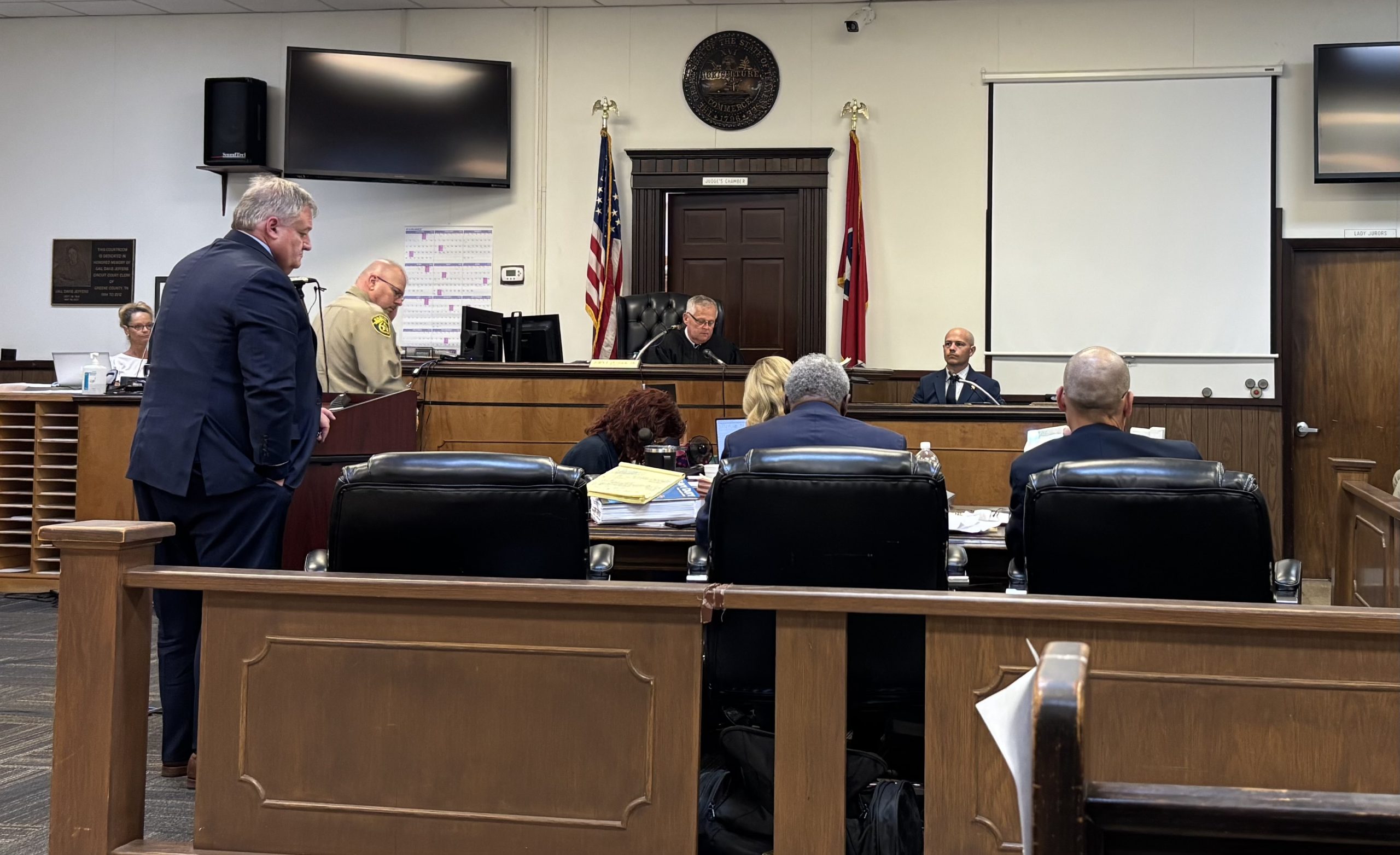
“Arraignment” sounds like legal thunder. In reality, it is usually a short hearing with a big purpose: to put the accusation on the record, make sure you understand it, and start the case under court supervision.
If you only remember one thing, remember this: an arraignment is where the court formally tells a defendant what they are charged with and asks for a plea. It is not a trial, and it is not where guilt is decided.
Join the Discussion
Arraignment, defined
Arraignment is a court appearance where charges are formally addressed and a plea is entered. In many jurisdictions it is the defendant’s first court appearance after charges are filed. In others, there is a separate initial appearance (sometimes called a first appearance) before an arraignment happens later, especially in felony cases where an indictment may follow.
At arraignment, the judge typically:
States the charges (or confirms the charging document, like a complaint or indictment)
Advises the defendant of key rights, including the right to counsel
Asks for a plea (usually guilty, not guilty, or no contest)
Addresses release conditions (release on recognizance, bail, or other restrictions) when the issue is before the court
Sets the next dates (pretrial conference, motion deadlines, preliminary hearing, or trial scheduling)
In many courts, arraignments are brief and run in batches. That speed can make them feel routine. The consequences are not routine.
Why arraignment exists
The constitutional system is designed to avoid surprise prosecutions. Arraignment is one of the ways the law forces the government to be clear, on the record, about what it is accusing you of and what comes next.
Different states use different procedures, and federal court has its own rules. But the basic idea is the same: due process means the government cannot move a criminal case forward without notifying the accused and giving them a meaningful chance to respond.
What happens at an arraignment
1) The judge calls the case
The judge confirms the defendant’s identity and that the defendant is present. If the defendant is not present, a warrant can be issued in many jurisdictions.
2) The charges are read or confirmed
The court states the charges. In some courtrooms, the judge reads them out loud. In others, the court confirms the defendant received the charging document and understands it. In many places, defendants can waive a formal reading of the charges through counsel.
The judge may also mention potential penalties, including maximums. That is common, but not universal. Some courts give a general advisement instead of reciting specific maxima at this stage.
3) The right to an attorney is addressed
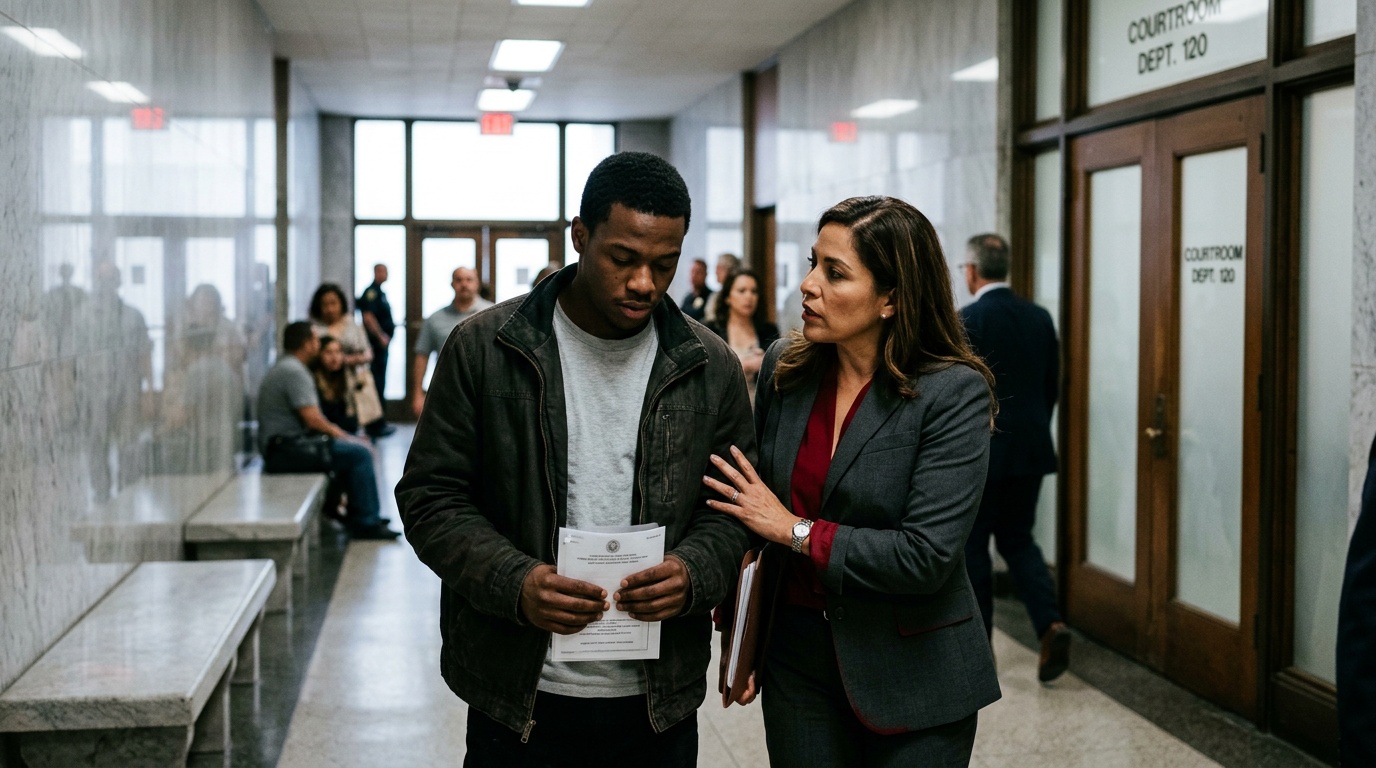
If the defendant has a lawyer, the lawyer appears with them. If not, the court addresses whether the defendant will hire counsel or qualifies for a court-appointed attorney.
This is where the Sixth Amendment matters in real life, not as a trivia question. A criminal case can accelerate quickly after arraignment, and early missteps can be hard to undo.
One important nuance: the right to appointed counsel is strongest in cases where jail is actually on the table. In some misdemeanor cases, a court may proceed without appointing counsel if no imprisonment will be imposed. The rules vary by jurisdiction.
4) The defendant enters a plea
The judge asks: How do you plead?
Not guilty means the government must prove every element beyond a reasonable doubt.
Guilty means the defendant admits the crime and typically gives up the right to trial.
No contest (nolo contendere) usually means the defendant does not admit guilt but accepts conviction and sentencing. Availability and effects vary by state and case type.
Some jurisdictions also recognize special pleas, such as not guilty by reason of insanity or similar options, but those are not available everywhere and often come with extra rules.
In many cases, a common approach at arraignment is pleading not guilty, even when someone expects to negotiate a plea deal later. That preserves options while the defense reviews evidence and evaluates legal issues. The best plea for a specific case is a strategy call for the defendant and their lawyer.
5) Bail and release conditions (sometimes)
If the defendant is in custody, release can be the most immediate issue. In many jurisdictions, bail or release conditions are handled at arraignment or at a closely related first-appearance hearing. In other systems, release may be set earlier by a schedule or addressed in a separate bail hearing.
When release is decided, the judge may:
Release the defendant on their own recognizance
Set bail (a financial condition of release)
Impose conditions such as no-contact orders, travel limits, drug testing, or electronic monitoring
Order detention in limited circumstances where permitted by law
Bail decisions can involve state law, local court rules, and constitutional principles. The Eighth Amendment bars excessive bail, which courts generally frame as bail that is greater than reasonably necessary to serve legitimate regulatory purposes like ensuring court appearance and protecting public safety (as permitted by law). That does not guarantee bail will be affordable, and the standards can look different from one jurisdiction to another.
6) The court sets the next step
Depending on the jurisdiction and the charge, the next step after arraignment might be a preliminary hearing, a pretrial conference, motion practice, or trial scheduling.
In some felony cases, there can be more than one early “formal” hearing. For example, a case may start with a complaint, then later proceed on an indictment, and the defendant may be arraigned again on that indictment. The label changes, but the theme stays consistent: formal notice and a chance to respond.
Also worth knowing what generally does not happen here: arraignment is usually not where the prosecutor turns over all evidence (discovery) or where witnesses testify about the facts in a meaningful way. Those parts come later.
Two quick examples to make this concrete:
Misdemeanor example: A first-time shoplifting charge might involve a quick arraignment, a not guilty plea, a release order, and a new date for a pretrial conference where diversion or a negotiated resolution is discussed.
Felony example: An assault charge with an alleged victim may involve a no-contact order, bail arguments, and a next date for a preliminary hearing (or later indictment and an arraignment on the indictment).
Arraignment vs. indictment vs. preliminary hearing
People often mix these terms together because they all happen early. They are not the same event.
Indictment: A formal charge approved by a grand jury (common in federal court and some states). It is a charging mechanism, not a hearing where you enter a plea.
Preliminary hearing: A hearing where a judge decides whether there is probable cause to proceed (in systems that use it). It is closer to a screening of the prosecution’s case.
Arraignment: The court formally addresses the charges and takes a plea, and in many places also addresses release conditions.
Rights at arraignment
Sixth Amendment: right to counsel
Criminal defendants have the right to counsel in prosecutions that can result in imprisonment, and states must provide counsel to defendants who cannot afford one in qualifying cases. Arraignment is often when that right becomes operational, not theoretical.
Fifth and Fourteenth Amendments: due process
At minimum, due process requires notice of the charges and a fair opportunity to respond. Arraignment is one of the procedures that helps satisfy that requirement.
Eighth Amendment: excessive bail
Bail cannot be “excessive,” meaning it cannot be set higher than reasonably necessary for legally permitted purposes. The exact framework varies widely by jurisdiction.
Right to remain silent and the risk of statements
The arraignment is not a place to explain yourself. In most cases, speaking about facts can create statements that later appear in police reports, bail arguments, or trial testimony. Your lawyer’s job is to control what gets said and when.
Language access and understanding
If a defendant cannot understand what is happening, they should say so (or their lawyer should). Many courts provide interpreters and other accommodations. An arraignment only works if the defendant can actually follow the proceedings and the court record reflects that understanding.
How soon is arraignment?
It depends on the jurisdiction and whether the arrest was with or without a warrant. Many systems require a prompt first appearance, and arraignment may happen at that first appearance or soon after. Some places use specific time limits (often discussed in the 24 to 72 hour range), but weekends, holidays, and local rules can change the practical timeline.
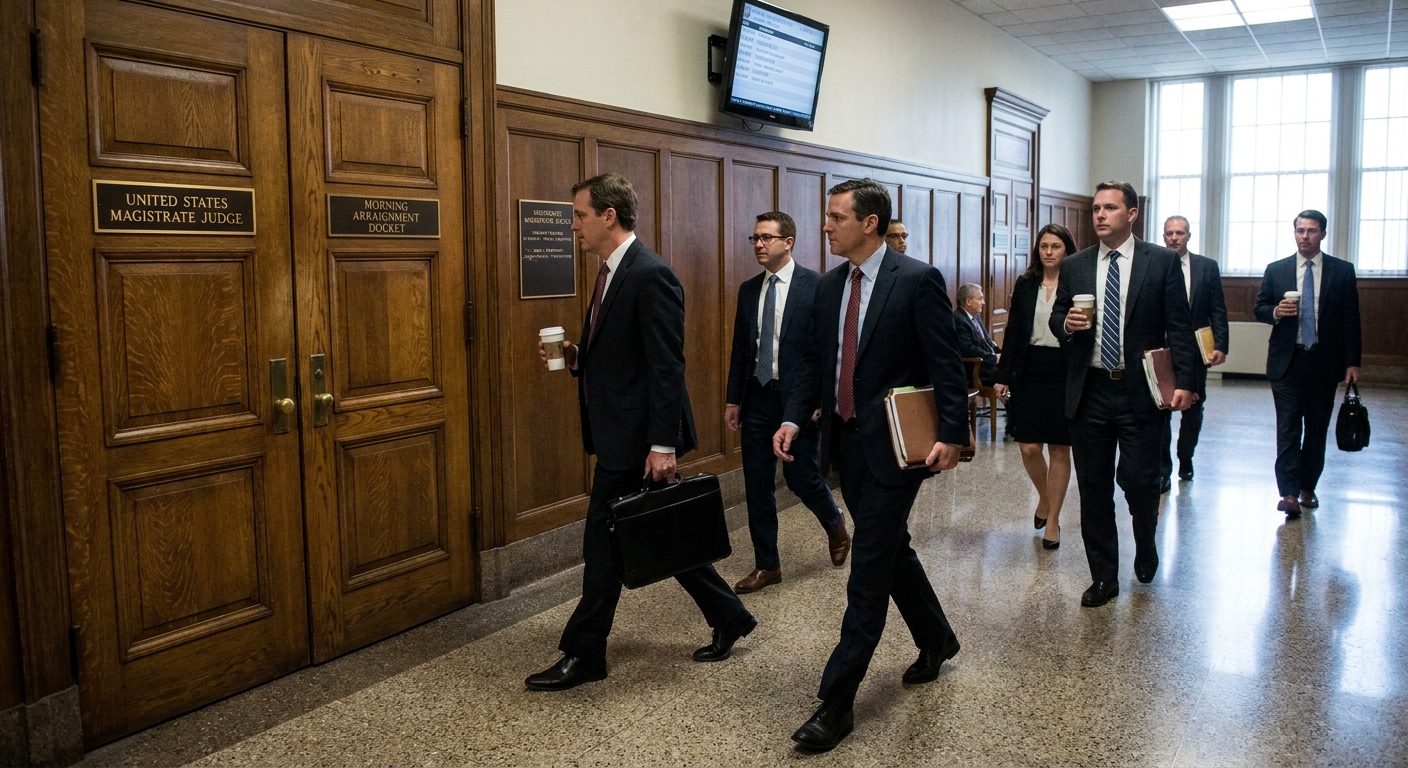
Separately, constitutional law imposes promptness requirements around post-arrest review, and federal court uses a prompt-presentment rule that requires bringing an arrested person before a magistrate judge without unnecessary delay.
If someone remains in custody and has not been brought to court promptly, that is a red flag worth raising with counsel immediately.
Can charges change after arraignment?
Yes. Arraignment is an early snapshot, not a final portrait. Prosecutors can amend complaints in some circumstances, add charges, dismiss charges, or file an indictment that changes the case’s shape. Defense attorneys also file motions that can narrow or eliminate charges.
This is one reason a guilty plea at arraignment can be so consequential. You can be locking in an outcome before the full picture is even visible.
What to do before arraignment
If you or someone you care about is facing arraignment, the practical priorities are straightforward:
Get counsel as early as possible, especially if bail and protective orders are on the table.
Do not discuss the facts of the case in jail calls, texts, social media, or with anyone except your lawyer.
Bring identity and basic documents if relevant to release, like proof of employment or address, when advised by counsel.
Show up. Missing arraignment can trigger a warrant and make release harder.
This is general information, not legal advice. Specific strategy depends on the jurisdiction, the charge, and the defendant’s history.
Federal court arraignment
Federal criminal procedure uses similar concepts but with its own vocabulary and timing. A defendant may have an initial appearance first, then an arraignment where the indictment is addressed and a plea is entered. Release and detention are governed by the Bail Reform Act, which includes a structured analysis of detention in certain cases.
The theme remains the same: formal notice, counsel, plea, and release conditions, all under the court’s authority.
Common questions
Is arraignment the same as sentencing?
No. Sentencing happens after a guilty plea is accepted or after a conviction at trial, and it often occurs at a separate later hearing.
Can I plead not guilty and still take a plea deal later?
Often, yes. A not guilty plea preserves the right to trial while the parties review evidence and negotiate. Any later change of plea must be made knowingly and voluntarily, usually in open court.
Will the judge decide guilt at arraignment?
No. Arraignment is procedural. The case’s facts are litigated later through motions, negotiations, and potentially a trial.
Do I have to speak at arraignment?
Usually, the only required response is the plea, and your attorney can often speak for you on most issues. In many courts, defendants answer limited identification questions, and some courts allow counsel to enter certain responses on the defendant’s behalf.
The bigger point
Arraignment is where the criminal justice system formally introduces itself. It is the moment when a person stops being “someone who got arrested” and becomes “the defendant,” with a case number, a charging document, a judge, and a set of constitutional guardrails that are only as strong as the people willing to invoke them.
If you want to understand how the Constitution operates in everyday life, pay attention to early hearings. Rights are not just declared in founding text. They are practiced in small rooms, on crowded dockets, in minutes that can reshape years.