
Midterm elections are the general elections held halfway through a president’s four-year term. They look quieter than presidential years, but they can hit harder. In a midterm year, voters can flip control of Congress, install new governors and state lawmakers, and shape the legal and political terrain that influences everything from taxes to voting rules to how redistricting battles play out.
In other words, the country does not “take a break” between presidential elections. The Constitution built a system where power is refreshed on staggered cycles. Midterms are one of the main refresh points.
Join the Discussion
When do midterm elections happen?
Federal elections happen every two years, on the first Tuesday after the first Monday in November. We call them “midterms” when that regular federal election falls in the middle of a presidential term, which happens every four years.
For example:
- A president is elected in 2024.
- The midterm election is in 2026.
- The next presidential election is in 2028.
Because the Constitution requires House elections every two years, there is always a federal election on that schedule. The midterm label simply tells you it is occurring between presidential elections.
What is on the ballot in a midterm election?
The exact ballot depends on your state and district, but midterms are not “minor league” elections. A typical midterm year can include:
All U.S. House seats
Every one of the 435 seats in the U.S. House of Representatives is up for election every two years. That is straight from the Constitution’s design. House terms are short on purpose, to keep the chamber tied tightly to public opinion.
About one-third of the U.S. Senate
Senators serve six-year terms, so Senate seats are staggered. Roughly one-third of the Senate is up in any even-numbered year, including midterms. That stagger is meant to create continuity, not constant upheaval, but the political effect can still be dramatic if a few seats switch.
Governors and state offices
Many states elect governors in midterm years, along with attorneys general, secretaries of state, treasurers, and other statewide officials. (Gubernatorial elections are staggered, so some states vote for governor in presidential years instead.) These offices matter because they often control election administration, litigation strategy, emergency powers, and major regulatory priorities.
State legislatures, judges, and local government
Most states also elect state legislators and a long list of local officials. In many states, judges appear on the ballot too, either in contested elections or retention votes. These races are not “background noise.” State law is where many day-to-day rights and rules actually live.
Ballot measures
Some states place constitutional amendments, referenda, and initiatives on the ballot during midterm years. In states that allow citizen initiatives or referenda, voters can decide certain issues directly. In other cases, legislatures place measures on the ballot for voter approval. Either way, these votes can reshape rules on topics like redistricting, voting access, taxes, abortion policy, and criminal justice.
Why midterms matter constitutionally
Midterms matter because our system splits power and times it on purpose. The Constitution does not let one election decide everything for four years. Instead, it forces frequent accountability, especially for the House.
The House is built to track public opinion
Article I sets two-year terms for representatives. That short term is a constitutional statement: the people should be able to change the House quickly if they believe the government is moving in the wrong direction.
The Senate is steadier, but not immovable
Six-year terms and staggered elections make the Senate harder to swing overnight. Still, a handful of races can change whether a president’s nominees are confirmed and whether legislation can move.
Federalism makes state elections national
The Constitution leaves many powers to the states. That means governors and state lawmakers can shape policies that affect millions of people, and they also shape how federal policy is received, enforced, challenged, or resisted.
What happens after a midterm election?
The most immediate shift can be control of Congress. If one party wins a majority in the House, it elects the Speaker, controls committee leadership, and largely controls what legislation reaches the floor. The Senate majority shapes the agenda as well, and it plays an outsized role in confirmations.
Oversight can change fast
Congress has broad oversight powers. A new majority can open investigations, issue subpoenas, and hold hearings that reshape public narratives and pressure agencies.
Passing laws gets easier or harder
If the president’s party controls both chambers, it is generally easier to pass parts of the president’s agenda. If not, gridlock becomes more likely and compromise becomes necessary.
Judges and executive officials become a battleground
The Senate confirms federal judges and high-level executive officials. Midterm outcomes can determine whether confirmations accelerate, stall, or turn into a high-stakes negotiation.
Why the president is not on the ballot
The president is not up for election in a midterm, but midterms often function as a national referendum on the administration’s performance. Voters can use them to reward or punish the party in power, especially when the public mood is shaped by inflation, war, immigration, major court decisions, or a sense that the country is simply exhausted.
This is one reason you often hear about the “midterm penalty,” the tendency for the president’s party to lose seats. It is not a constitutional rule. It is a political pattern, and like all patterns it has exceptions.
How midterms reach daily life
If midterms feel abstract, it is usually because we have been trained to treat politics like a presidential-only sport. But many of the rules that touch daily life are written, enforced, or funded by officials elected in midterm years.
- Taxes and spending: Congress writes federal tax and budget laws. States do the same for state taxes and programs.
- Education and public safety: Often set primarily by state and local leaders.
- Voting rules: States run elections, and state legislatures pass many of the laws governing registration, mail voting, polling access, and district maps.
- Courts: Senate control affects federal judicial confirmations. Many states also elect judges.
Where redistricting fits
Most redistricting follows the decennial census, not the midterm calendar. But midterm results can still shape the map story for years because they affect who controls state legislatures and governorships, and they can influence what happens next in court challenges and adjustments.
Midterms vs. primaries and specials
Midterm is about when the general election occurs. It is easy to mix that up with other election types that may happen in the same year.
- Primaries: Party elections that choose each party’s nominee for the general election. These are usually held months before November and vary by state.
- Runoffs: Extra elections when no candidate reaches a required threshold, often a majority. Some states require runoffs for certain offices.
- Special elections: Elections held outside the normal cycle to fill vacancies, such as when a House member resigns.
What you can do now
If you want midterms to feel less like noise and more like leverage, keep it simple:
- Check your registration and your state’s ID rules.
- Preview your ballot so down-ballot races and measures do not surprise you.
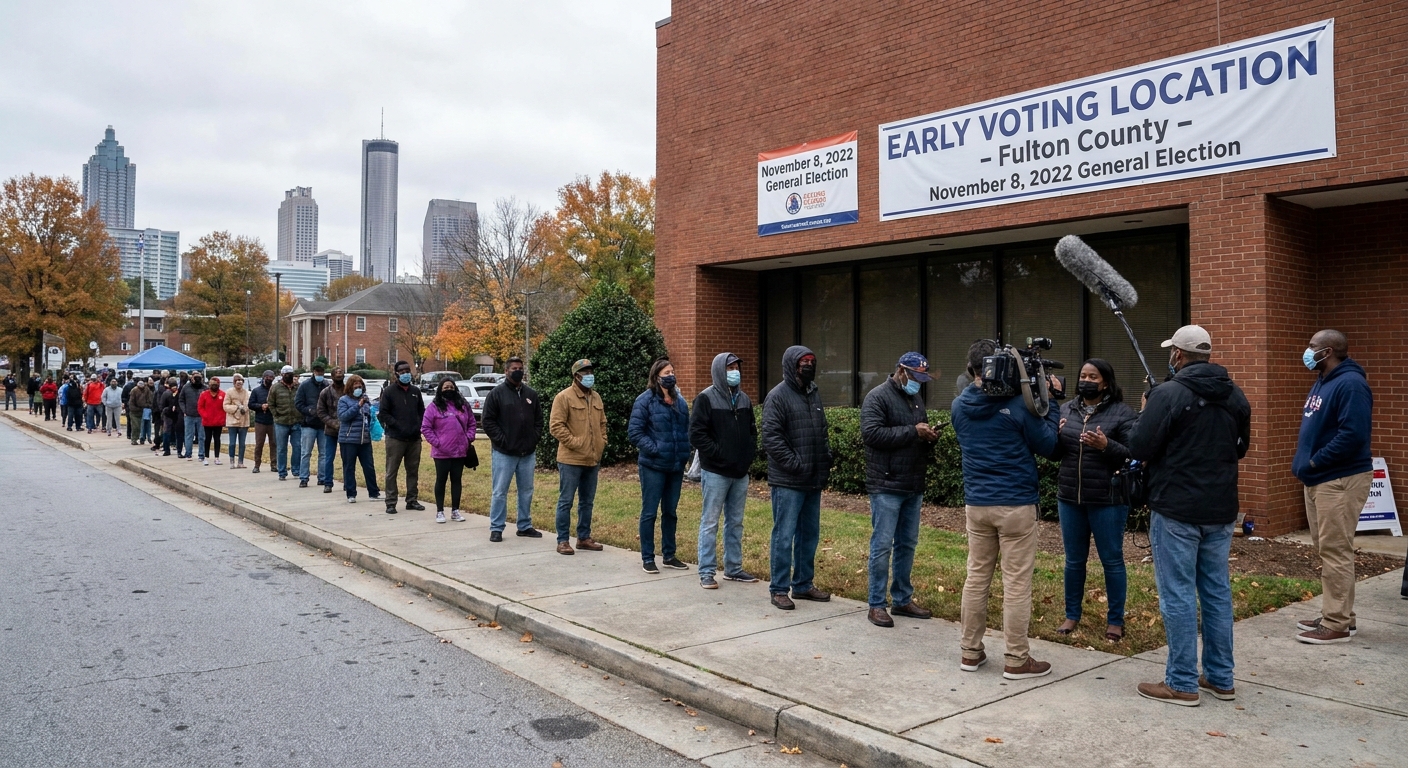
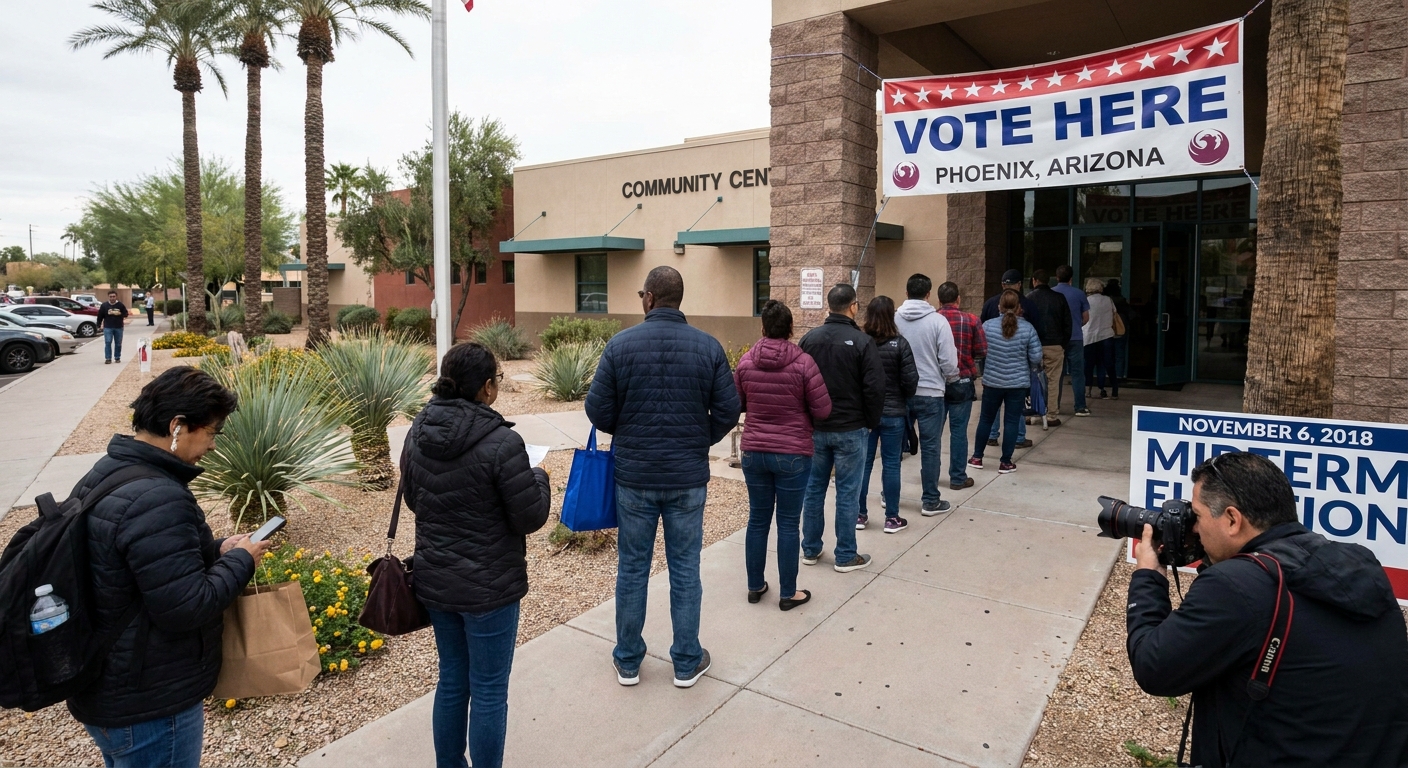
- Know the deadlines for mail voting, early voting, and Election Day logistics in your county.
A quick midterm FAQ
Are midterm elections required by the Constitution?
The Constitution requires House elections every two years and sets Senate terms at six years. Those rules create federal elections on a two-year rhythm. The term “midterm” is a common label for the election that occurs between presidential elections.
Do midterms decide the president’s fate?
Not directly. But they can help decide whether the president can pass legislation, confirm nominees, and govern with support or sustained opposition in Congress.
Why is turnout usually lower in midterms?
There is no single cause, but the biggest drivers are lower media attention, fewer high-profile races in some areas, and the mistaken belief that nonpresidential elections matter less. Midterm electorates also tend to skew older and higher-propensity than presidential-year electorates.
Can midterms change the Supreme Court?
Not directly. But Senate control affects judicial confirmations across the federal courts, and state elections can influence lawsuits and legal strategies that eventually reach federal courts.
The bigger question midterms ask
Every two years, the Constitution gives voters a chance to rebalance power without waiting for a presidential election. Midterms are that pressure-release valve. They are also a mirror. They reveal what the public is paying attention to, what it is willing to tolerate, and what it wants to push back against.
If you want a republic that stays responsive, midterms are not optional homework. They are one of the main exams.