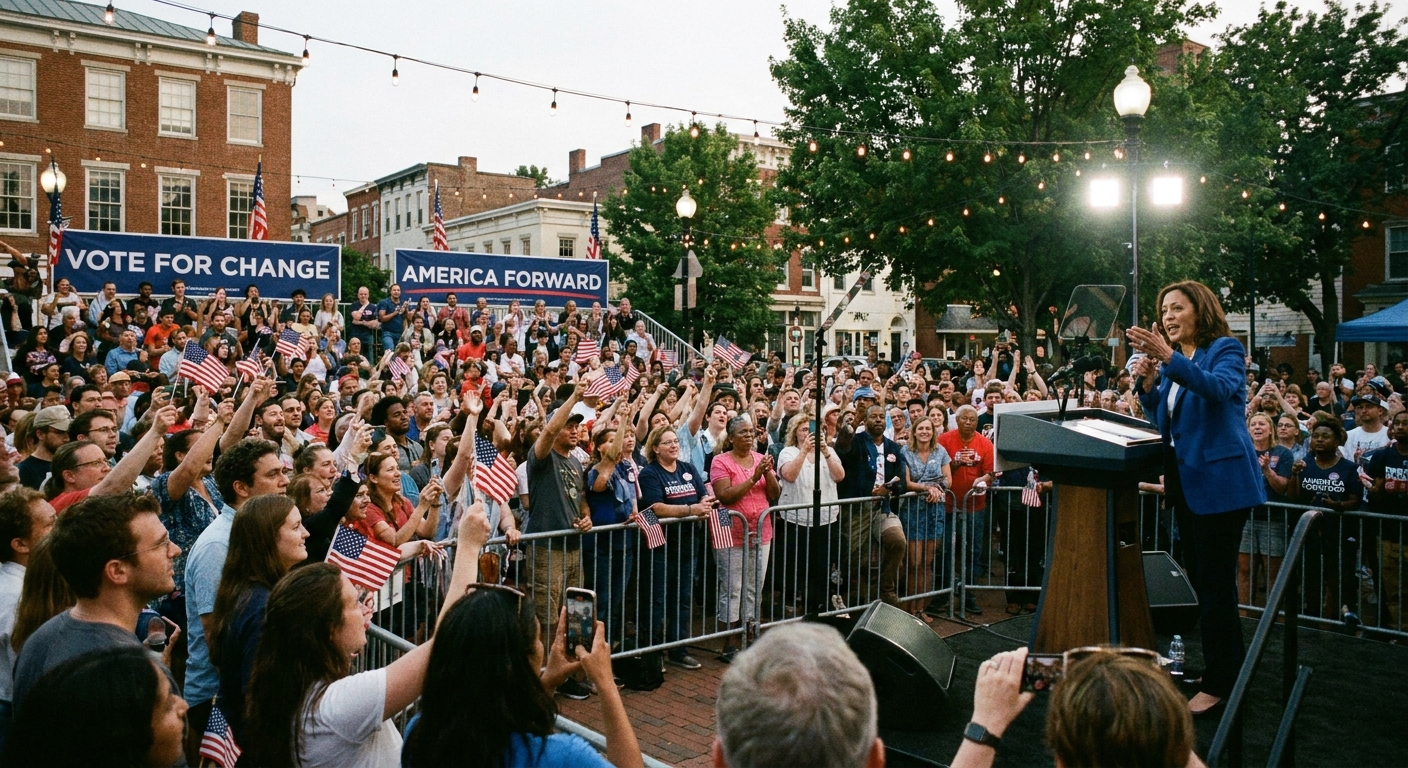
Midterm elections are the national elections held halfway through a president’s four-year term. Federal elections happen every two years, but “midterms” specifically refer to the even-numbered year between presidential elections, when the president is not on the ballot. They function as one of the system’s pressure valves: a regular, predictable moment when voters can reward the party in power, punish it, or rebalance Washington.
If presidential elections feel like a single national decision about who leads the executive branch, midterms are the country’s ongoing audit of representation. They can flip control of Congress, redraw the political map in state capitals, and set the agenda that the president has to live with for the next two years.
Join the Discussion
What exactly is a midterm election?
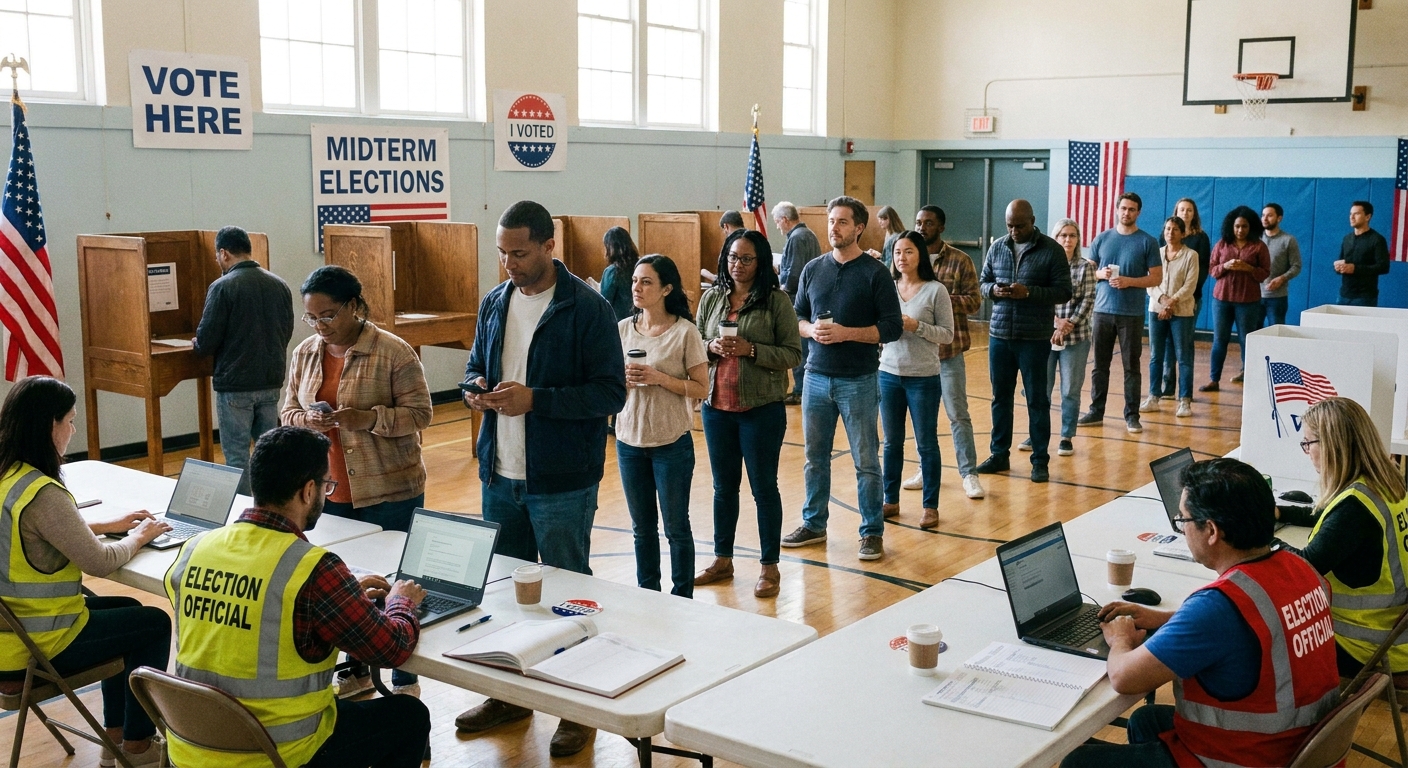
A midterm election is a federal election that takes place in the middle of a presidential term. Because federal elections for Congress run on a two-year cycle, every even-numbered year is an election year for federal offices. The “midterm” label applies to the even-numbered year that is not a presidential election year.
For example:
- 2024: presidential election year
- 2026: midterm election year
- 2028: presidential election year
In other words, midterms are not optional and they are not a special election. They are part of the Constitution’s rhythm of accountability.
What is on the ballot in a midterm?
The core of a midterm election is federal. But most states also place major state and local offices and ballot measures on the same ballot, which is why midterms can reshape government far beyond Washington.
Every House seat
All 435 seats in the U.S. House of Representatives are up for election every two years. The Constitution sets that short term in Article I, Section 2. The idea is simple: the House stays close to the voters because the voters get frequent chances to change it.
About one-third of the Senate
Senators serve six-year terms (Article I, Section 3), so the Senate is divided into “classes” and only about one-third of seats are contested in each federal election cycle. In a midterm year, roughly 33 or 34 Senate seats are up, depending on special circumstances.
Governors and state officials
Many states elect their governor in midterm years, along with attorneys general, secretaries of state, and state legislators. Those offices can matter directly to elections themselves, because many states give secretaries of state and local election officials significant authority over election administration.
Local races and ballot measures
Mayors, county officials, judges, school boards, and ballot initiatives often appear in midterm cycles. That means a “midterm election” can be a single trip to the polls that decides everything from federal power to local tax policy.
Special elections (sometimes)
Separately from the midterm schedule, states can also hold special elections to fill vacancies. Those races can happen at different times and can change the political math even in a year that already has a full slate of midterm contests.
Why are they called “midterms” if elections happen every two years?
Because the term is anchored to the presidency. Presidents serve four-year terms (Article II, Section 1). Midterms occur at the two-year mark, when there is no presidential race to dominate the spotlight. The Twentieth Amendment later adjusted the timing of presidential terms and inaugurations, but it did not change the four-year length.
That missing presidential contest changes everything: what the media covers, what voters prioritize, and how turnout looks.
When do midterm elections happen?
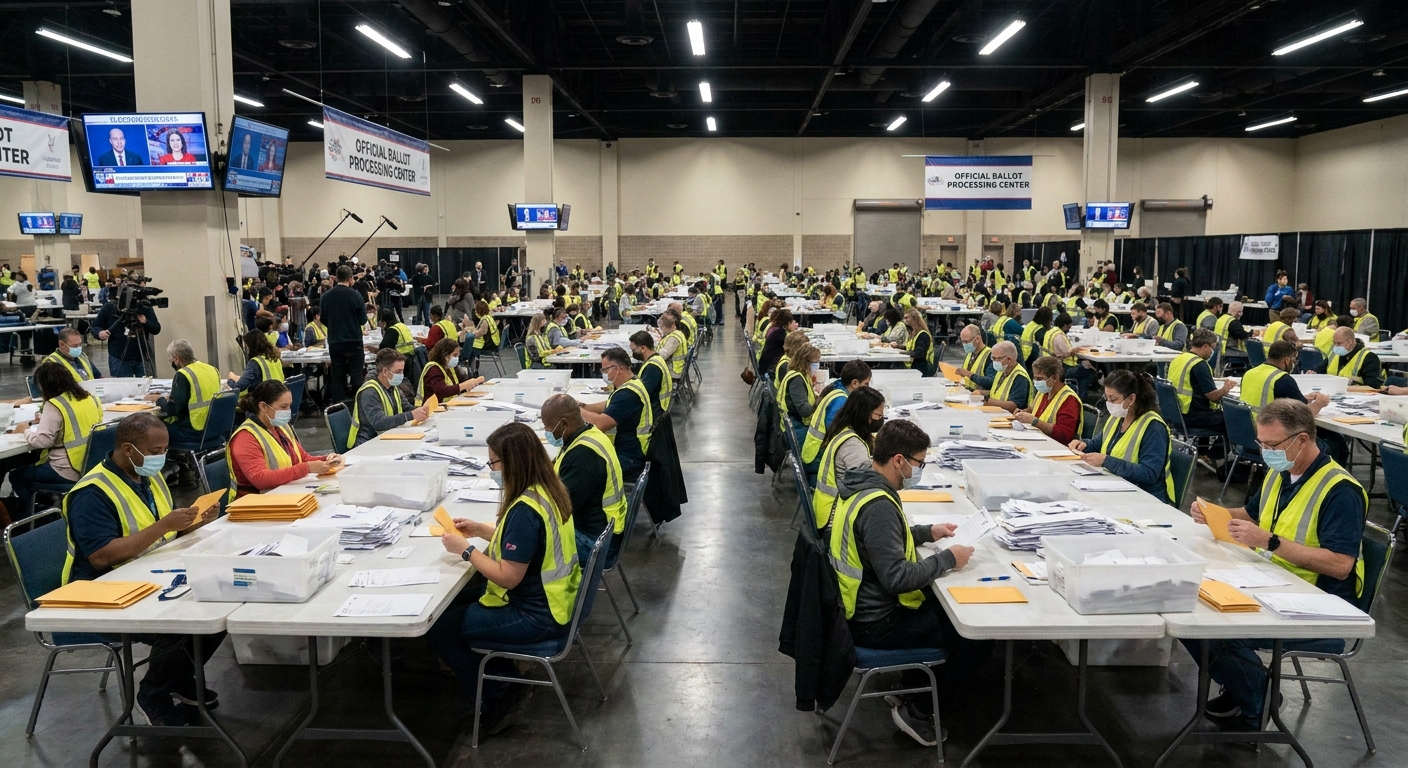
Federal law sets the general election for federal offices on the Tuesday after the first Monday in November in even-numbered years. Most states align their statewide elections with that date.
Primaries happen earlier and vary widely by state. Some states hold primaries in March. Others wait until summer. And primary rules vary too, including open primaries (where participation is less restricted) and closed primaries (where parties limit participation to registered members).
Why midterms matter so much
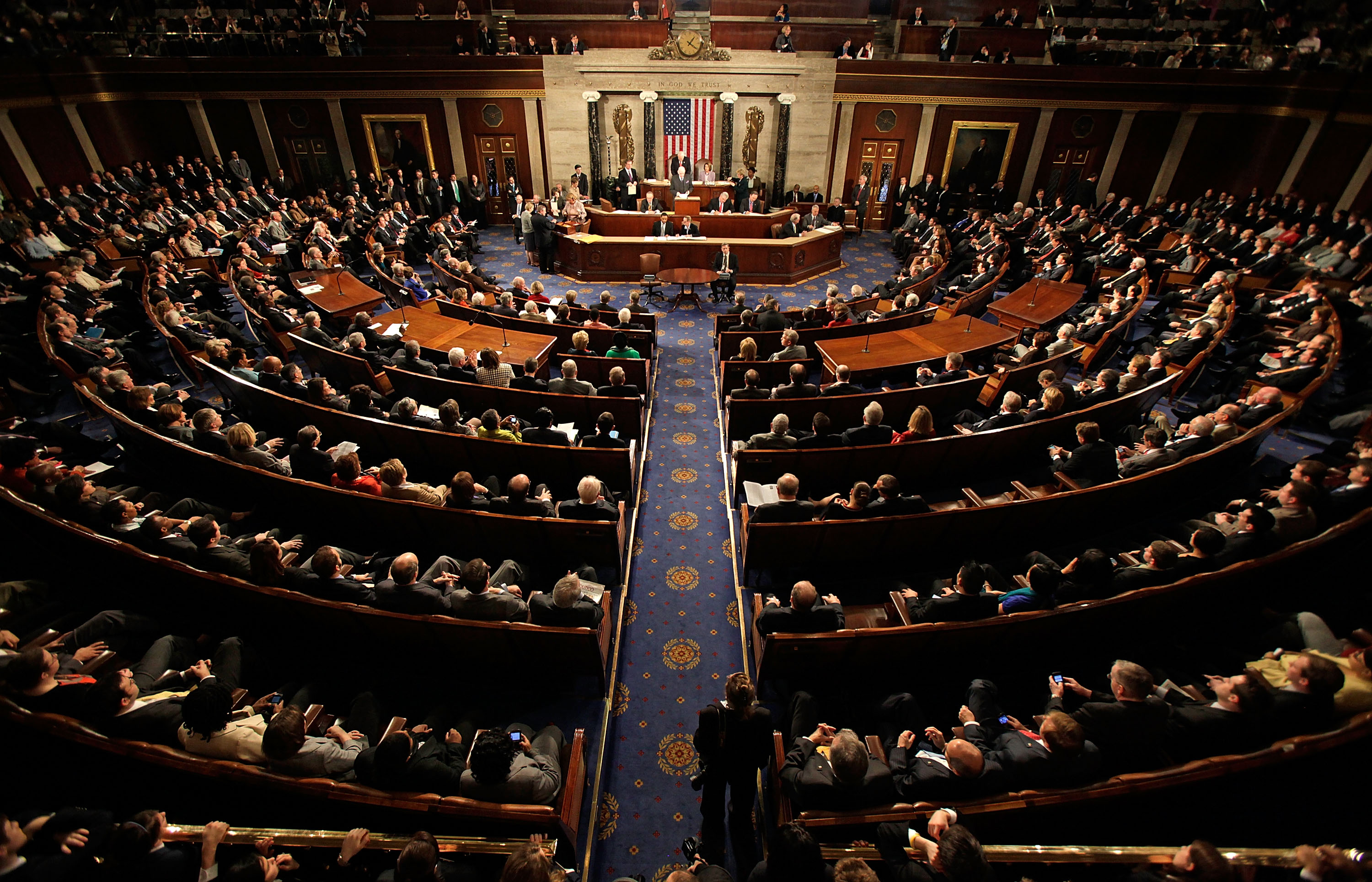
Midterms can be quieter than presidential elections in terms of attention, but they are often louder in their consequences. They determine who writes laws, who investigates the executive branch, and whether a president’s agenda advances or stalls.
They can change control of Congress
If one party gains a House majority, it gains control over committee chairs, the legislative calendar, and the ability to bring bills to the floor. In practice, that determines what even gets a vote.
In the Senate, control matters for confirmations and for what gets time and attention. The Senate also plays a constitutional role in treaties: ratification requires a two-thirds vote, and party control shapes whether treaties are brought forward and how coalition-building happens, even though it does not change that threshold.
They shape the president’s last two years
A president does not lose office in a midterm. But a president can lose the ability to govern smoothly. Divided government can force compromise. It can also produce gridlock and push presidents toward executive actions that are more vulnerable to court challenges and future reversal.
They affect redistricting and voting rules
State legislatures matter because many of them draw congressional maps. Most redistricting follows the census and often plays out in the year or two after it, but midterm outcomes still matter. They can determine who controls later map adjustments, how states respond to court decisions, and who holds key offices that oversee election rules and administration.
Turnout and the “midterm penalty”
Midterm turnout is usually lower than presidential-year turnout. That is not a minor detail. It changes who shows up, which issues dominate, and which coalitions have the advantage.
Political scientists often describe a “midterm penalty” for the president’s party. The party holding the White House frequently loses House seats in midterms, sometimes dramatically. The reasons are debated, but common explanations include:
- Intensity gap: the out-party is often more motivated to vote.
- Referendum effect: voters use midterms to signal approval or frustration with the president.
- Turnout composition: midterm electorates can be older and more consistent, which can shift outcomes.
None of this is a law of nature. Some midterms buck the pattern, including years when the president’s party gains House seats. But the pattern is strong enough that parties plan around it.
Midterms and the Constitution
The midterm cycle exists because of how the Constitution staggers power.
The House is built for constant accountability
Two-year terms mean the House is always in campaign mode and always potentially changeable. The Framers designed it that way.
The Senate is built for continuity
Six-year terms, staggered into classes, mean the Senate changes more slowly. It is harder for one election to completely remake it. That can stabilize policy, or it can frustrate voters who want rapid change, depending on your perspective.
The presidency stays in place
Because the president is not on the ballot in midterms, the election becomes a test of how much legislative support the president retains. It is a reminder that the executive and legislative branches derive their authority from separate elections.
Common questions
Do we elect the president in a midterm election?
No. Midterms do not include the presidential election. The president is elected every four years.
Are midterms only about Congress?
At the federal level, yes: midterms always include the entire House and part of the Senate. But most states also place major state and local offices on the ballot, which is why midterms can reshape policy on education, policing, taxes, and election administration.
Can midterms affect the Supreme Court?
Indirectly, yes. The Senate confirms federal judges. A shift in Senate control can speed up or slow down confirmations, and can alter what nominees are likely to be confirmed.
Why do people say midterms are a “referendum” on the president?
Because the president is the most visible national political figure, and midterms are the biggest national election where voters can express satisfaction or discontent without voting directly on the president’s job.
What to watch next
If you want to understand a midterm like a constitutional story instead of a cable-news horse race, focus on three questions:
- Who controls the House? That determines what legislation can realistically pass.
- Who controls the Senate? That shapes confirmations and the long-term judiciary.
- What happens in key states? Governors and legislatures influence policy and, in many states, the rules and logistics of elections themselves.
Midterms are not a political intermission. They are the system working as designed: frequent, decentralized, and capable of changing the direction of the country without changing the president.