
You can tell a government message has landed when it stops sounding like policy and starts sounding like a group text: keep your passport close, avoid crowds, have a plan.
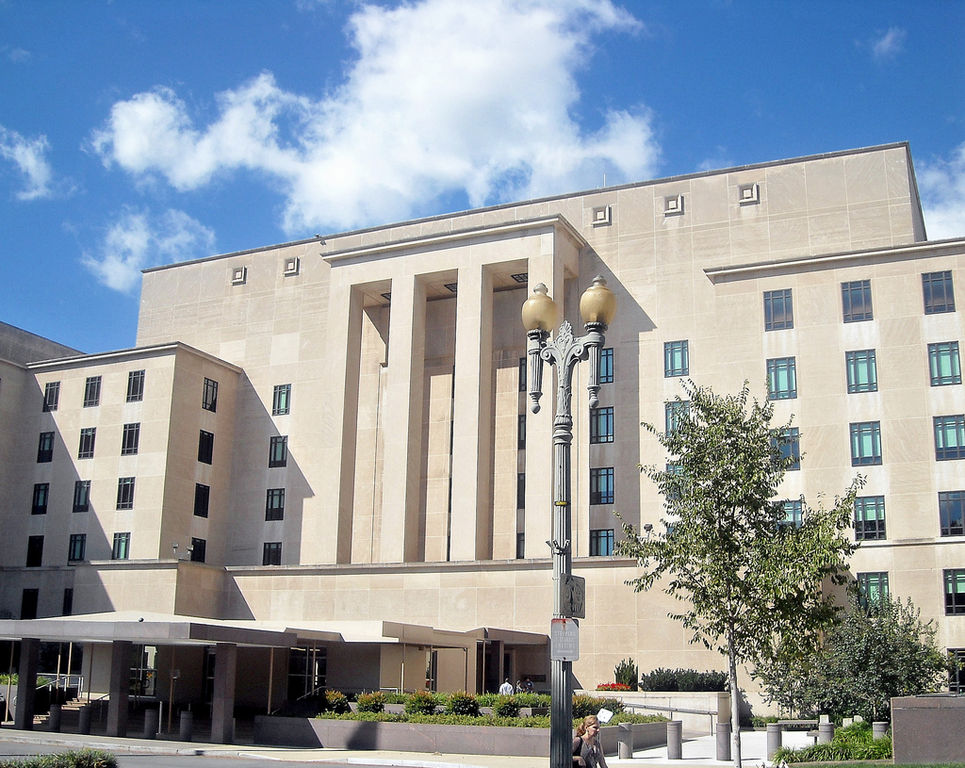
On Oct. 19, 2023, the U.S. State Department issued a rare Worldwide Caution (a global security alert) urging Americans abroad, and those about to leave, to exercise heightened caution as Middle East tensions raised the risk of protests, anti-U.S. sentiment, terrorism, and sudden disruptions that can ripple far beyond the region. You can read the official alert on travel.state.gov.
What makes this unusual is not that the world is dangerous. It is the scope. A Worldwide Caution is the State Department saying, in effect: assume conditions can deteriorate quickly, even in places that look calm on a map.
Join the Discussion
What it is
The State Department communicates travel risk in a few different ways. Most of the time, you see country-specific Travel Advisories (Levels 1 through 4). A Worldwide Caution is different and sits alongside that system.
- It is not a new Level 4 for the planet. It does not automatically replace the existing level for France, Japan, Mexico, or anywhere else.
- It is a broad alert layered on top of the usual advisory system. The message is that global conditions have shifted enough to justify heightened vigilance across multiple regions and transit routes.
- It is also about logistics. Even if you are not at the center of a conflict, you might feel the shock through flight disruptions, sudden border closures, protests near tourist zones, or limited consular capacity if multiple crises hit at once.
Why Iran-linked tensions matter
Wars do not stay neatly inside the borders where they begin. When the U.S. government tells Americans to use heightened caution worldwide, it is usually reacting to the way conflict travels: through networks, narratives, and infrastructure.
1) Protests move fast
A regionally anchored conflict can quickly produce demonstrations in capitals and tourist hubs far away, especially around embassies, consulates, airports, military installations, and large public events. Protest dynamics can shift in minutes. Peaceful crowds can become unpredictable when a new headline drops.
2) Terrorism targets symbolism
When tensions spike, so does the risk of attacks aimed at symbolic targets. Those can include transportation nodes, hotels, nightlife districts, houses of worship, or high-visibility gatherings. The alert is not saying an attack is inevitable. It is saying the risk environment is elevated enough to justify changed behavior.
3) Disruptions cascade
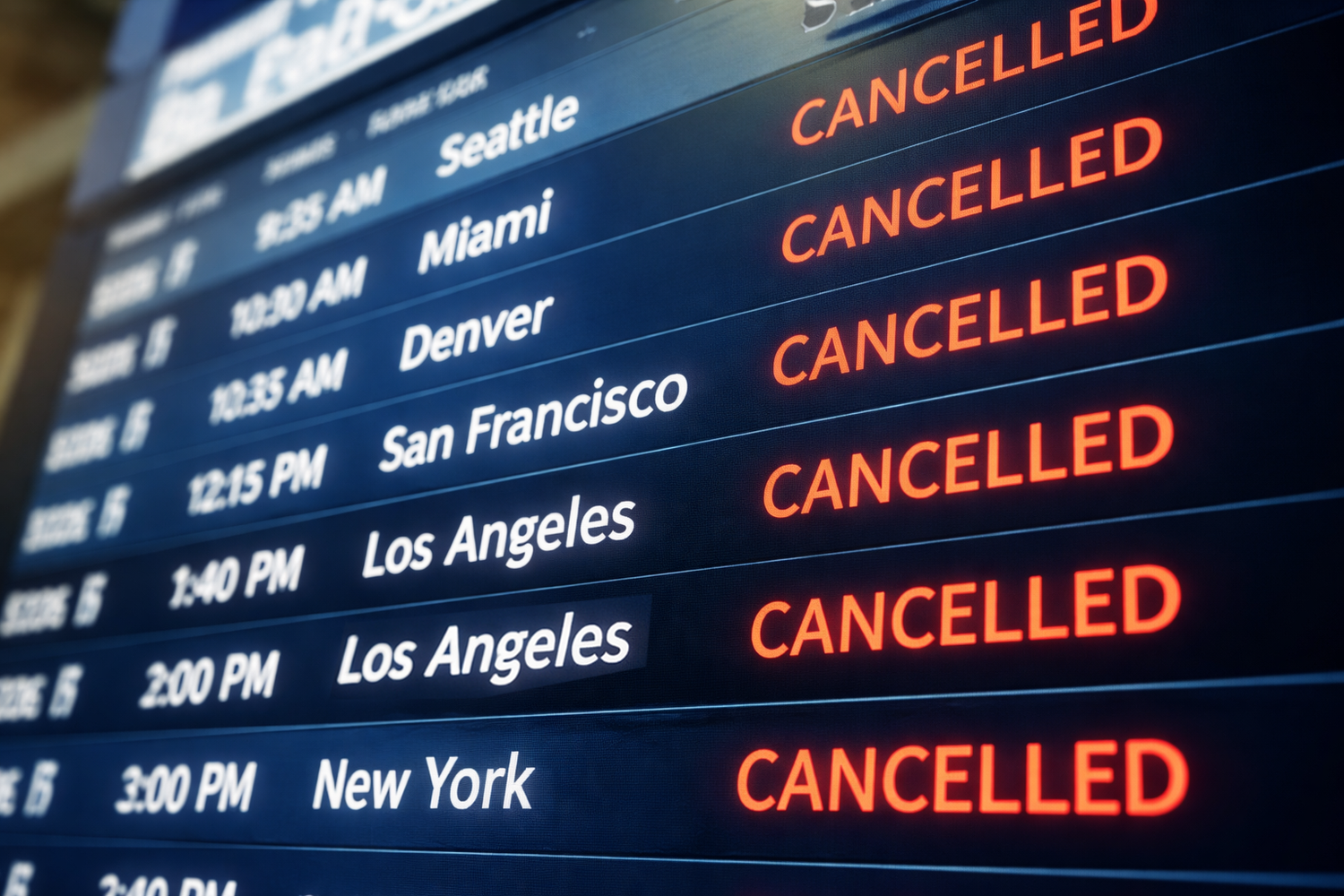
Conflict in or near major air corridors can force rerouting, cancellations, and cascading delays. Travelers sometimes assume that if their destination is safe, they are safe. But travel is a chain: departure airport, transit hub, airspace, connecting country, arrival city, and local ground movement. Any link can break.
Does it cancel flights?
No. A State Department Worldwide Caution is not an order to airlines, foreign governments, or border agencies.
- Airlines decide routes based on security assessments, insurance, crew rules, and airspace restrictions.
- Foreign governments decide entry rules, curfews, emergency measures, and border operations.
- The State Department is communicating risk and advising U.S. citizens how to act inside that risk.
That said, alerts like this tend to travel with fast-changing conditions. You can wake up to a perfectly valid ticket and still find your route rerouted, your connection cancelled, or your transit airport surrounded by demonstrations.
Global vs. local risk
The point of the word worldwide is that the caution is not geographically limited. The State Department’s message is that Americans should exercise heightened caution globally because the risk of protests, anti-U.S. sentiment, and terrorism can increase in multiple regions at once.
But worldwide does not mean equal risk everywhere. The practical way to read it is:
- Highest sensitivity: areas in and around the Middle East and key transit corridors connected to the conflict.
- Secondary impact: major global cities where demonstrations are more likely near diplomatic sites, airports, and tourist centers.
- Universal advice: keep documents ready, avoid demonstrations, monitor local news, and ensure you can be reached in an emergency.
If you are abroad
If you are reading this from a hotel room, a dorm, or a friend’s couch overseas, the goal is not panic. The goal is preparedness you can execute quickly.
Step 1: Use STEP
The State Department urges Americans to enroll in the Smart Traveler Enrollment Program (STEP), which helps the nearest U.S. embassy or consulate contact you with security updates and makes it easier for family to locate you in an emergency.
Step 2: Tighten your grab-and-go basics
- Verify your passport is accessible, not locked away where you cannot retrieve it quickly.
- Keep printed copies and secure digital backups of your passport ID page, visa, and travel insurance information.
- Write down the local emergency number and the contact details for the nearest U.S. embassy or consulate.
Step 3: If your passport is lost or expiring
Do not wait for the situation to get worse. Contact the nearest U.S. embassy or consulate and ask about emergency passport options and current processing times. During major crises, staffing and appointment availability can tighten, so “I will handle it tomorrow” is a risky plan.
Step 4: Avoid demonstrations
This advice can sound overbroad until you have watched a normal street corner become a choke point. Avoid protest routes, embassy districts, and large political gatherings. If you stumble into one, leave early and calmly.
Step 5: Update your movement and digital habits
- Keep your phone charged; carry a power bank if you have one.
- Download offline maps and make sure you can access key addresses without data.
- Check your carrier’s roaming and have a backup way to communicate (local SIM, messaging app, or a trusted contact plan).
- Vary predictable routines if you are staying long-term, and use well-lit, well-traveled routes.
- Do not advertise your nationality in tense moments. That is not about shame. It is about reducing attention.
If you travel soon
This is where people misread government language. A Worldwide Caution does not mean you must cancel. It means you should make a decision that assumes volatility is part of the trip.
Check three things
- Your destination’s Travel Advisory level (Levels 1 to 4) and any specific security alerts.
- Your routing, especially layovers and overflight paths that might be affected by regional instability.
- Your cancellation and rebooking terms with airlines, hotels, tours, and credit card travel protections.
Do you have slack?
If your plan has zero flexibility, like a tight wedding itinerary, a cruise embarkation, a medical appointment, or a job start date, ask whether you can absorb delays, reroutes, or last-minute reshuffling of plans. The caution is as much about resilience as it is about danger.
Insurance
Not automatically, but it can matter. Travel insurance is contract language, not vibes.
- Trip cancellation coverage usually requires a covered reason. Simply feeling uncomfortable usually is not one of them.
- Cancel for Any Reason (CFAR) policies, if you bought them, tend to offer partial reimbursement but must be purchased early and follow strict timing rules.
- Government advisories can trigger coverage in some policies, but many tie that trigger to country-specific Level 3 or Level 4 advisories, not a general global caution. Policy language varies widely.
Before you cancel, read the definitions section of your policy and look for phrases like Travel Advisory, government authority, foreseeable events, and known events. If you used a credit card for the trip, check that card’s travel protections separately.
The constitutional angle
USConstitution.net exists for the moments when civic power becomes personal. A Worldwide Caution is a good example because it looks, at first glance, like a command. It is not.
Warnings are speech
The federal government can publish alerts, assess risk, and advise citizens. That is part of its foreign affairs and national security function. But an alert is not the same thing as a legal prohibition. Unless there is a separate legal restriction, Americans generally retain the ability to travel internationally.
Consular help has limits
One of the most misunderstood realities of citizenship is that the U.S. government cannot simply override foreign law. Embassies can assist, communicate, and advocate. They cannot provide legal representation, force a local prosecutor to drop charges, or compel a foreign airport to reopen.
That is why the State Department’s checklist is so practical: documents, contacts, local awareness, and STEP enrollment. It is the government being honest about the limits of what it can do quickly when multiple crises compete for resources.
Quick answers
Is this “Do Not Travel”?
No. Do Not Travel is Level 4 and is issued country-by-country. A Worldwide Caution is broader and functions as a heightened-caution overlay.
Will I be forced to come home?
No. But you should be ready for conditions that make leaving harder than expected, including flight disruptions and strained consular capacity.
Should I avoid U.S. embassies and consulates?
If demonstrations are occurring nearby, yes, avoid the area. In general, know where your nearest embassy or consulate is, but do not treat it as a tourist stop during periods of heightened tension.
What is the most useful thing I can do today?
Read the official alert on travel.state.gov, enroll in STEP if appropriate, and make sure you have your passport, key documents, and emergency contacts ready to move.
The bottom line
A Worldwide Caution is not a headline designed to scare you into staying home. It is the U.S. government acknowledging that geopolitical shock can produce sudden risk and sudden friction, even far from the front page of the conflict.
Read it the way it is meant: as an instruction to tighten your margin for error. Avoid demonstrations. Monitor local updates. Keep documents ready. And if your trip is optional, ask a sober question that has nothing to do with bravery and everything to do with planning: if conditions change overnight, can my travel plans change with them?