Governments talk about waste, fraud, and abuse the way people talk about dieting. Everyone agrees it matters. Everyone promises they are finally getting serious. Then the incentives stay exactly what they were.
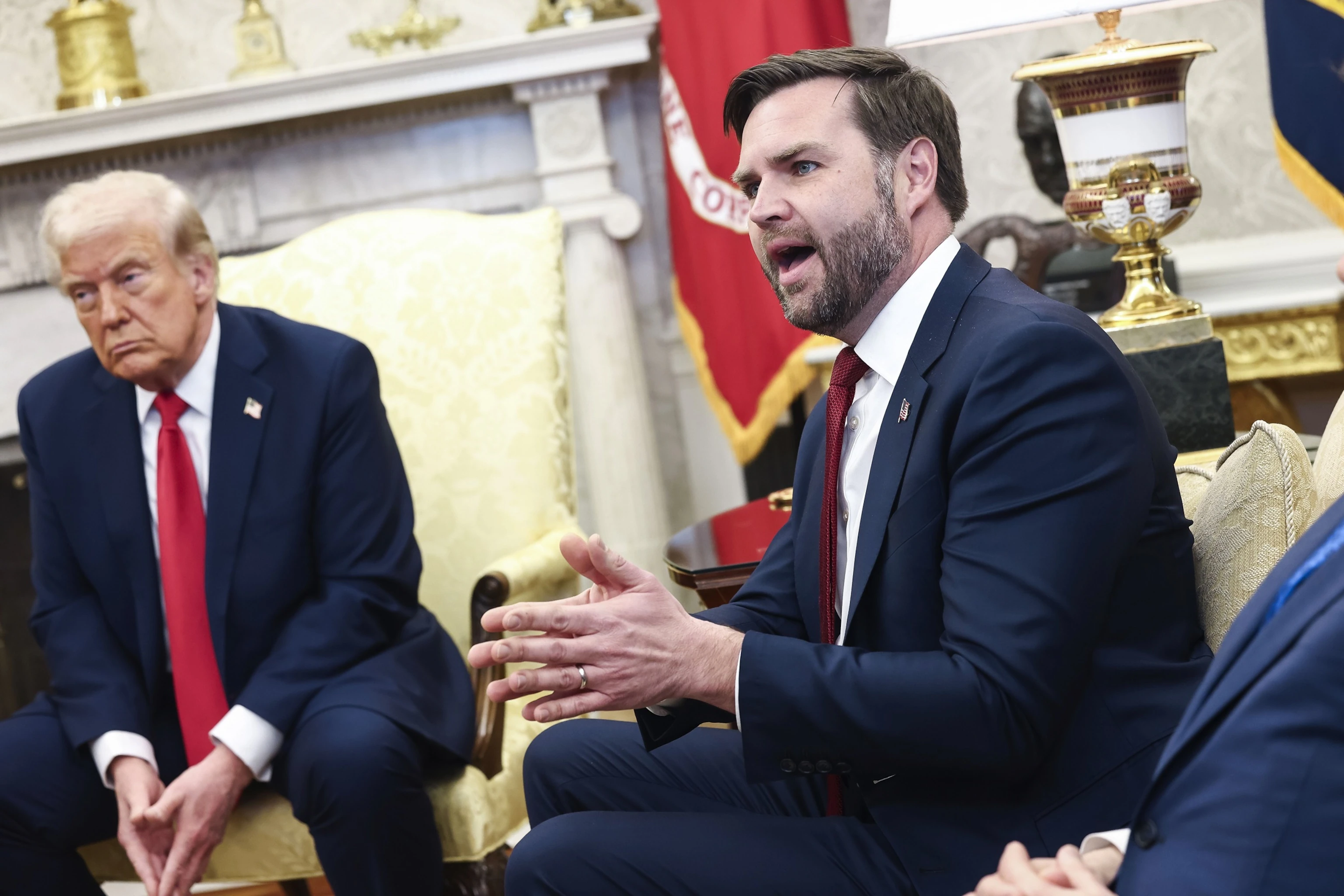
On Tuesday afternoon, President Donald Trump and Vice President JD Vance plan to put a price tag on seriousness.
They are set to unveil a $25 million Fraud Whistleblower Incentive Program, designed to pay Americans who provide information that helps the federal government successfully pursue taxpayer fraud cases. Eligible tips can earn rewards of up to $30,000 when they result in a successful fraud conviction or a significant federal enforcement action.
Join the Discussion
What it is
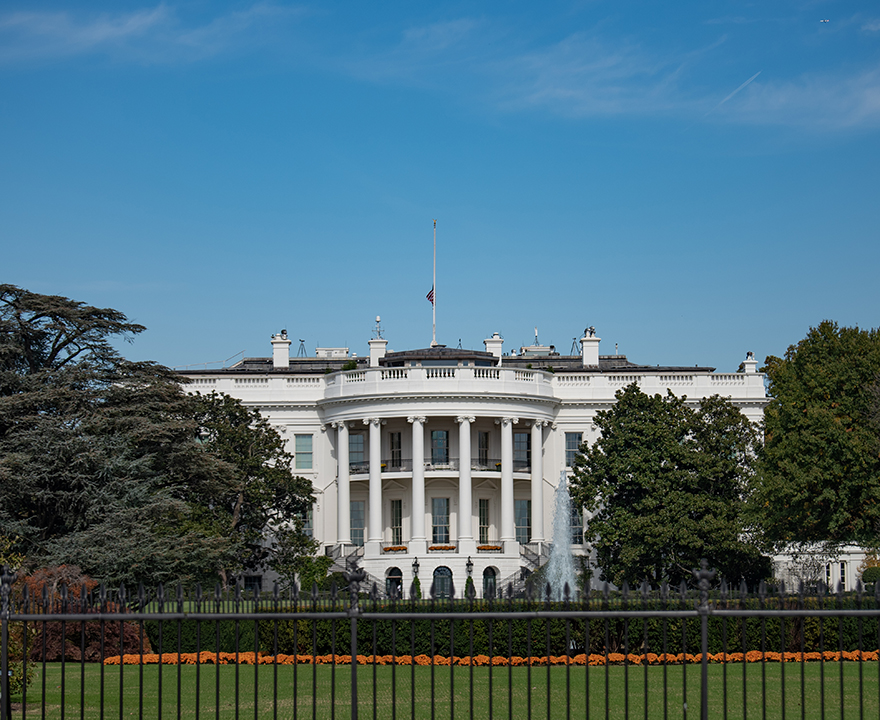
The administration is calling the initiative the Fraud Whistleblower Incentive Program (WHIP). It is scheduled to be announced Tuesday afternoon in the Oval Office alongside the Task Force to Eliminate Fraud.
The core structure is straightforward: the federal government is reserving $25 million to pay rewards to people whose information helps produce concrete enforcement outcomes.
How to submit a tip
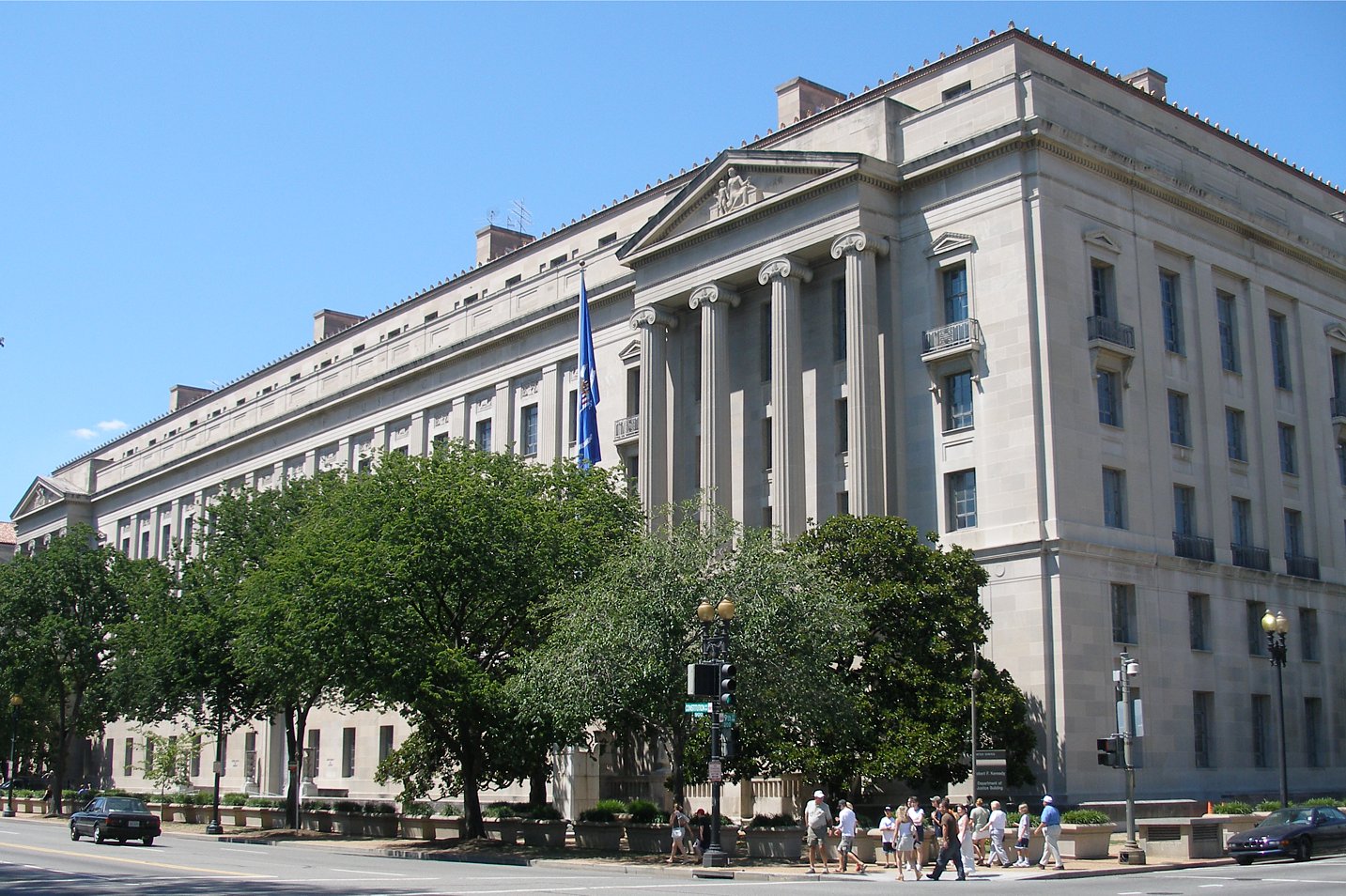
The Justice Department will administer WHIP, and Americans will be able to submit tips through fraud.gov.
The initiative aims to encourage both independent journalists and everyday Americans to flag suspected schemes involving taxpayer money.
Who can get paid
Here is the bright line the administration is drawing: submitting an allegation alone does not qualify someone for payment.
To be eligible for a reward, the information has to lead to one of two endpoints:
- A successful fraud conviction, or
- A significant federal enforcement action
How it fits the broader push

The reward initiative adds a public tip incentive to the administration’s broader campaign against fraud in federal benefits programs.
Trump established the Task Force to Eliminate Fraud in March, with Vance serving as chairman. The executive order directed the group to coordinate efforts across federal agencies to uncover fraud, strengthen eligibility checks, and prevent improper payments.
Why Nick Shirley is involved
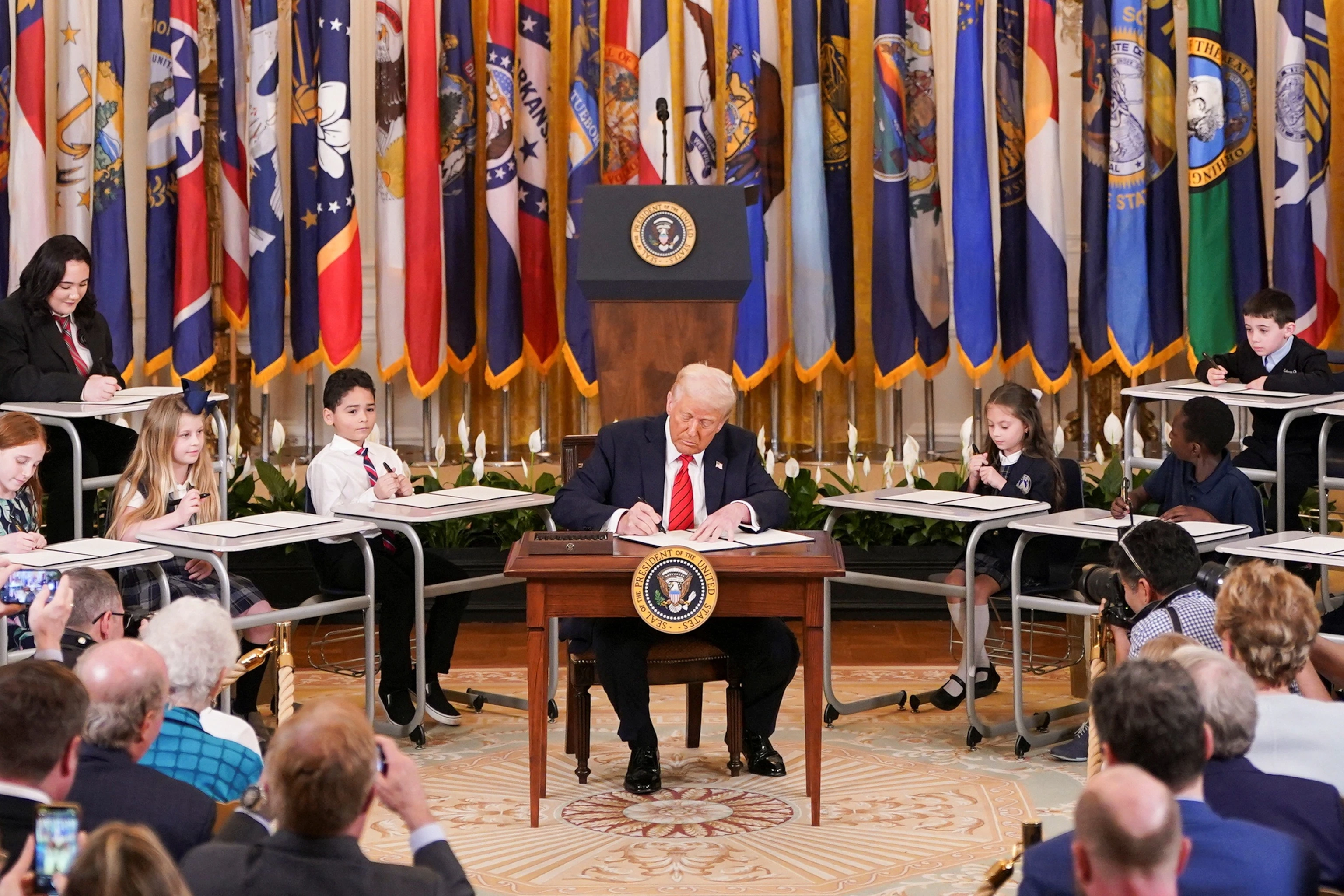
Alongside the WHIP announcement, Trump also plans to present independent journalist Nick Shirley with a $10,000 check tied to his work exposing suspected fraud in Minnesota.
Shirley drew national attention in December 2025 after publishing a video questioning whether several Somali-run Minnesota daycare centers were operating as legitimate businesses. The video showed apparently empty facilities and included people who said they had not seen children at the locations.
The White House has credited Shirley’s reporting with helping spur a surge of FBI and Department of Homeland Security resources into Minnesota, followed by investigations, arrests, and new charges.
One facility featured in the video was Future Leaders Early Learning Center. Prosecutors said its former CEO, Fahima Egeh Mahamud, stole more than $4.6 million through false child care assistance claims and $850,000 through a federal child nutrition program connected to the Feeding Our Future scandal. Mahamud pleaded guilty in July to wire fraud and conspiracy to defraud the United States.
Shirley has described those outcomes as validation of his reporting, saying: “Well, numbers don't lie, and convictions don't lie either.”
What to know now
For now, the main contours of WHIP are clear: a $25 million pool for rewards, up to $30,000 per eligible tip, submissions routed through fraud.gov, and eligibility tied to results like a conviction or a significant federal enforcement action.
The administration is framing the rollout as a warning to people who misuse taxpayer dollars and an invitation to the public to help bring actionable fraud tips forward.