
Oversight hearings are supposed to be boring. That is the point. In a healthy system, the drama lives outside the committee room, and inside you get the unglamorous work of answers, records, and measurable performance.
Sometimes, though, the dullness breaks.
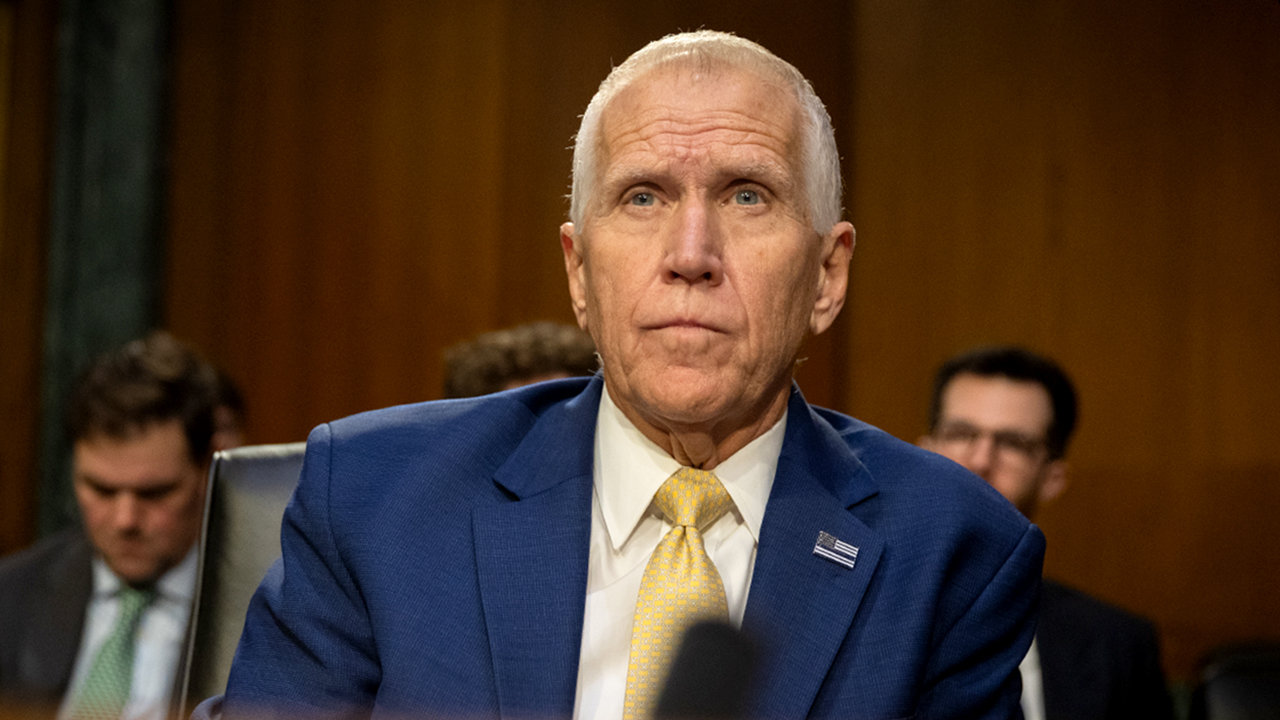
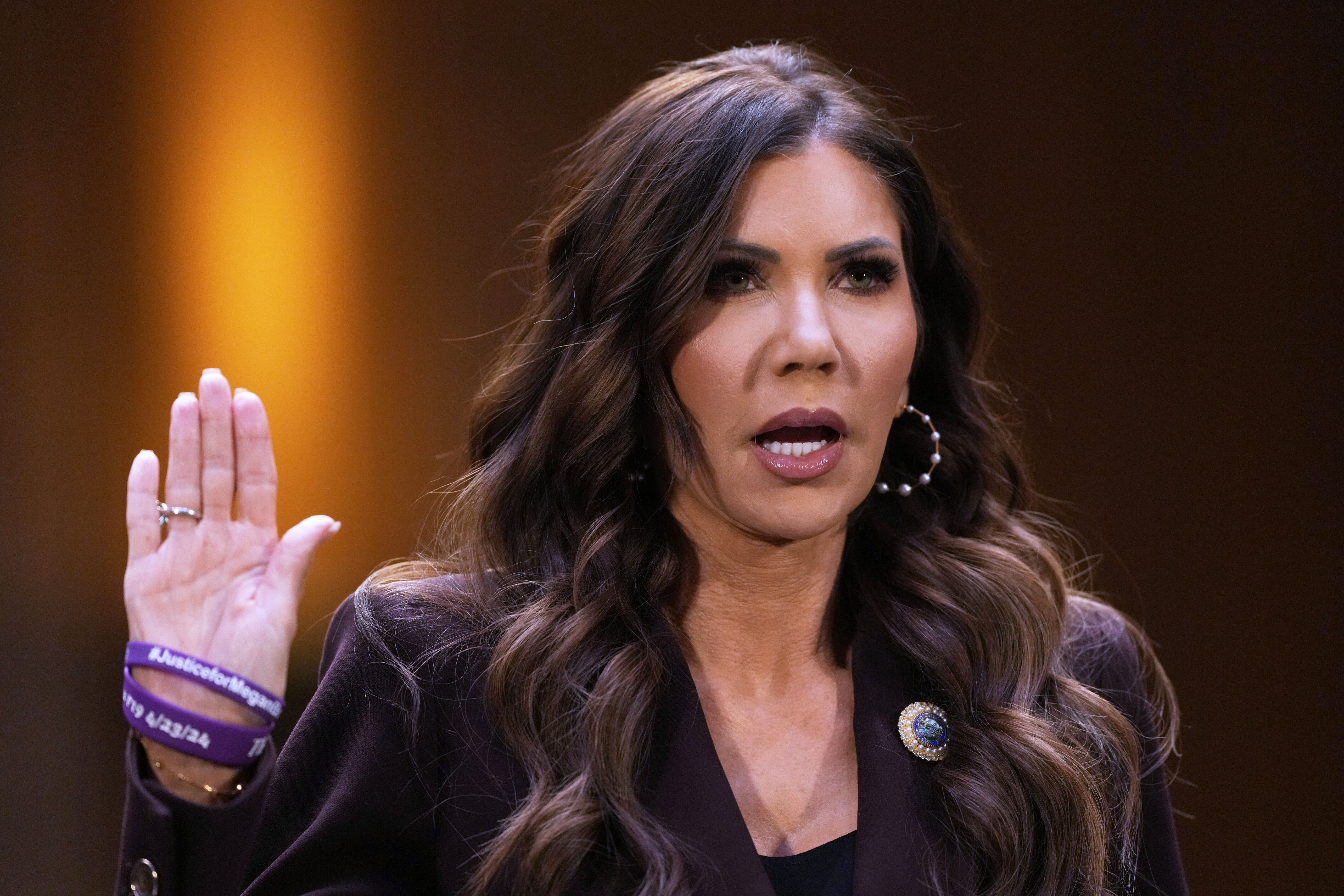
In a Senate hearing, Sen. Thom Tillis confronted Department of Homeland Security Secretary Kristi Noem and called her leadership a “disaster.”
Join the Discussion
What happened
The clearest takeaway is the language Tillis chose for Noem’s leadership: “disaster.” In an oversight setting, that kind of label is not just venting. It is a way of putting a leadership judgment on the record, where it can be returned to in later hearings, letters, and votes.
Moments like this also tend to shift the center of gravity in a hearing. Broad reassurances are less likely to satisfy. The pressure moves toward specifics that can be checked later.
What Tillis signaled
Calling a Cabinet secretary a “disaster” functions as a sweeping rebuke. It frames the dispute as one about management and outcomes, not messaging, not personality, not optics.
When a lawmaker uses a phrase like that in public oversight, the next step is often predictable: questions that map responsibility. Who made the call, what was the rationale, what changed afterward, and what standards will be used to claim improvement.
Noem under pressure
Noem was the witness, and DHS is a sprawling department with responsibilities that no secretary can personally touch end to end. That reality is exactly why oversight hearings so often focus on leadership. Congress is testing whether priorities are clear, whether the chain of command is coherent, and whether commitments can be audited later.
Even without getting into policy details, the basic civic logic is straightforward: if lawmakers believe a department is failing, the person at the top is where they try to pin down accountability.
Why it matters
The Constitution does not use modern vocabulary like dashboards or KPIs. But it does build a government where executive power is not self-justifying.
Congress writes the laws, funds the work, and conducts oversight. The executive branch executes the laws through departments like DHS. That division looks clean on paper. In real life it creates friction, because once a large bureaucracy is in motion, oversight is one of the few levers legislators can pull in public and in real time.
The deeper question raised by a confrontation like this is not who scored points. It is whether Congress can get clear, usable explanations of how a department is being run, and how success and failure are being defined.
Why the theater counts
It is easy to roll your eyes at a senator and a Cabinet secretary sparring on camera. But oversight is one of the few places where the separation of powers becomes visible to ordinary citizens.
Courts review particular cases. Inspectors general investigate specific misconduct. Internal compliance offices write reports. Congress has a different role: it can demand answers publicly and directly from the person ultimately responsible for how a department is led.
Even a hostile moment can serve a civic purpose if it forces clarity. Not just assurances, but commitments that can be checked later, supported by documents, timelines, and standards that the public can understand.
What comes next
“Disaster” is a phrase built to travel. Oversight only matters, though, if it continues after the cameras move on.
The real test is follow-through. That can mean written questions, document requests, measurable benchmarks, and sustained attention. A sharp rebuke can signal a problem. Accountability requires a trail that can be revisited.