
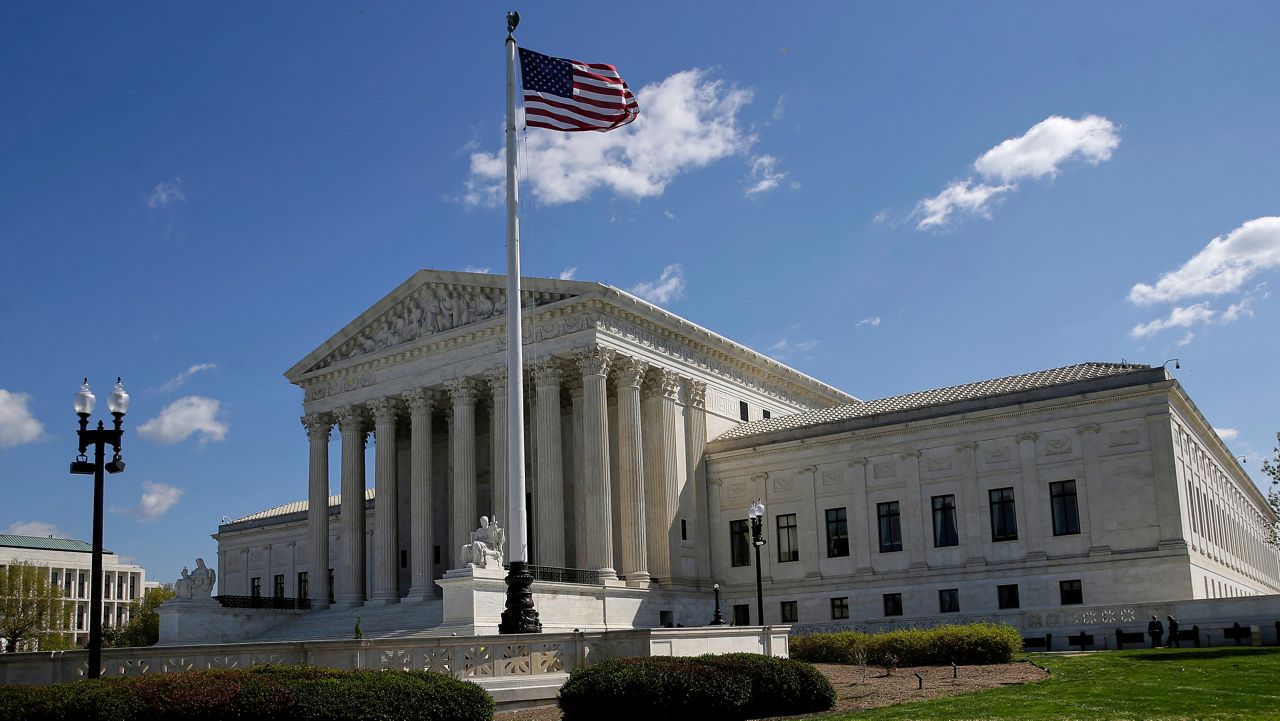
The Supreme Court is considering a question that comes up again and again in modern product litigation: when a product is regulated at the federal level, how much room is left for state lawsuits claiming the warnings were not strong enough?
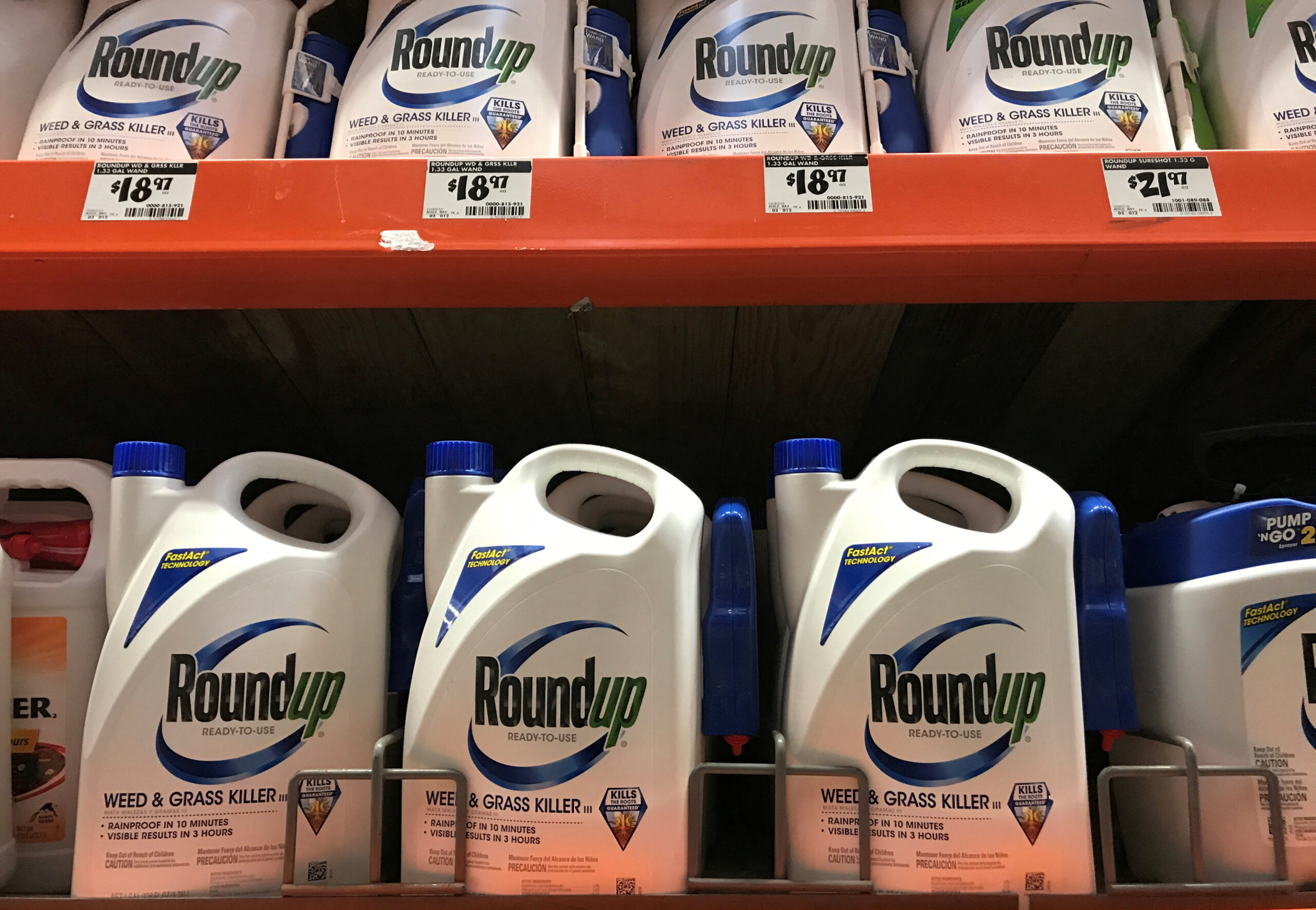
This time, the product is Roundup, a widely used weed killer. The case could determine whether tens of thousands of cancer-related claims can keep moving through state courts and it may also signal how welcoming the Court will be to large, coordinated lawsuits involving a single product used by many people.
Join the Discussion
What the Court is deciding (and what it is not)
It helps to separate two issues that often get blended together in public debate.
- Not directly on the table: a broad scientific verdict from the Court on whether Roundup causes cancer.
- Directly on the table: whether federal pesticide-labeling law prevents state juries from holding the manufacturer liable for allegedly failing to warn about cancer risk.
The legal concept doing most of the work here is federal preemption. Under the Supremacy Clause, federal law can override state law in certain areas. In practice, preemption fights often boil down to this: if a federal agency approves a label, can a state still say that label was not enough and award damages?
The Roundup case in plain terms
The case arises from a Missouri lawsuit brought by John Durnell, who used Roundup while working in parks in the St. Louis area for about 20 years and was later diagnosed with non-Hodgkin lymphoma. A jury awarded him $1.25 million after concluding that Monsanto did not adequately warn about the alleged cancer risk.
Monsanto is now owned by Bayer. The company is facing more than 100,000 Roundup-related claims and has set aside around $16 billion to address them. Roundup has been removed from the consumer market, but it is still sold for agricultural use.
The law at the center: FIFRA and the EPA’s role
The company’s argument rests on a federal statute called the Federal Insecticide, Fungicide, and Rodenticide Act, often shortened to FIFRA. FIFRA creates a national system for pesticide regulation, including label approval overseen by the Environmental Protection Agency.
In this dispute, the manufacturer points to the EPA’s repeated statements that glyphosate, Roundup’s active ingredient, does not cause cancer. If the EPA has signed off on the label and does not require a cancer warning, the argument goes, then a state jury should not be allowed to punish the company for following the federal label regime.
That is the essence of a preemption claim: state tort suits can function like an alternate regulatory system, one that pressures companies to add warnings that federal regulators have not required.
Why the justices sounded divided
From the questions at oral argument, the Court appeared pulled in two directions.
The “one national label” concern
Some justices focused on the practical problem of a 50-state patchwork. If different states, through jury verdicts, effectively require different warnings, a company could face conflicting obligations. That concern fits with FIFRA’s design as a national labeling program. Justice Brett Kavanaugh pressed on how a regulated company is supposed to operate if its label is effectively rewritten by state-by-state litigation.
The “lawsuits expose risks” concern
Other justices emphasized that civil liability can surface information regulators may not see, or at least may not prioritize. Justice Ketanji Brown Jackson raised the idea that the threat of lawsuits can incentivize manufacturers to bring more complete information to the agency in the first place.
The timing problem Chief Justice Roberts pointed to
Chief Justice John Roberts homed in on what happens while the federal review process plays out. He asked a government lawyer: “Throughout that long process, in response to information that suggests there is a risk that's not on the label, the states cannot do anything?” That question gets at a common anxiety in preemption cases: if federal review is slow or ongoing, does preemption leave injured people with no meaningful remedy in the meantime?
Why this matters beyond Roundup
Even if you have never bought Roundup, the structure of this case should feel familiar. Many products are regulated federally, including drugs, medical devices, consumer chemicals, and vehicles. When large groups sue over a widely used product, courts often have to decide whether the lawsuits are a legitimate backstop for safety, or an end-run around federal regulators.
If the Court strengthens preemption here, the ripple effect could make it harder for large groups of plaintiffs to pursue state-law “failure to warn” claims in other heavily regulated areas. If the Court rejects preemption, mass tort litigation remains a potent tool for coordinating claims across the country, even when a federal agency has approved labeling language.
The politics and public stakes
The federal government’s stance in the case changed with the administration. The current administration sided with Bayer, reversing the position taken previously. While the Supreme Court is not supposed to follow political winds, shifts like this do matter because the government often shapes how the justices think about an agency’s authority and the real-world consequences of a ruling.
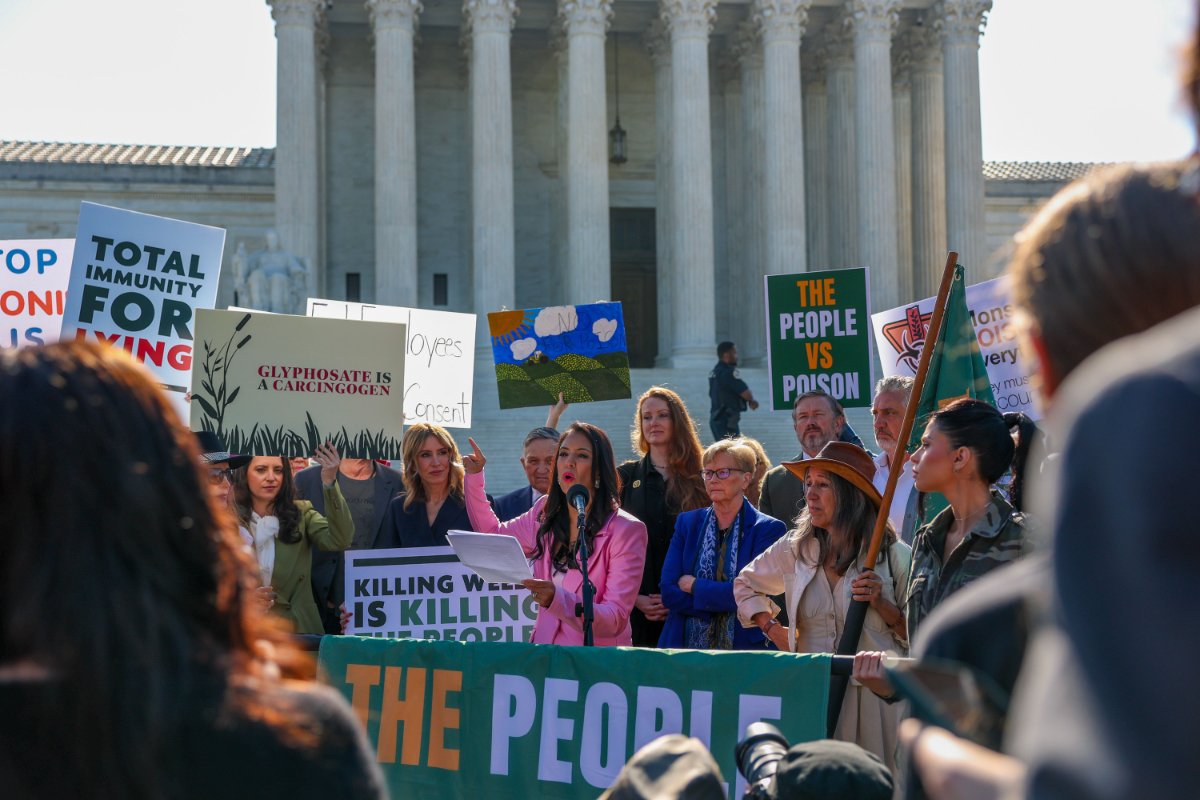
Outside the courtroom, the broader stakes were on display. Farm groups warned that losing access to glyphosate could have serious consequences for food production, while environmental and health advocates urged the Court not to create what they view as a form of immunity for a product they consider dangerous.
What to watch for in the decision
The Court is expected to rule by the end of June. When it does, readers should look past the headline and scan for a few key details that will tell you how big the decision really is:
- How broadly the Court defines preemption under FIFRA. A narrow ruling could focus on the specifics of Roundup’s label history. A broad ruling could reshape many pesticide cases at once.
- Whether the Court treats damages awards as “requirements.” Preemption often turns on whether a jury verdict effectively imposes a labeling requirement different from federal law.
- What the Court says about the gap between new risk information and agency action. That timing issue may determine whether states can serve as a backstop while federal review continues.
In everyday terms, the Court is deciding who gets the last word on warnings: federal regulators through a national label, or state juries through after-the-fact accountability. The answer will shape not only the future of Roundup litigation, but also the practical path for large groups of people trying to sue when they believe a widely used product harmed them.