
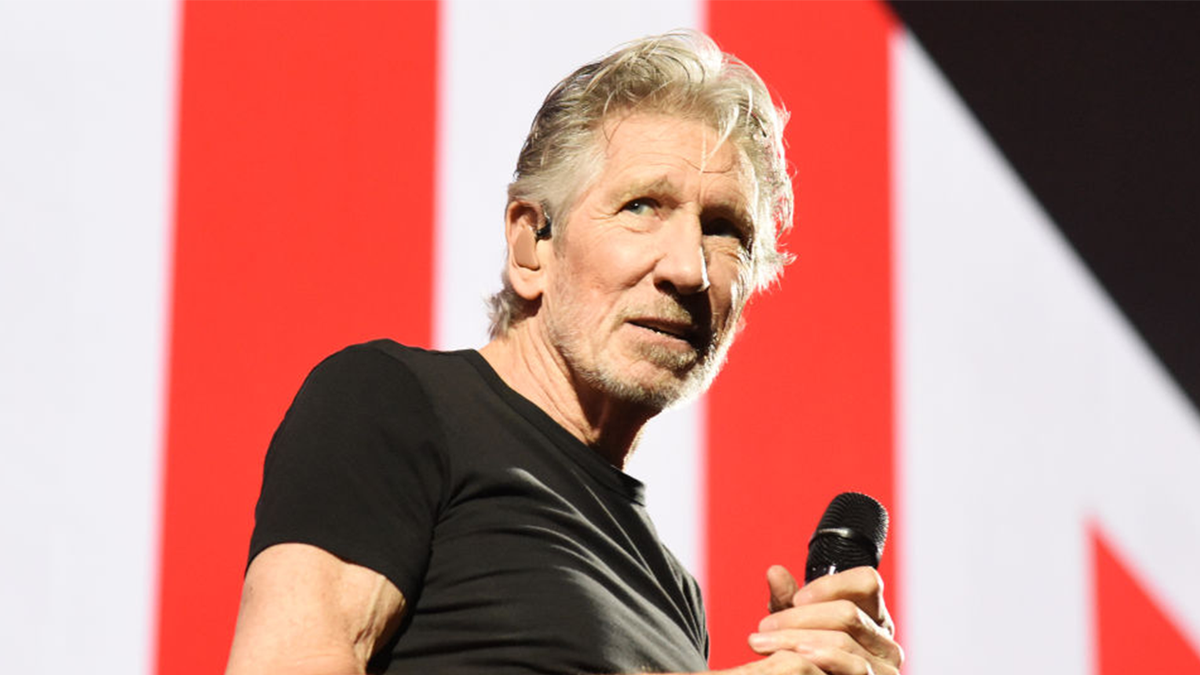
Roger Waters has always understood something most public figures try to avoid: controversy is not a side effect of politics, it is the fuel. But his July 17, 2026 appearance on Tucker Carlson’s show detonated for a different reason. It did not produce one viral moment. It produced two competing viral moments that cannot comfortably live together.
In one clip cluster, Waters presents himself as the target of informal blacklisting, saying he was unable to stay in hotels in Argentina, Uruguay, Ecuador, and Colombia because of pressure tied to his criticism of Israel’s actions in Gaza. In another, he leans into sweeping condemnations of American power, calling the United States “the absolute devil” and defending Venezuelan leader Nicolás Maduro, among other politically radioactive detours.
The result is a rare online pileup where people who agree on almost nothing are fighting over the same interview, each side insisting the other is missing the “real” story.
Join the Discussion
The claim that grabbed the most sympathy: “I couldn’t stay in a hotel”
The cleanest, most shareable story Waters offers is also the most legally interesting. Carlson asks him a pointed question that frames the dispute as a free speech problem: “You couldn’t stay in a hotel…because you criticized Israel?!” Waters answers: “Yes.”
Waters’ broader claim is that hotel access was denied across multiple countries because political pressure, which he describes as coming from the “Israel Lobby,” was applied to make him untouchable. That is a powerful narrative because it shifts the battlefield away from the merits of his views and toward the mechanics of punishment. Not a debate, a choke point.
Why a hotel denial hits differently than a canceled venue
People are accustomed to seeing artists lose gigs or face protest campaigns. Lodging is different. If you are traveling for work, lodging is infrastructure. Denying it feels less like “the marketplace of ideas” and more like restricting movement through private control of essential services.
That is why the claim is resonating with civil-liberties minded audiences who might not otherwise be inclined to rally around Waters. The frame is not “Do you like what he said?” It is “Should a political campaign be able to make ordinary commerce inaccessible to a person?”
What can be verified from the outside
From the public record available right now, the core facts are these: Waters said, on camera, that he was denied hotels in four named countries and that he attributes that denial to organized political pressure arising from his Israel and Gaza criticism.
What is not automatically established by the statement itself is the chain of causation: which hotel brands, which properties, which communications, and which decision-makers. Hotel bans can be the result of many forces that look similar from the outside, including security concerns, brand risk calculations, local political relationships, or contractual conflicts tied to events.
In other words, the story is plausible as a form of informal sanction, but it is not self-proving. It is the kind of claim that becomes solid only when it is pinned to names, emails, policies, or confirmations from the businesses involved.
The second storyline: Waters as America’s accuser
The same interview that casts Waters as a target of censorship also supplies his critics with a different headline entirely: he calls the United States “the absolute devil.”
That phrase matters because it is not a policy critique. It is moral absolution in reverse. Once you describe a country as the “absolute devil,” you are not arguing that it has made harmful choices. You are arguing that it is, in its essence, illegitimate.
From a constitutional culture standpoint, that language trips a wire. Not because the First Amendment forbids it (it does not), but because Americans tend to interpret that kind of claim as an attack on the people rather than the government, even when the speaker insists he is condemning foreign policy or institutions.
Maduro, and why that escalates the backlash
Waters’ comments defending Nicolás Maduro intensified the reaction because they place him in the role of apologist for a leader widely condemned by Maduro’s opponents as authoritarian. That shifts criticism of Waters from “he’s anti-war” to “he’s rationalizing repression,” a far more damaging accusation in American political discourse.
Once that perception locks in, the hotel story becomes secondary for critics. If they conclude Waters is endorsing anti-democratic power abroad while condemning America at home, they read the interview not as a censorship controversy but as a platforming controversy.
Why the same interview is being used by opposite coalitions
This is the unusual alchemy of the Waters-Carlson sit-down: it produces a free speech parable and a loyalty test at the same time.
- Supporters foreground the hotel claim because it paints Waters as a person punished for political speech and activism related to Israel and Gaza.
- Critics foreground the “absolute devil” line and Maduro defense because it paints Waters as an extremist who despises the U.S. and excuses illiberal regimes.
Each coalition is selecting the segment that helps it litigate a broader argument it already wanted to have. The hotel story is a proxy fight over the power of organized political pressure in private markets. The “absolute devil” story is a proxy fight over patriotism, anti-Americanism, and where populist media draws its line.
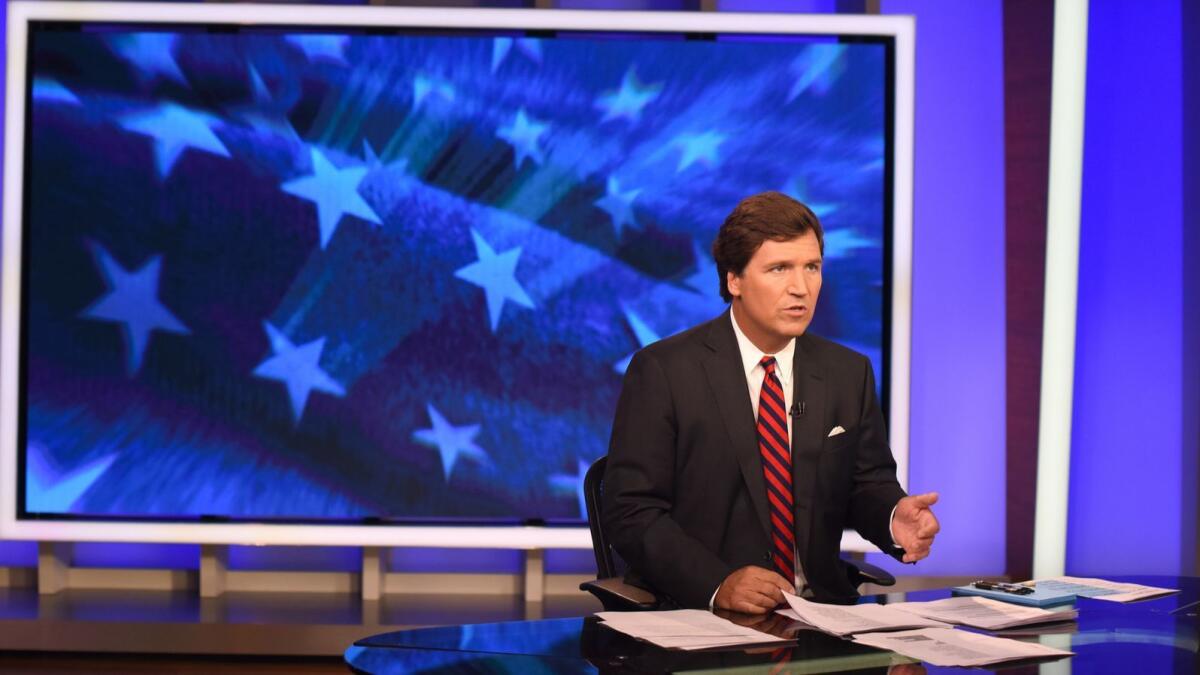
The constitutional question hiding in plain sight
When people say “censorship,” they often mean two very different things. The Constitution only directly addresses one of them.
1) Government censorship (the First Amendment’s core)
The First Amendment constrains the government. If a federal agency, a state, or a city blocks your speech because of your viewpoint, that triggers constitutional scrutiny. That is the classic civics textbook scenario.
2) Private retaliation and informal blacklisting (real, but different)
A hotel is usually a private actor. A concert promoter is usually a private actor. A platform is usually a private actor. Those entities can be influenced, pressured, or even bullied, and that can feel like censorship to the target. But it is not automatically a First Amendment violation unless the government is involved in a legally meaningful way.
The Waters claim lives in that second category as presented. If the alleged pressure campaign is purely private, it is best described as market-based punishment or informal blacklisting, not state censorship. If government officials were involved in directing or coercing denials, then the constitutional analysis changes dramatically.
That is why the “is it true?” question is not just gossip. It determines whether we are talking about reputational blowback, coordinated private pressure, or state action wearing a private mask.
What the hotel-ban claim would need to become more than a viral anecdote
If Waters or others want the hotel story to stand as a public record rather than an internet morality play, a few details matter:
- Which hotels and which dates in Argentina, Uruguay, Ecuador, and Colombia.
- What form the denial took: reservation canceled, booking refused, security directive, or third-party booking blocked.
- Stated reasons, if any, offered by management or corporate offices.
- Any documentation: emails, written policies, recorded calls, or statements from hotel representatives.
- Any involvement by public officials or government-linked entities that could transform the situation into a state action question.
None of this is required for a person to recount his experience. It is required for the public to reliably distinguish between a coordinated campaign and a series of individual business decisions responding to controversy.
Why Carlson was the accelerant
Waters could have said many of these things on many platforms. The Carlson venue matters because it guarantees adversarial interpretation from both directions.
To Waters’ defenders, Carlson’s interest in the hotel story validates it as evidence of political intimidation and viewpoint punishment, even across borders. To Waters’ critics, Carlson hosting him at all looks like laundering radicalism under the banner of “just asking questions.”
That is why the fight is not simply about Waters. It is also about what kind of speech a major political host treats as newsworthy, and what kind he treats as disqualifying.
The durable takeaway
There is a temptation to reduce the entire episode to a single moral: either “Waters is being silenced” or “Waters is an anti-American crank.” The harder truth is that both halves can be partially true at once, and neither automatically cancels the other.
A person can make inflammatory, even reckless, statements and still face disproportionate or coordinated punishment for dissent. A person can also claim censorship in ways that are rhetorically effective but legally murky. The constitutional stakes depend on the mechanism, not the popularity of the speaker.
The question worth keeping open is not whether you like Roger Waters. It is whether informal pressure campaigns are becoming the default way modern politics governs speech, and whether we still know how to tell the difference between the First Amendment’s limits and the private world’s power to make life unlivable without ever passing a law.