
The U.S. Constitution
Archival records, profiles, and educational resources since 1995.
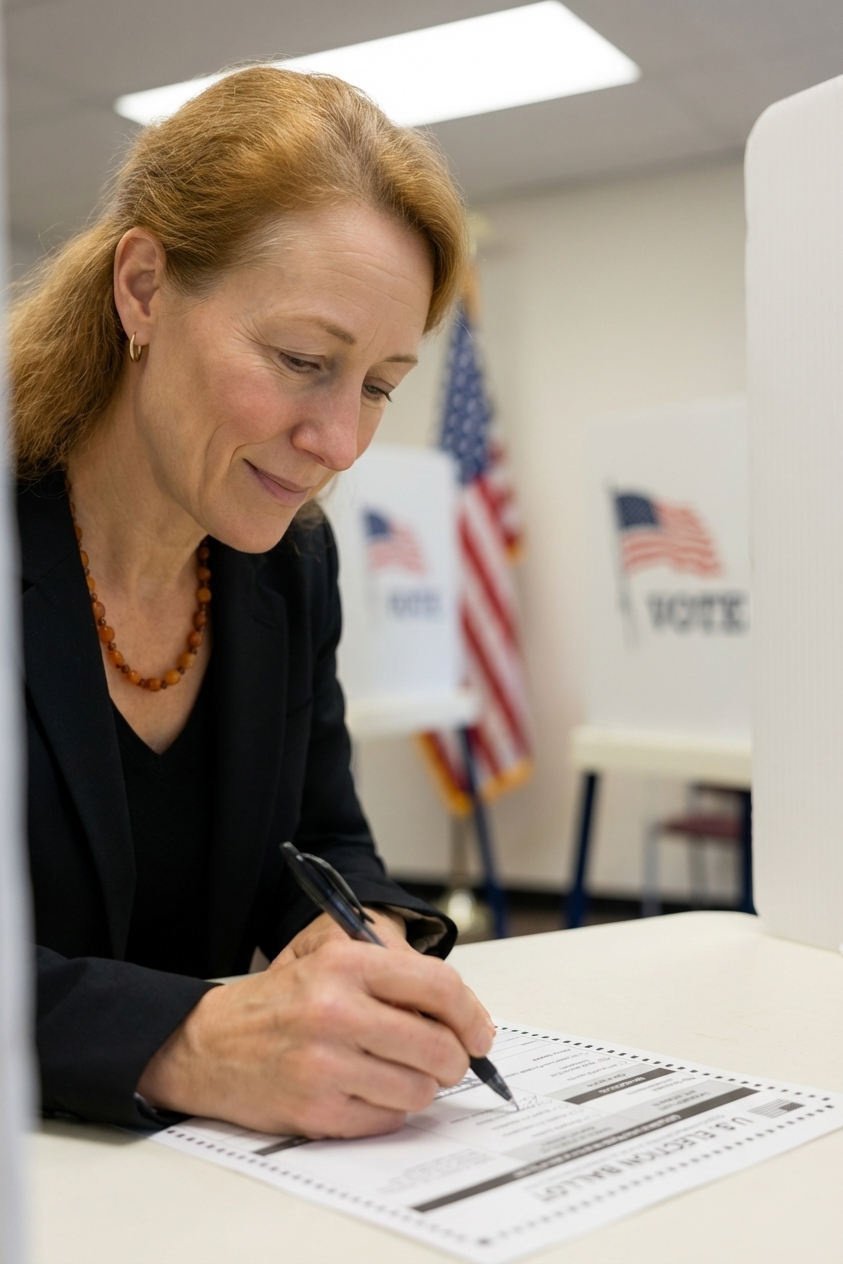
What Is the Electoral College and How Does It Work?
On Election Day in November, Americans cast ballots that decide who will be president. But constitutionally, that is only the first move. The president is not elected directly by a nationwide popular vote. Instead, the Constitution creates an intermediary body called the Electoral College, a...
Read more →
What Is a Grand Jury?
When you hear that someone was “indicted,” it can sound like a judge reviewed the evidence, weighed the arguments, and issued a formal accusation. That is not what happened. In most serious federal criminal cases, an indictment is the product of a grand jury, a group of ordinary citizens...
Read more →
Red Flag Laws Explained
“Red flag law” is one of those phrases that sounds self-explanatory until you try to pin it down. Supporters hear a safety valve. Critics hear a shortcut around the Second Amendment. Both reactions miss something important. Most red flag laws are not criminal prosecutions. They are civil court...
Read more →
Contempt of Congress Explained
Congress cannot pass laws, oversee the executive branch, or expose corruption if witnesses can simply ignore it. That is the basic logic behind contempt of Congress : a set of tools that lets the House or Senate punish or pressure people who obstruct investigations, refuse to testify, or defy...
Read more →
Your Constitutional Rights If You're Arrested
An arrest is one of the few moments in American life when the Constitution stops being an abstract civics lesson and becomes a set of rules that can protect you or fail you depending on what you say next. Most people know two phrases: “You have the right to remain silent” and “You have the...
Read more →
The Alien Enemies Act of 1798 Explained
The Alien Enemies Act sounds like a relic from powdered wigs and quill pens. In reality, it is one of the few laws from 1798 that is still on the books, still usable, and still capable of changing someone’s life overnight. It is also widely misunderstood. It was passed in a moment of national...
Read more →
How the Supreme Court Works
The Supreme Court does not work like television. There is no surprise witness. No dramatic cross-examination. No jury. Most of what matters happens in writing, largely out of public view, and on a schedule that looks more like an academic calendar than a criminal trial. And yet the Court’s...
Read more →
How to Become a U.S. Citizen
Becoming a U.S. citizen is both a legal process and a civic turning point. It is paperwork and appointments, yes, but it is also the moment you move from living under the Constitution to helping steer the republic it creates. Naturalization is run by U.S. Citizenship and Immigration Services...
Read more →
Posse Comitatus Act Explained
There is a reason most Americans get uneasy when they see troops in the streets, even if the troops are calm, disciplined, and “just helping.” In the United States, military power is supposed to face outward. Policing power is supposed to face inward. The Posse Comitatus Act of 1878 is one of...
Read more →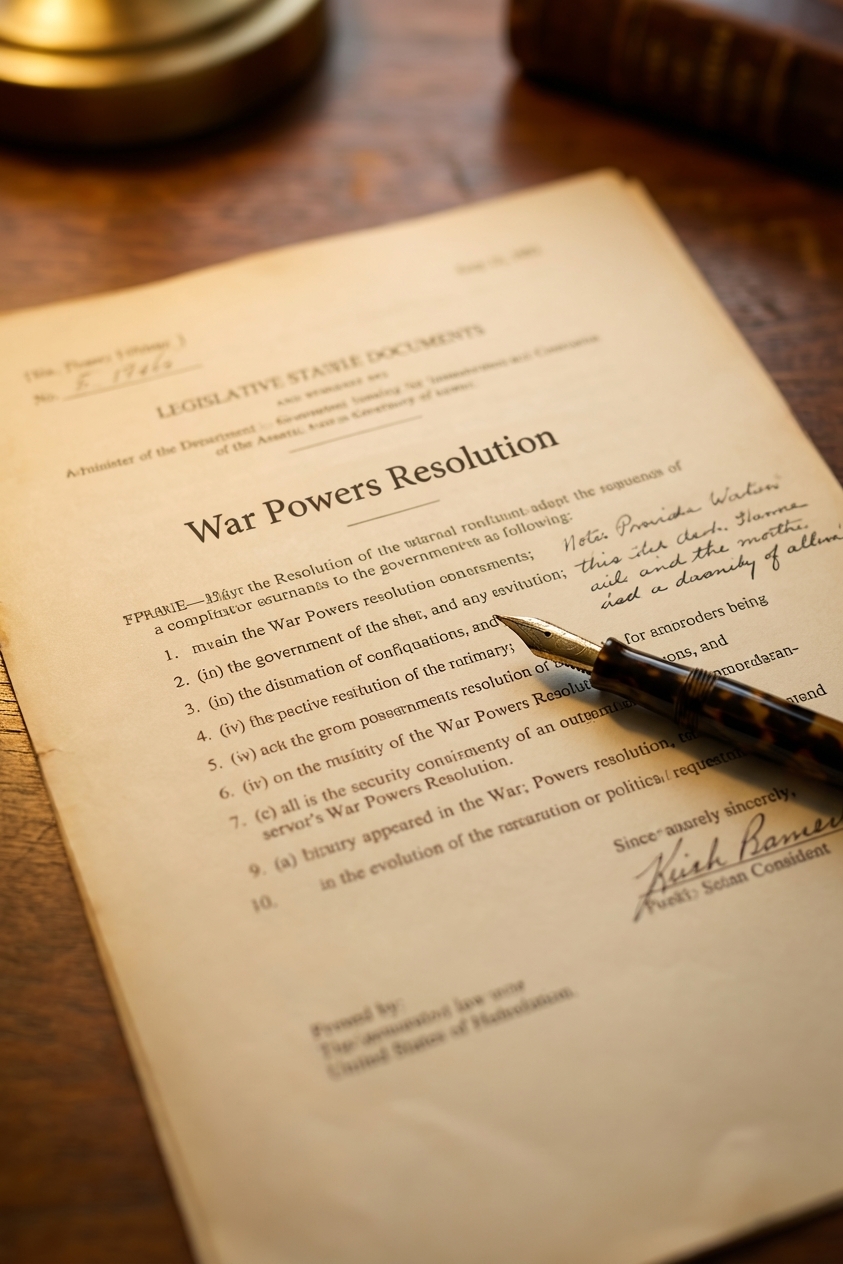
War Powers Resolution Explained
The Constitution gives Congress the power to declare war. The Constitution makes the president the Commander in Chief. Those two sentences look clean on parchment and collide messily in real life. The War Powers Resolution of 1973 is Congress’s attempt to manage that collision. It does not...
Read more →
Qualified Immunity
Qualified immunity is one of those legal phrases that sounds like a technical footnote until you realize it can decide whether a person ever gets their day in court. It comes up most often in lawsuits against police officers, but it applies more broadly to many government officials. When qualified...
Read more →
What Is the Filibuster and How Does It Work?
The filibuster is one of those Washington words that sounds like a dusty procedural relic until it suddenly becomes the main character of American lawmaking. When the Senate “filibusters” a bill or nomination, what is really happening is simple: a minority of senators is using the Senate’s...
Read more →
How Article V Amendments Work
The Constitution is famous for what it protects, but it is just as famous for how hard it is to change. That difficulty is not an accident. Article V is the Constitution’s built-in update mechanism, but it was designed to force broad national agreement before the country rewrites its rules. In...
Read more →
Can a Person With a Felony Conviction Vote? Voting Rights by State
“Can a person with a felony conviction vote?” sounds like it should have one national answer. It does not. In the United States, voting rights after a felony conviction are mostly a state policy choice, and the differences are dramatic. In some states, you can vote even while incarcerated. In...
Read more →
Civil Asset Forfeiture Explained
Civil asset forfeiture is one of those government powers that sounds like a plot device until it happens to you. A traffic stop. A search. A dog alert. A wad of cash in the glove compartment. Then the officer says the words that change the entire posture of the encounter: the property is being...
Read more →
Your Rights During a Police Stop
Most people learn their “rights” from TV: the dramatic warning, the instant lawyer, the clear line between innocent questions and unlawful pressure. Real life is murkier. During a traffic stop or a street encounter, the Constitution gives you powerful protections, but it does not give you a...
Read more →
CPAC Texas and the Fight Over America’s Next Chapter
CPAC has always been part pep rally, part power audit. But in Texas this week, the mood felt less like a routine gathering of conservative celebrities and more like a political war room with stadium lighting. The message from the stage and the crowd was consistent: this is not just another election...
Read more →
Biden-Era Social Media ‘Jawboning’ Curbed in 10-Year Settlement
A decade-long consent decree is reshaping how several federal agencies may interact with social media companies, and it is being celebrated by two Republican-led states as a major First Amendment win. The agreement resolves a lawsuit brought by Missouri and Louisiana, alongside individual...
Read more →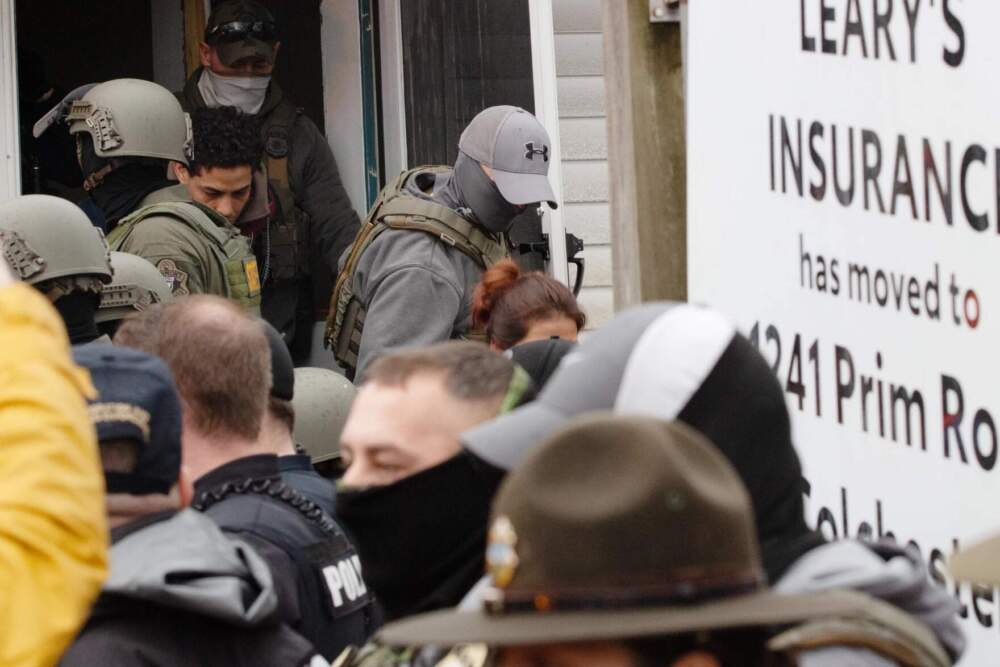
The Supreme Court, a Wristlock, and Qualified Immunity
Here is the uncomfortable question hovering over Zorn v. Linton : When a protester refuses to move, what kind of force can an officer lawfully use to make her move, and when can she sue afterward? On Monday, the Supreme Court did not set a new line for how much force is too much. Instead, it...
Read more →
A Republican Plan to Make Colleges Pay for Student Debt Relief
Student loan politics usually arrives in one of two costumes. Either it is a moral crusade for “forgiveness,” or it is a scolding lecture about personal responsibility. Both scripts are familiar. Neither one starts where serious policy should start: who is being asked to pay, and what...
Read more →