
Midterm elections are the national elections held in the even-numbered year between presidential elections, halfway through a president’s four-year term. They are not a constitutional afterthought. They are one of the most practical ways the Constitution’s design checks power in real time.
Every two years, the country reconsiders who should represent it in Congress. In presidential years, that reconsideration happens alongside the biggest race on the ballot. In midterms, it happens without a presidential contest at the top, but often with enormous consequences.
Join the Discussion
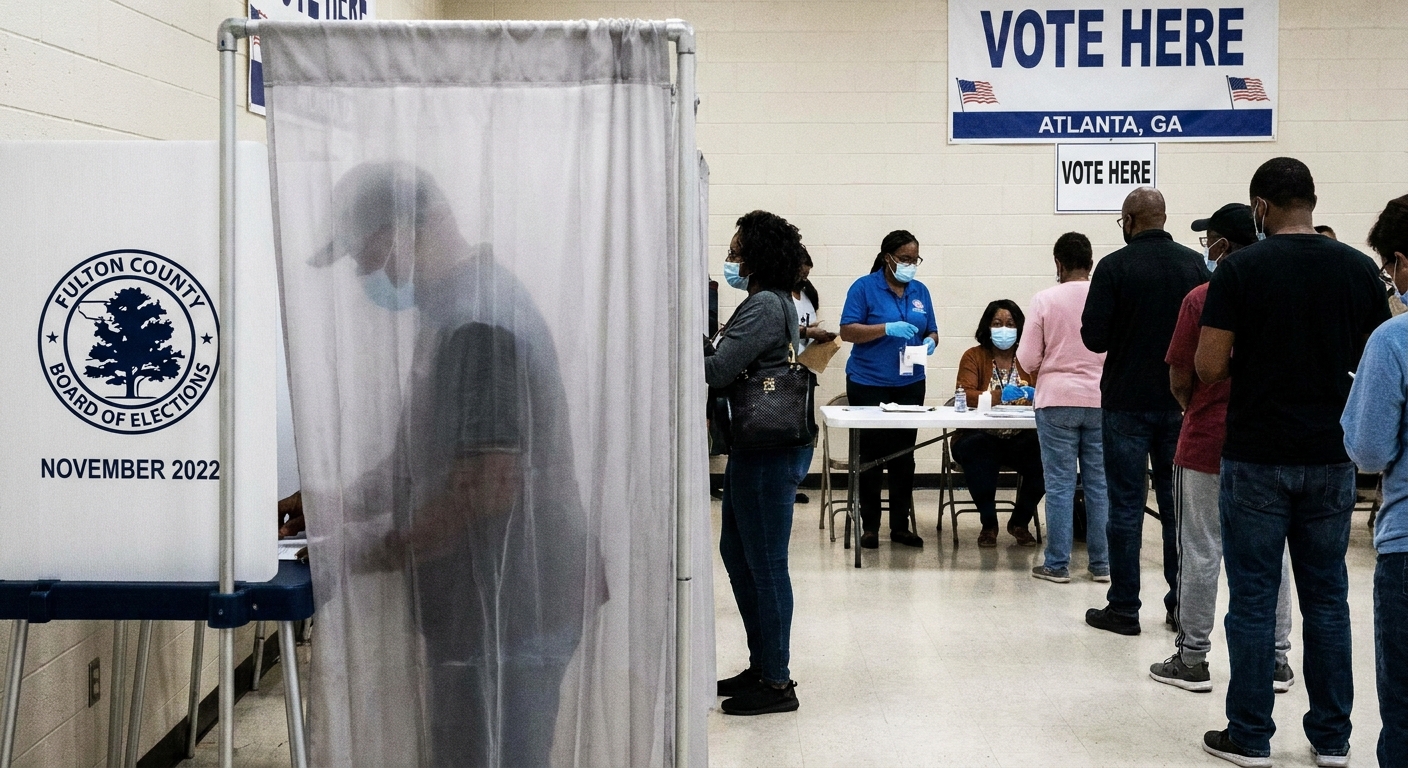
What gets elected in a midterm
The simple answer is: Congress. The fuller answer is: Congress plus a large share of state and local government, depending on where you live and how your state schedules its elections.
Federal offices on the ballot
- All 435 seats in the U.S. House of Representatives. House members serve two-year terms, so they run every election cycle.
- About one-third of the U.S. Senate. Senators serve six-year terms, staggered so roughly 33 or 34 seats are up every two years.
There is no presidential election during a midterm. That is part of what makes a midterm a midterm: it is the federal general election year without the presidency on the ballot.
State and local elections often happen too
In many states, midterm ballots are crowded beyond federal races. Depending on the state and locality, voters may also pick:
- Governors and other statewide executive officials (like attorney general or secretary of state)
- State legislators
- State judges (in states with judicial elections)
- Local officials, ballot measures, and school board members
Some cities and school districts hold local elections in odd-numbered years instead, so what appears on your ballot can vary widely by location.
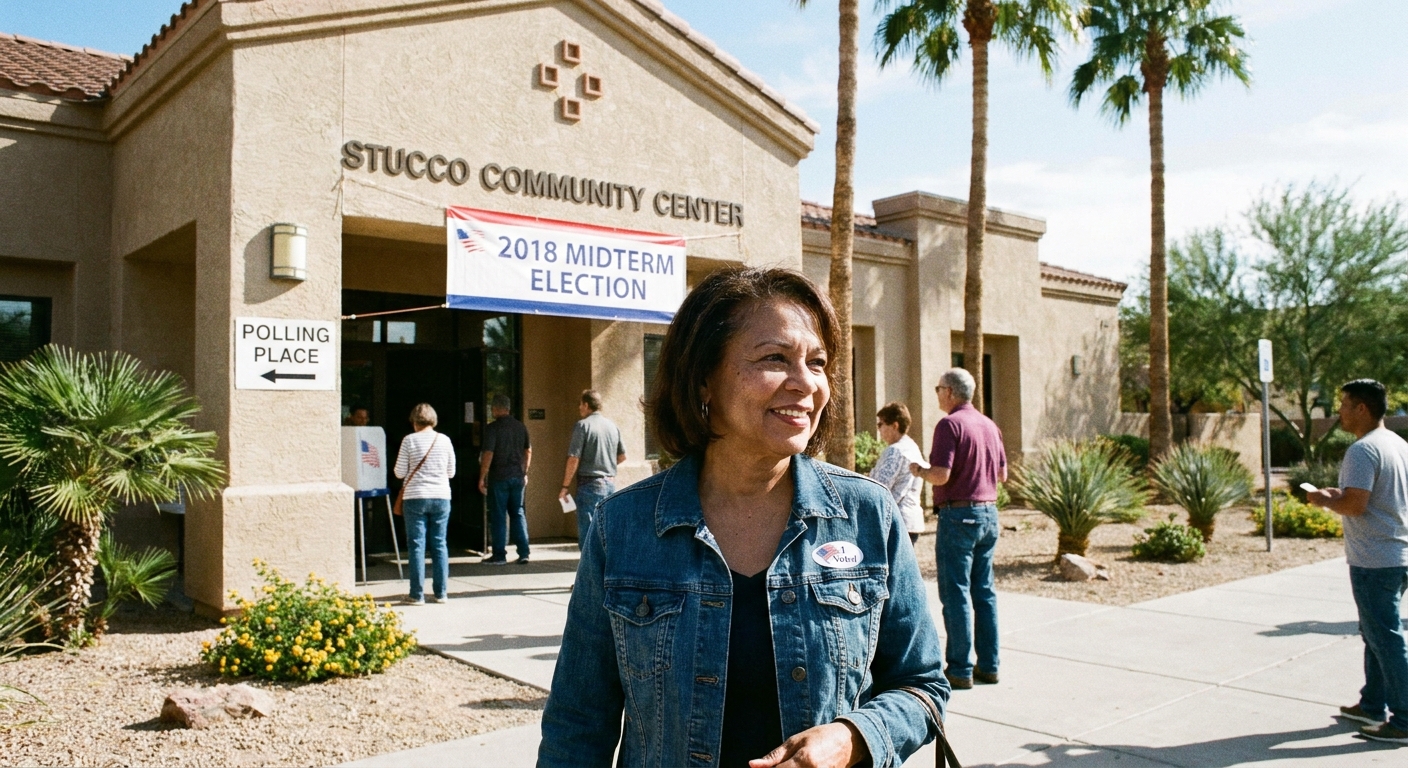
Why midterms exist: the Constitution’s reset button
The Constitution does not say, “Here are midterm elections.” What it does is more interesting: it sets terms of office in a way that forces recurring accountability.
The House: the fast-moving chamber
Article I sets House terms at two years. That short term is intentional. The House was designed to be closest to the people, which means it is also designed to be responsive to shifts in public opinion.
The Senate: continuity with periodic disruption
The Senate’s six-year terms create stability, but staggered elections ensure the Senate can still change direction. A midterm can flip Senate control, alter committee leadership, and reshape what legislation even gets a hearing.
Federalism makes midterms bigger than Washington
States administer elections under a mix of state and federal rules. That makes midterms a federalism showcase: you are voting on federal power, but also on how your state will administer elections, draw districts, fund schools, and handle criminal justice. Those issues are not just background noise. They are how governance reaches daily life.
One example: committee control in Congress can determine whether a proposal becomes a serious bill or never leaves a hearing room. That can shape everything from health care funding to immigration oversight, even without a new president.
Why midterms matter
Midterms can feel like “the election between elections.” In practice, they often determine what a president can accomplish and what national policy looks like for the next two years.
They can change control of Congress
If one party wins a majority in the House or Senate, it controls key levers: the agenda, committees, investigations, and whether bills move at all.
- House control influences spending bills, investigations, and impeachment proceedings.
- Senate control influences confirmations of judges and executive officials, treaty votes, and whether major legislation clears the chamber.
They shape the judiciary indirectly
Federal judges are nominated by the president but confirmed by the Senate. That means midterms can decide whether judicial nominees advance quickly, stall, or never receive a vote. Over time, that affects how the Constitution is interpreted in everyday cases involving speech, privacy, due process, guns, and voting rules.
They act as a referendum, in a specific way
Midterms are often described as a referendum on the sitting president. That is partly true politically. Constitutionally, midterms are more precise: a moment when voters can rebalance separated powers without replacing the president.
When midterms happen
Midterms occur in the even-numbered year between presidential elections (for example, 2022, 2026).
Federal Election Day is set by law as the Tuesday after the first Monday in November.
Most states also offer some combination of early voting, vote-by-mail, and absentee voting, but the details vary by state.
Turnout: the quiet force
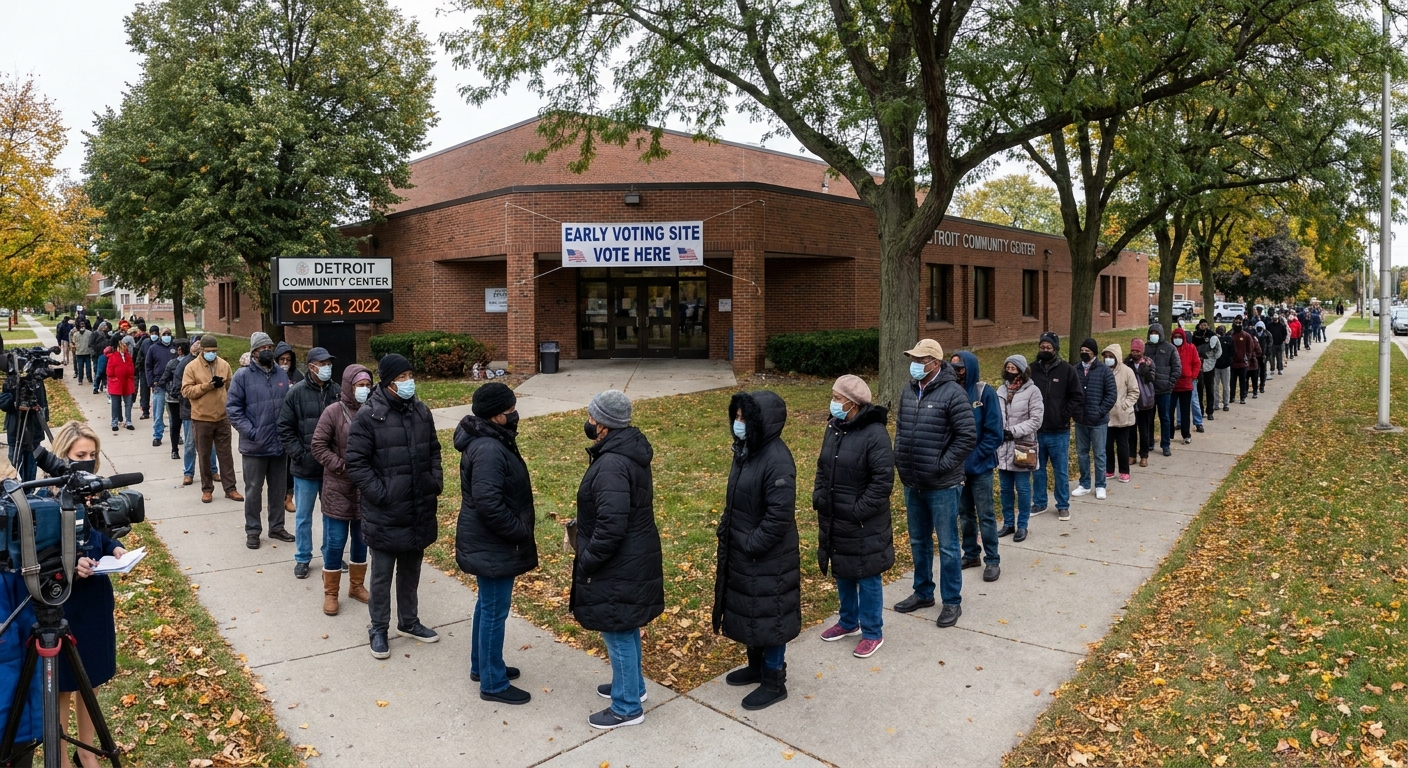
Midterms usually have lower turnout than presidential elections. That is not just civic trivia. It changes outcomes.
When fewer people vote, elections can turn on which groups are most motivated and which communities face the fewest obstacles to casting a ballot. It is one reason midterm results can swing sharply compared to the previous presidential year.
Common misconceptions
“Midterms are only for Congress.”
Congress is the core, but many states hold major statewide elections in midterm years, including governors. Those races can influence policy immediately and, in some states, shape national politics through redistricting or election administration. In other states, independent or bipartisan commissions play a large role, so the effect varies.
“Nothing big happens in midterm years.”
Plenty happens. Party control can flip. Legislative priorities can reverse. Investigations can begin. Confirmations can slow. And because Congress controls spending, a midterm shift can determine whether the government funds, reforms, or fights over major programs.
“Midterms are less constitutional than presidential elections.”
If anything, midterms make the Constitution’s structure easier to see. You can keep a president and still change the branch that writes laws, controls appropriations, and confirms judges.
“The midterm is the primary.”
The midterm election usually refers to the general election in November. Primaries are the earlier contests parties use to choose their nominees, and their dates and rules vary by state.
How this connects to daily life
It is easy to treat midterms as abstract power struggles. But the ballot is often a list of decisions that travel from government structure to household reality:
- Who controls the committees that write tax, budget, and health care laws
- Whether federal agencies are funded or constrained through oversight
- Whether judges who interpret constitutional rights are confirmed
- How your state handles elections, districts, and in some states, constitutional amendments
Also, regular elections are not the only way vacancies get filled. Special elections can happen in any year and can change the House or Senate between the usual cycles.
If you want the most accurate picture of what you will vote on, check your state or local election office, or a trusted official voter guide, for your sample ballot and voting options.
The Constitution is a blueprint, but elections are the maintenance schedule. Midterms are when a large share of that maintenance happens.
Quick takeaways
- Congressional elections happen every two years, with midterms occurring in the even-numbered year halfway through a president’s four-year term.
- All House seats and about one-third of Senate seats are on the ballot.
- Midterms can flip control of Congress and reshape what the federal government can do.
- They also shape the courts indirectly through Senate confirmation power.
- State and local races can make midterms a major event even when Washington is not the only story.