
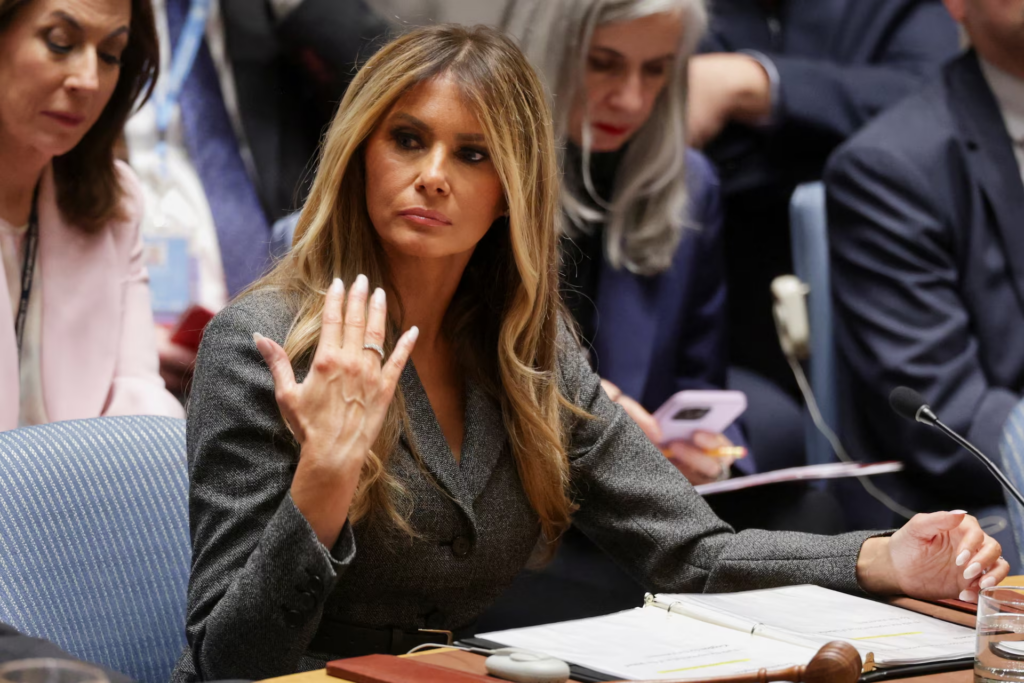
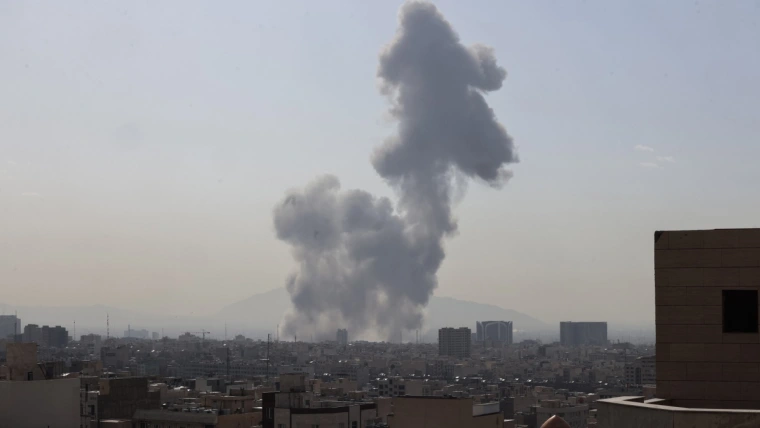
In a striking intersection of diplomacy and military action, Melania Trump took center stage at a recent United Nations Security Council meeting, coinciding with a series of U.S. airstrikes targeting Iranian military installations.
This unusual scenario of a First Lady participating in such a high-level diplomatic setting raises questions about the roles and responsibilities assigned to executive spouses, as well as their influence on U.S. foreign policy.
The backdrop of this meeting is steeped in a history of U.S.-Iran relations that has been tumultuous since the 1979 Iranian Revolution. The ongoing tensions have been marked by conflicts, sanctions, and a revolving door of diplomatic efforts that have frequently failed to stabilize the relationship.
With Melania’s presence, the optics of U.S. leadership at the UN were particularly pronounced, especially in the wake of military action that has drawn both domestic and international scrutiny.
The Role of the First Lady in Foreign Policy
Traditionally, the role of the First Lady has been more ceremonial, focused on social issues and public engagement rather than direct involvement in foreign policy. However, Melania Trump’s presence at the UN Security Council shifts this paradigm. Her participation signals a potential new approach to the First Lady’s role, where their influence could extend into the realm of international relations.
Historically, the First Lady’s involvement in diplomatic affairs has varied.
Eleanor Roosevelt was famously active, serving as a delegate to the UN General Assembly. In contrast, more recent First Ladies have maintained a distance from direct political engagement.
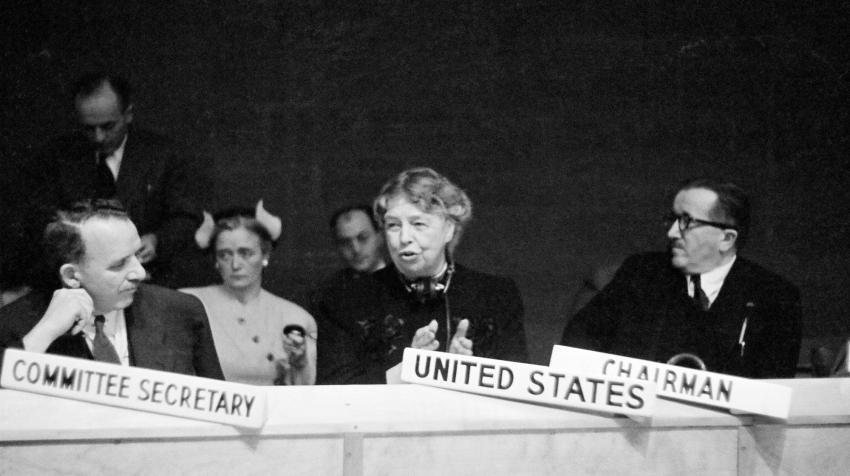
Melania’s appearance might suggest an evolving understanding of how First Ladies can contribute to national and international dialogues, particularly in times of conflict.
Legal Context of Military Action
The U.S. airstrikes against Iranian targets were justified under the doctrine of self-defense, as articulated in Article 51 of the UN Charter. This legal framework permits nations to engage in military action in response to an armed attack.
However, the complexities of international law and the potential for escalation into broader conflict necessitate a careful examination of the constitutional powers vested in the executive branch.
The War Powers Resolution of 1973 further complicates this landscape. It requires the President to notify Congress within 48 hours of military action and limits the deployment of U.S. forces without Congressional approval to 60 days.
The administration’s rationale for the strikes, thus far, hinges on the assertion of immediate threats posed by Iranian actions.
This raises pertinent questions about the balance of power between the executive and legislative branches regarding military engagements.
The Political and Diplomatic Fallout
The airstrikes sparked immediate backlash from various quarters. Critics argue that such unilateral military actions could undermine diplomatic efforts aimed at de-escalating tensions with Iran. The U.S. has long sought to negotiate a nuclear deal, a goal that appears jeopardized by aggressive military tactics.
In Congress, the reaction has been mixed. Some members support the administration’s actions as necessary for national defense, while others call for more robust discussions before engaging in military action.
The political math here is crucial; with a divided Congress, the administration must navigate both Republican support and Democratic opposition carefully.
International Reactions and Implications
Internationally, the strikes have drawn condemnation from allies and adversaries alike. Iran has vowed to retaliate, raising concerns about a potential escalation into broader conflict in the Middle East.
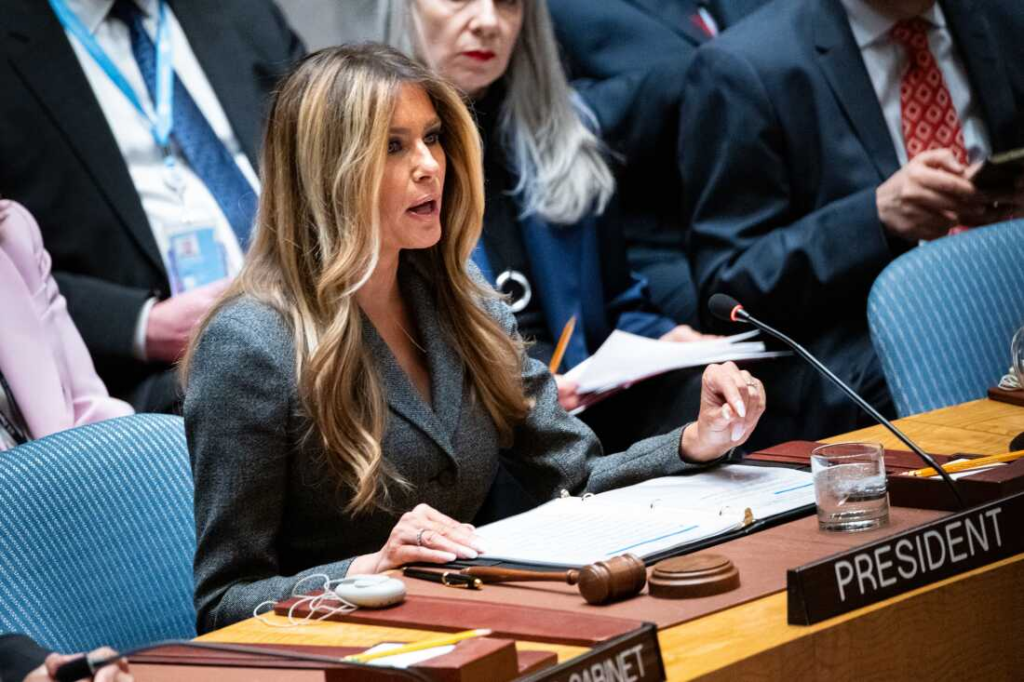
The Security Council meeting, presided over by Trump, provided a platform for various nations to voice their concerns regarding U.S. actions.
As nations grapple with the implications of U.S. military action, the role of the UN as a mediator in such conflicts becomes paramount. The Security Council’s ability to address member states’ grievances is a cornerstone of international law and order.
The presence of the First Lady at this meeting may serve as a symbolic gesture of U.S. commitment to diplomatic processes, even as military actions unfold.
The Broader Constitutional Implications?
Melania Trump’s involvement in the UN Security Council meeting serves as a reminder of the complexities surrounding modern governance and the role of executive power. As the U.S. navigates its foreign policy amidst military engagements, the constitutional dynamics between the President and Congress will continue to be tested.
The questions raised by these events are not merely about the actions taken but also about the precedents set for future administrations. The balance of power, the role of diplomacy, and the influence of the executive branch are all at play in this unfolding narrative, reminding us that the U.S. Constitution remains a living document, adapting to the realities of contemporary governance.