
The Constitution does not protect us from rumors. It protects our right to speak, to publish, and to argue about public events. And sometimes that freedom produces a uniquely modern civic problem: a high-speed narrative that feels like a revelation before it becomes a fact.
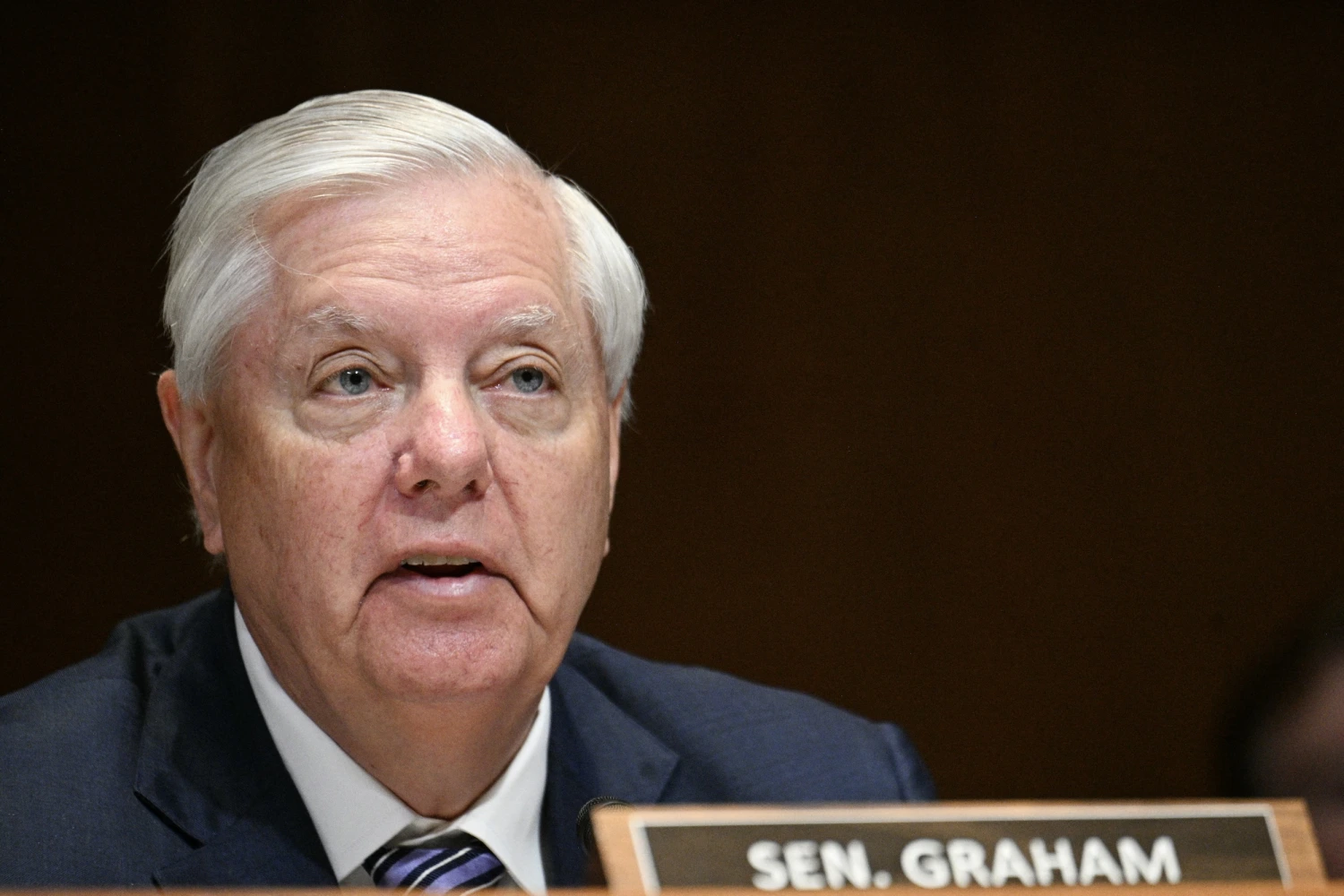
That is what happened on July 12, 2026, when the word “Ukraine” began trending for a reason that had less to do with the front lines and more to do with a viral conspiracy cluster: U.S. Sen. Lindsey Graham visits Ukraine, is shown a drone manufacturing operation, Russia says it struck drone production sites near Kyiv, and then social media fills with posts claiming Graham died suddenly hours after returning home.
Some accounts framed the timing as a question. Others treated it as a conclusion. Either way, the trend was powered by the same fuel: uncertainty, compression of events into a single news cycle, and the irresistible implication that coincidence is proof.
Join the Discussion
First: the status check
The central reason people searched was simple: Is Lindsey Graham dead?
By the end of the day, major public reporting and public tributes indicated that Sen. Lindsey Graham died at age 71, with the cause described publicly as a “brief and sudden illness.” That phrase became the hinge for the viral speculation because it is both plausible and unsatisfying, medically non-specific and emotionally definitive.
But it is crucial to separate two different claims:
- Claim A (verifiable): Lindsey Graham died at 71 following a brief and sudden illness.
- Claim B (speculation): He was “targeted” or killed because of his Ukraine trip or because he viewed a drone manufacturing site.
The trend was not merely about Claim A. It was about the internet attempting to fill in the blanks of Claim A with the intrigue of Claim B.
The compressed timeline that made the rumor feel inevitable
Viral conspiracy narratives rarely begin with a single false statement. They begin with real events placed in an emotionally satisfying order. Here is the sequence people stitched together:
- Graham’s Ukraine visit. Posts circulated that he traveled to Ukraine to reaffirm support for President Volodymyr Zelensky and was shown a drone-related facility in Kyiv.
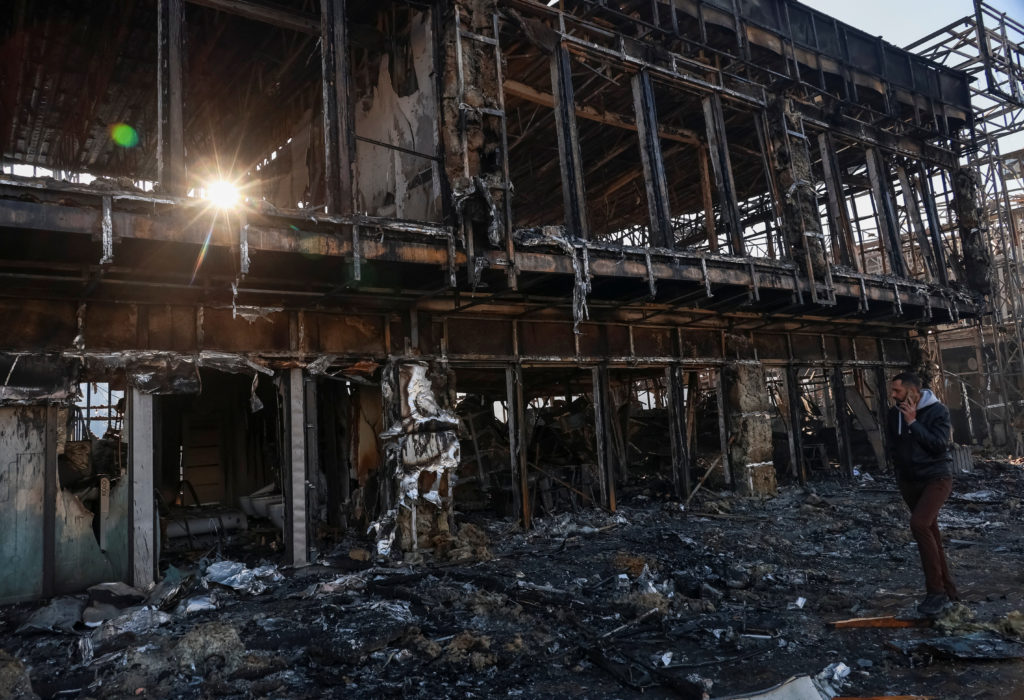
- Russian strike claims. Shortly after, the Russian Ministry of Defense publicly claimed missile strikes on drone manufacturing facilities in the Kyiv region. Some viral posts asserted that “6 missiles” hit “two manufacturing facilities,” and that the strikes caused a major fire. (Those numbers were repeated widely, but the public record available in the trend itself does not provide independent confirmation.)
- The death claim. Within hours, high-engagement posts asserted that Graham died after a “brief and sudden illness,” with some adding unverified details like “cardiac arrest” at his home.
In other words, the story was built for virality: a named senator, a secret-sounding facility, a claimed strike, then a death with few public medical details. It read like a plot because it was assembled like one.
What people are actually arguing about when they argue about “coincidence”
Most of the posts did not present evidence of an attack on Graham. They presented an insinuation: the timing is too perfect to be accidental.
That instinct is older than social media. In American political life, the suspicion that hidden forces decide outcomes is a recurring tradition. But the constitutional angle here is more subtle: this kind of viral spiral changes how citizens interpret legitimate government actions.
Once “it was a hit” becomes a default assumption, every ordinary process starts to look like a cover story. Medical privacy becomes “secrecy.” Official statements become “messaging.” A lack of details becomes the detail.
And because foreign conflict already primes the public for covert operations, the jump from “Russia struck a drone site” to “Russia killed a senator” feels emotionally consistent, even when the evidentiary bridge is missing.
The posts that drove the narrative, and why they worked
High-engagement posts did three things well, rhetorically speaking:
- They used the language of urgency. “BREAKING” framing is designed to bypass reflection and trigger sharing.
- They supplied connective tissue. One post can link a tour, a strike, and a death into a single storyline without proving causation.
- They invited the audience to “just ask questions.” That posture feels open-minded, but it also spreads the allegation while claiming neutrality.
One prominent post told readers: “OK get your tinfoil ready,” then laid out the sequence and concluded, “I’d say there is a decent chance that Russia blew up Lindsey Graham.” Another claimed, “LINDSEY GRAHAM DEAD AT 71, HOURS AFTER RETURNING FROM UKRAINE,” adding a “brief and sudden illness” and a cardiac-arrest assertion.
Notice what is happening. The posts were not offering documents, medical reports, travel logs, or intelligence assessments. They were offering a story-shaped inference. And story-shaped inferences travel fast.
What is missing from the viral “hit” theory
If you treat the conspiracy version as a factual claim, it requires facts that the viral posts do not provide.
At minimum, a claim of targeted killing would need some combination of:
- credible evidence that Graham’s movements or health event were manipulated
- credible evidence tying the strike on facilities to his presence rather than to ongoing military objectives
- official findings, investigative reporting grounded in records, or admissions by responsible parties
Instead, the rumor chain relies on proximity, ambiguity, and the public’s awareness that governments sometimes lie. That last point is exactly why civic discipline matters: skepticism is healthy, but suspicion alone is not proof.
The secondary threads (and why they attached themselves)
Two smaller clusters rode the same trendline:
- Human-interest content about Andrea Cisternino, an Italian animal rescuer in Ukraine, widely shared as a moral counterpoint to geopolitical cynicism.
- War-skeptic content alleging Ukraine is a staged conflict, plus posts focusing on “USAID” signage as shorthand for U.S. involvement.
These add-ons look unrelated, but they serve a common purpose in viral ecosystems: they offer identity choices. Are you the hard-nosed skeptic, the humanitarian, the anti-interventionist, the patriot, the contrarian? Trends become a sorting mechanism for political belonging.
Why this matters for constitutional citizenship
Freedom of speech is not a guarantee of truth. It is a guarantee that the government cannot appoint a national narrator.
That means the burden shifts to us. In a constitutional republic, citizens are not just voters. We are the audience that decides what “counts” as reality enough to justify pressure on institutions. Viral rumor storms can distort that process by turning a question into a verdict before any accountable investigation can occur.
The healthier constitutional reflex is not “trust everything” or “trust nothing.” It is distinguish what you know from what you suspect, and demand better evidence when the claim is as serious as an international assassination.
How to reality-check a viral political death claim in minutes
- Look for on-the-record confirmation from official offices that have legal responsibility to speak: the senator’s office, family representatives, or government leadership.
- Separate death confirmation from cause-of-death speculation. “Sudden illness” is not a confession of foul play. It is a description that often appears before medical specifics are public.
- Be wary of “too perfect” timelines. Humans are pattern-finders. Bad actors exploit that.
- Ask what evidence would change your mind. If the answer is “nothing,” you are not investigating. You are affirming an identity.