
Federal relief money is designed to move fast in an emergency. But once the checks clear, the question shifts to oversight: who tracked where the dollars went, and what safeguards were actually in place?
That debate has become a campaign flashpoint in one of the country’s most competitive congressional districts, where Democratic Rep. Jared Moskowitz is running against Republican challenger Scott Singer in the general election on Nov. 3. Singer is highlighting a 2022 State of Florida Compliance and Internal Controls over Financial Reporting and Federal Awards audit that flagged an oversight weakness at the Florida Division of Emergency Management (FDEM) involving Coronavirus Relief Fund (CRF) grants.
The audit stated that FDEM approved $210,562,500 in CRF grants to 39 local government recipients in the 2020-2021 fiscal year and distributed $1,026,225,200 to 55 locations the next year, but did not perform required monitoring of those subrecipients. The finding was direct: “FDEM did not monitor the activities of any subrecipients.”
There has been no indication of fraud described in the available information, but the audit finding has nonetheless sharpened the political fight over accountability and controls.
Join the Discussion
The audit finding
The 2022 audit flagged the weakness and cited CRF grant totals tied to FDEM in the 2020-2021 fiscal year and the next year:
- FDEM approved $210,562,500 in CRF funding to 39 local government recipients in the 2020-2021 fiscal year.
- The next year, it distributed $1,026,225,200 to 55 locations.
- Taken together, the grants total $1.23 billion.
The audit states: “Contrary to Federal regulations, the FDEM did not monitor the activities of CRF subrecipients.” It adds that monitoring is supposed to include steps such as reviewing subrecipient audit reports and determining whether management decisions are required for audit findings related to the federal award.
It also describes what acceptable oversight typically includes: “Monitoring of the subrecipient must include reviewing financial and performance reports, following up and ensuring that the subrecipient takes timely and appropriate action on all deficiencies pertaining to the federal award detected through audits, on-site reviews and other means.”
Leadership timeline
The audit’s CRF totals cite the 2020-2021 fiscal year and the next year.
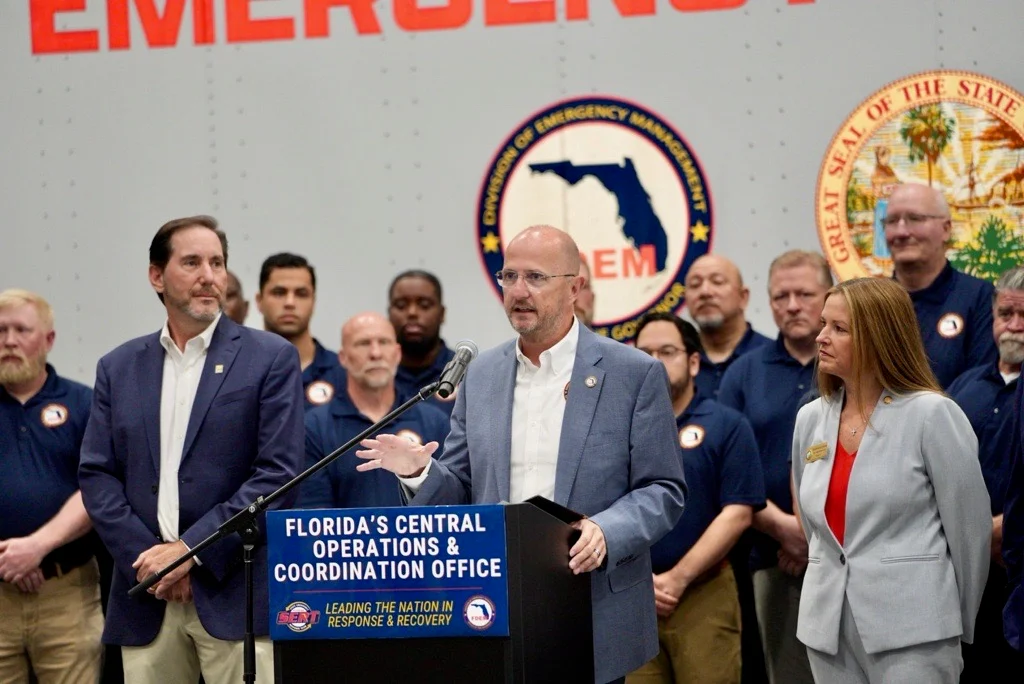
Moskowitz wasn’t head of FDEM for the entire 2020-2021 fiscal year. He resigned from the post at the end of April, about two months before that fiscal year ended in June, meaning he led the agency for the vast majority of the 2020-2021 audit cycle but not the complete window.
Singer’s attack
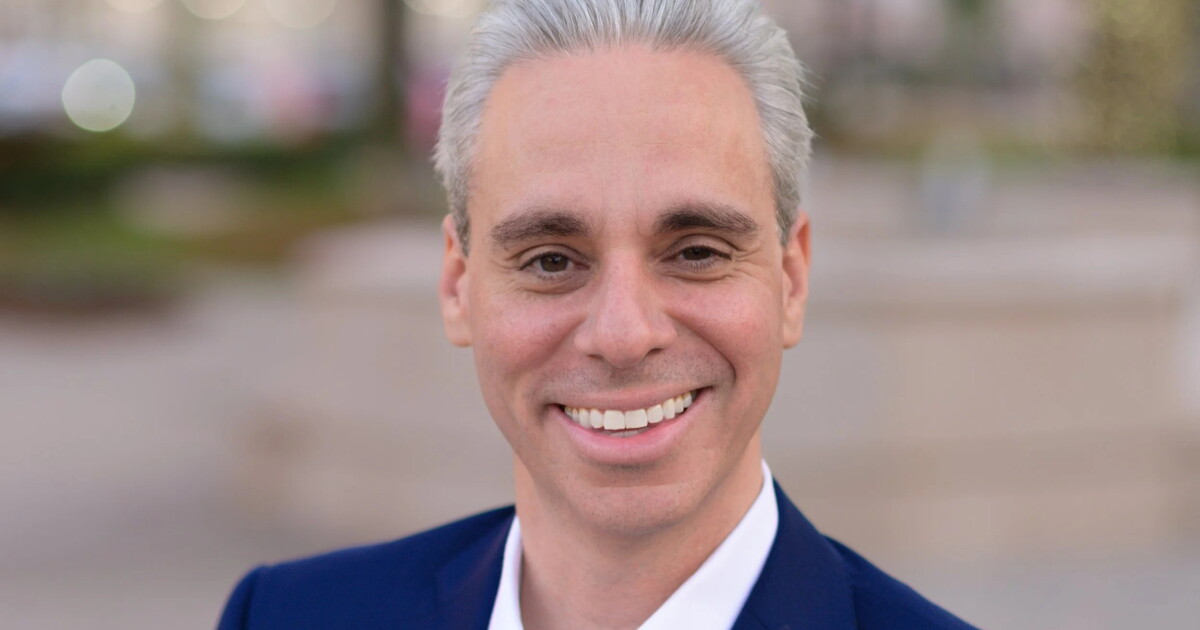
Singer argues the responsibility for the oversight lapse belongs with Moskowitz. In a statement, Singer said: “When Jared Moskowitz ran a state agency, federal regulators and state auditors found that there was a gross lack of oversight of billions of dollars of taxpayer funds, a lack of reporting, a lack of review of where the funds were going.”
Singer added: “And that's unacceptable, especially with public tax dollars. But it's not surprising.”
Singer also said the audit echoed earlier questions about Moskowitz’s work involving disaster recovery funds. He pointed to an incident in 2017, when Moskowitz, as an attorney for disaster-cleanup company AshBritt, renegotiated compensation from the City of Parkland after Hurricane Irma. Disclosure reports showed Moskowitz was being paid over $400,000 by the company while also serving as a state legislator.
In that context, Singer said: “When Jared was a state representative, he went to his own city and demanded that they pay more for hurricane cleanup that went to a disaster recovery company that paid him millions,” adding, “We can't afford people who are continuing to do the same thing. A gross oversight of funds and self-dealing.”
Moskowitz’s response
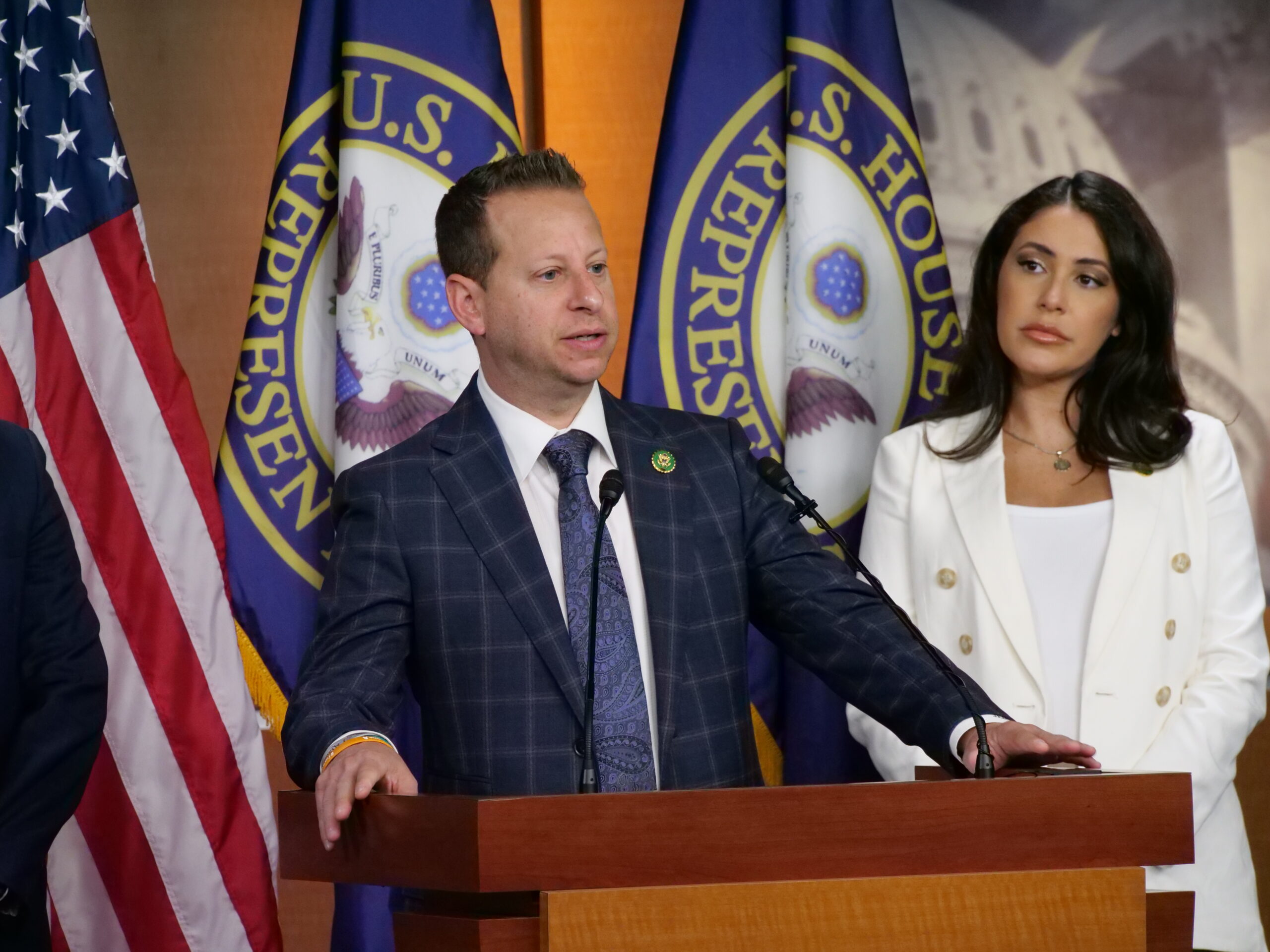
Asked about Singer’s criticism, Moskowitz’s campaign pushed back, saying he was proud of his work and noting he had been reappointed by a Republican governor.
“As Director of FDEM, I worked directly for Governor DeSantis and his administration. Florida had one of the best COVID responses in the country,” Moskowitz said.
He added: “I left almost a year before this report was issued as I had to leave the agency to be with my dad, who was battling cancer. Governor DeSantis appointed me again to the Broward County commission. To my knowledge, Florida COVID spending has passed the FEMA audit for reimbursements.”
Private messages
Moskowitz also pointed to what he described as positive feedback he received for disaster-related work, including from Singer himself. Moskowitz shared communications between them in which Singer said the state was “in a much better place because of what you've done.” Moskowitz also highlighted another message from Singer stating, “seriously, thank you for all of the amazing work you've done and all the help you're providing to our stay [sic].”
Those messages now sit alongside the audit finding at the center of the race: Singer is urging voters to focus on the audit’s conclusion about missing monitoring, while Moskowitz is emphasizing his timeline in the role, his work under Gov. Ron DeSantis, and the praise he says he received from others, including his opponent.
What voters weigh
The audit does not require a fraud finding to raise a political question about oversight. It frames a specific issue: required subrecipient monitoring did not occur for CRF grants even as more than a billion dollars moved through the program across two fiscal years.
On Nov. 3, voters will decide how they weigh that finding, Singer’s criticisms, and Moskowitz’s defense of his record and resignation timeline.