
Constitutional Topics
Browse articles in Constitutional Topics on U.S. Constitution
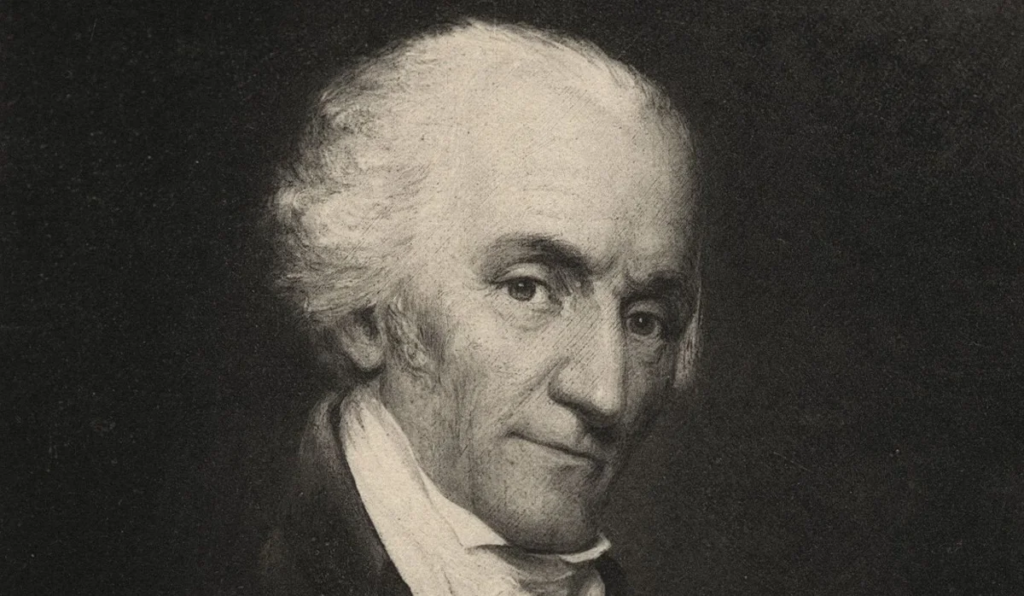
A Cartoon From March 26, 1812: The Origins of Gerrymandering
The term “gerrymandering” originates from Massachusetts Governor Elbridge Gerry’s political career. Gerry, who signed the Declaration of Independence and later served as vice-president under James Madison, made a decision in 1812 that would leave a lasting mark on political terminology. As...
Read more →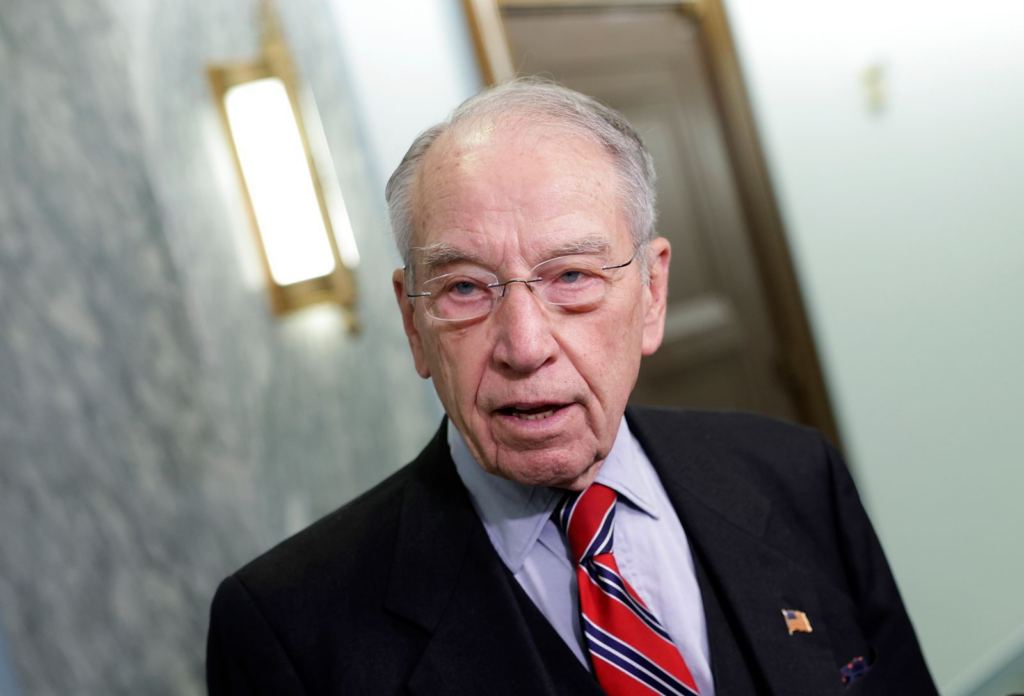
‘Unsustainable Collision Course’: Judiciary Chairman Sets Hearing On Judges Blocking Trump
Senate Judiciary Chairman Chuck Grassley from Iowa is calling for a hearing next week to examine federal judges issuing nationwide orders that appear to restrict the Trump administration. These nationwide injunctions have sparked debate, with Grassley aiming to assess their impact on executive...
Read more →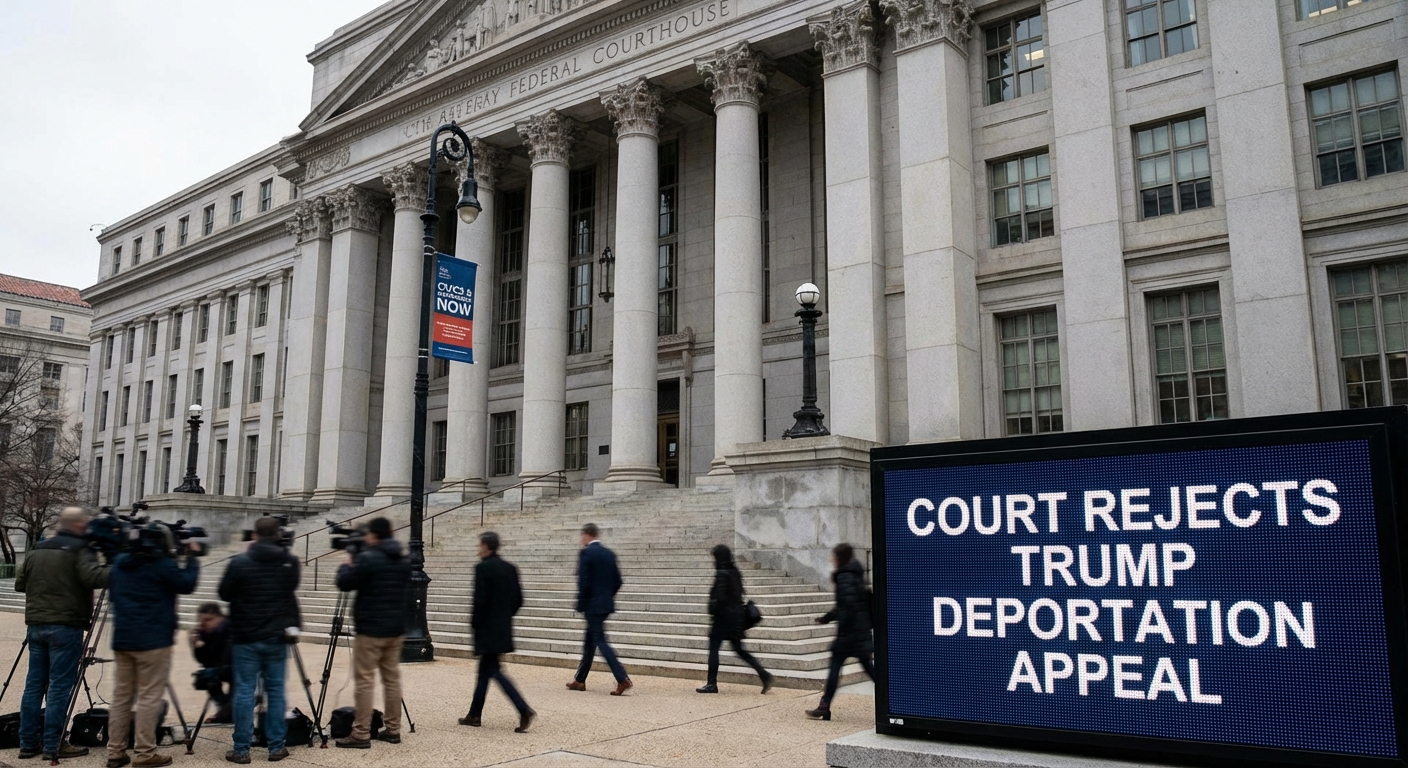
Court Rejects Trump Deportation Appeal
The U.S. Circuit Court of Appeals for the D.C. Circuit upheld Judge James Boasberg's order against the Trump administration's appeal in a 2-1 decision. This ruling halted immediate deportations of Venezuelan migrants attempted under the Alien Enemies Act. The judges determined that the law's...
Read more →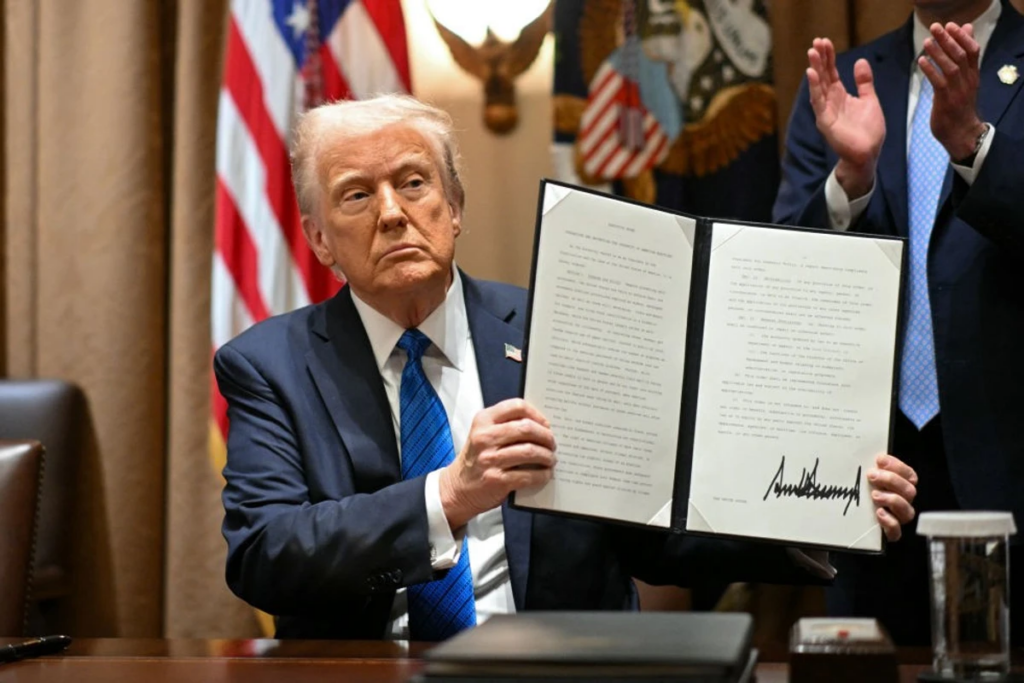
Executive Order on Voter Registration: A Constitutional Challenge
President Donald Trump’s recent executive order mandating proof of U.S. citizenship for voter registration in federal elections represents a significant exercise of presidential power that may face legal challenges. The order potentially infringes on states’ rights and congressional authority,...
Read more →
Can Congress Cut Off Funding to Stop Out-of-Control Judges?
The budget reconciliation process reduces the Senate’s vote requirement from 60 to 51, facilitating easier passage of budget-related agendas for the ruling party. This tactic bypasses the need for minority party support. While effective for fiscal matters, reconciliation has strict rules: Must...
Read more →
What Judges Could Decide in Today’s Deportation Flight Hearing
The Alien Enemies Act of 1798 has become a focal point in contemporary political discourse, thanks to President Donald Trump's attempts to utilize it for deporting alleged gang members from Venezuela. This centuries-old law, originally designed to safeguard the young United States from foreign...
Read more →
Judges Resist Trump’s Judiciary Critiques
Federal judges have expressed concerns over the Trump administration's rapid policy implementation. U.S. District Judge James Boasberg suspended deportations executed under the revived Alien Enemies Act against alleged Venezuelan gang members. Chief Justice John Roberts opposed Trump's impeachment...
Read more →
Is The Founders Intent For Birthright Citizenship Misunderstood?
The 14th Amendment, ratified after the Civil War, initially addressed the citizenship status of emancipated slaves. It aimed to ensure that those freed from slavery enjoyed the same rights as any person born on American soil. South Carolina Attorney General Alan Wilson argues that current...
Read more →
Golden Dome Project: Defense Or Nuclear Risk?
The Golden Dome initiative, proposed by President Donald Trump, aims to create a protective shield over the entire United States, similar to Israel’s Iron Dome but on a vastly larger scale. This ambitious project seeks to defend against intercontinental ballistic missiles (ICBMs) and hypersonic...
Read more →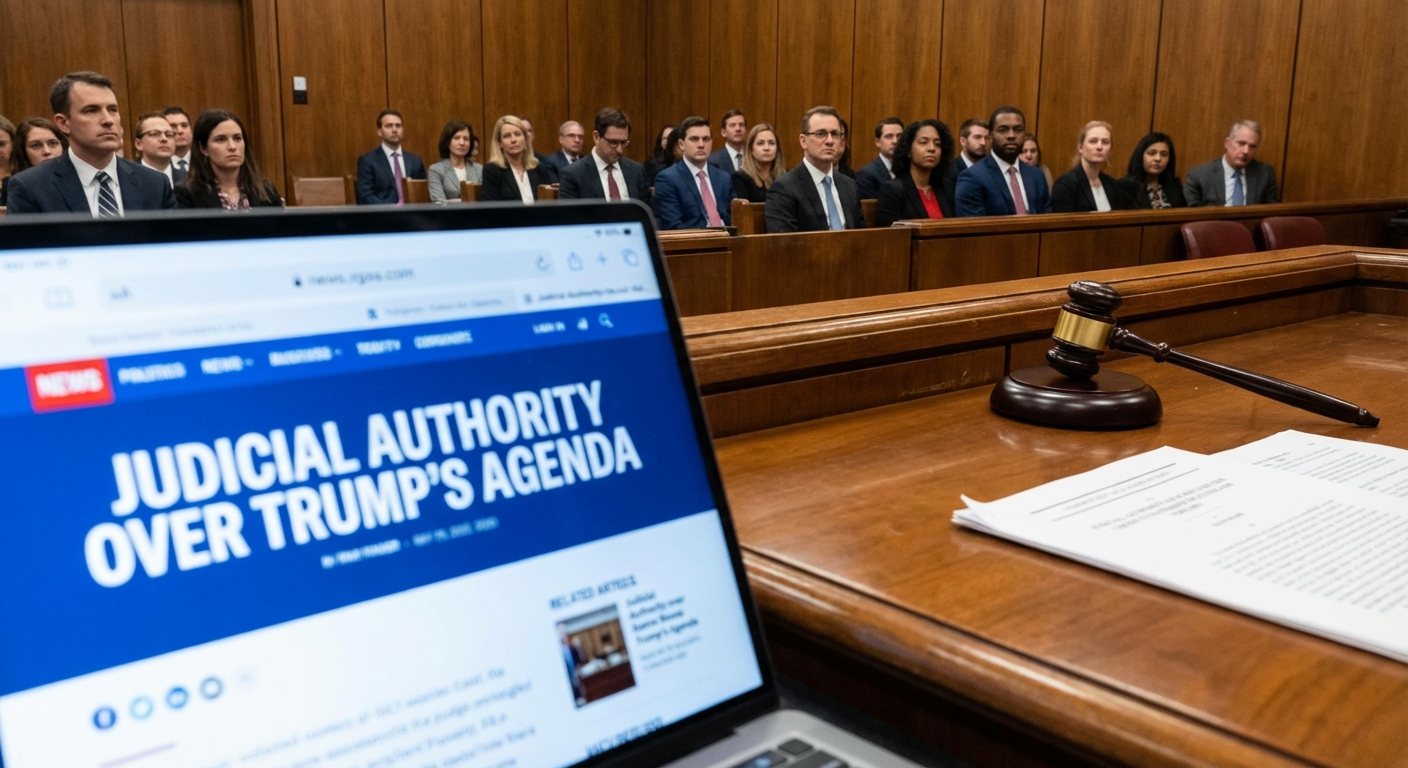
Do federal judges have the authority to overrule the American People and Presidential Agenda?
Federal courts have oversight powers rooted in the U.S. Constitution. Judicial authority, especially concerning injunctions against executive actions, draws from Article III. Judicial review serves as a check on the executive branch, preventing any overreach that might infringe on constitutional...
Read more →Constitutional Crisis Defined
A constitutional crisis occurs when branches of government clash, potentially breaching the system of checks and balances. The U.S. Constitution serves as both guidebook and referee for these conflicts. However, not every political disagreement constitutes a crisis, as conflict is inherent to the...
Read more →Can the President Unilaterally Control Ukraine’s Nuclear Future?
The President's role in nuclear agreements with foreign nations is complex, governed by constitutional checks and balances. While the Constitution grants the President significant foreign policy powers, these are not absolute. Treaties require two-thirds Senate approval, limiting unilateral action...
Read more →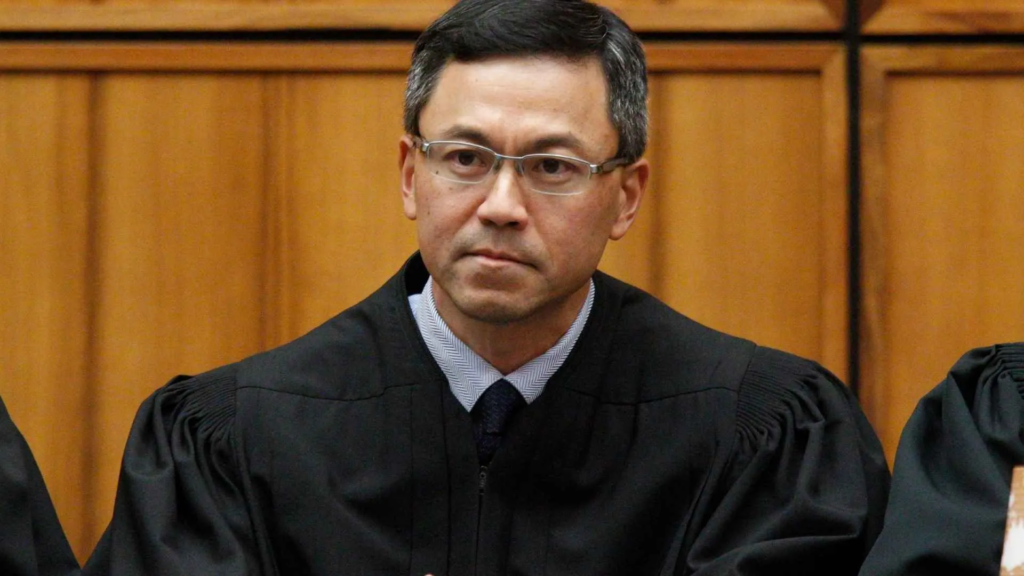
Judge Halts USAID Shutdown Over Constitutional Concerns
Judge Theodore Chuang has challenged the Trump administration’s attempt to close down the U.S. Agency for International Development (USAID). His ruling suggests these efforts may have violated the Constitution by disregarding rules about separation of powers and the Appointments Clause. This...
Read more →
How a Push to Amend the Constitution Could Help Trump Expand Presidential Power
Efforts to call a constitutional convention through Article V have sparked debate. A legal movement aims to address national debt through this mechanism. Critics worry it could lead to broader constitutional changes, including altering the balance of power. The Federal Fiscal Sustainability...
Read more →
Citing The Constitution, Border Czar Homan Responds To Use Of Alien Enemies Act
Border czar Tom Homan addressed questions about the Trump administration’s use of the Alien Enemies Act of 1798 . This act allows the president to deport nationals of enemy countries without a hearing during conflicts. President Trump applied this law to target Venezuelan nationals associated...
Read more →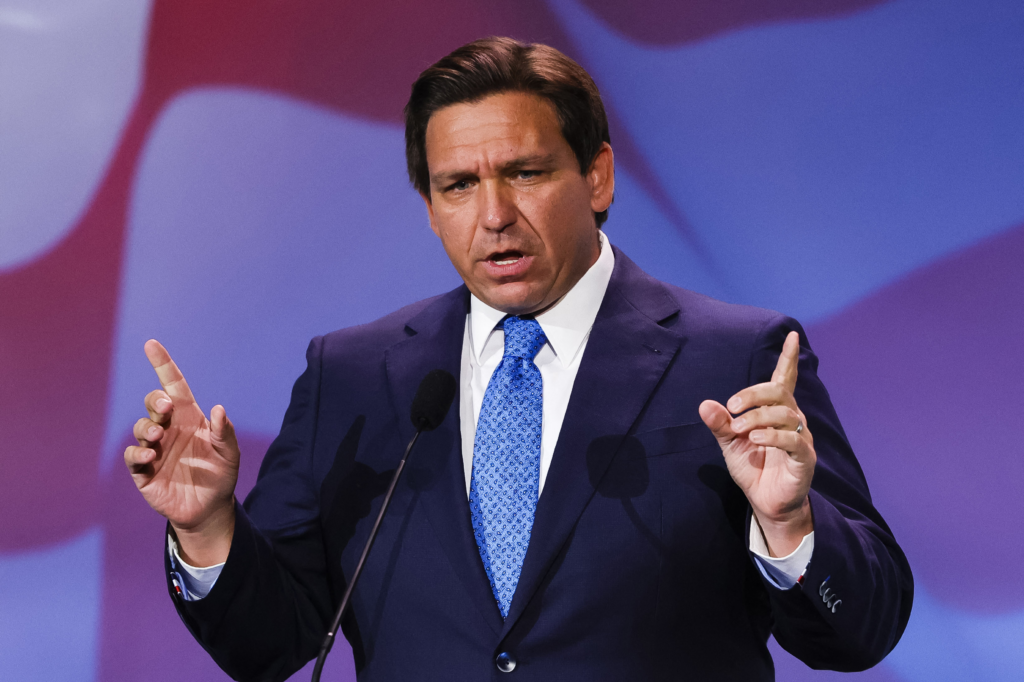
DeSantis Proposes Limiting Federal Court Jurisdiction
Florida Gov. Ron DeSantis has put forth a controversial proposal to limit federal court jurisdiction as a means to prevent certain judges from interfering with President Trump’s policies. DeSantis argues that Congress possesses this power under Article III of the Constitution , citing historical...
Read more →Less Federal Funding, More State Responsibility on Desaster Preparedness
The executive order signed by Donald Trump emphasizes a shift in disaster preparedness responsibility to state and local authorities. This change alters the traditional approach, which largely relied on federal oversight. State and local entities are now expected to lead these efforts, with the...
Read more →Judges Challenge Trump’s Orders
President Donald Trump's extensive use of executive orders has faced significant judicial scrutiny. Several federal judges have issued rulings that challenge the administration's actions: James Boasberg , an Obama appointee, halted the administration's attempt to quickly deport migrants without...
Read more →Trump Administration Defies Court Order, Deports Venezuelans
The Trump administration’s recent actions have sparked debate, as it moved to deport Venezuelans to El Salvador and Honduras, defying a federal judge’s order. The situation unfolded when flights carrying these immigrants were already in motion as U.S. District Judge James E. Boasberg attempted...
Read more →
SCOTUS to Hear Colorado’s Conversion Therapy Case
The U.S. Supreme Court has agreed to hear a First Amendment challenge to Colorado’s ban on “conversion therapy.” Kaley Chiles, a Christian therapist, argues that the law infringes on her free speech rights. The ban prohibits attempts to change a minor’s sexual orientation or gender...
Read more →