
Constitutional Topics
Browse articles in Constitutional Topics on U.S. Constitution
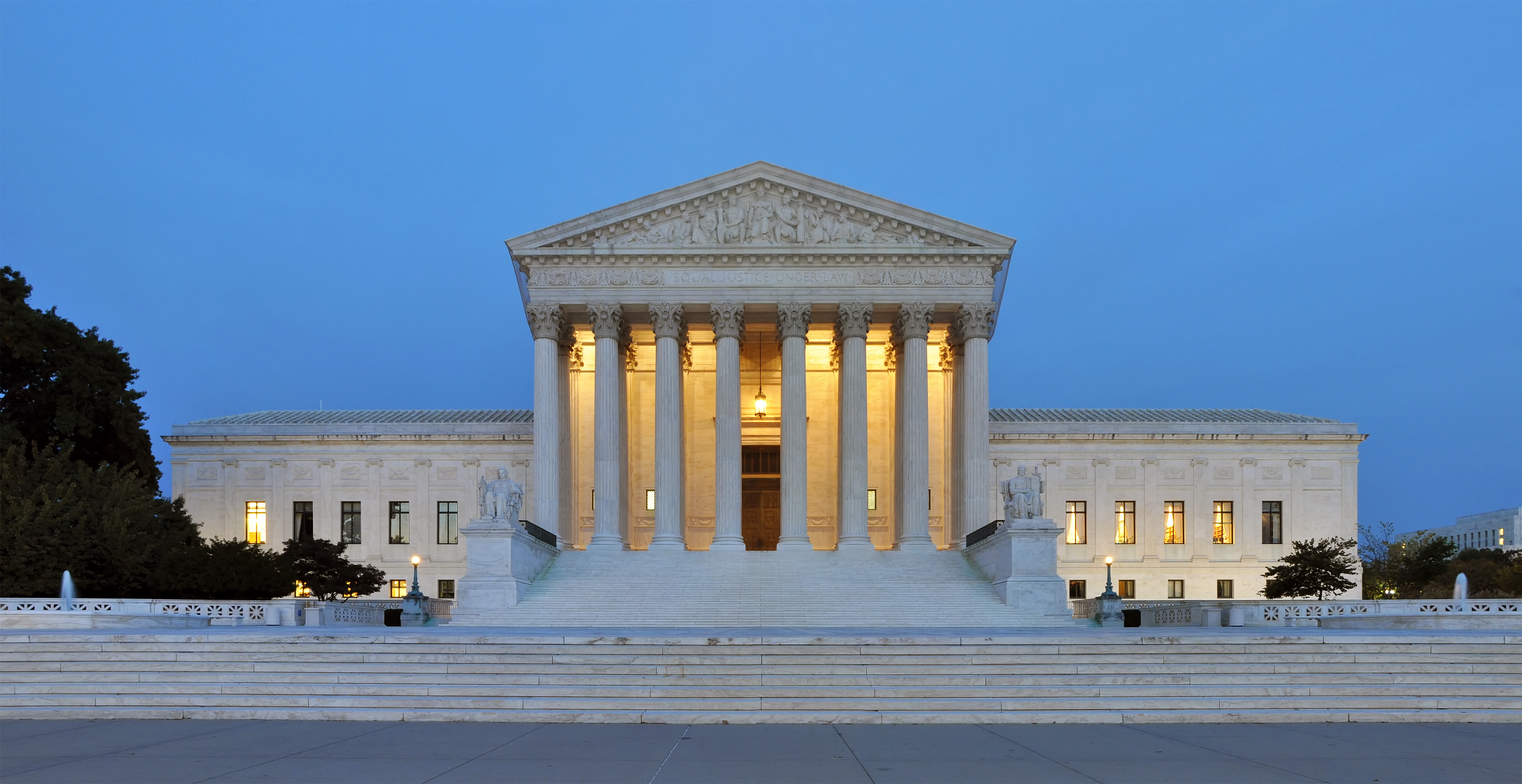
Standing to Sue in Federal Court
People talk about “taking it to federal court” like it is a civic superpower. The Constitution disagrees. Federal judges are not empowered to referee every political fight or correct every government mistake. They exist to resolve cases and controversies , and that phrase in Article III has gotten...
Read more →
Senate Advice and Consent
“Advice and consent” is one of those constitutional phrases that sounds like a polite formality, like the Senate is gently nodding along while the President runs the executive branch. In practice, it is one of the Senate’s sharpest tools. It is the mechanism that decides who becomes a Supreme Court...
Read more →
How Congress Overrides a Presidential Veto
The President can stop a bill with a veto. But the Constitution does not treat that veto like a royal command. It treats it like a speed bump, one that becomes a wall unless Congress can prove something important: that the bill has overwhelming support even after the President has objected. That is...
Read more →
The Pocket Veto Explained
The Constitution gives the President a familiar choice when Congress sends a bill to the White House: sign it into law or veto it and send it back. But there is a third option that can feel counterintuitive. The President can do nothing, and if Congress has adjourned in the right way at the right...
Read more →
Natural-Born Citizen and Presidential Eligibility
The Constitution sets only a few eligibility rules for the presidency, and one phrase does most of the work: “natural born Citizen.” It is a requirement everyone recognizes and for which almost no one can point to a single, controlling definition. The result is predictable. A short clause becomes a...
Read more →
Writ of Certiorari
You will hear it in headlines like it is a verdict: “The Supreme Court declined to hear the case.” But what the Court usually declines is not the merits. It declines the invitation . That invitation is called a writ of certiorari , often shortened to cert . It is the procedural gatekeeper that...
Read more →
The Senate Blue Slip, Explained
Some of the most consequential power in Washington lives in places you will not find in the Constitution’s text. The Senate “blue slip” is one of those places. It is not a law. It is not a constitutional requirement. It is a Senate Judiciary Committee tradition that can slow, reshape, or stop a...
Read more →
Unanimous Consent in the Senate
The Senate has 100 members, debate can be extended on many questions, and it has a reputation for procedural gridlock in practice. Yet most days, it still manages to move quickly through stacks of routine work. The tool that makes that possible is unanimous consent , usually shortened to UC . UC is...
Read more →
What Is a Special Counsel?
Americans tend to talk about “the DOJ” as if it is a single, unified person with one set of motives. In reality, it is a sprawling bureaucracy with thousands of attorneys, layered supervision, and a basic institutional goal: to make prosecutorial decisions that can survive scrutiny from bosses,...
Read more →
Senatorial Holds Explained
The Senate is built partly around a polite fiction: that it runs on cooperation. Most days, it does. Many noncontroversial measures move by unanimous consent , many nominations get cleared in batches, and the chamber can move faster than its reputation suggests. Then one senator decides to slow...
Read more →
Criminal Indictment vs Information vs Charge
You can be told you are “charged with a crime” in several different ways, by different actors, at different moments in a case. That is why the words indictment , information , complaint , and “ charge ” get used interchangeably in headlines, even though they do not mean the same thing. A quick...
Read more →
Congressional Subpoenas Explained
A congressional subpoena is one of the sharpest tools Congress has for getting information it believes it needs to legislate, oversee the executive branch, or investigate public problems. It can look like a court subpoena. It can feel like a criminal investigation. But constitutionally and...
Read more →
The Speech and Debate Clause
Members of Congress say controversial things for a living. Sometimes they say them in hearings, sometimes on the House floor, sometimes in a committee report that lands hard in the news cycle. So here is the natural question, especially when subpoenas start flying and prosecutors start asking...
Read more →
Contempt of Court Explained
“Contempt of court” sounds like a judge punishing someone for being rude. Sometimes it is about behavior. Often, it is about enforcement: the court’s ability to make its orders mean something in the real world. And before we go further, a quick but important separation. Contempt of court is a...
Read more →
Congressional Censure Explained
Congress can do something that feels like punishment without ever touching a person’s job title: it can formally condemn a member in the name of the institution itself. That is censure. It is not a criminal sentence. It is not impeachment. It is not, strictly speaking, a removal tool. It is...
Read more →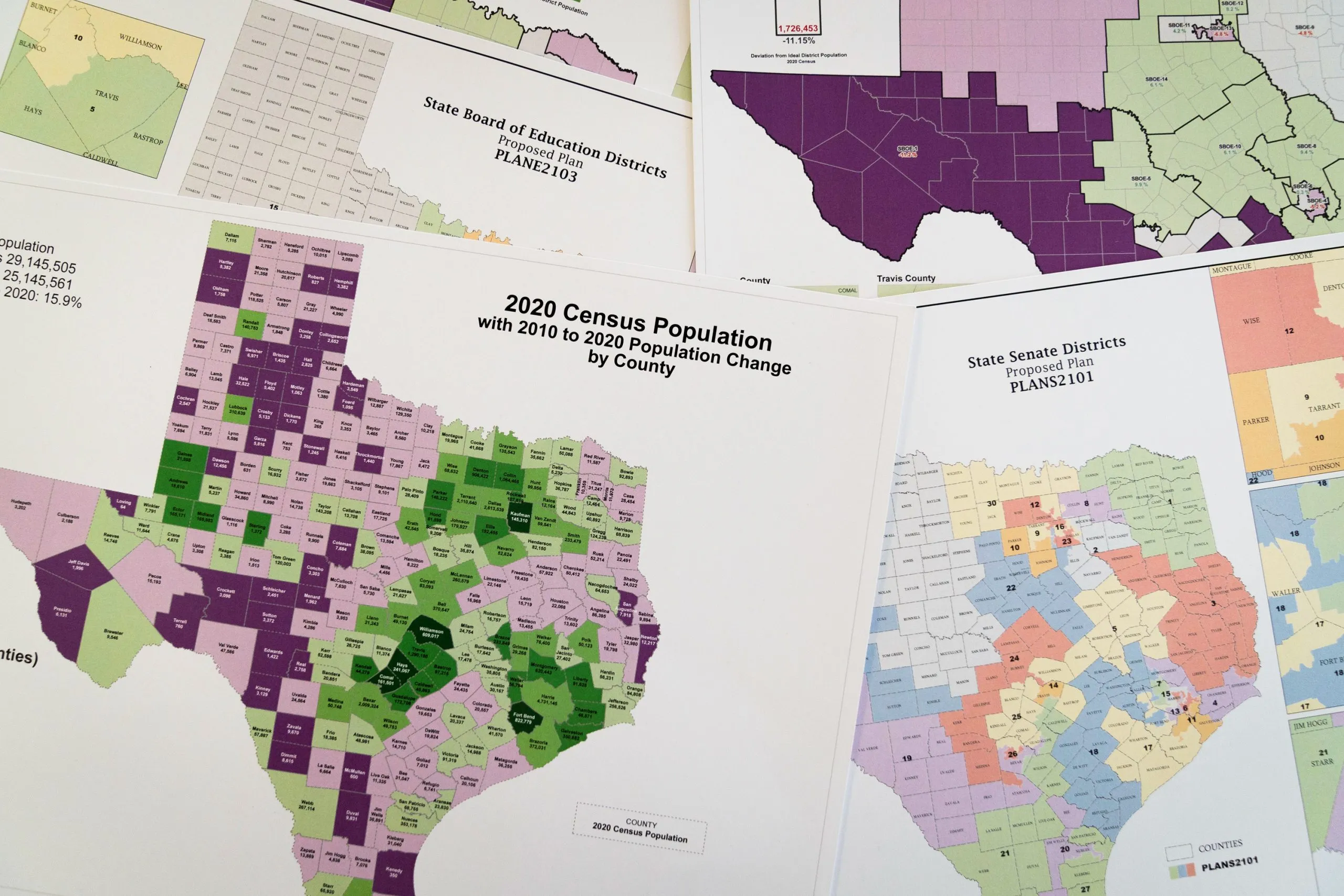
Gerrymandering Explained
Gerrymandering is what happens when the people who draw election districts choose their voters before voters choose them. More literally: it is the deliberate shaping of district boundaries to tilt election outcomes. Sometimes the goal is partisan advantage. Sometimes it is to weaken the voting...
Read more →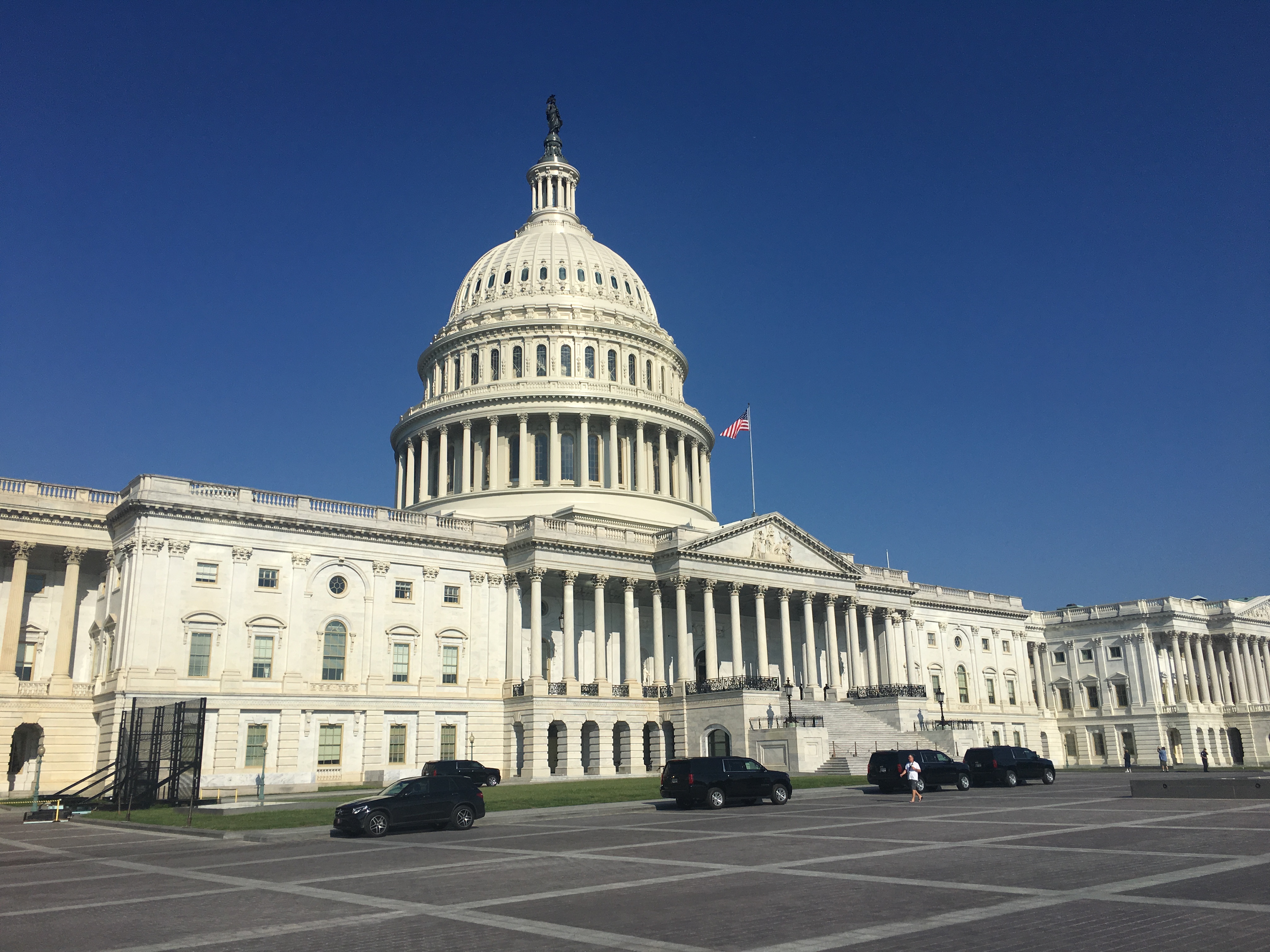
How Congress Works
Congress looks like a marble monument on the outside. On the inside, it runs like a busy workplace with calendars, managers, deadlines, and constant negotiations. The Constitution sets the basic structure in Article I, but the day-to-day reality is built from rules, committees, party leadership,...
Read more →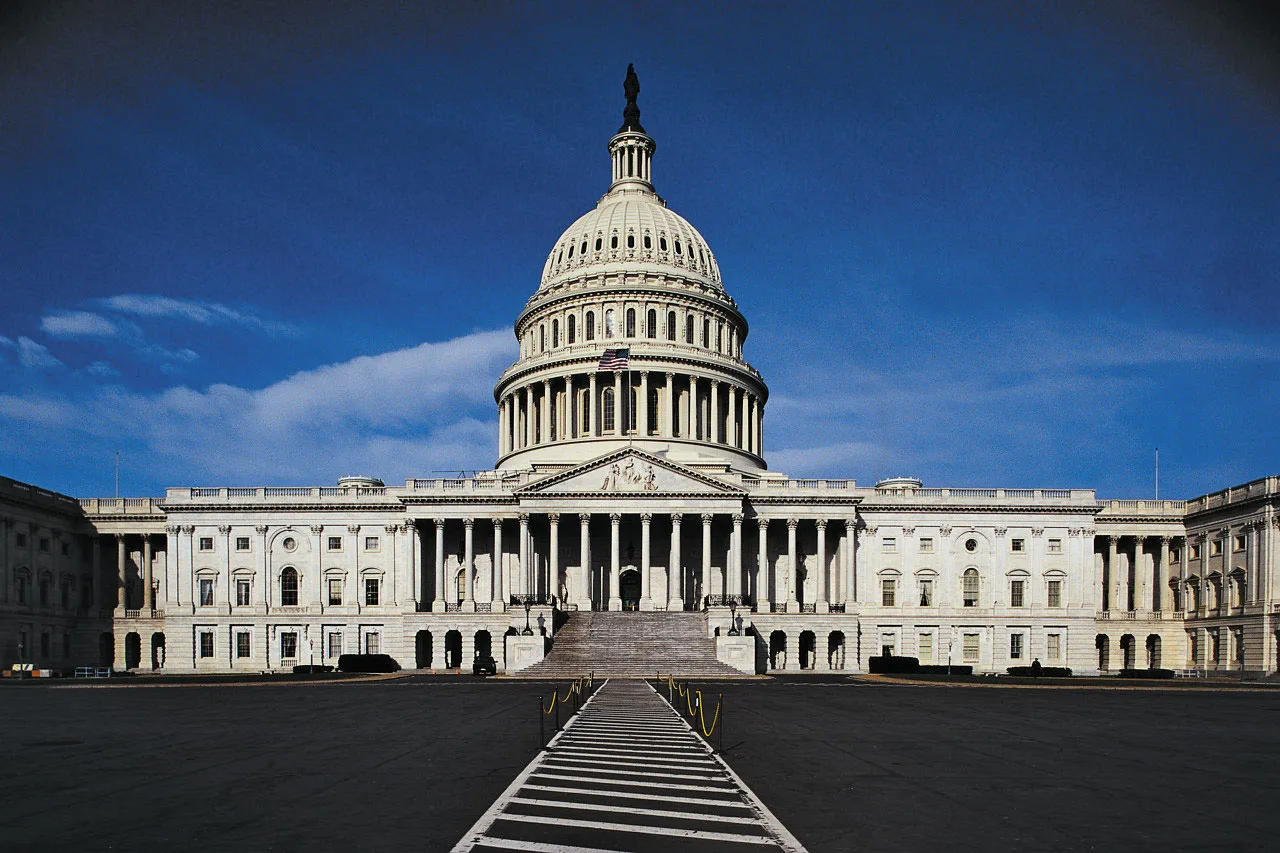
House vs. Senate: Key Differences
Congress has two chambers that do the same job in very different ways. The House of Representatives is built for speed, population, and political responsiveness. The Senate is built for stability, smaller-state influence, and longer-term bargaining. If you have ever wondered why a bill can sail...
Read more →
How Government Shutdowns Work
A “government shutdown” sounds like the United States simply turns the lights off. That is not how the Constitution designed the federal government to function, and it is not how modern budgeting actually works. A shutdown is really a legal event: at a certain moment, some parts of the federal...
Read more →
Continuing Resolutions Explained
Every fall, Washington runs into the same cliff. The federal fiscal year starts on October 1. Agencies need legal authority to obligate and expend funds on October 1. And in many years in recent decades, Congress does not finish the regular appropriations bills in time. So Congress reaches for a...
Read more →