
Constitutional Topics
Browse articles in Constitutional Topics on U.S. Constitution
Attorney-Client Privilege Explained
Attorney-client privilege is one of the most powerful ideas in American law, and one of the most misunderstood. People hear “privileged” and assume it means anything you tell a lawyer becomes legally untouchable. It does not. The real rule is narrower and more interesting: the law protects certain...
Read more →
Article IV Privileges and Immunities Clause
Most constitutional fights look like a vertical power struggle: you versus the government. Article IV’s Privileges and Immunities Clause is different. It is a horizontal fight, one state versus another, with individual Americans caught in the middle. The basic idea is simple: if you are an American...
Read more →
The Full Faith and Credit Clause Explained
The Constitution is famously skeptical of concentrated power. It splits authority between branches, between federal and state governments, and between 50 separate state legal systems. That raises an obvious problem: what keeps the United States from acting like 50 neighboring countries, each...
Read more →
How a Criminal Arraignment Works
Arraignment sounds like a technical waypoint in the criminal process, but it is one of the most consequential first moments in a case. It is the court’s way of putting the accusation on the record, making sure the defendant knows what the government says they did, and requiring the court to address...
Read more →
Discharge Petitions in the House Explained
The House of Representatives is built to run on leadership control. The Speaker, the majority party, and the Rules Committee decide what gets time, what gets amendments, and what never sees daylight. That control is not just a rules trick. It is also the product of member incentives, party teams,...
Read more →
Conference Committees Explained
One essential requirement of Congress’s lawmaking process is this: the House and the Senate have to pass the same bill text . That sounds simple until you remember Congress is two separate institutions with different rules, different political incentives, and often different versions of what the...
Read more →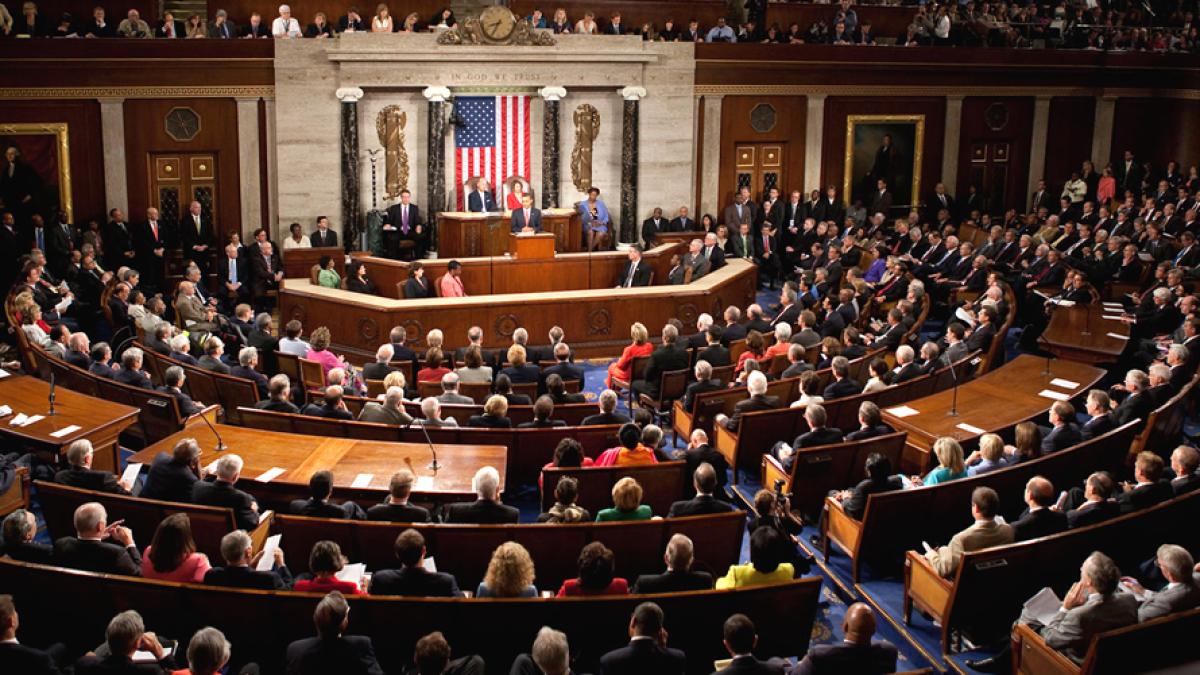
Congressional Quorum Rules Explained
Congress can debate for hours, deliver soaring speeches, and flood the Congressional Record with statements that will never be read again. But it cannot do anything official unless enough members are present. That minimum number is called a quorum , and it is one of the Constitution’s simplest...
Read more →
When “Unhinged” Becomes a Constitutional Argument
On Easter morning, President Donald Trump posted a message that ricocheted across social media: profane, belligerent, and aimed at Iran. At the time of writing, a familiar constitutional phrase is trending in the public conversation: the 25th Amendment . Some commentators and lawmakers did not...
Read more →
Presidential Impoundment and the Power of the Purse
Everyone knows what a government shutdown looks like: closed offices, delayed paychecks, a deadline clock on cable news. Impoundment is quieter. It often looks like nothing. The law says money is available. Congress appropriates for a purpose and expects execution. The executive branch, for any...
Read more →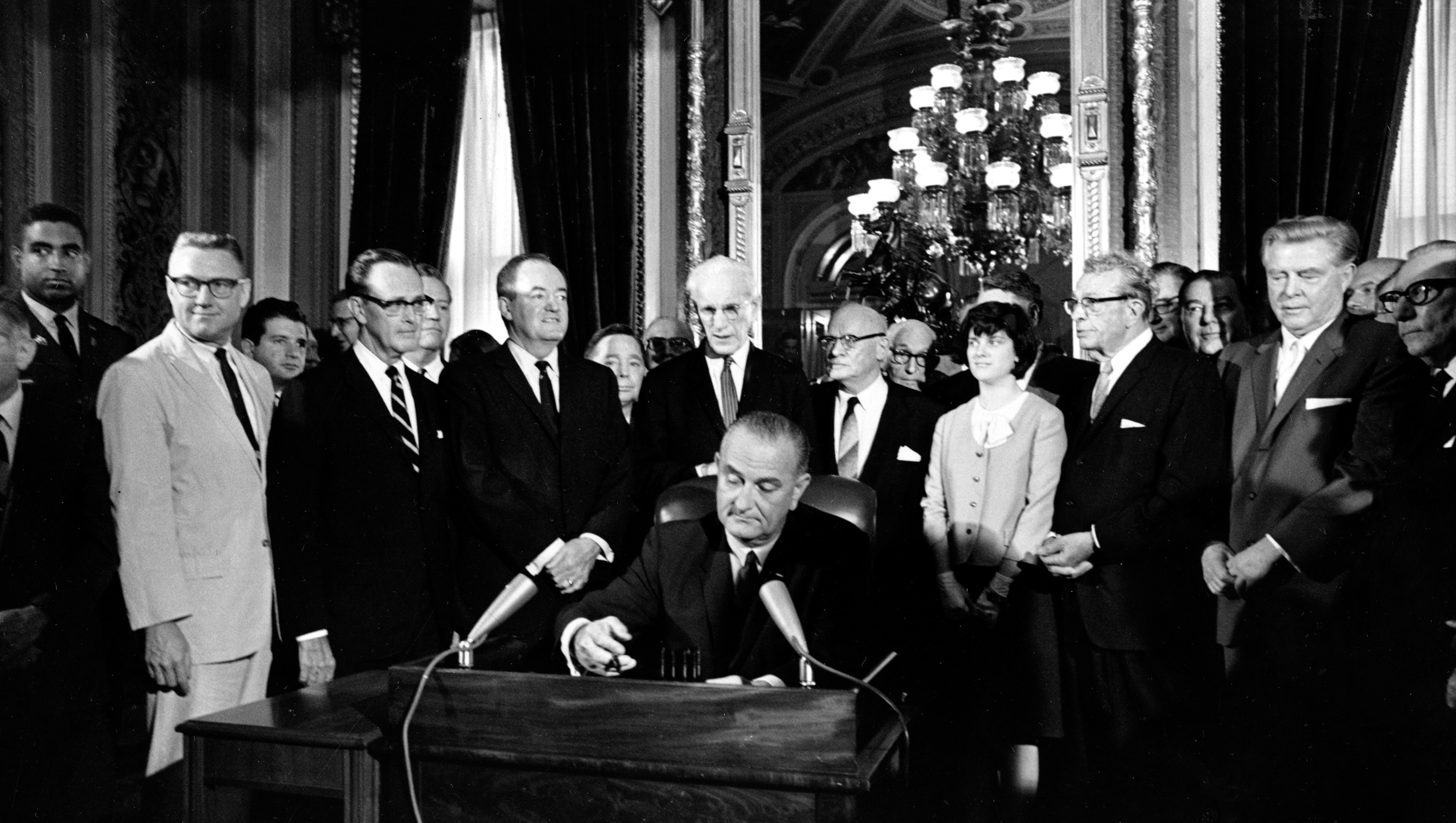
The Voting Rights Act and the Constitution
Most Americans can name at least one voting rights amendment. Fewer can explain why one of the most powerful voting rights protections in modern history is not an amendment at all. The Voting Rights Act of 1965 is a statute, passed by Congress and signed by President Lyndon B. Johnson. It is not...
Read more →
Who Declares War Under the Constitution?
Everyone learns the civics version early: Congress declares war, the President fights it. Then you grow up, watch the United States enter major conflicts without a formal declaration of war, and realize the neat division is real, but incomplete. The Constitution does assign war-related powers. It...
Read more →
Federal Rulemaking 101
Most Americans learn the three branches in school and then spend the rest of their lives living under rules they never voted on directly. That sounds like a contradiction until you learn the quiet machinery that sits between Congress’s broad statutes and the real world: federal rulemaking . When...
Read more →
How the Federal Election Commission Works
Most Americans encounter the Federal Election Commission only when a headline breaks. A super PAC drops a seven-figure ad buy. A candidate gets accused of “coordination” . A complaint lands, and someone says the FEC “can’t do anything” because it is “deadlocked.” All of that is true often enough...
Read more →
Can Congress Change the Size of the Supreme Court?
Nine justices feels like a constitutional fact, the way two senators per state does. But it is not. The U.S. Constitution creates “one supreme Court.” It never says how many people must sit on it. The number nine comes from a law Congress passed, and Congress could pass a different law. That simple...
Read more →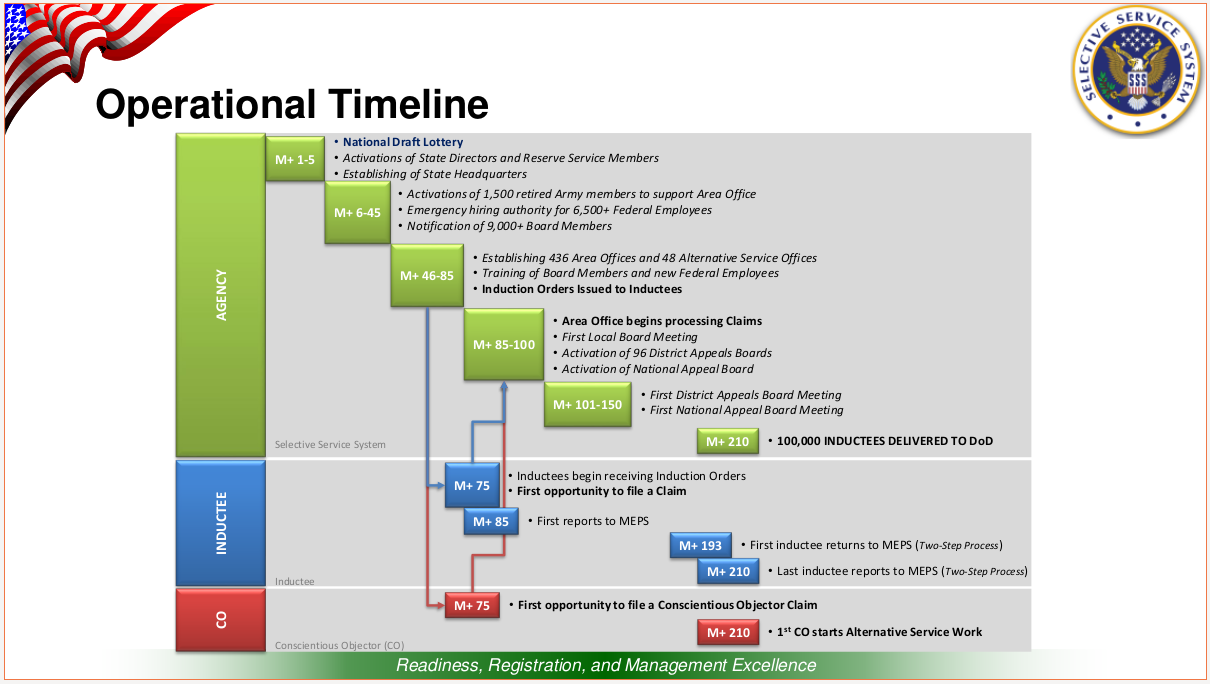
Selective Service and the Draft
“The draft” is one of those phrases that can make American politics feel instantly existential. It raises a blunt question: can the federal government compel you to fight? Constitutionally, the answer has long been yes. But the practical reality in 2026 is narrower and more bureaucratic than many...
Read more →
Citizens United v. FEC Explained
People talk about Citizens United like it flipped a single switch and suddenly “money became speech.” But the decision is narrower and stranger than the slogan. It began with a political documentary, turned into a constitutional showdown about who gets to speak during an election season, and ended...
Read more →
D.C. Home Rule Explained
Washington, D.C. feels like it should work like any other American city. It has neighborhoods, public schools, police, courts, taxes, and a mayor who can lose an election for potholes just like anywhere else. But constitutionally, D.C. is not “anywhere else.” It is the seat of the national...
Read more →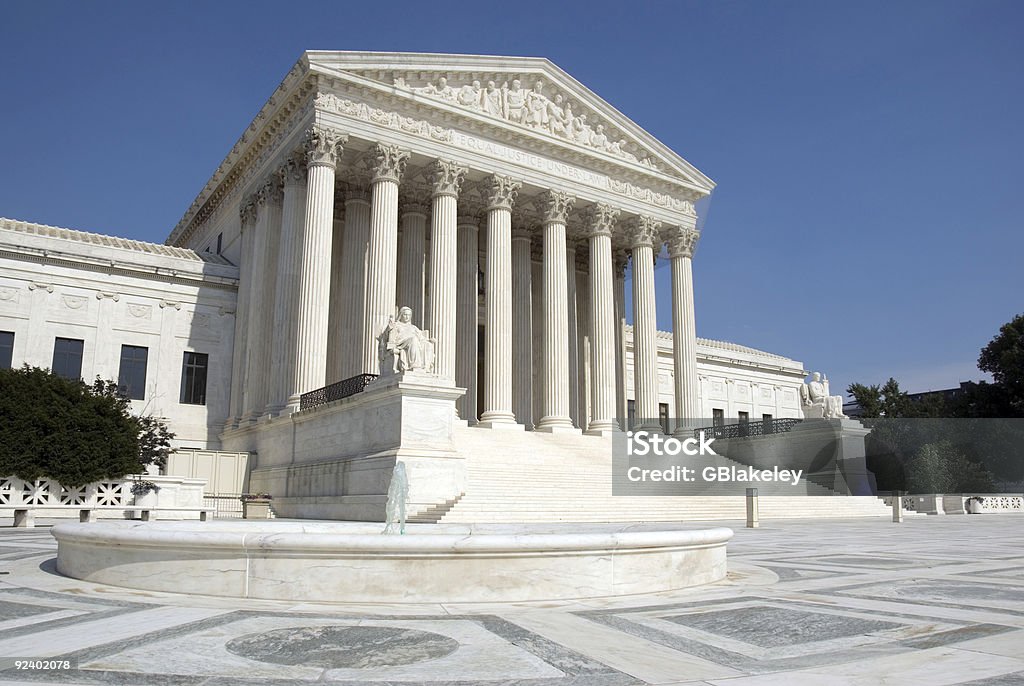
What the Solicitor General Does
Many Americans can name the Attorney General. Fewer can name the person who does some of the government’s most delicate legal work: walking into the Supreme Court and telling nine justices what the United States thinks the law means. That person is the Solicitor General, usually shortened to the...
Read more →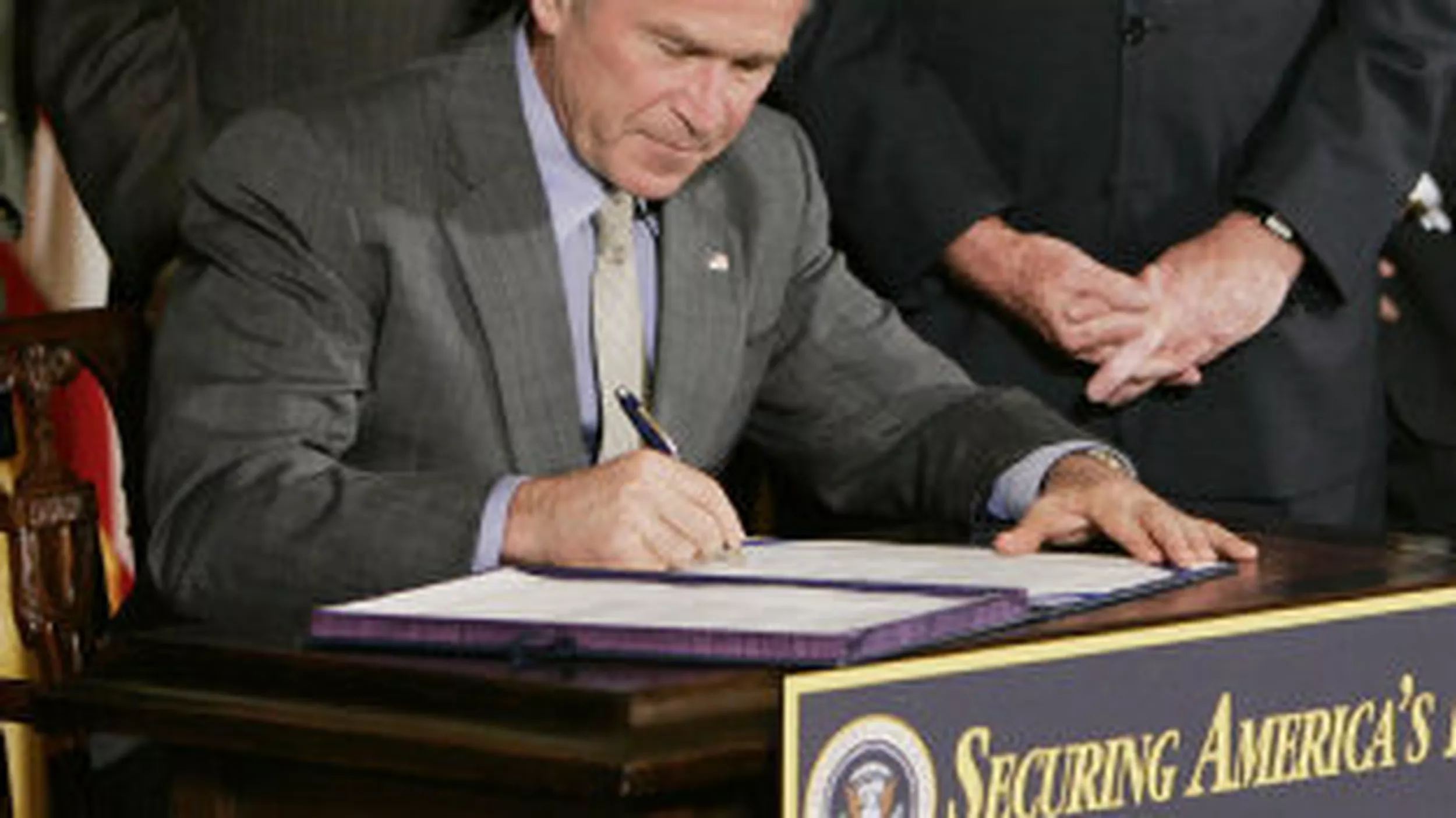
Presidential Signing Statements Explained
You know the scene: Congress passes a bill, cameras click, pens line up on the desk, and the president signs a new law into existence. Then comes the part most people never see. Alongside the signature, the White House often releases a written statement explaining what the president thinks the law...
Read more →
Brady Material and the Brady Rule
“Brady material” sounds like a technical term, like something you request on a form and receive in a neatly numbered packet. In real life, it is messier and much more constitutional law than paperwork. The Brady rule is the Supreme Court’s name for a due process command: the government cannot win a...
Read more →