
Constitutional Topics
Browse articles in Constitutional Topics on U.S. Constitution
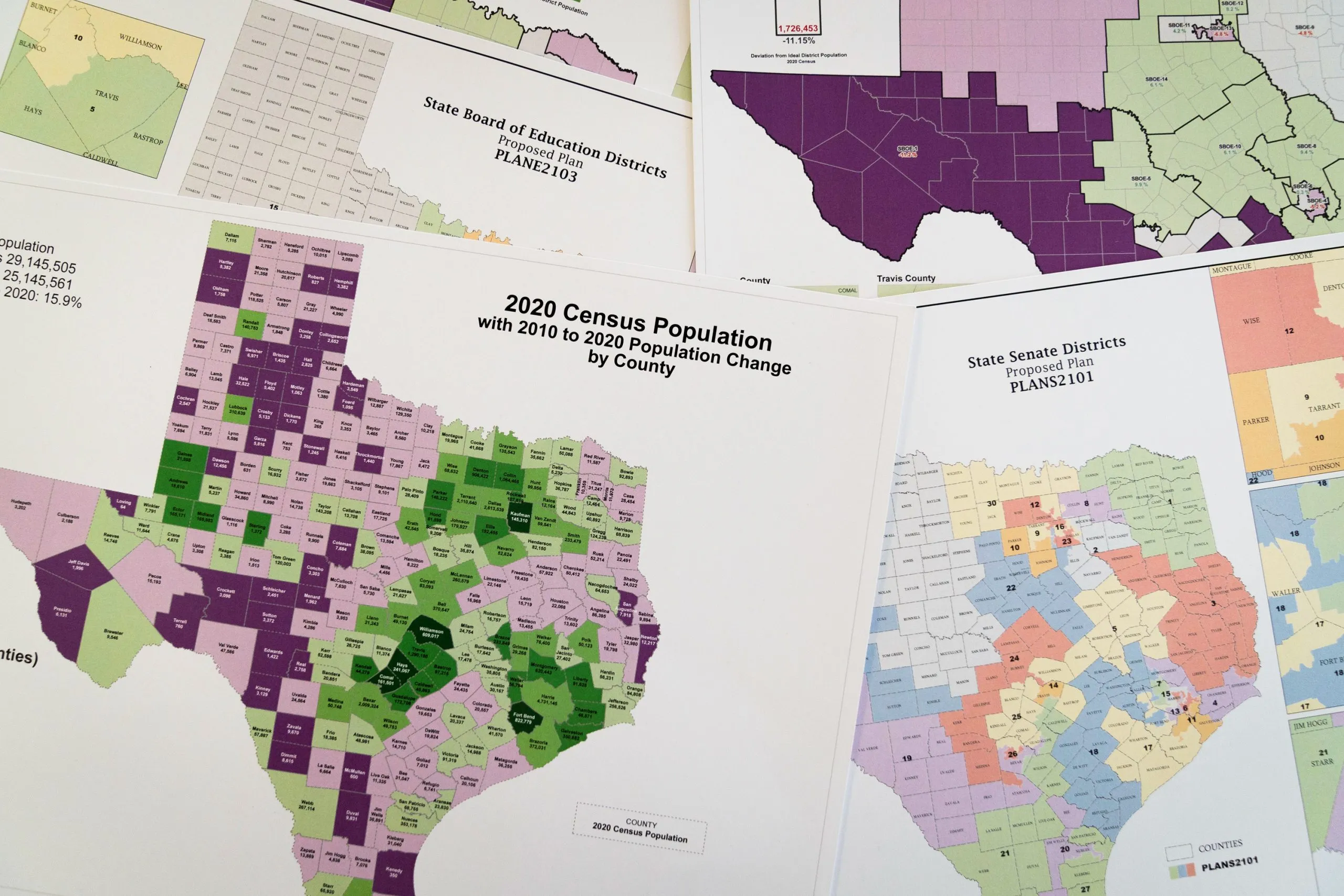
Gerrymandering Explained
Gerrymandering is what happens when the people who draw election districts choose their voters before voters choose them. More literally: it is the deliberate shaping of district boundaries to tilt election outcomes. Sometimes the goal is partisan advantage. Sometimes it is to weaken the voting...
Read more →
How Congress Works
Congress looks like a marble monument on the outside. On the inside, it runs like a busy workplace with calendars, managers, deadlines, and constant negotiations. The Constitution sets the basic structure in Article I, but the day-to-day reality is built from rules, committees, party leadership,...
Read more →
House vs. Senate: Key Differences
Congress has two chambers that do the same job in very different ways. The House of Representatives is built for speed, population, and political responsiveness. The Senate is built for stability, smaller-state influence, and longer-term bargaining. If you have ever wondered why a bill can sail...
Read more →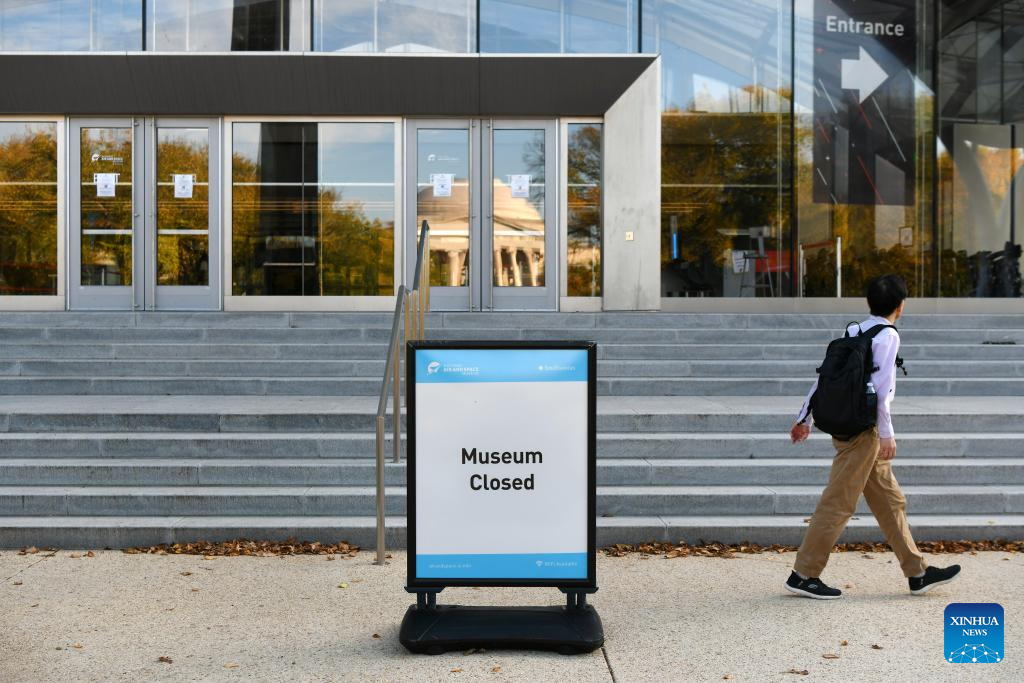
How Government Shutdowns Work
A “government shutdown” sounds like the United States simply turns the lights off. That is not how the Constitution designed the federal government to function, and it is not how modern budgeting actually works. A shutdown is really a legal event: at a certain moment, some parts of the federal...
Read more →
Continuing Resolutions Explained
Every fall, Washington runs into the same cliff. The federal fiscal year starts on October 1. Agencies need legal authority to obligate and expend funds on October 1. And in many years in recent decades, Congress does not finish the regular appropriations bills in time. So Congress reaches for a...
Read more →
Lame Duck President: What It Means and What They Can Still Do
The morning after Election Day, the losing president does not instantly become powerless. The cameras may pivot to the president-elect, donors may scatter, and party leaders may start talking like the next administration is already here. But constitutionally, the sitting president remains the...
Read more →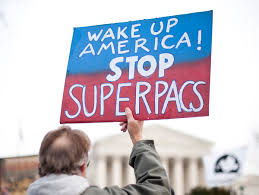
What Is a Super PAC and How Does It Work?
Americans tend to talk about money in politics like it is one big, shadowy bucket. But election law does not treat political spending as one thing. It sorts it into categories, draws bright lines between some of them, and then spends the next decade litigating whether those lines still mean...
Read more →
What Is a Lame Duck President (or Congress)?
A lame duck is an elected official who is still in office, but is on the way out. They either lost reelection, chose not to run again, or are term-limited, and everyone in Washington knows their time is expiring. The phrase sounds like a joke, but the situation is real power plus declining...
Read more →
Expungement and Sealing: Clearing a Criminal Record
A criminal record can follow you like a shadow file. You served the sentence, paid the fines, finished probation, and still get treated like the case is happening right now. Job applications ask about convictions. Landlords run checks. Licensing boards pull reports. Even when you have turned your...
Read more →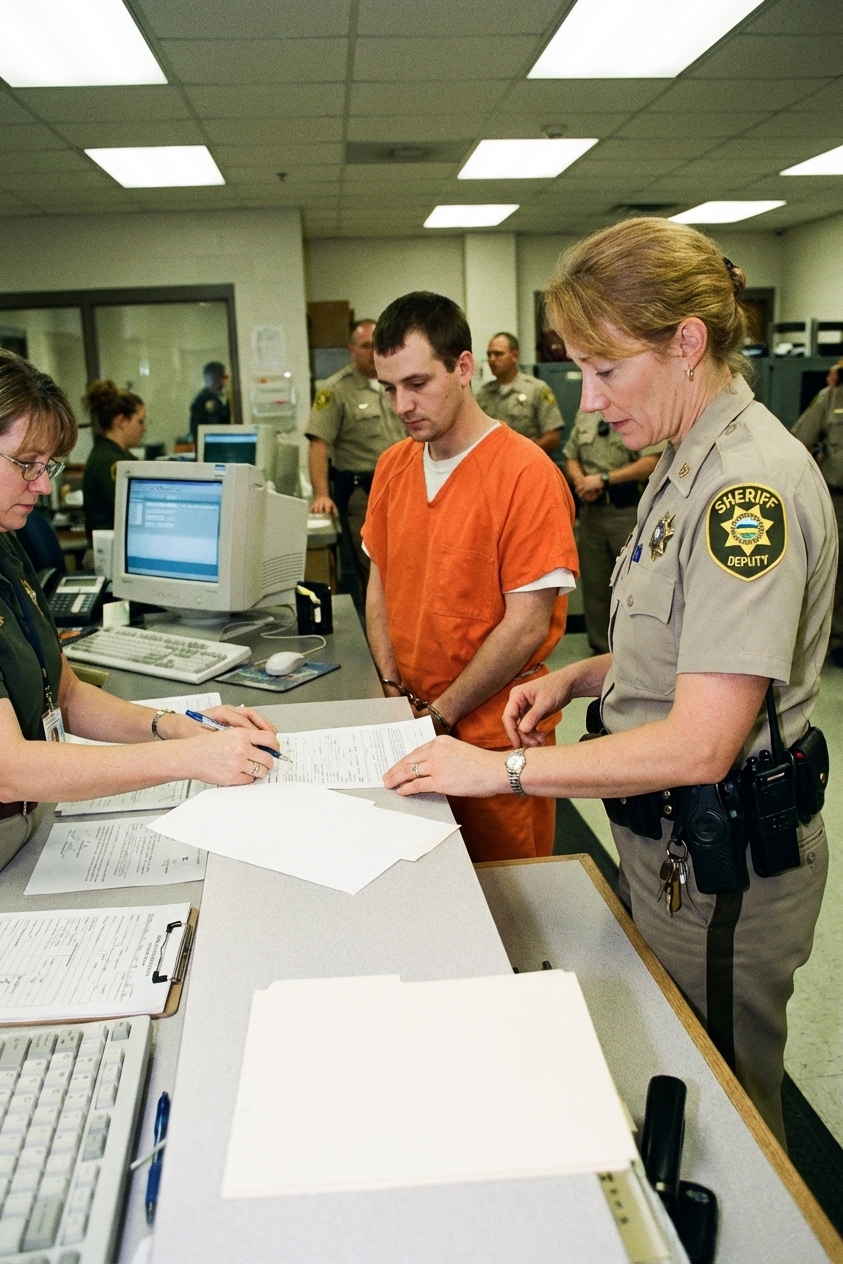
How Bail Works in the United States
Bail is supposed to answer a deceptively simple question: while a criminal case is pending, does the government have to keep you in jail to make sure you show up to court and keep the community safe? Most people think bail is the price of freedom. Legally, it is closer to a promise backed by money...
Read more →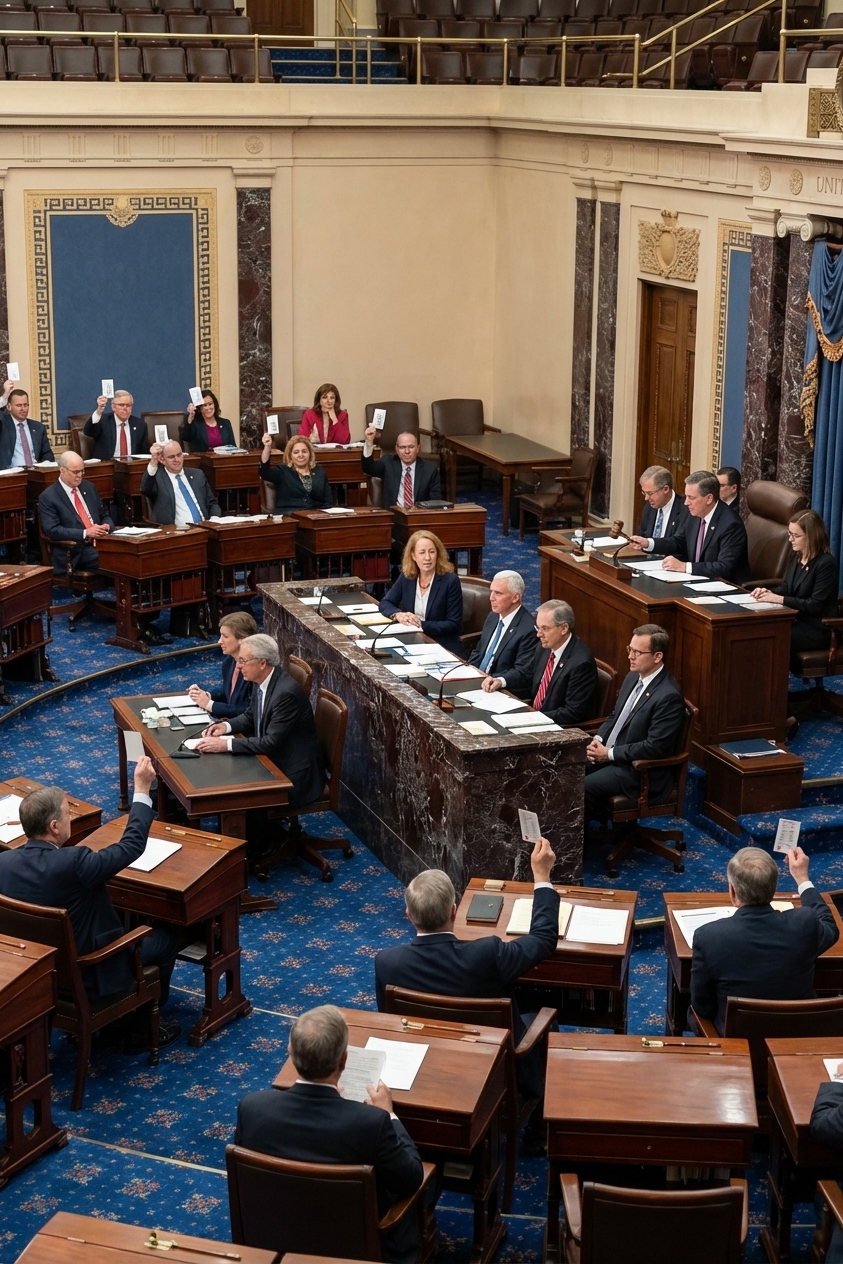
Budget Reconciliation Explained
In the Senate, most big fights eventually run into the same math problem: 60 votes. That is the practical threshold for ending debate on most contested legislation because of the filibuster and the cloture vote used to end debate. Budget reconciliation is the workaround Congress created for certain...
Read more →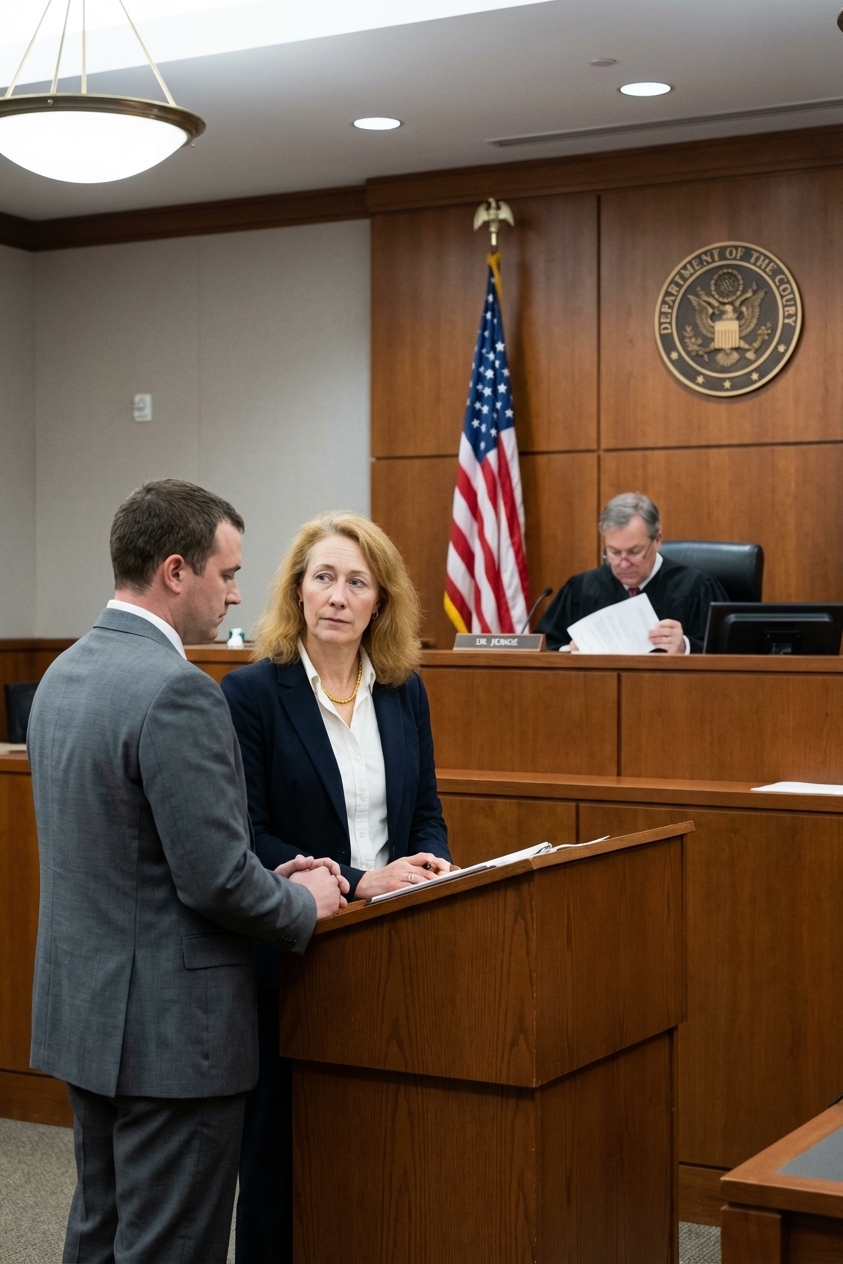
What Is a Plea Bargain and How Does It Work?
You have a constitutional right to a trial. Everyone knows that. Except most criminal cases never reach one. They end with a deal, negotiated in conference rooms and courthouse hallways, then entered on the record in a short court hearing. That deal is a plea bargain , and it is not a side feature...
Read more →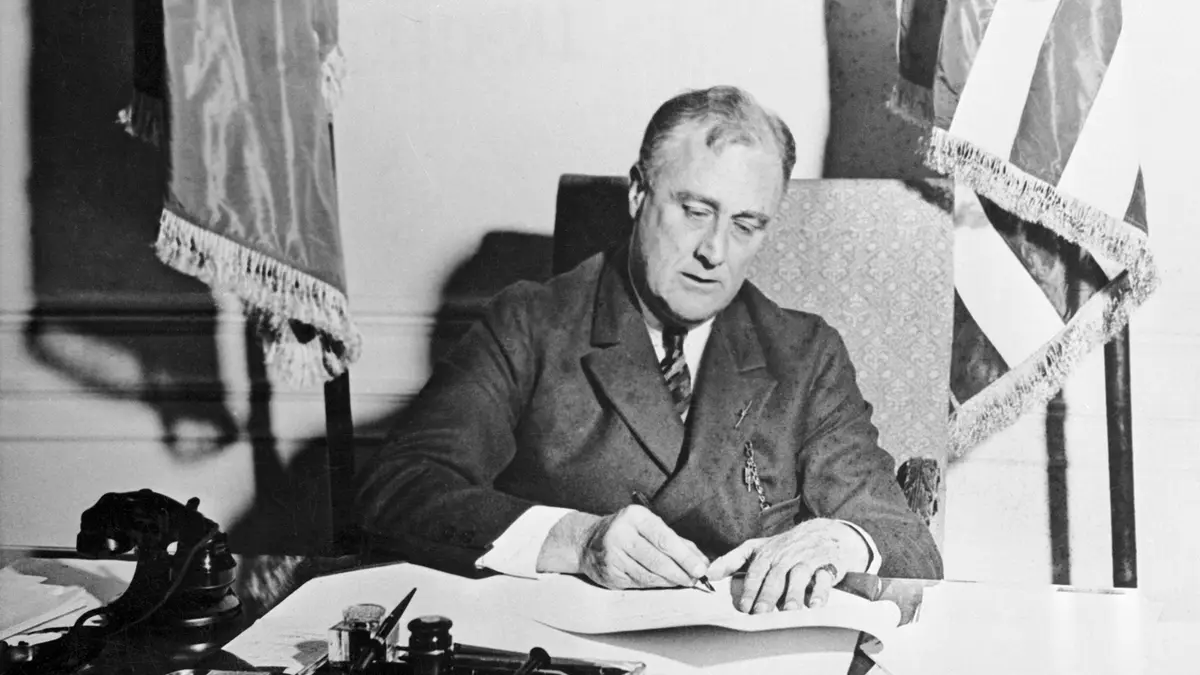
The Hatch Act: What It Is and Who It Applies To
The Hatch Act is the federal government’s attempt to answer a deceptively simple question: How do you run a democracy when the people who administer the government also have political opinions, political friends, and political ambitions? Congress’s answer, first enacted in 1939, was not “ban...
Read more →
Freedom of Information Act (FOIA)
There is no “Right to Know” Amendment. No sentence in the Constitution that promises citizens a window into the files of the federal government. That said, American law does recognize limited access rights in certain settings, and many states have their own “right to know” language in...
Read more →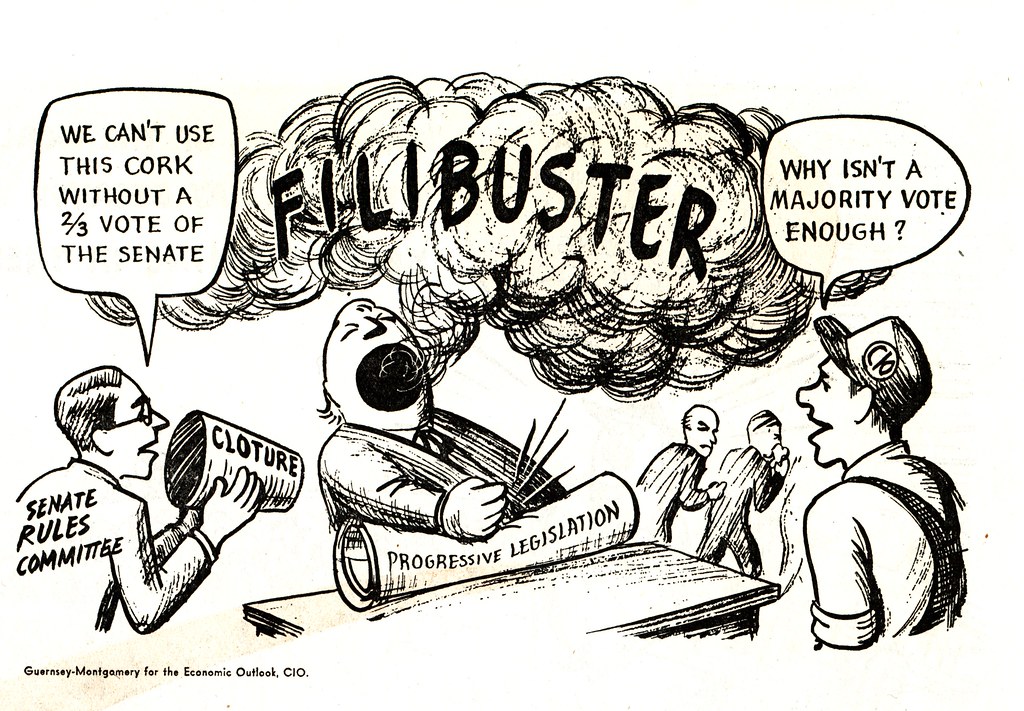
Cloture: How the Senate Ends a Filibuster
In the Senate, debate is not just talk. It is leverage. A determined minority can slow a bill down, tie it up, and sometimes quietly kill it without ever mustering the votes to defeat it outright. That maneuver is what most people mean when they say filibuster , even though modern filibusters often...
Read more →
Iranian ‘Sleeper’ Agents in Canada
When most Americans hear the phrase sleeper agent , they picture a spy novel: a quiet figure living an ordinary life, waiting for a coded message that flips a switch. But the constitutional question raised by a recent allegation is not cinematic. It is practical and unsettling. A claim attributed...
Read more →
Pam Bondi, Citizenship, and the Constitution
Pam Bondi recently argued that “Being a citizen in our country is a privilege. It’s not a right.” She made the remark while discussing denaturalization, the legal process for taking citizenship away from someone who became an American through naturalization. That sentence sounds like a...
Read more →
A Dutch Courtroom and a Genocide Claim
An Amsterdam courtroom is not where most Americans go to think about constitutional government. But it should be. Because when a lawyer stands before judges and calls COVID-19 vaccination “the largest genocide of the world’s population ever,” he is not just filing a brief. He is throwing a...
Read more →
A Murder Case and Due Process
Every so often, a criminal case lands in the public square with a set of details so jarring that it disrupts our civic instincts. A man is accused of murdering a Chicago student. He is reportedly in the country illegally. And then comes the detail that makes people sit up straight: according to...
Read more →
The Presidential Veto Explained
The Constitution gives Congress the power to write laws, but it gives the President a powerful brake: the veto. That brake is not a royal “no.” It is a forced second look. Article I, Section 7 builds a simple system that turns legislation into a conversation between branches, and then hands the...
Read more →