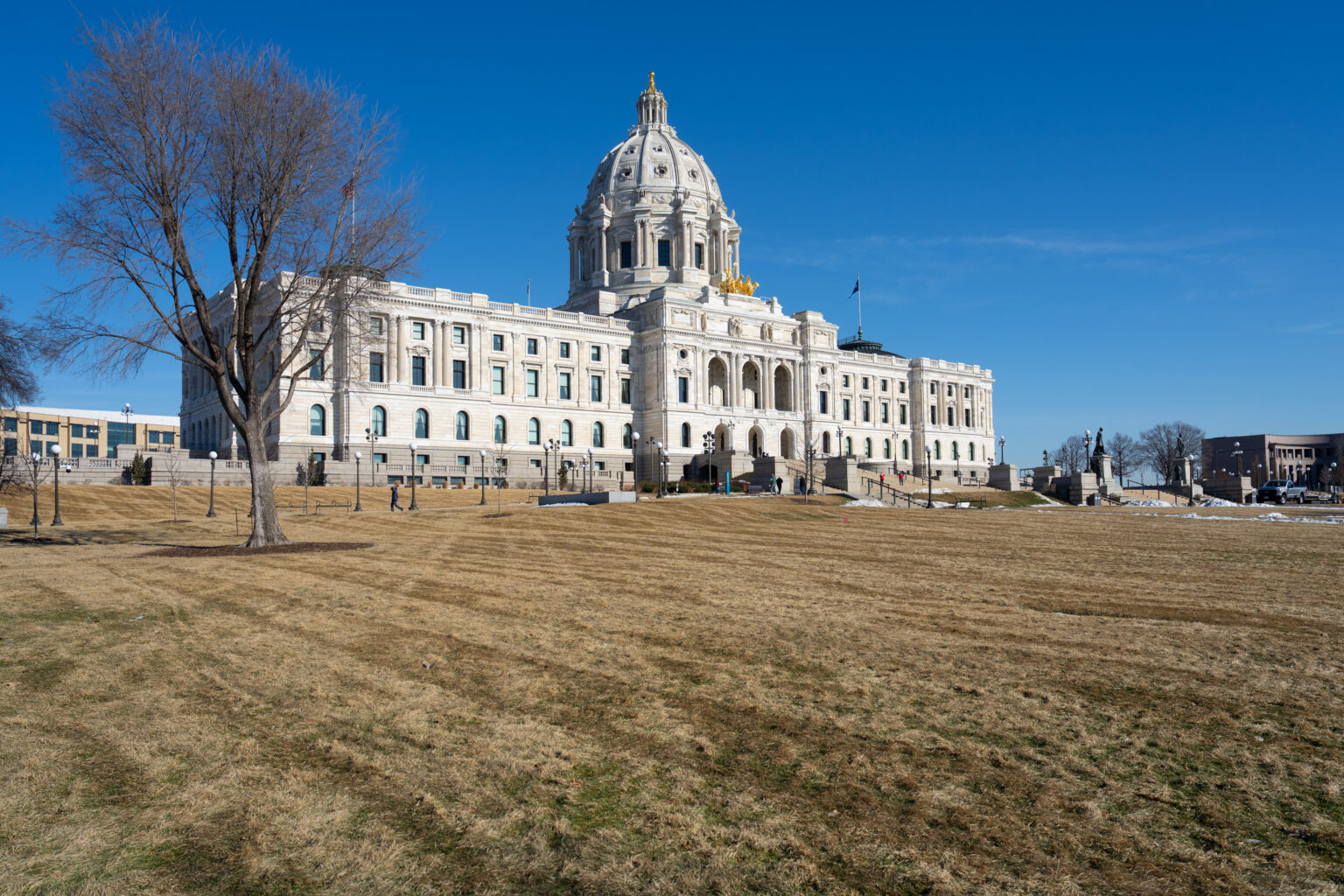
Minnesota Democrats are advancing a broad firearms package in the form of a single omnibus bill, a structure that turns multiple contested policies into one up-or-down vote.
The bill at the center of the debate is SF 4067, formally titled the Omnibus Firearms Bill. The Minnesota Senate is readying a vote on it. If it passes the Senate, it heads to the House, where opponents say the margins are far tighter.
Join the Discussion
What an omnibus bill does
An omnibus bill is not a special shortcut. It does not change vote thresholds or erase constitutional limits. What it can do is change the terrain by packaging many provisions together.
- It links outcomes. Lawmakers who like some sections and dislike others still face a single yes-or-no decision.
- It concentrates negotiations. Instead of moving a long list of standalone bills, lawmakers and advocates focus pressure on one vehicle.
- It simplifies messaging. Supporters and opponents can campaign for or against “the bill” rather than litigating every provision in public.
Those are general features of omnibus legislating, and they help explain why packaging choices often become nearly as controversial as the underlying policy.
What SF 4067 includes
Gun rights groups describe SF 4067 as a sweeping restrictions package. The National Association for Gun Rights has warned publicly that the bill would include several high-impact items, including:
- Restrictions that would ban some of the most commonly owned semiautomatic rifles in America
- A magazine limit described as a ban on magazines over 17 rounds
- Expansion of red flag style firearm confiscation procedures
- A ban on privately manufactured firearms
- A ban on binary triggers
These points reflect NAGR’s description of what the bill would do.
NAGR president Dudley Brown characterized the approach bluntly: Over and over, the Minnesota DFL and Senator Zaynab Mohamed (DFL) have tried to force gun control down the throats of Americans. Now they’ve combined all of these efforts into a single giant gun grab bill.
That is advocacy, not neutral legal analysis. But it points to the central procedural fact: one consolidated bill can carry multiple controversial changes in a single vote.
Where it stands
With the Minnesota Senate preparing to vote, opponents are focused on the vote count and on what happens next if SF 4067 clears the chamber.
The Minnesota Gun Owners Caucus stated, Yes, we believe they likely have the votes to pass this in the Senate.
The same group also highlighted the next hurdle, adding that the House is tied
, which is where SF 4067 would have to go if it passes the Senate.
In general, narrow margins in a second chamber can make large, bundled bills harder to move without changes. Close vote counts can also increase the incentive for targeted amendments or narrower drafting. That does not predict what Minnesota lawmakers will do here, but it is a common pressure point when a package is carried as one vehicle.
How opponents are responding
NAGR has said it is fighting SF 4067 tooth and nail
and is urging Minnesotans to call their state senators and representatives and urge them to bury this monstrosity
.
That push reflects a practical reality of omnibus fights: because so much is bundled together, advocacy often intensifies around a single decision point, the floor vote.
Bundling and accountability
Bundling is legal, and it is common. But it has predictable side effects that citizens should notice, regardless of where they land on gun policy:
- Less transparency. The more provisions in one bill, the harder it is for the public to track what changes and why.
- Blurred accountability. A single vote can hide disagreement, allowing lawmakers to claim credit for one section while disowning another as “part of the deal.”
- More complicated legal challenges. If challenged, courts can end up reviewing multiple provisions that raise different questions and require different records.
For supporters, omnibus drafting can look like efficiency. For opponents, it can look like a way to avoid separate, provision-by-provision scrutiny. Either way, the structure influences how the public experiences the lawmaking.
The legal backdrop
Any sweeping firearms package today sits under the Supreme Court’s Second Amendment framework, especially after District of Columbia v. Heller, McDonald v. Chicago, and New York State Rifle & Pistol Association v. Bruen. In general terms, modern gun regulations are increasingly evaluated against historical analogues and the original public meaning of the right to keep and bear arms.
That does not decide the outcome for any specific provision in SF 4067. It does mean lawmakers, advocates, and the public should expect serious litigation risk around major restrictions, and they should factor that reality into claims about what the bill will achieve in practice.
What to watch
The near-term question is straightforward: does SF 4067 pass the Senate, and if so, can it clear the House?
The longer-term question is procedural: whether a major firearms agenda moved as one package strengthens public confidence through clarity, or weakens it by making the process feel like a test of leverage rather than deliberation.