
Articles by Eleanor Stratton
Browse articles in Articles by Eleanor Stratton on U.S. Constitution
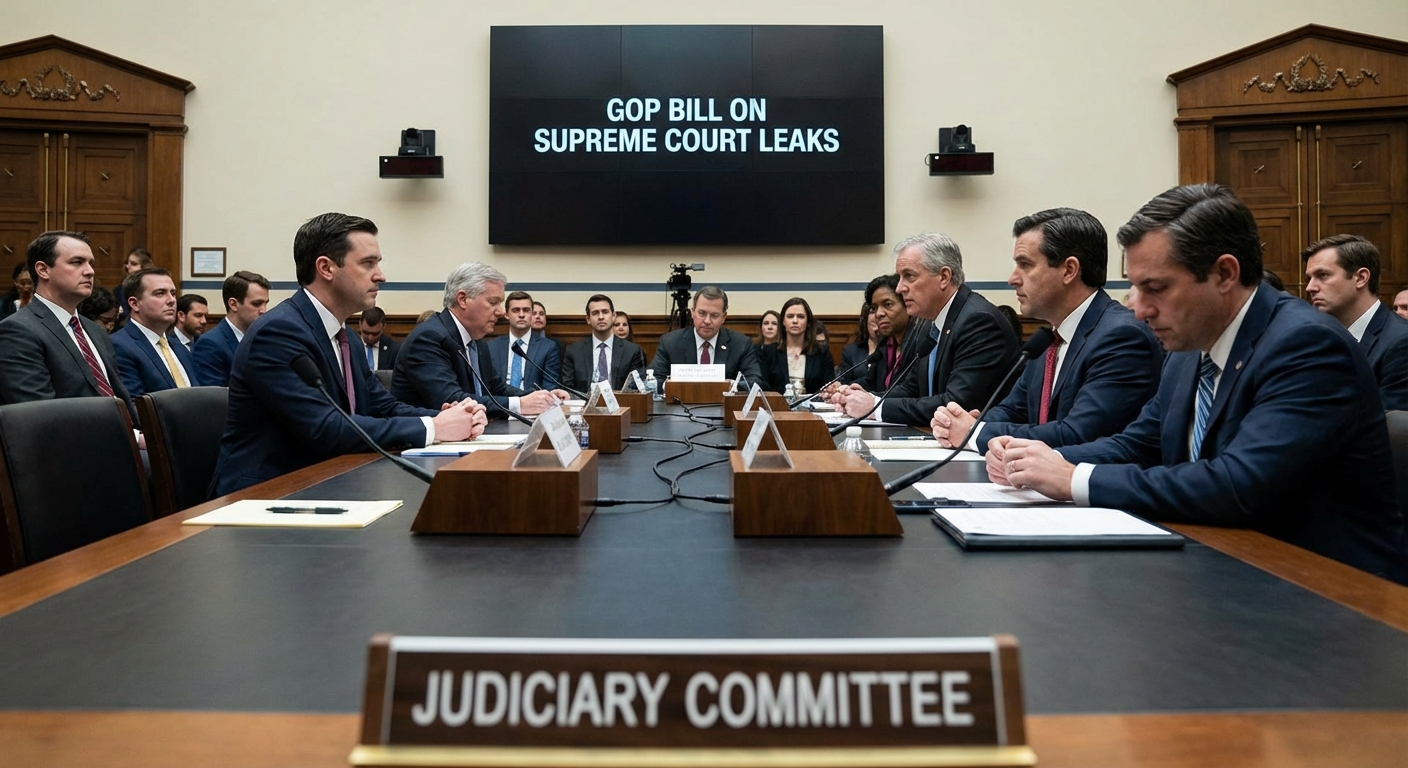
Republican Bill Targes Supreme Court Leaks
Supreme Court leaks have become a contentious issue. The 2022 leak of the Dobbs decision draft opinion marked a significant change, exposing the court’s position on a major abortion case. It ignited protests outside the homes of conservative justices, highlighting potential risks of such breaches....
Read more →
High Profile First Amendment Case: Supreme Court to Side with Religious Groups
The Supreme Court appears ready to side with Catholic Charities in a crucial First Amendment case, potentially expanding tax exemptions for religiously affiliated groups. Justices, including liberals, expressed concern over Wisconsin’s approach of categorizing religious groups based on their active...
Read more →The Loophole Cartels Use For Fentanyl Shippings
Every day, millions of packages crisscross the globe, zipping through customs with barely a second glance. What was meant to streamline e-commerce and international trade has, in the shadows, become a golden opportunity for those with far more sinister intentions. Hidden among everyday deliveries –...
Read more →
No Appeals, No Delays -Trump’s Latest Deportation Sends a Message
Seventeen alleged members of the Tren de Aragua gang were transferred to El Salvador by the U.S. military, following orders from the Trump administration. These individuals were moved from Guantanamo Bay on a Sunday night. Secretary of State Marco Rubio stated on X: “These criminals will no longer...
Read more →
Did Trump Find a Loophole to Extend His Presidency?
The 22nd Amendment, ratified in 1951, restricts presidents from being elected beyond two terms. This rule was inspired by Franklin D. Roosevelt’s unprecedented four terms as president. While the amendment seems straightforward, some legal scholars have identified a potential loophole. Consider this...
Read more →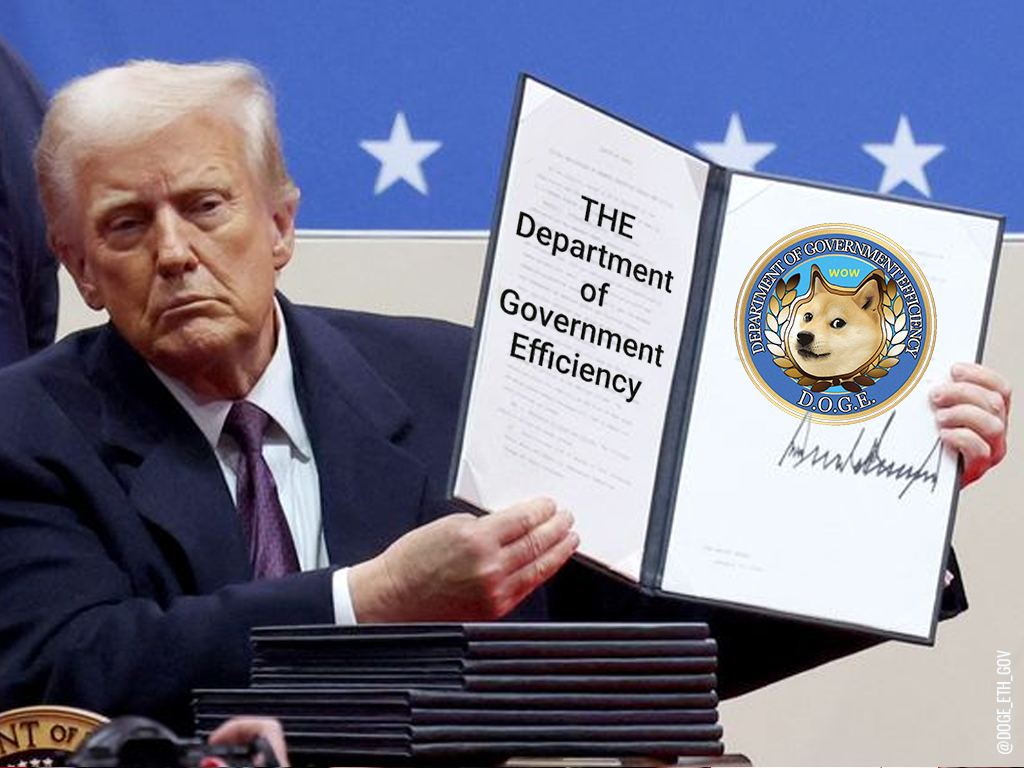
Is DOGE a Government Agency?
DOGE, created by President Trump, operates within the U.S. Digital Service (USDS) to streamline government functions. However, its status as a legitimate government agency remains unclear. DOGE’s unconventional structure and operations raise questions about its true position within the federal...
Read more →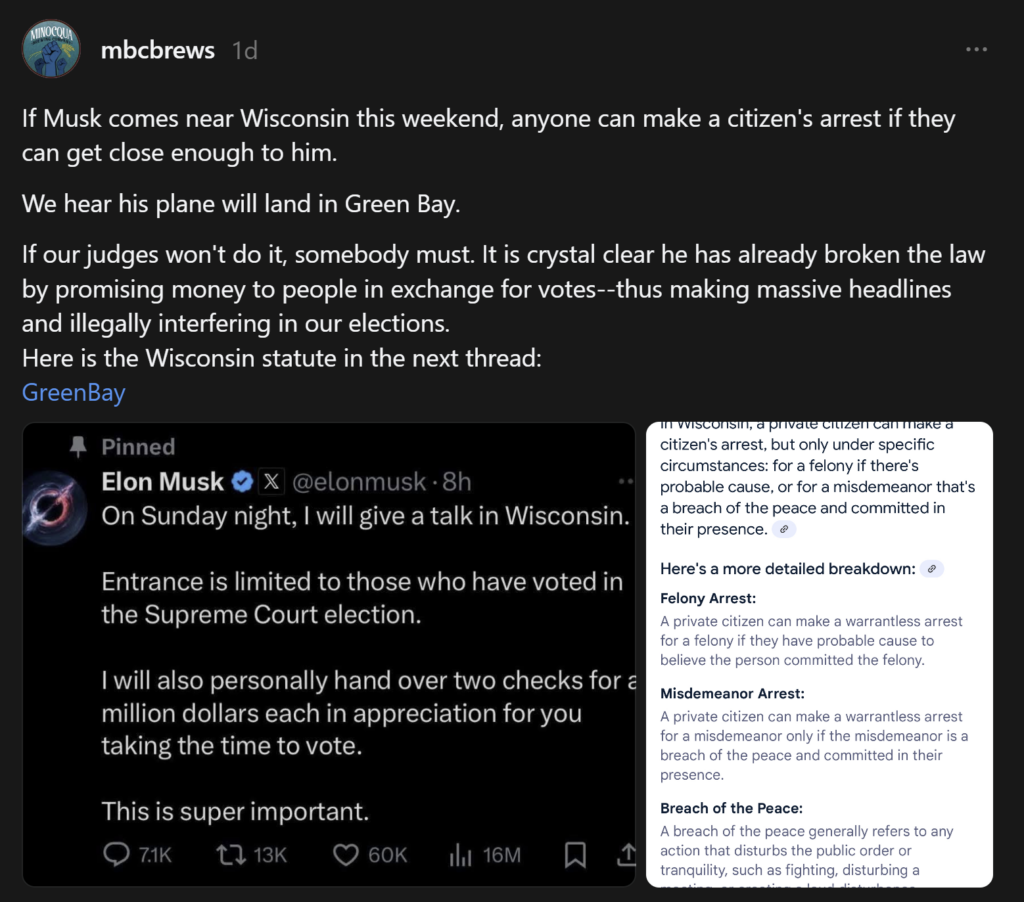
Wisconsin Brewery Calls for Musk’s Citizen’s Arrest
Elon Musk’s upcoming visit to Wisconsin has ignited a firestorm of controversy, particularly from the Minocqua Brewing Company . The brewery took to Facebook with a bold appeal, encouraging citizens to arrest Musk if he enters the state. Their claim? Musk allegedly distributed $1 million checks to...
Read more →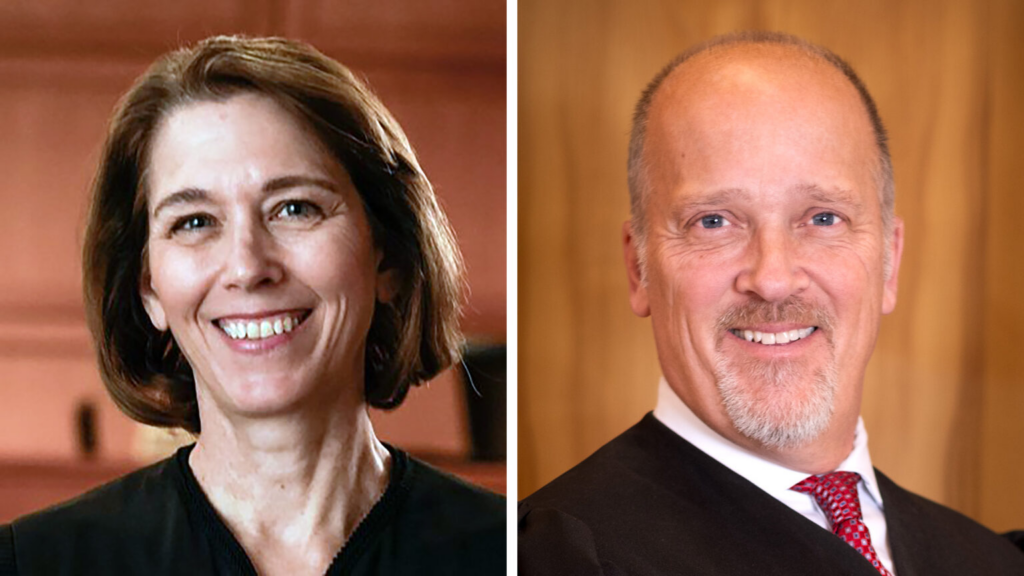
Why The Wisconsin Supreme Court Election Is So Important
The Wisconsin Supreme Court election on April 1 holds significant importance for the state and potentially the nation. This contest between Judge Brad Schimel and Judge Susan Crawford could determine the court’s ideological balance for years to come. Schimel, supported by Donald Trump, advocates...
Read more →
Legality of Tufts Student’s ICE Detention
The detention of Rümeysa Öztürk, a PhD student at Tufts, has ignited a debate on constitutional rights and immigration enforcement. Öztürk was apprehended by ICE officers in Boston and transferred to a detention center in Louisiana, allegedly due to an expired visa. Her legal team, backed by the...
Read more →
Trump Serious About Third Presidential Term
President Donald Trump recently declared he’s “not joking” about seeking a third term, hinting at potential ways to circumvent the constitutional limit. In an NBC News interview, Trump alluded to the possibility of Vice President JD Vance running and later transferring the presidency, though he...
Read more →
Trump’s Patience with Putin Running Thin
President Trump’s tolerance for Putin’s delay tactics regarding the Ukraine ceasefire appears to be waning. Finnish President Alexander Stubb, following meetings with Trump and Zelenskyy, shared insights in a Guardian interview. He’s pushing for Russia to adhere to the ceasefire by April 20. Stubb...
Read more →
‘Military Force’ Not Ruled Out In Trump’s Greenland Plans
President Trump has clarified his position on acquiring Greenland, proposing a peaceful acquisition plan while preserving military options for national security reasons. Vice President JD Vance’s trip to the mineral-rich island with senior U.S. officials underscores America’s growing interest in...
Read more →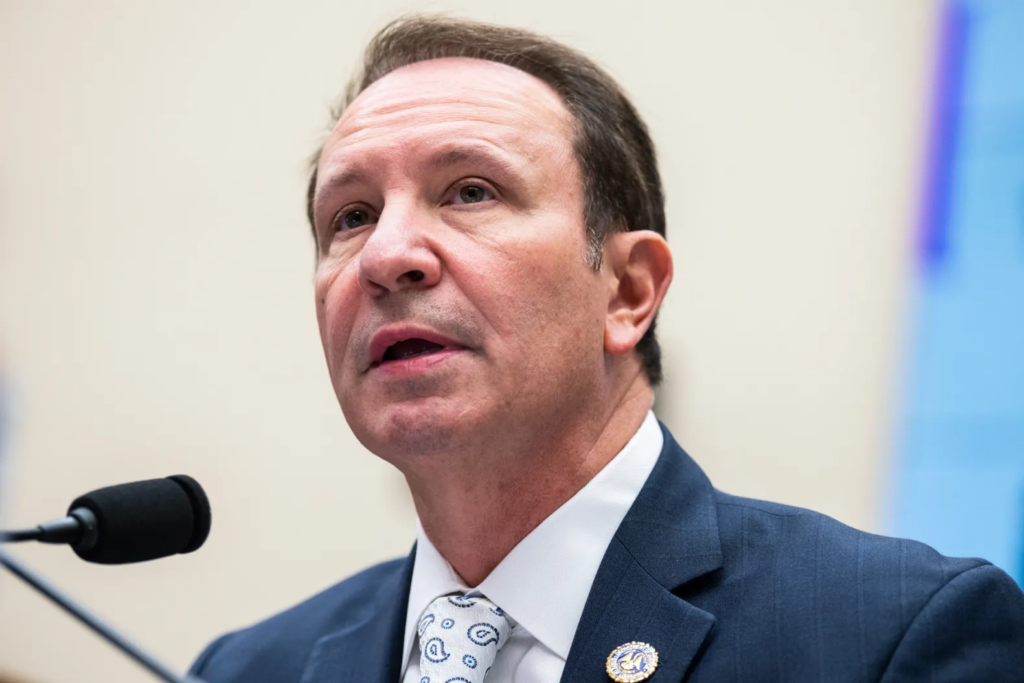
Louisiana Voters Reject Constitutional Amendments
Louisiana voters recently faced a decision on four proposed amendments to their state constitution. These amendments aimed to reshape several key aspects of state governance, but were all rejected by voters . Here’s an overview of what was proposed: Amendment 1 sought to expand the Louisiana...
Read more →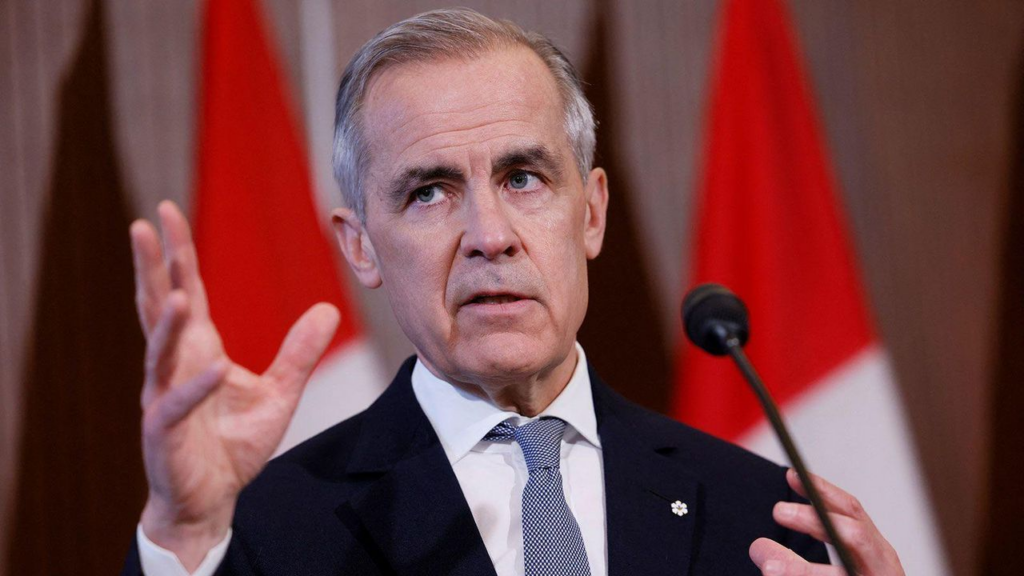
Trump Threatens Tariffs on Canada, New Prime Minister Says Old US/Canada Relationship is Over
Canadian Prime Minister Mark Carney recently announced a significant shift in Canada’s relationship with the United States. This change comes in response to the 25% tariffs imposed by the US on Canadian auto imports . Carney has called for an overhaul of the Canadian economy to cope with this new...
Read more →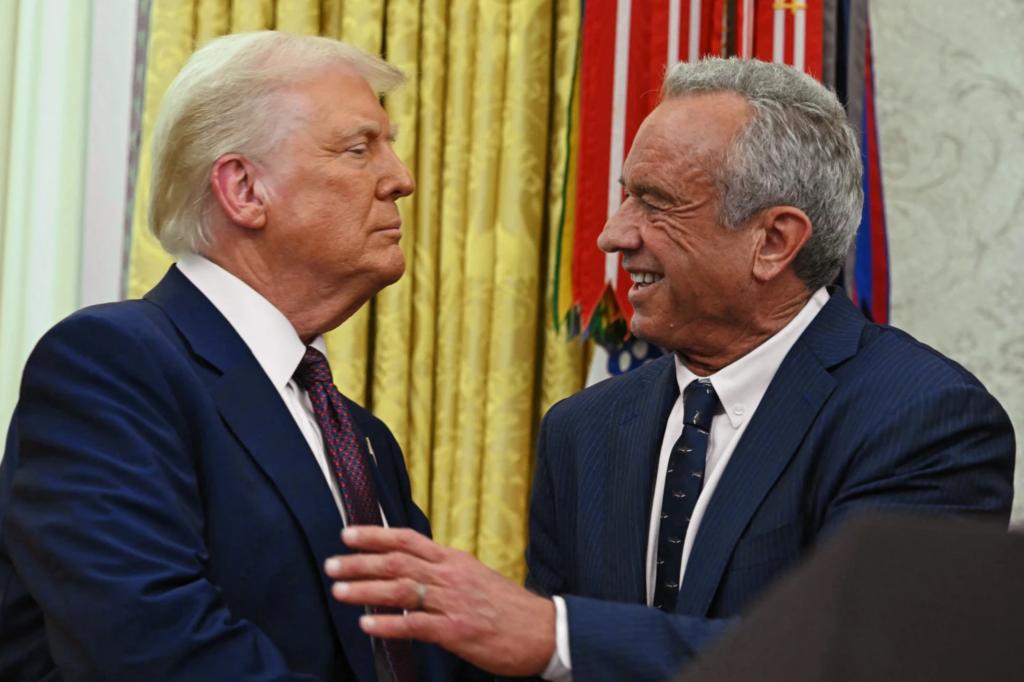
HHS Cuts $330M in California Alone
Secretary Robert F. Kennedy’s Department of Health and Human Services (HHS) has revoked more than $330 million in grants related to diversity, equity, and inclusion (DEI) and gender studies in California. HHS spokesperson Andrew Nixon stated, “HHS terminated more than $330 million in research...
Read more →
What Is Going To Happen On April 2nd? Things To Know About ‘Liberation Day’
President Donald Trump is set to unveil a sweeping new trade policy on April 2, dubbed “Liberation Day.” This ambitious plan aims to address trade imbalances through the implementation of reciprocal tariffs on countries deemed to have unfair trade practices with the United States. The move is...
Read more →
The Two Improvements DOGE Vowed on Social Security
Major changes are underway to make government services more secure, efficient, and reliable for the American people. A team of dedicated experts is working behind the scenes to restore trust, efficiency, and security to critical government services. New measures are being introduced to safeguard...
Read more →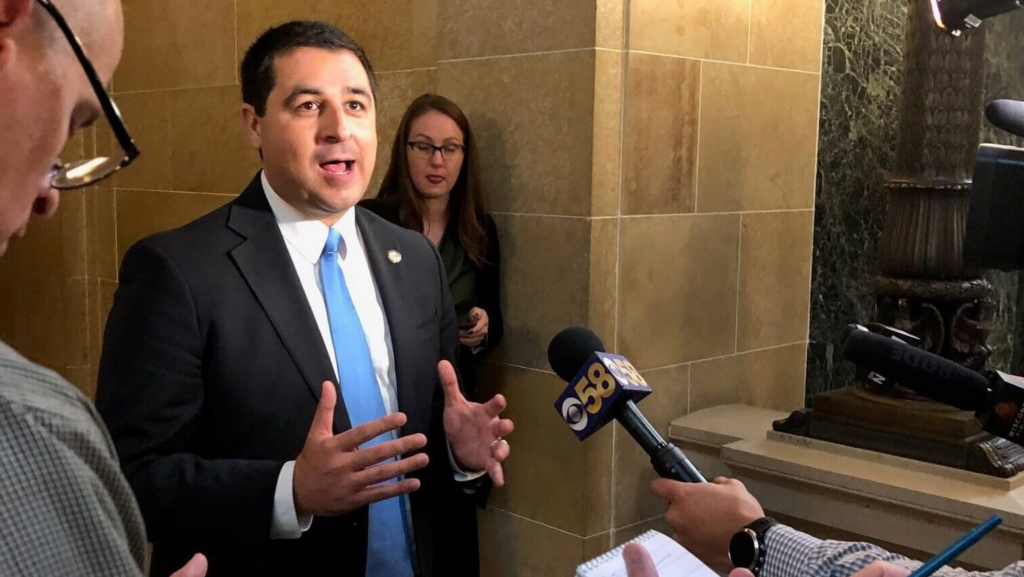
Wisconsin Sues Musk Over Election Cash Offer
The Wisconsin Supreme Court race has become a hotbed of controversy, largely due to the involvement of billionaire Elon Musk. His proposal to grant monetary awards to voters associated with a petition against “activist judges” has ignited a fierce legal and public debate, raising significant...
Read more →
HHS Cuts 10K Jobs in Restructure
The Department of Health and Human Services (HHS) is undergoing a significant transformation, reducing its workforce by 20,000 jobs, from 82,000 to 62,000 employees. This sweeping change is projected to save $1.8 billion annually . Secretary Robert F. Kennedy Jr. revealed these modifications as...
Read more →
Are DOGE Layoffs ‘Efficient’ If They Send Unemployment Through the Roof?
The Trump administration, through the Department of Government Efficiency (DOGE) headed by Elon Musk, has implemented significant cuts to the federal workforce. In February, 62,000 federal employees from 17 agencies lost their jobs , marking a substantial reduction in recent history. This action...
Read more →