
Articles by Eleanor Stratton
Browse articles in Articles by Eleanor Stratton on U.S. Constitution

Efficiency Cuts Don’t Stop For Medical Advancements
America became a global leader in medicine and innovation thanks to institutions like NIH and NSF. They helped wipe out polio, manage HIV, and launch the biotech boom – but now funding cuts threaten to unravel it all. Labs are closing, trials are vanishing, and young scientists are leaving the...
Read more →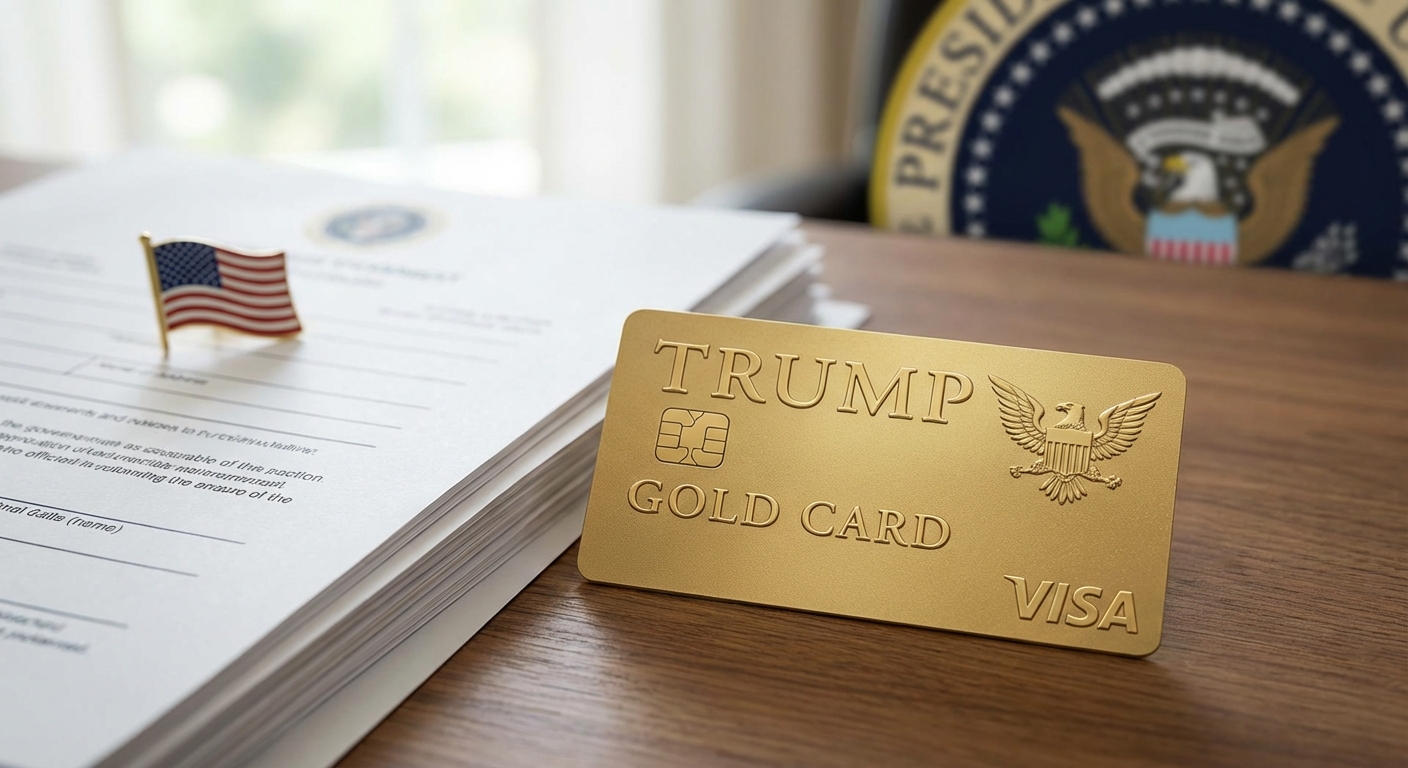
Trump’s Gold Card Visa
President Trump's "gold card" proposal suggests a streamlined path to U.S. citizenship for wealthy investors. Unlike the current EB-5 Visa, which requires substantial investment leading to job creation, the gold card offers a simpler option — a $5 million payment without the need to demonstrate job...
Read more →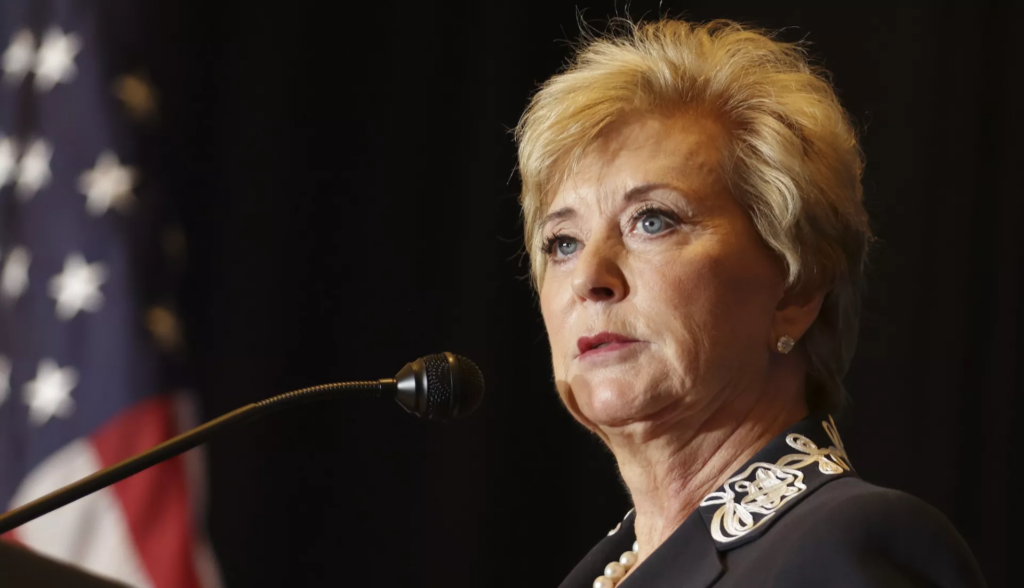
Feds Launch Title IX Team to Crack Down on Trans Athletes in Girls’ Sports
Education Secretary Linda McMahon has announced the formation of the Title IX Special Investigations Team (SIT) , tasked with enforcing President Donald Trump’s executive orders on transgender women in sports . This unit aims to expedite Title IX investigations that traditionally take months or...
Read more →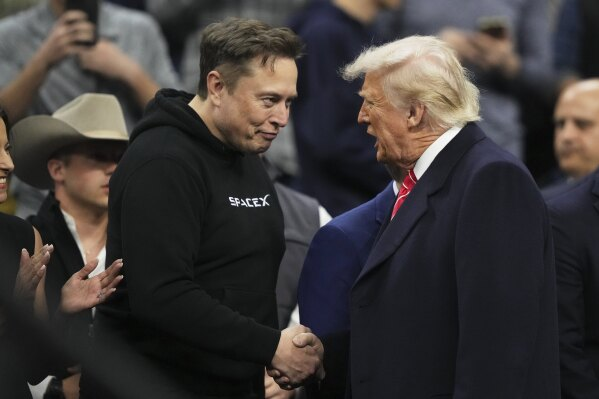
Is Musk About To Leave DOGE?
Elon Musk’s role at the Department of Government Efficiency (DOGE) is set to conclude on May 30, aligning with the 130-day limit for special government employees as defined by Congress in 1962. The White House has confirmed this planned departure, dispelling earlier reports of an early exit. White...
Read more →
‘Liberation Day’ Tariffs Announced
President Donald Trump has introduced a new set of tariffs , dubbed “kind” reciprocal tariffs, designed to match or exceed trade barriers imposed on American goods by other countries. The centerpiece of this policy is a 25% tariff on all foreign-made automobiles , effective immediately. This...
Read more →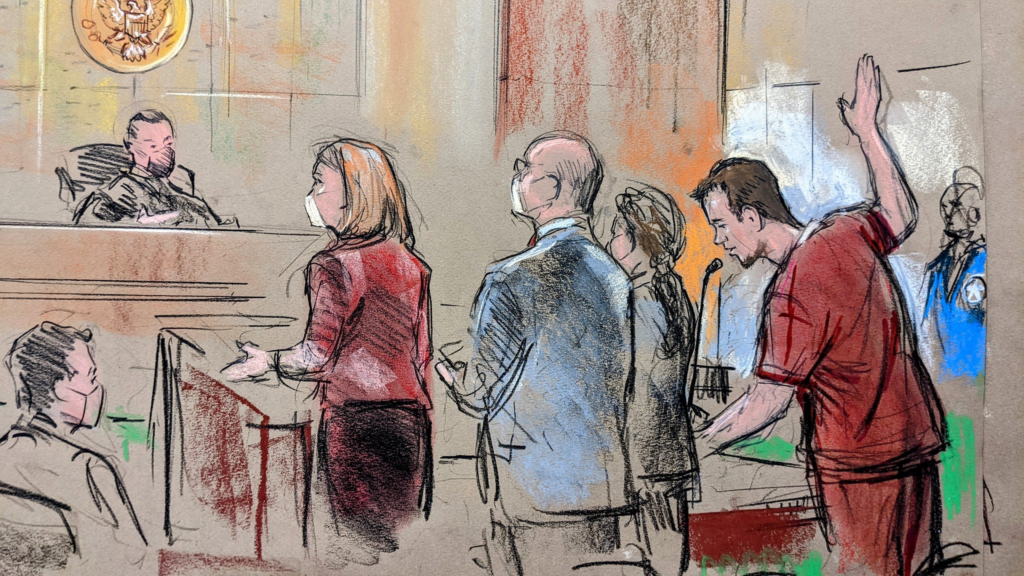
Supreme Court Justice Assassination Plot: Accused to Plead Guilty
Nicholas Roske, accused of plotting to assassinate Supreme Court Justice Brett Kavanaugh, plans to plead guilty according to recent court documents. The case, initially set for a June trial, has shifted as Roske’s defense team informed U.S. District Judge Deborah Boardman of their client’s...
Read more →
Trump Tariffs: Two Scenarios for How They Could Play Out
On April 2nd, the U.S. trade landscape shifted dramatically. President Trump’s sweeping “Reciprocal Tariffs” are either a long-overdue rebalancing of global trade—or the first strike in a costly trade war. With allies and rivals alike now facing new import duties, the stakes are sky-high. Will...
Read more →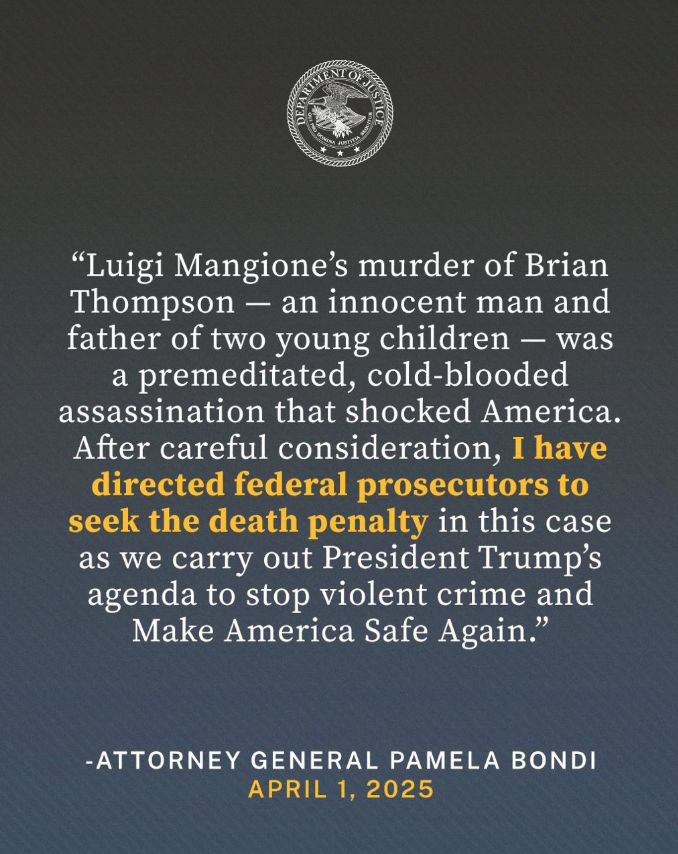
AG Bondi Directs Federal Prosecuters to Seek Death Penalty For Luigi Mangione
Luigi Mangione faces federal charges for the murder of UnitedHealthcare CEO Brian Thompson . The primary charge, murder using a firearm, could result in the death penalty . Attorney General Pam Bondi has directed prosecutors to pursue capital punishment, aligning with President Trump’s focus on...
Read more →Judge Criticized for SCOTUS Ties
Judge James Boasberg has become a lightning rod for conservatives due to his involvement in high-profile cases against the Trump administration, particularly regarding deportations. His orders halting the deportation of individuals based on a 1798 wartime authority have angered President Trump and...
Read more →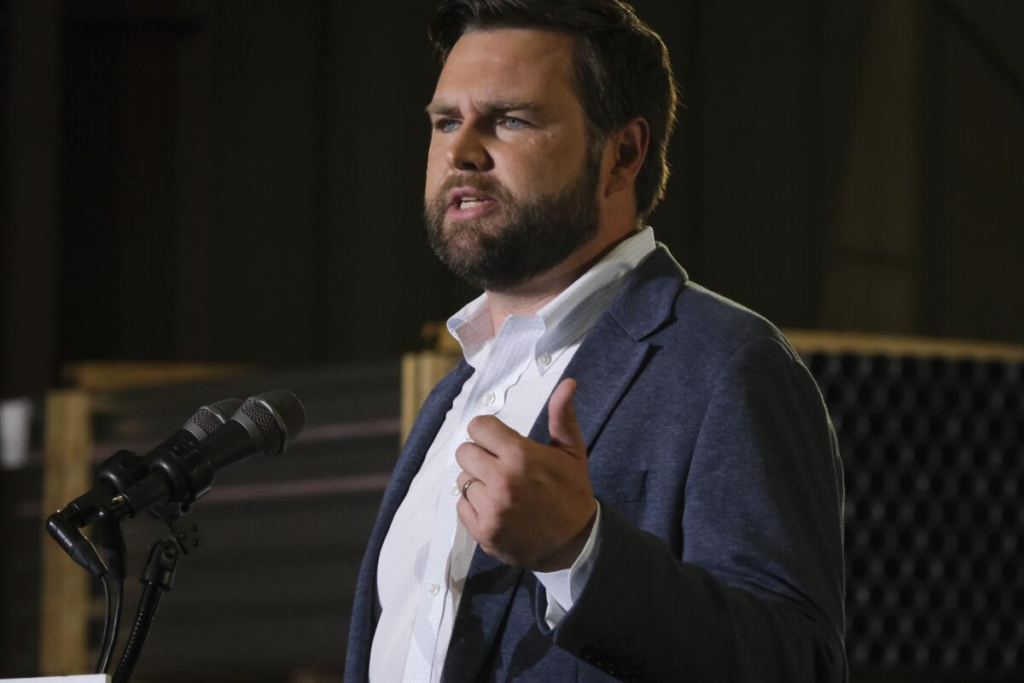
Trump Team Admits Deportation Mistake
Vice President JD Vance responded to public outcry over the Trump administration’s mistaken deportation of Kilmar Abrego Garcia, who had protected legal status. Vance expressed frustration, suggesting focus should instead be on gang members’ victims: "It's gross to get fired up about gang members...
Read more →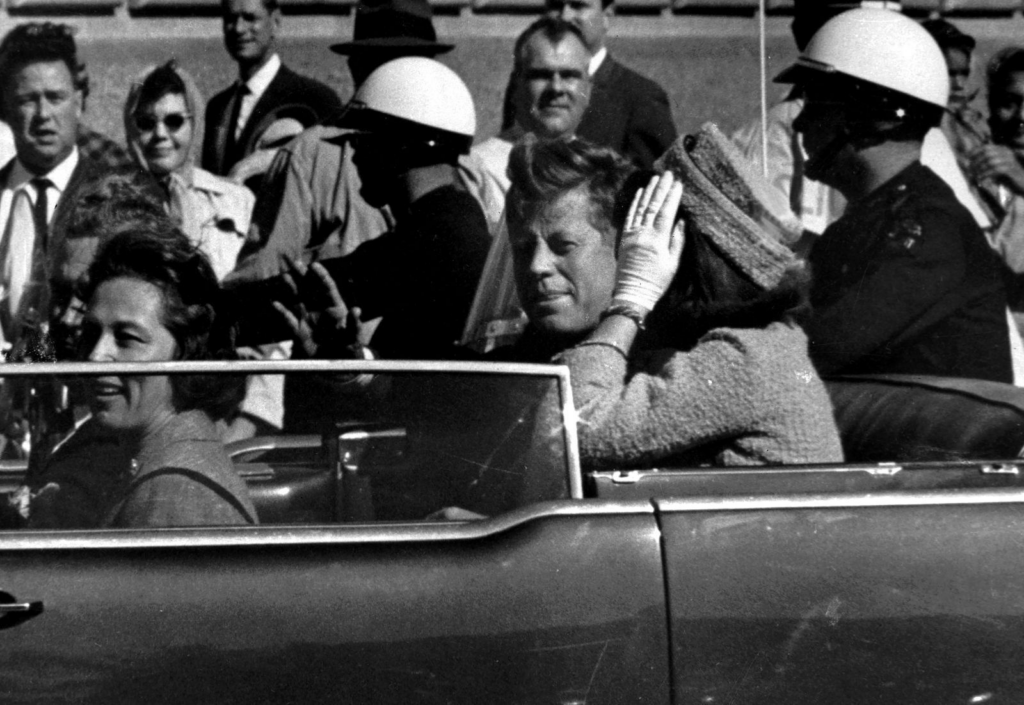
Congress Goes After Unresolved Questions in JFK Files Hearing
The assassination of President John F. Kennedy remains a widely discussed topic in American history. The upcoming congressional hearing by the House Task Force on the Declassification of Federal Secrets, led by Rep. Anna Paulina Luna, will examine newly declassified documents. Notable figures like...
Read more →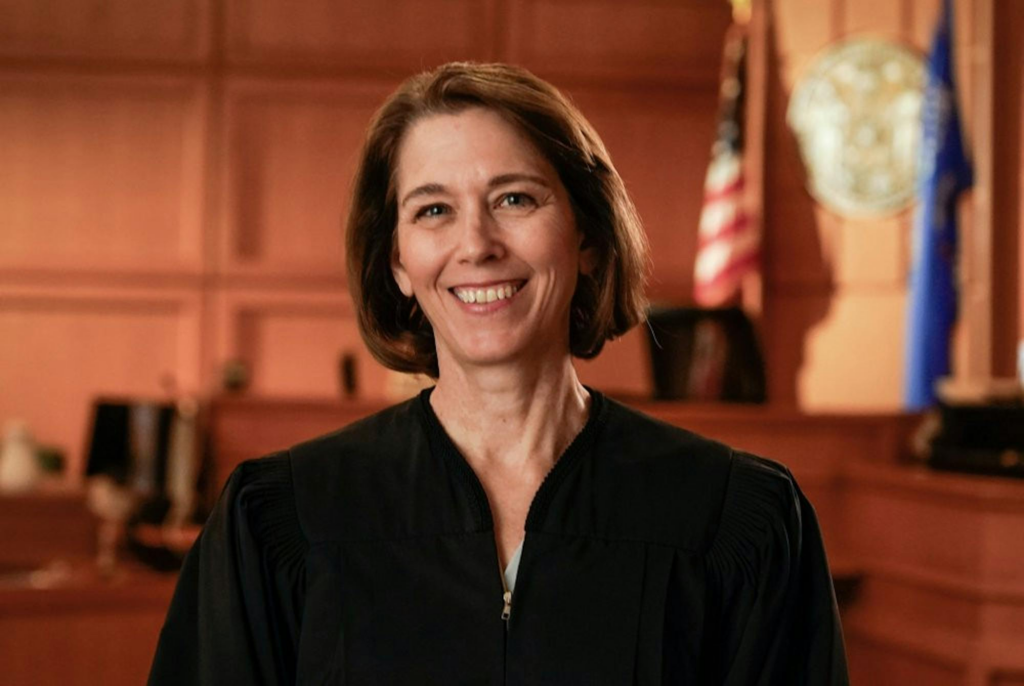
Wisconsin Supreme Court Election: Why The Results Matter
Susan Crawford has secured a seat on the Wisconsin Supreme Court, winning a ten-year term and cementing a liberal majority on the state’s highest court. Her victory over Brad Schimel, supported by Donald Trump and Elon Musk, marks a significant political event. This election became the costliest...
Read more →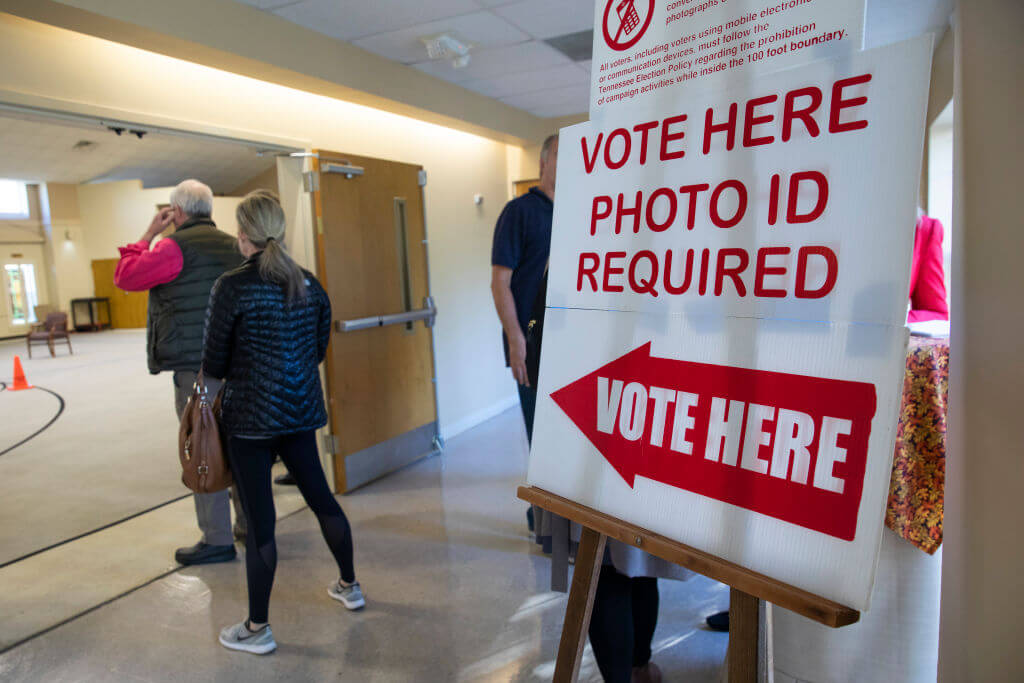
Wisconsin Enshrines Voter ID Law
Wisconsin voters have approved a constitutional amendment to enshrine their voter ID requirement, as reported by the Associated Press on April 1. The amendment passed with 60.3% of the vote , representing 482,591 ballots out of the total. The opposing side comprised 39.7% or 318,236 voters who...
Read more →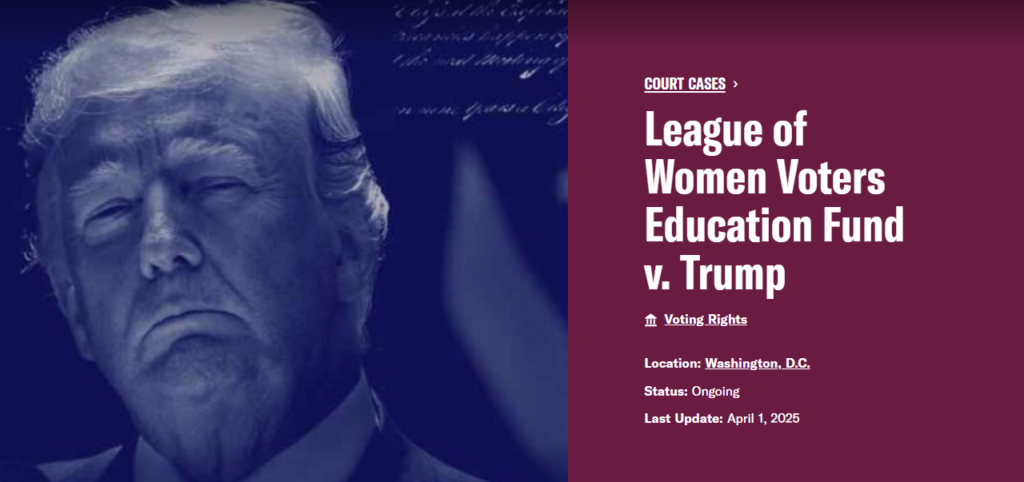
Constitutional Basis for Trump’s Voter Order Lawsuit
In the United States, the Constitution establishes the foundation for our republic. It clearly defines the powers of Congress and the states to regulate elections, intentionally excluding the President from this authority. This division ensures protection against executive overreach. A recent...
Read more →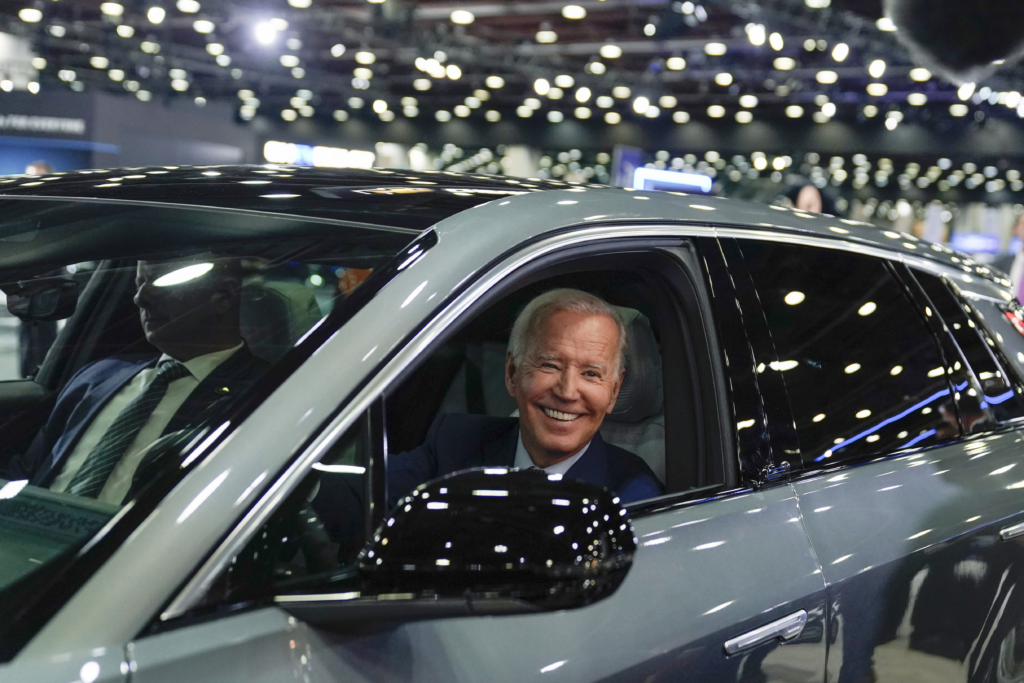
‘Biggest Day Of Deregulation in American History’: Trump EPA Rolls Back Biden Environmental Rules
In a significant move , the Trump administration’s Environmental Protection Agency announced a rollback of over two dozen Biden-era regulations, focusing on vehicle emissions and power plant pollution. EPA Administrator Lee Zeldin dubbed it “the biggest day of deregulation in American history,”...
Read more →Why Trump’s ‘Liberation Day’ Tariff Strategy is so Risky
President Donald Trump’s “Liberation Day” initiative aims to reshape U.S. trade relationships through reciprocal tariffs. This approach could potentially boost domestic manufacturing by incentivizing firms to relocate production to American soil. However, the strategy faces significant challenges...
Read more →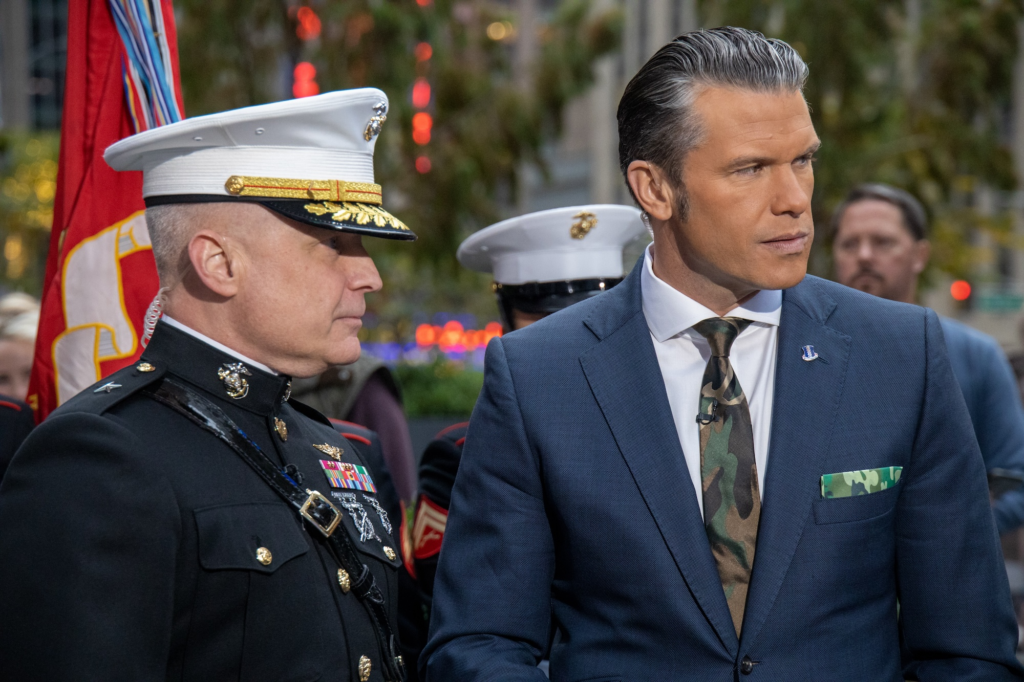
Hegseth to Reverse ‘Woke’ Military Policies
Defense Secretary Pete Hegseth has issued a directive to apply uniform standards in combat roles, regardless of gender. This memo mandates sex-neutral standards for combat arms jobs, marking a shift from what Hegseth refers to as “slipped standards” from previous leadership. According to Hegseth,...
Read more →Signal Chat Case Closed Despite Remaining Questions
The White House has addressed the Signal chat incident involving the accidental inclusion of a journalist in a military discussion. Press secretary Karoline Leavitt stated the administration’s intention to move past the event. Mike Waltz, Trump’s national security advisor responsible for the error,...
Read more →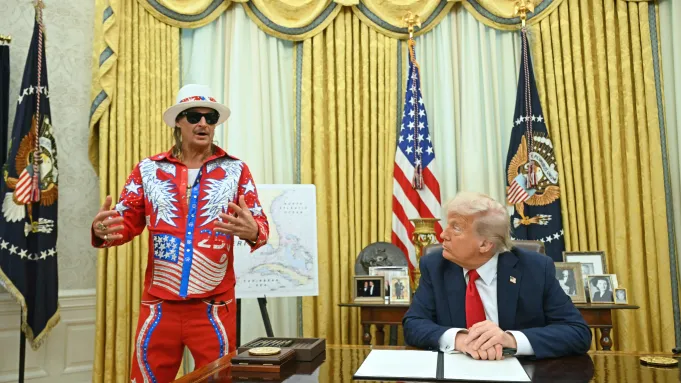
Trump Signs Order Against Ticket Price-Gouging
President Donald J. Trump, accompanied by Kid Rock, signed an executive order targeting ticket price-gouging. The patriotic singer stood by the president’s side as he inked the order aimed at addressing unethical ticket scalping practices. Key aspects of the executive order include: Directing the...
Read more →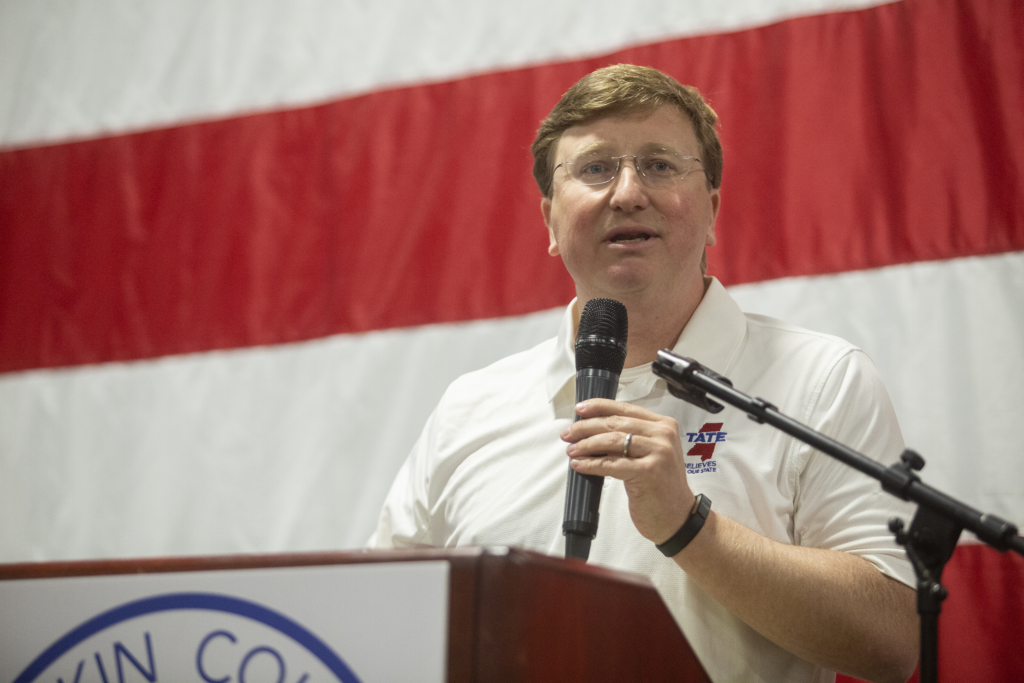
GOP State Announces Massive Tax Relief, But Democrats Concerned
Governor Tate Reeves recently signed the Build-Up Mississippi Act , setting the state on a path to eliminate its individual income tax by 2030. The law introduces changes to other taxes as well: Starting July 1, 2025, the sales tax on groceries will decrease from 7% to 5% Gasoline taxes will rise...
Read more →