
Arraignment sounds like a technical waypoint in the criminal process, but it is one of the most consequential first moments in a case. It is the court’s way of putting the accusation on the record, making sure the defendant knows what the government says they did, and requiring the court to address a basic question early: who is going to represent this person, and under what conditions will they be free while the case moves forward?
In movies, arraignment is often treated like a mini trial. In real life, it is usually brief, sometimes crowded, and almost always procedural. But “procedural” does not mean “low stakes.” What happens at arraignment can shape bail, plea posture, deadlines, and the pace of everything that follows.

Join the Discussion
What arraignment is for
The purpose of arraignment is simple: it is a formal early courtroom step after criminal charges are filed. In some places it is the defendant’s first appearance. In others, it comes after an initial appearance or presentment. Either way, the judge (or magistrate) uses the hearing to:
- State the charges in open court or confirm the charging document has been provided (and often ask whether the formal reading is waived).
- Advise the defendant of key rights, including the right to counsel and the right to remain silent.
- Address counsel, meaning confirm retained counsel, appoint counsel, or schedule counsel appointment steps.
- Take a plea to each charge, usually “not guilty” at this early stage.
- Address release by setting conditions, setting bail, or scheduling a separate detention or bail hearing, depending on local practice.
- Set the next dates for motions, discovery deadlines, conferences, and trial scheduling.
Arraignment is not where guilt is decided. It is where the system locks in what the case is, who is involved, and what the next steps must be.
When arraignment happens
Timing depends on custody status and whether the case is in state or federal court. A key theme runs underneath it: the government generally cannot hold someone for long without bringing them before a judicial officer. The exact deadlines vary by jurisdiction and by context, such as whether the arrest was made with a warrant or without one.
If the defendant is arrested
After an arrest, many jurisdictions bring the person to court quickly, commonly within a day or two, though weekends and holidays can complicate this. That first appearance may be called an arraignment, an initial appearance, a presentment, or something similar, and in some places it is split into multiple hearings.
One point that often confuses people: in warrantless arrests, the law may require a prompt probable-cause determination (sometimes discussed as a Gerstein-type requirement). That probable-cause check can occur at the first appearance, but it is not always the same thing as arraignment, and it may be handled separately depending on the jurisdiction.
If the defendant is charged by summons or citation
Not all cases begin with handcuffs. Many misdemeanors and some low-level felonies begin with a summons ordering the person to appear in court on a set date. In those cases, arraignment may be the defendant’s first court date, scheduled days or weeks after charges are filed.
If charges come by indictment
When a grand jury indictment is used, arraignment typically happens after the indictment is returned and the defendant is arrested or summonsed to court. The charging posture changes, but the arraignment function remains familiar: notice, rights, counsel, plea, and scheduling.
What happens in court
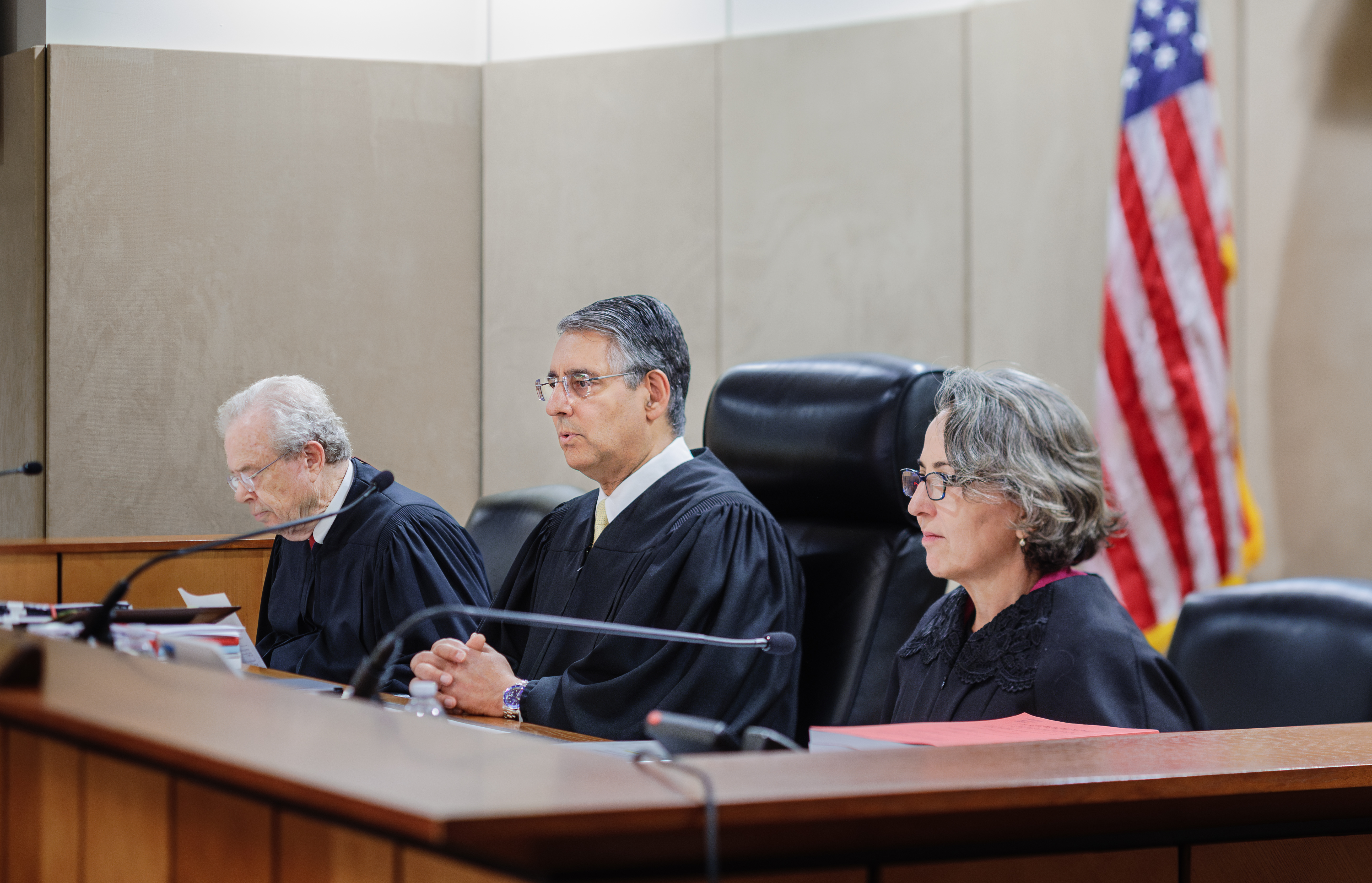
An arraignment is usually short. The judge calls the case, confirms identity, and ensures the defendant has the charging document (a complaint, information, or indictment). In many courtrooms, the judge also checks whether an interpreter is needed and whether any basic accessibility accommodations must be arranged.
Then the court typically covers:
- Reading or stating the charges (sometimes summarized rather than read word-for-word, and sometimes waived).
- Advising rights, often from a standard script.
- Counsel status: retained lawyer, public defender, or undecided.
- Plea entry to each count.
- Release and conditions (bail, recognizance, no-contact orders, travel limits, drug testing, GPS monitoring, or alcohol restrictions).
- Next dates (pretrial conference, motion deadlines, trial date, or scheduling conference).
How much gets decided can depend on the type of case. In some misdemeanor or traffic courts, arraignment may double as a disposition date where people resolve cases quickly. In more serious felony cases, arraignment is often just the opening step before later motion practice and negotiations.

Pleas at arraignment
At arraignment, the defendant is asked to plead. The available pleas vary by jurisdiction, but commonly include:
- Not guilty
- Guilty
- No contest (nolo contendere) in many states and in federal court with judicial consent
Even when a person expects to resolve the case with a plea bargain later, a “not guilty” plea at arraignment is often the standard move. That is not a trick. It is a way of preserving time and leverage.
Here is why:
- Discovery is usually not complete at arraignment. You do not want to lock in a guilty plea before seeing the evidence.
- Motion rights are triggered by deadlines. A not guilty plea keeps the case in a posture where suppression motions and other challenges can be filed.
- Plea offers can change depending on evidence review, victim input, and litigation risk.
A guilty plea at arraignment does happen, especially in minor cases or negotiated resolutions, but it is typically done only after counsel has had enough time to advise the defendant.
Counsel at arraignment
The Constitution protects the right to counsel in criminal cases, but arraignment is where that promise meets administrative reality. In practice, counsel appointment can be immediate, delayed, or temporary depending on the court and the charge.
As a general rule, courts must appoint counsel for defendants who cannot afford a lawyer in cases that can result in incarceration, and many jurisdictions treat felonies as counsel-required as a matter of course. Rules get more technical at the margins, such as suspended jail sentences and local charging practices, so the safest takeaway is simple: if jail is on the table, counsel matters early.
Retained counsel
If a defendant has hired a lawyer, the arraignment is often straightforward: the attorney files an appearance, enters a not guilty plea, argues for release, and starts negotiating discovery and scheduling.
Appointed counsel and eligibility screening
If the defendant cannot afford a lawyer, the court will address appointment. Depending on the state, that may mean:
- Immediate appointment of a public defender at arraignment
- A short delay so the defendant can complete a financial affidavit
- Temporary appointment for the day, with later confirmation of eligibility
- Appointment of conflict counsel if the public defender has a conflict
Sometimes the most important arraignment question is not the plea. It is whether the defendant will walk out with a lawyer, or with a future date and a stack of forms.
Waiver of counsel
Defendants can choose to represent themselves, but courts must ensure any waiver of counsel is knowing and voluntary. Judges commonly warn about the risks. In many jurisdictions, even a self-represented defendant may be offered standby counsel.
Bail and release
Arraignment is often the first time a judge addresses whether the defendant will be:
- Released on personal recognizance (a promise to return)
- Released with conditions (supervision, travel limits, no-contact orders)
- Required to post bail (cash, bond, or secured conditions)
- Held without bail in limited circumstances permitted by law
Legally, bail is meant to manage court appearance risk, and in many jurisdictions it also explicitly accounts for public safety. It is not supposed to function as punishment before conviction. Practically, release decisions can determine whether a defendant can keep a job, care for family, and participate meaningfully in their defense.
Because plea bargaining happens under real-world pressure, pretrial detention can change outcomes. Research and court observers have noted that people who remain detained may feel pushed to resolve cases faster, even when defenses exist. That is one reason the release decision at or near arraignment draws so much attention.
Conditions can also be case-specific. For example, in domestic violence cases courts commonly issue no-contact or stay-away orders at the first appearance. In DUI-related cases, alcohol testing or ignition interlock requirements may come up early in some jurisdictions.
Federal vs. state differences
Arraignment exists in both systems, but the vocabulary and sequence often differ.
Federal court (big picture)
- Initial appearance and arraignment may be separate. The initial appearance before a magistrate judge often addresses identity, detention, and counsel, with arraignment following once an indictment or information is in place.
- Bail is governed by the Bail Reform Act, which focuses on flight risk and danger, and allows detention in qualifying cases.
- Discovery is shaped by federal rules and constitutional disclosure duties, with additional local practice and protective orders common in complex cases.
- Speedy Trial Act clocks can influence scheduling, continuances, and litigation strategy.
State court (big picture)
- Names and sequences vary widely. Some states use “arraignment” for the first appearance; others have a first appearance followed by a separate arraignment.
- Bail rules are state-specific, including bail schedules, reform statutes, and local practices.
- Charging documents differ: complaints, informations, and indictments appear in different combinations depending on the state.
- Discovery obligations vary, including “open file” states and jurisdictions with narrower default disclosure.
If you take one lesson from the federal-state split, it should be this: the constitutional floor is national, but the procedural architecture is local. The same baseline right to counsel exists everywhere, but how quickly you get a lawyer and how release is decided can look very different from one courthouse to the next.
What happens after arraignment
Arraignment is the on-ramp. After it, the case moves into the phase that usually determines outcomes: evidence exchange, legal challenges, negotiation, and scheduling.
1) Discovery begins or accelerates
“Discovery” is the exchange of information. The prosecution typically turns over police reports, body camera footage when available, lab results, witness statements, and other materials. The defense may request additional items and may also have reciprocal obligations, especially for certain defenses.
Constitutional disclosure rules, often discussed under Brady obligations, require the prosecution to disclose material exculpatory evidence. The exact enforcement and timing disputes tend to become practical litigation issues quickly.
2) Pretrial motions
Many of the most important constitutional fights happen before trial, through motions such as:
- Motions to suppress evidence obtained through alleged Fourth Amendment violations
- Motions to dismiss for legal defects or insufficient charging
- Motions to compel discovery when the defense believes materials are being withheld
- Motions in limine to limit or admit particular evidence at trial
Deadlines for motions are often set at arraignment or at the first pretrial conference right after it.
3) Plea negotiations
Most criminal cases resolve without trial. After arraignment, prosecutors and defense counsel start negotiating with a clearer picture of evidence, criminal history, sentencing exposure, and risk. Plea bargaining is not separate from procedure. It is procedure’s most common destination.
4) Trial scheduling and continuances
The court will set dates for conferences and, if the case does not resolve, trial. Some jurisdictions set a trial date immediately. Others set a series of status hearings first.
Continuances can happen for many reasons: discovery is incomplete, counsel is newly appointed, lab results are pending, or motions need briefing and hearings.
Arraignment as a checkpoint
It is easy to underestimate arraignment because it is rarely dramatic. But it is where the state formally turns a person into a defendant, in public, on the record, with consequences that begin immediately.
If you are trying to understand the criminal legal system, watch arraignment closely. It reveals what the Constitution promises, what local rules require, and where pressure enters the process early. The charges are stated. The plea is entered. The calendar starts moving. And from that moment on, the question is no longer whether the system has power. The question is how it will use it.