
A Guilty Plea, a Life Spared, and the Reality of American Justice
The case that horrified and captivated the nation has reached its legal conclusion. Bryan Kohberger, the former criminology Ph.D. student, has pleaded guilty to the murders of four University of Idaho students. In doing so, he has accepted four consecutive life sentences without the possibility of parole, and the state has withdrawn its intent to seek the death penalty.
For the families of Ethan Chapin, Madison Mogen, Xana Kernodle, and Kaylee Goncalves, this plea provides a measure of finality—a guarantee that the man responsible will never again walk free. But for the nation, this outcome is a powerful and unsettling illustration of the pragmatic, often wrenching, compromises at the heart of the American criminal justice system.
It is a moment that trades the public spectacle of a trial and the possibility of ultimate retribution for the cold, hard certainty of a conviction.
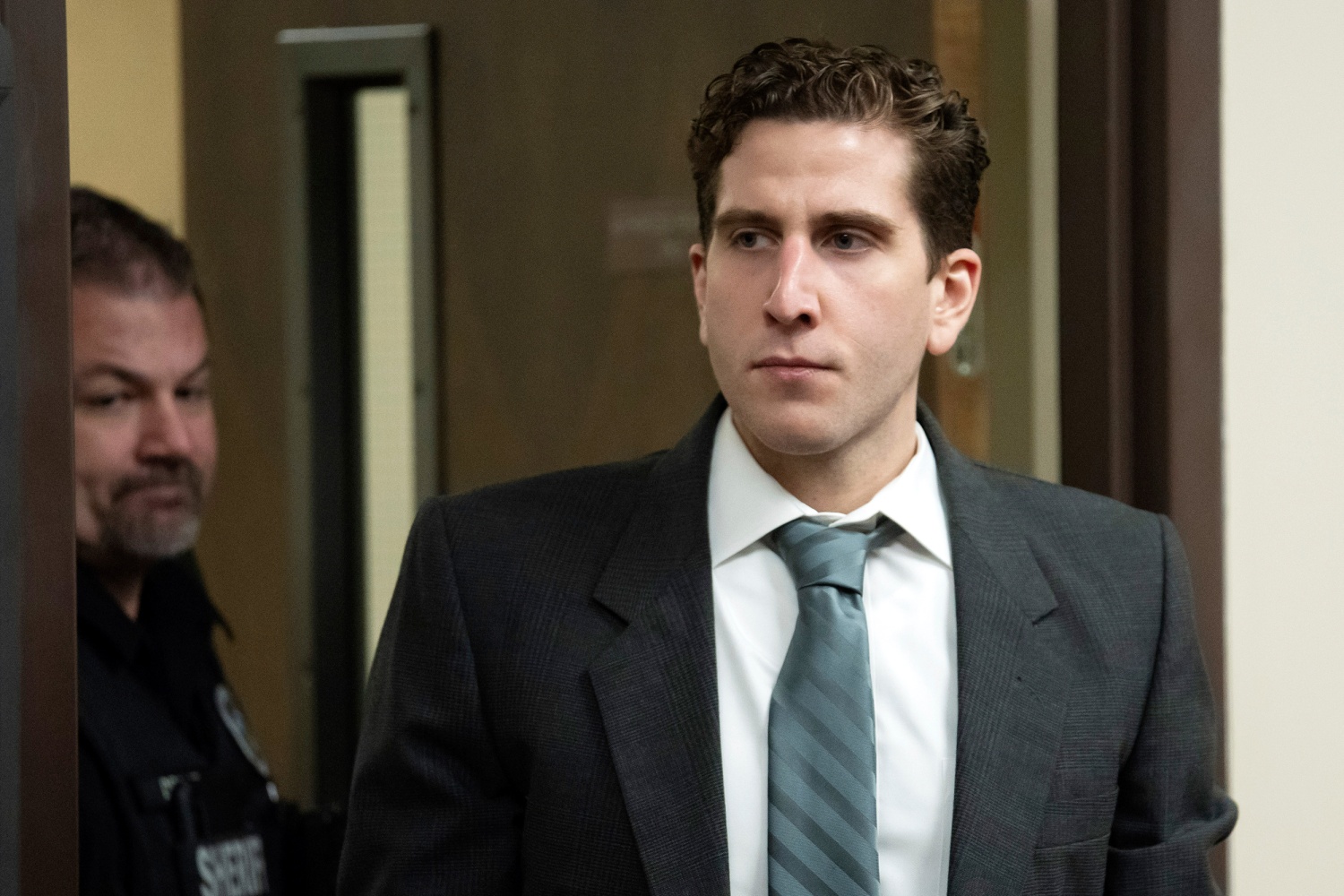
The Shadow of the Eighth Amendment
This entire plea agreement exists because of the death penalty. Capital punishment, permitted under the Constitution but limited by the Eighth Amendment’s prohibition on “cruel and unusual punishments,” is more than just a sentence.
It is the single most powerful piece of leverage a prosecutor holds. The threat of execution is what brings a defendant, even one who has maintained innocence for years, to the bargaining table.
It forces a stark choice: waive your Sixth Amendment right to a jury trial or risk paying with your life.
This case becomes a textbook example of that dynamic. The state, armed with DNA evidence from a knife sheath, cellphone data, and surveillance footage, had a strong case.
Yet, the immense cost, years of mandatory appeals, and the emotional toll of a capital trial on the victims’ families made the certainty of a plea deal a more practical path. This is the calculus that drives our justice system, where the abstract pursuit of ultimate justice often gives way to the practical need for a guaranteed outcome.
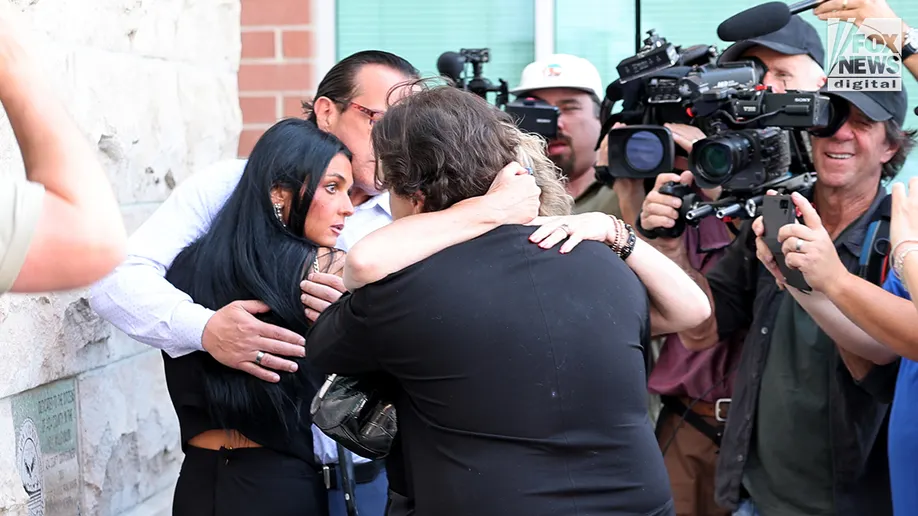
A Trial Forfeited, A “Why” Unanswered
A plea bargain achieves legal closure, but it often comes at the price of public understanding. A trial is a form of public storytelling; it forces the prosecution to weave evidence into a coherent narrative, explaining not just what happened, but how and why. It allows for the cross-examination of witnesses and the testing of evidence in the crucible of an open courtroom.
By pleading guilty, Kohberger has forfeited that public process. The nation may now have its answer to “who,” but it is left with an enduring and haunting silence on the question of “why.” The motive behind this horrific act, which a trial might have illuminated, may now remain locked away forever.
This is a fundamental trade-off in our system.
We secure the certainty of punishment but often sacrifice the public reckoning that a trial provides, leaving a void that the legal system is not designed to fill.

The Reality of American Justice
While this case was extraordinary in its brutality and the national attention it commanded, its conclusion is profoundly ordinary. More than 95% of all criminal convictions in the United States are the result of a plea bargain, not a jury trial.
Our constitutional system, with its robust protections for defendants, has evolved into a system that heavily incentivizes defendants to waive those rights in exchange for a lesser sentence.
The Kohberger case is a stark reminder that our system of justice is not always about revealing the whole truth or achieving perfect, righteous retribution. It is a human institution, designed to navigate profound tragedy through a series of difficult, imperfect, and often necessary compromises.
The finality of the sentence is the system’s pragmatic success; the lingering silence is its inherent price. For the families and the community, the search for a different kind of peace, one that the courts cannot provide, now begins.