
The Democratic National Committee (DNC) has formally entered the legal fray in a Supreme Court case that could fundamentally alter how American elections are conducted.

In an exclusive amicus brief filed Thursday, the DNC blasted a Republican-led effort to invalidate late-arriving mail-in ballots as “wholly un-American,” arguing that such a ruling would disenfranchise millions of voters – including active-duty military members stationed overseas.
The case, Watson v. Republican National Committee, centers on whether states can count ballots postmarked by Election Day but received up to five days later. The outcome could reshape the electoral map just in time for the 2026 midterms.
At a Glance: The Battle for the Ballot
- The Case: Watson v. Republican National Committee, currently before the Supreme Court.
- The Issue: Can states legally count mail-in ballots that are postmarked by Election Day but arrive later?
- The GOP Argument: The RNC argues federal law sets a specific “Election Day,” meaning all ballots must be received by that date to be valid. Counting late ballots “invites chaos.”
- The Democrat Argument: The DNC argues “Election” refers to the act of voting, not the administrative counting. They warn that invalidating these laws would disenfranchise seniors and military voters due to mail delays.
- The Stakes: A ruling for the RNC could invalidate election laws in 30 states (including Mississippi) and fundamentally change voting procedures ahead of the 2026 midterms.
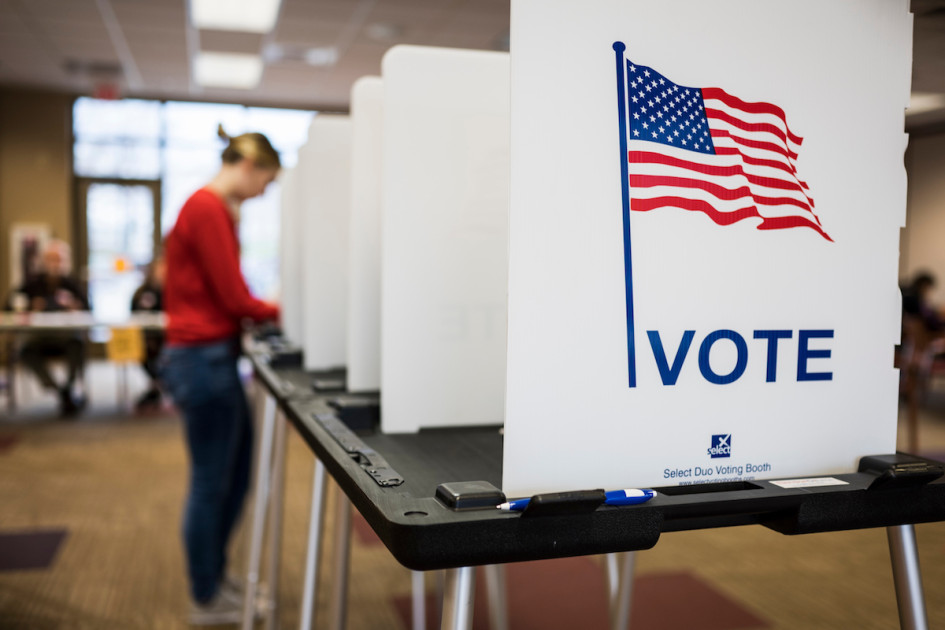
‘An Attack on Our Democracy’
The DNC’s filing is a direct response to a 2024 lawsuit by the RNC and the Mississippi GOP, which successfully argued in the lower 5th Circuit Court of Appeals that Mississippi’s five-day grace period for mail ballots violated federal election statutes.
DNC Chairman Ken Martin framed the Republican effort as a cynical ploy to suppress votes.
“Republicans’ continued assault on mail-in voting is an attack on our democracy and is wholly un-American… Donald Trump and the RNC want to limit the rights of voters because they know that when more eligible voters make their voices heard, Republicans lose.” — DNC Chairman Ken Martin
The brief emphasizes that mail-in voting has been a staple of American elections since the Civil War and serves as a lifeline for voters who cannot physically get to the polls, such as the elderly, disabled, and deployed military personnel.
‘Election Day Means Election Day’
The Republican National Committee sees it differently. For the GOP, the issue is about fidelity to the law and preventing what they view as a drawn-out, opaque counting process that fuels distrust.
RNC Chairman Joe Gruters told Fox News Digital that the Democrats are “panicking” because they rely on bending the rules.
“Once again, Democrats are fighting to make it easier to cheat. Federal law is clear: Election Day means Election Day… The DNC is desperate to keep counting ballots that arrive long after Election Day, undermining confidence in our elections.” — RNC Chairman Joe Gruters
The RNC argues that allowing ballots to trickle in for days after the polls close creates “suspicions of impropriety,” especially in tight races where late-arriving votes could flip the result.
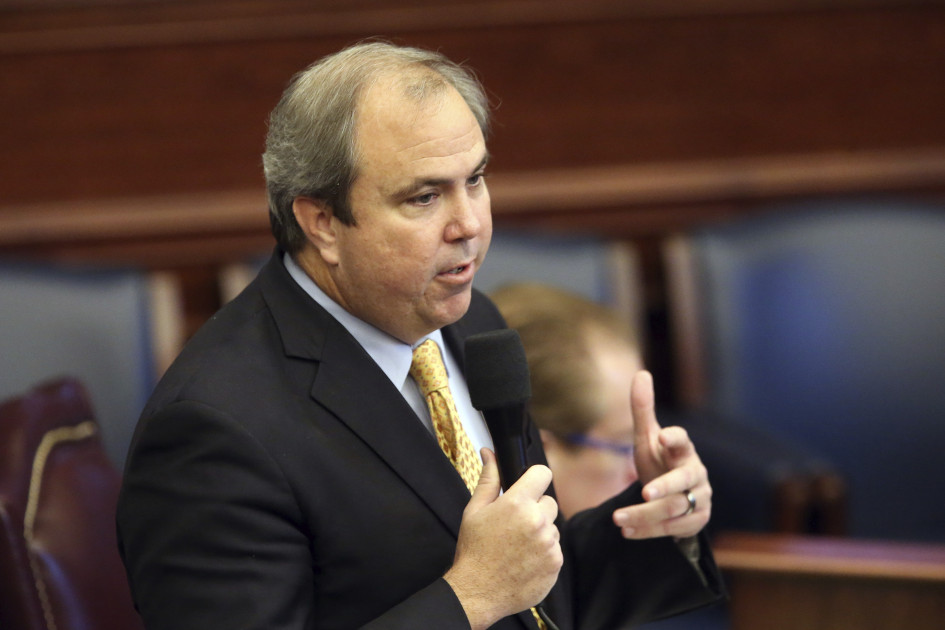
Constitutional Questions: Voting vs. Counting
The legal core of the dispute rests on the definition of “election.”
- Article I, Section 4 gives state legislatures the power to prescribe the “Times, Places and Manner of holding Elections,” but Congress can alter those regulations.
- Federal Statute (3 U.S.C. § 1) sets the Tuesday after the first Monday in November as the day for appointing electors.
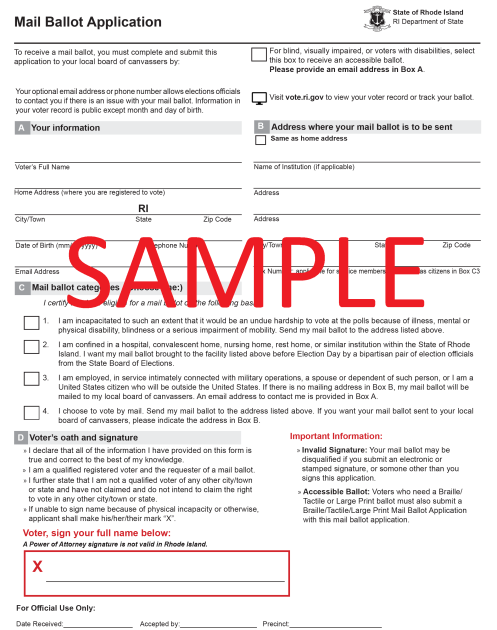
The 5th Circuit ruled that because Congress set a specific “day” for the election, voting acts (including the receipt of the ballot) must be completed on that day. The DNC’s brief counters this by arguing that the term “election” historically refers to the voter’s act of casting a ballot, not the state’s administrative act of receiving or counting it.
If the Supreme Court upholds the 5th Circuit’s strict interpretation, it would override the laws of over half the states in the Union, forcing a massive rewrite of election procedures and potentially disenfranchising voters whose ballots are delayed by the U.S. Postal Service through no fault of their own.
The Military Factor
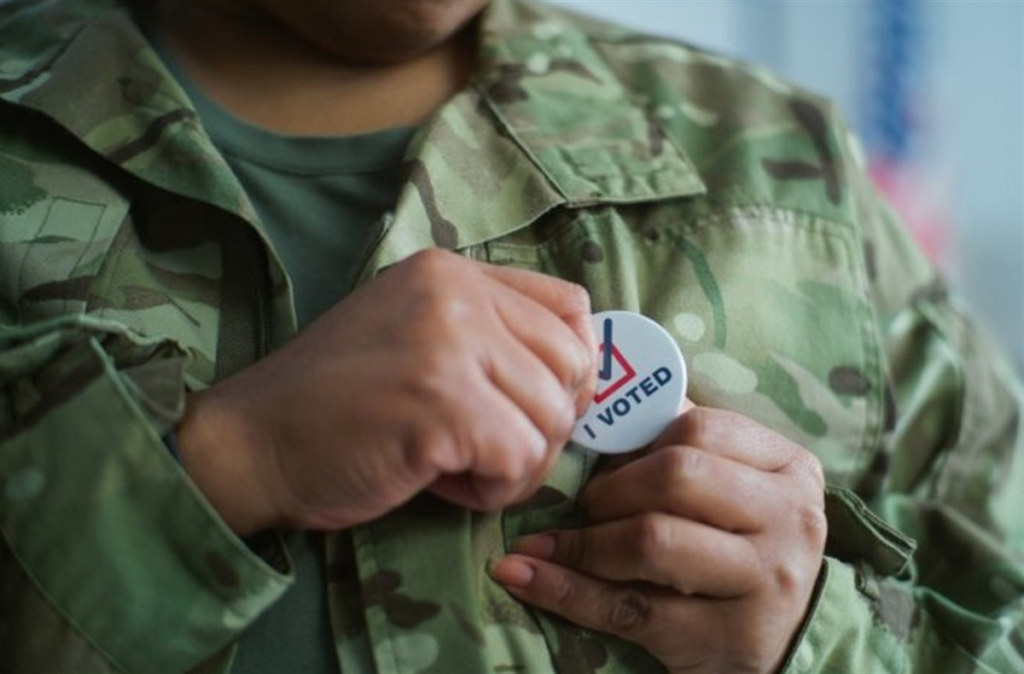
A critical component of the DNC’s argument is the impact on UOCAVA (Uniformed and Overseas Citizens Absentee Voting Act) voters. Military members stationed abroad often face significant mail delays.
The brief warns that if the “received-by” deadline is strictly enforced on Election Day, thousands of service members could have their votes tossed out simply because international mail was slow—a scenario the DNC argues is contrary to both the spirit of democracy and federal protections for servicemen and women.
The Supreme Court agreed to hear the case in November, and a decision is expected by June—just as campaigns for the 2026 midterms kick into high gear.