You can live in a constitutional republic and still feel like the rules are hard to see until you trip over them, and the penalties are anything but subtle. Cases like these show how quickly that gap can open.
Because somewhere in America, a six-pack of beer can end with the government taking a $95,000 airplane after a bootlegging conviction in a town where beer is banned.
Somewhere else, not realizing you had to file a one-page form can trigger a demand for more than $400,000. And in a rural county that used aerial photos to hunt for unlicensed marijuana grows, a greenhouse could look suspicious enough to produce fines that add up fast, including $30,000 a day.
There is more. In another example, a woman was hit with a $100,000 fine for parking her car on her own property.
These are real people facing real penalties. And they force a blunt constitutional question: what does it mean that the Eighth Amendment forbids “excessive fines” if punishments can still balloon so far beyond the underlying conduct?
Join the Discussion
The fine machine
We tend to think of punishment as something that follows serious wrongdoing. Jail time. Probation. Maybe a criminal record.
But in these cases, punishment shows up as government fines and property seizures that can tower over the underlying offense, or the paperwork mistake, or the assumption that a greenhouse must mean marijuana.
Once a penalty becomes large enough to wipe someone out financially, it stops feeling like basic enforcement and starts feeling like something else.
The Eighth Amendment
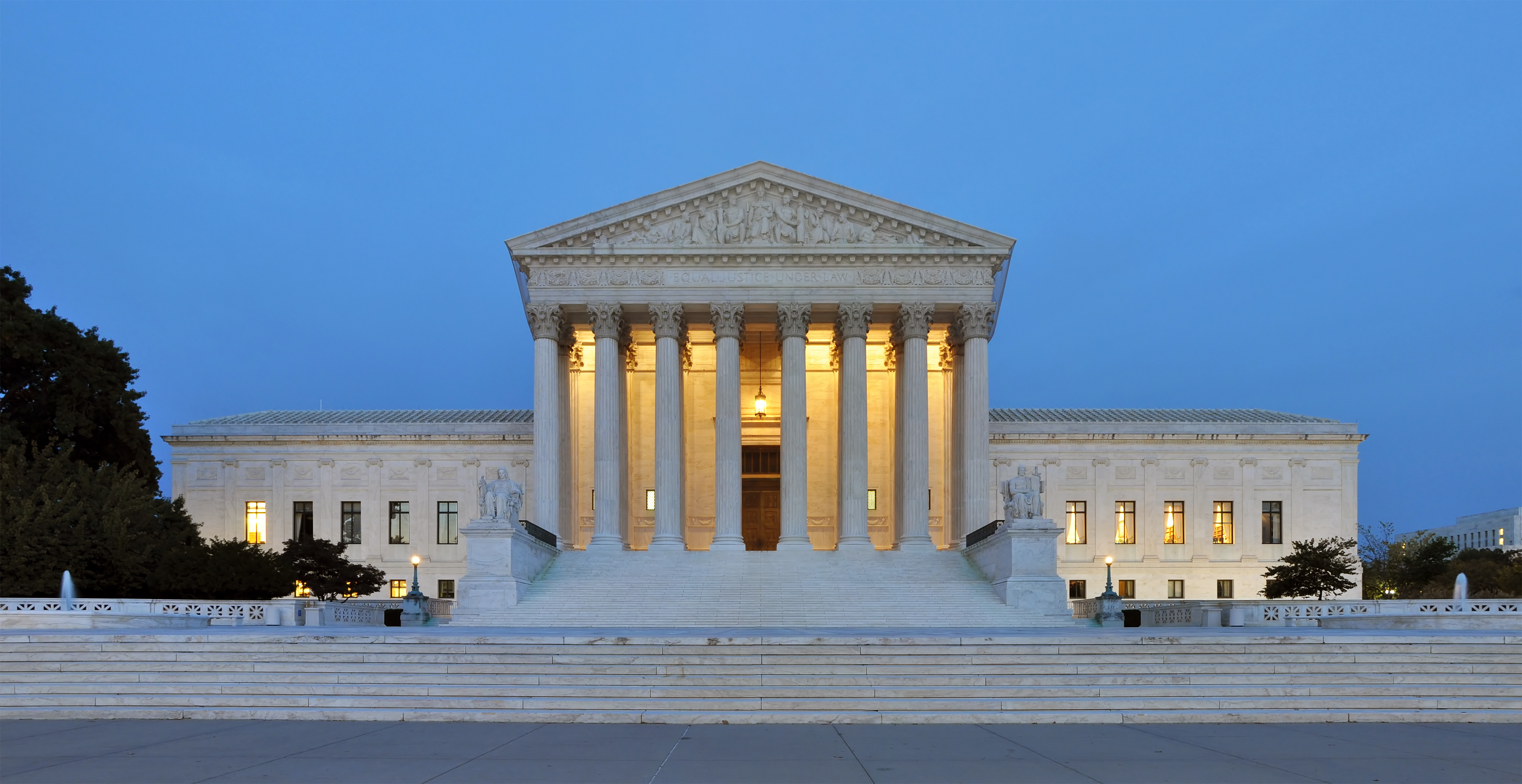
The Eighth Amendment is a three-part warning label on government punishment: no excessive bail, no cruel and unusual punishments, and no excessive fines.
The “excessive fines” clause sounds straightforward. Government cannot use money penalties as a bludgeon.
Yet the cases that keep surfacing pose the same question again and again: if the Constitution bans excessive fines, why do people still face punishments that dwarf the wrongdoing?
A $95,000 plane

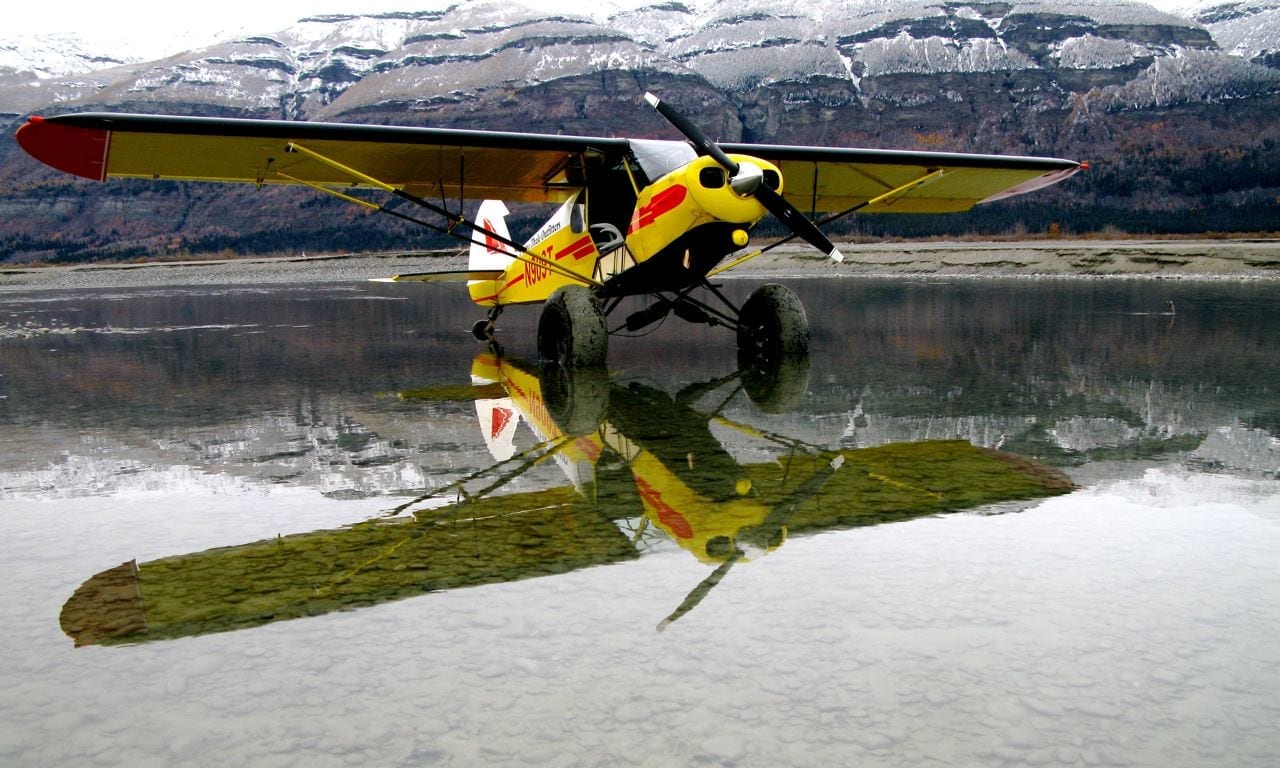
Ken Jouppi worked as a pilot in Alaska for 30 years, until one day state troopers stopped his plane before takeoff.
“I didn't think we had anything to hide,” Jouppi says. “They searched the airplane, opened up this lady's boxes of groceries and found beer.”
Beer is legal in most of America. But, as Jouppi’s lawyer Mike Greenberg explains, some towns in Alaska ban beer. Jouppi was convicted of bootlegging. Officials argued the beer was visible, so Jouppi should have known about it. He was jailed for three days, and the state seized his airplane, valued at $95,000.
Jouppi says officials seemed to expect pilots to police passengers by searching luggage. “They think pilots should search people's luggage,” he says. “It was such a terrible thing to do to another individual, invade their privacy, and assault their dignity….I just didn't feel right about doing that.”
The punishment was not just a number on paper. “That airplane was my primary source of income,” Jouppi says. “Without it, I didn't have a business anymore.”
The legal fight did not end quickly. “Jouppi has been fighting to keep his plane for 14 years,” Greenberg says. “The plane is still sitting on a tarmac….It's a ludicrous situation where the state has every interest in going after valuable assets rather than actually fighting supposed harms of alcohol.”
Greenberg’s law firm, the Institute for Justice, took Jouppi’s case, and now the U.S. Supreme Court will hear it.
A form, then $400,000
They are also doing this to Tuncay Saydam, a retired professor.
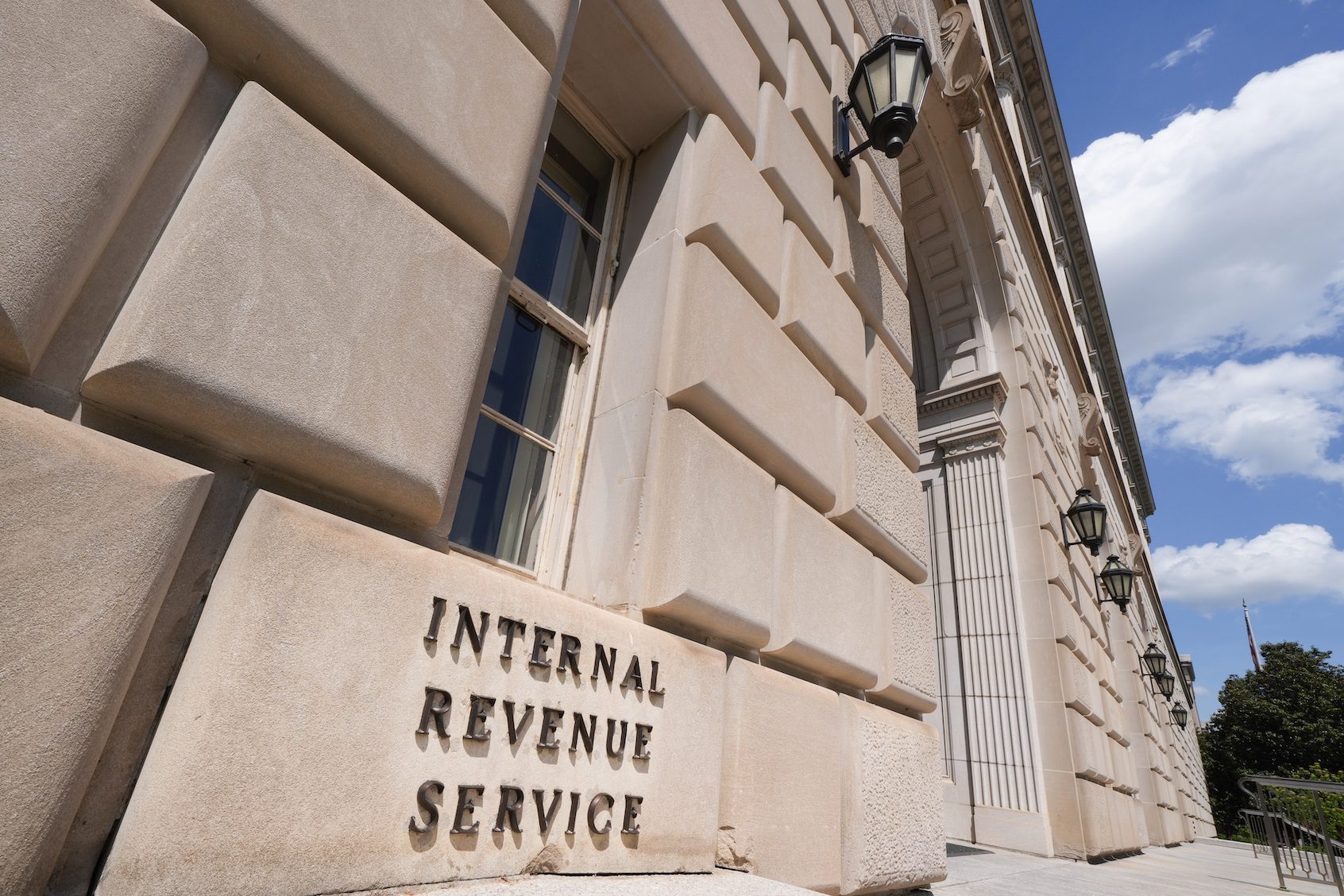
The IRS demands he pay more than $400,000 because he did not know he needed to file a one-page form about an old bank account in his native Turkey.
“The fines,” Saydam says, “will destroy my life….We have never been rich.”
His unpaid tax is less than $30,000. But the IRS demands more than $400,000. A California court upheld that penalty. Northern California Chief Magistrate Judge Donna Ryu wrote, “Government suffered a significant tax loss.”
Greenhouses and $30,000 a day
In Humboldt County, California, officials took aerial photos of people's property to search for unlicensed marijuana farms.
When they saw greenhouses, they fined property owners.
Blu Graham was fined $900,000, “$30,000 a day, when all I've ever done is grow vegetables in my greenhouses.”
“There actually was no marijuana on the property!” Greenberg says. “They were just guessing that if you built a greenhouse, this must be connected to marijuana.”
A lawsuit got the county to promise to end its ruinous fine system. But it took four years.
Why it keeps happening
Why do governments fight to keep outrageous fines that punish largely innocent people?
“Unlike other forms of punishment,” Greenberg says, “fines make the government money. The prosecutor's office, state troopers, they get to keep the proceeds. It's an abusive system because they have every incentive to continue to prosecute.”
When the heavy-fining judges and government lawyers were invited to appear on video to explain these fines, none agreed to talk about it.
What comes next
The Supreme Court will soon have a chance to say something clearer about what the Eighth Amendment’s ban on “excessive fines” requires in practice.
If the Court draws the line firmly, it would not only matter for one pilot in Alaska. It would give lower courts a stronger tool to confront the next case where punishment for a minor violation turns into life-altering financial damage.