
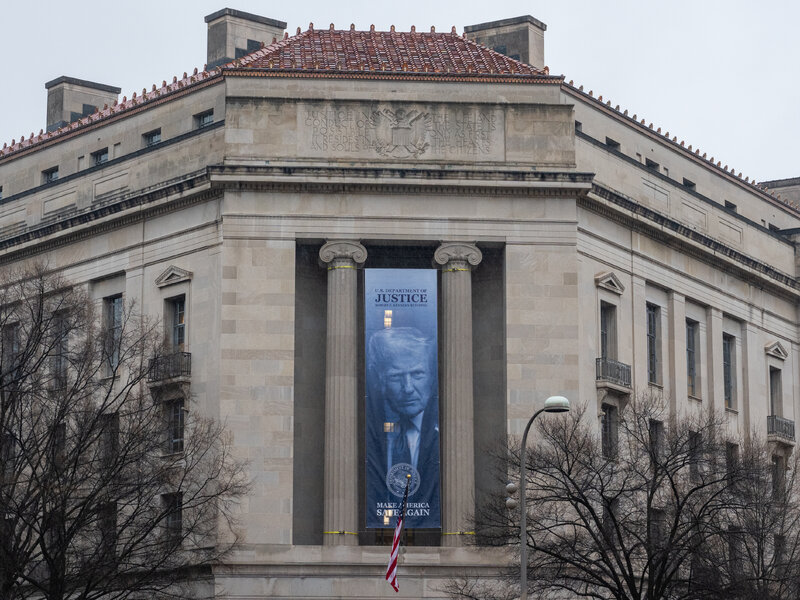
The Attorney General is often introduced in headlines as “the nation’s top law enforcement officer.” That phrase is helpful, but it is also incomplete. The U.S. Attorney General is a cabinet-level official who runs the Department of Justice, oversees federal litigation and prosecution nationwide, and advises the president and executive branch on what the law allows.
In practice, the job sits on a constitutional fault line: the public expects neutral justice, while the Constitution places federal prosecution inside the executive branch. Understanding that tension explains most of the controversies that flare up around any attorney general, regardless of party.
Join the Discussion
Where the job comes from
The Constitution does not create the Office of the Attorney General by name. Article II gives the president the executive power and requires the president to “take Care that the Laws be faithfully executed.” Congress then builds the executive departments that help carry that out.
Congress created the office of the Attorney General in the Judiciary Act of 1789 and later created the Department of Justice in 1870. Today, the attorney general’s core responsibilities are grounded in federal statutes found mostly in Title 28 of the U.S. Code, along with other laws that assign DOJ specific tasks.
The attorney general is nominated by the president and confirmed by the Senate. Like other cabinet officers, the attorney general serves at the president’s pleasure, meaning the president can remove the attorney general.
The Attorney General’s main responsibilities
Leading the Department of Justice
DOJ is a massive organization that includes prosecutors, litigators, investigators, and specialized components. The attorney general sets overall policy, priorities, and resource allocation for the department, then delegates day-to-day work to senior DOJ leadership.
That leadership structure typically includes:
- Deputy Attorney General, the attorney general’s second-in-command and the chief operating leader of DOJ.
- Associate Attorney General, who often oversees the department’s civil components and various offices.
- Solicitor General, who represents the United States before the Supreme Court and decides which positions the government will take in many appellate cases.
- Assistant Attorneys General, who lead divisions like the Criminal Division, Civil Division, Antitrust Division, Civil Rights Division, Environment and Natural Resources Division, and National Security Division.
- Leaders of key DOJ components and agencies, including the FBI, the Bureau of Prisons, the U.S. Marshals Service, and ATF (which moved from the Treasury Department to DOJ in 2003).
The attorney general cannot personally make every prosecutorial or litigation call. The system is designed to rely on layers of professional judgment, written policies, and internal review.
Enforcing federal criminal law, through prosecution and investigation
Federal criminal enforcement is carried out primarily through U.S. Attorneys’ Offices in each federal judicial district. The attorney general supervises those offices through DOJ leadership, setting national priorities such as public corruption, terrorism, civil rights crimes, organized crime, gun offenses, fraud, or drug trafficking.
The investigative work behind those cases is typically performed by federal agencies, some within DOJ and some outside it. The FBI, ATF, and DEA are central players in criminal investigations, and DOJ attorneys coordinate closely with them.
Representing the United States in court
DOJ is the federal government’s law firm. When federal agencies are sued, DOJ lawyers usually defend them. When the United States brings civil enforcement actions, DOJ lawyers prosecute those cases. And when cases reach the Supreme Court, the Solicitor General argues on behalf of the United States, with the attorney general ultimately responsible for the department’s direction.
That civil docket includes high-stakes areas most people do not associate with “law enforcement,” such as:
- Defending federal regulations and executive actions
- Immigration-related litigation involving federal authority
- Antitrust enforcement against major companies
- Civil rights enforcement and voting rights litigation
- Environmental enforcement and public lands disputes
Advising the president and executive branch on the law
The attorney general is a key legal advisor to the president. But the attorney general is not the president’s personal lawyer. The attorney general represents the United States and its interests, not the president as an individual. That is one reason attorneys general often talk about “institutional interests” and “the rule of law.”
Within DOJ, the Office of Legal Counsel (OLC) issues formal legal opinions for the executive branch. Those opinions can shape how presidents use their powers, from foreign affairs and national security to executive orders and agency authority. The attorney general oversees the department that houses OLC and can influence how aggressively the executive branch interprets its own legal room to maneuver.
Helping set national enforcement priorities
Even with the same statutes on the books, enforcement can look very different from administration to administration. The attorney general issues guidance memoranda, sets charging policies, decides where to concentrate resources, and signals what categories of conduct will be prioritized.
This is one reason the office matters even when Congress does not pass new laws. The attorney general can affect how existing law is applied.
U.S. Attorneys
There are 94 federal judicial districts. DOJ has 93 U.S. Attorneys, because Guam and the Northern Mariana Islands share a single U.S. Attorney.
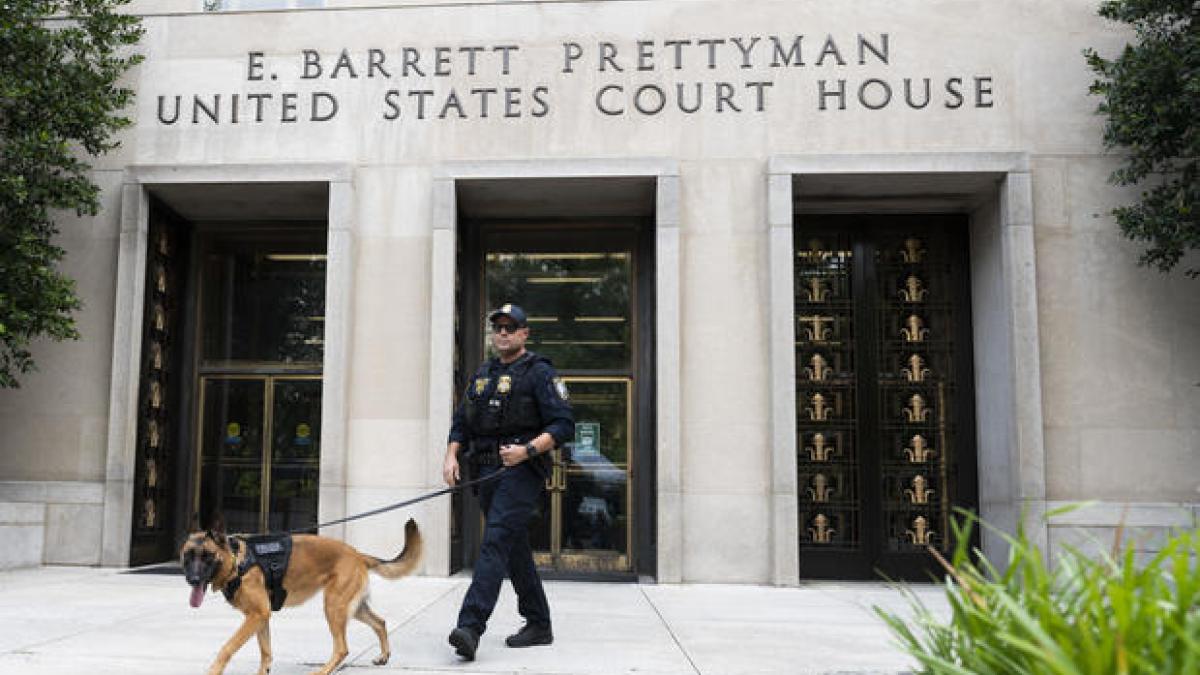
U.S. Attorneys are presidential appointees confirmed by the Senate, and they serve as the chief federal prosecutors in their districts. They handle both criminal prosecutions and civil litigation involving the federal government at the trial level. They manage Assistant U.S. Attorneys, coordinate with federal investigative agencies, and work with state and local partners on joint task forces.
The attorney general supervises U.S. Attorneys through DOJ leadership and policy. The relationship is not purely top-down, because local conditions and district-specific priorities matter. But when DOJ issues nationwide guidance, U.S. Attorneys’ Offices are expected to follow it.
The relationship to the president
The Constitution places prosecution in the executive branch, which means the attorney general is part of the president’s team. At the same time, the legitimacy of the justice system depends on the idea that cases are charged based on evidence and law, not partisan loyalty.
That is why people often talk about DOJ “independence.” It is not independence in the same way courts are independent. DOJ is not a separate branch. Instead, it is a set of norms and internal guardrails designed to prevent the appearance, and reality, of political prosecution.
Common features of those guardrails include:
- Recusal when an official has a conflict of interest in a matter.
- Special Counsel regulations that allow appointment of a special counsel when a matter presents conflicts or extraordinary public interest. Special counsels are often selected from outside the government, but they operate as DOJ employees for that role and remain within the executive branch.
- Policies limiting election-season statements to avoid influencing voters with investigative announcements.
- Layered review for high-profile or politically sensitive decisions.
- Limits on contacts between the White House and DOJ about specific investigations or cases, designed to reduce the risk of improper political influence.
None of these eliminate politics entirely. They are attempts to keep prosecutorial power from becoming a campaign tool.
Federal vs state attorneys general
This is one of the most common points of confusion: “Attorney General” exists at both the federal and state level, but the jobs are not interchangeable.
Who they represent
- U.S. Attorney General: represents the United States and the federal government.
- State attorney general: represents a state government, usually as the state’s chief legal officer.
How they get the job
- U.S. Attorney General: appointed by the president, confirmed by the Senate.
- State attorneys general: often elected statewide, though some are appointed depending on the state.
What they enforce
- U.S. Attorney General: oversees enforcement of federal law and federal prosecutions through U.S. Attorneys.
- State attorneys general: enforce state law in areas authorized by state statutes, often including consumer protection, antitrust under state law, Medicaid fraud, and state civil rights provisions.
Why state AGs sue the federal government
Because states and the federal government have overlapping authority, state attorneys general frequently challenge federal regulations or executive actions. Those lawsuits are a central feature of modern federalism. In those cases, DOJ typically defends the federal government, while state attorneys general argue the federal government exceeded its lawful authority.
What the Attorney General is not
The job carries a lot of popular mythology. A few quick distinctions clear the air.
- Not a judge. The attorney general does not decide guilt or innocence. Courts do, through judges and juries.
- Not Congress. The attorney general does not write federal criminal statutes or create new constitutional powers. The office works within laws Congress passes and within constitutional limits.
- Not the FBI Director. The FBI Director leads the FBI. The attorney general supervises DOJ as a whole, which includes the FBI, but the attorney general is not the bureau’s day-to-day manager.
- Not the president’s personal counsel. The attorney general represents the United States, and ethical rules treat that as a different role than private legal representation.
Why the office matters
If you never meet a federal prosecutor or read a Supreme Court brief, the attorney general can still shape your world. DOJ choices influence:
- How civil rights laws are enforced
- How aggressively antitrust laws are used
- How immigration rules are defended or revised in court
- How federal agencies respond when sued
- What kinds of fraud are prioritized for prosecution
It is easy to treat “Attorney General” as a nameplate that changes with administrations. But the office is one of the clearest windows into how the Constitution’s promise of ordered liberty gets translated into daily governance. The attorney general does not just interpret law. The attorney general operationalizes it.
Quick answers
Is the Attorney General in the president’s cabinet?
Yes. The attorney general is a cabinet-level official and the head of the Department of Justice.
Can the president order the Attorney General to prosecute someone?
The president has constitutional authority over the executive branch, and the attorney general serves at the president’s pleasure. But criminal prosecution still has to be grounded in evidence, law, and professional ethics. In practice, DOJ norms, internal review, and contact restrictions are designed to prevent cases from being treated as political punishment, and courts provide an external check once charges are filed.
Who argues for the United States at the Supreme Court?
Usually the Solicitor General, a DOJ official who represents the federal government before the Supreme Court. The Solicitor General works within DOJ under the attorney general’s broader leadership.
Are U.S. Attorneys the same as state prosecutors?
No. U.S. Attorneys prosecute federal crimes in federal court. State and local prosecutors (often called district attorneys or state’s attorneys) prosecute state crimes in state court.