
Many Americans can name the Attorney General. Fewer can name the person who does some of the government’s most delicate legal work: walking into the Supreme Court and telling nine justices what the United States thinks the law means.
That person is the Solicitor General, usually shortened to the SG. If the Supreme Court is the nation’s constitutional referee, the SG is the institutional voice that shows up in court more often than any other single advocate or office, speaks with unusual credibility, and sometimes does something that feels politically improbable: tells the Court the United States was wrong.
Join the Discussion
The SG in one sentence
The Solicitor General represents the United States before the Supreme Court and coordinates the federal government’s Supreme Court litigation strategy across agencies.
The SG is part of the Department of Justice, appointed by the President and confirmed by the Senate. The office sits inside DOJ, but it is not just another litigation shop. It is where legal arguments get filtered, simplified, and aligned into a single federal position that can survive the scrutiny of the Court.
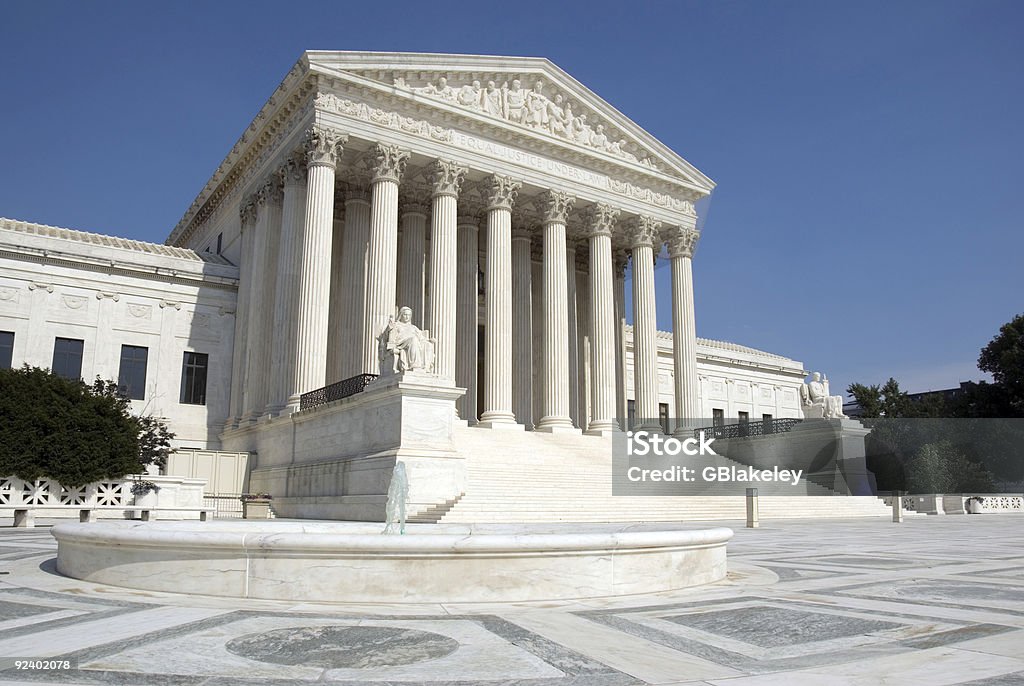
Why the Court listens
The Court does not have to treat the SG differently. It just does, in practice, for a few structural reasons.
- Repeat player advantage. The SG’s office litigates at the Supreme Court constantly, far more than any private party. That experience shows in briefs and oral argument.
- Institutional consistency. The SG is expected to speak for “the United States,” not merely for the agency that lost a case last month. The justices value positions that account for long-term governance. A big reason this works is that much of the office is staffed by career lawyers, including Assistants to the Solicitor General and often career deputies, who carry doctrine and craft across administrations.
- Gatekeeping. The SG typically has final sign-off on whether the United States will seek further review after a loss. That includes the familiar decision of whether to petition the Supreme Court, but also, in many cases, whether to take the next step at all, such as whether to appeal an adverse district court ruling to a federal court of appeals. (In exceptional cases, higher DOJ leadership can weigh in, but as a practical matter the SG’s call is usually decisive.)
- Signal value. When the SG asks the Court to take a case, urges a particular rule, or admits an error, the justices treat it as a high-quality signal that the stakes and consequences have been vetted.
This influence is sometimes described as the “tenth justice” effect. It is not a formal title and it is not literal. It refers to credibility and framing power, not a vote or any decision-making authority.
One client, many voices
“The United States” sounds like a single party. In litigation, it is a crowd.
Federal agencies have their own missions and their own lawyers. The Environmental Protection Agency, the Department of Homeland Security, the Department of Education, and the Department of Defense can all have strong views about what a statute should mean or what an administrative rule should survive.
The SG’s office is where those views get turned into one position to present to the Supreme Court.
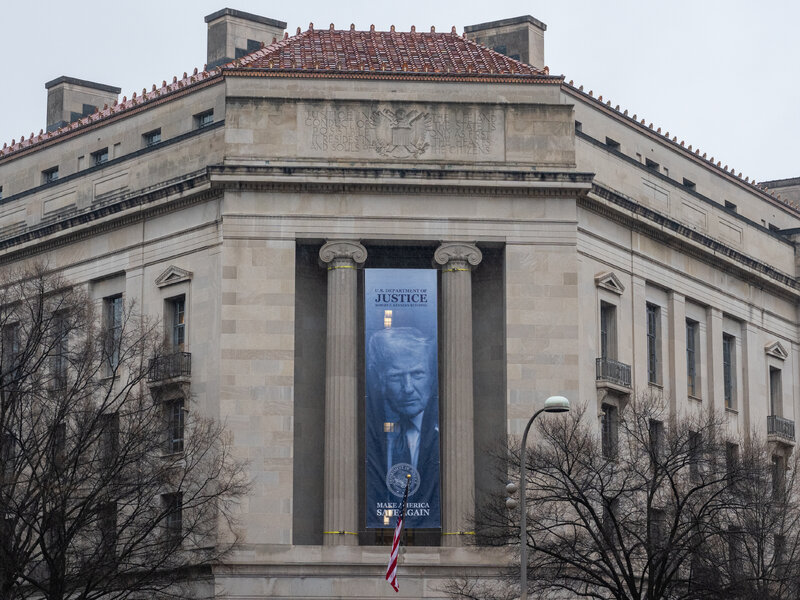
How the SG fits in DOJ
Most Supreme Court cases begin far away from One First Street (the Court’s address). They start in district court and move to a federal court of appeals, often handled by DOJ litigators who specialize by subject matter.
Key DOJ partners
- Criminal Division for federal prosecutions and criminal procedure issues
- Civil Division for suits against the federal government, government contracts, tort claims, immigration-related civil litigation, and more
- Antitrust Division for competition cases
- National Security Division for certain terrorism and intelligence-related matters
- Civil Rights Division for voting, policing, housing, disability rights, and other civil rights enforcement
- Environment and Natural Resources Division for environmental statutes, public lands, and natural resource disputes
- Tax Division for federal tax litigation
What changes near the Supreme Court
At the trial and appellate levels, the relevant division often leads. Once Supreme Court review becomes a live possibility, the SG’s office becomes the strategic center.
That does not mean the litigating division disappears. It usually supplies the record knowledge and subject expertise. The SG supplies Supreme Court craft: how the Court thinks, what arguments travel, and what positions are defensible across the federal government.
Who does the work
The SG is the public face, but the office is a team. Deputies and Assistants to the Solicitor General draft briefs, help shape the government’s position across agencies, and often argue cases themselves. That mix of political leadership and career expertise is part of why the office maintains continuity over time.
When to ask the Court to step in
In most federal cases, the government cannot just keep appealing forever. The Supreme Court is discretionary in nearly all of what it hears (with rare exceptions). The government must petition for certiorari, like everyone else.
Inside the executive branch, the SG typically decides whether to file that petition when the United States loses in a court of appeals.
What the SG weighs
- Is there a circuit split? Are different federal appeals courts applying different rules?
- How important is the issue? Does it affect national policy, federal programs, or constitutional structure?
- Is this a good vehicle? A messy record can make even a strong legal issue a bad Supreme Court case.
- Will we win? Not in a partisan sense, but in a doctrinal sense. Some arguments are dead on arrival given the Court’s precedents.
- What are the consequences of losing? A Supreme Court loss can lock in a harmful nationwide precedent.
This is why an SG can frustrate an agency that wants to fight. Sometimes the SG’s answer is: take the loss, do not risk a national defeat.
Tools the SG uses
The SG’s work is civics in motion: the government translating policy disputes into constitutional and statutory arguments, then translating those arguments into Supreme Court procedure.
Briefs on the merits
If the Court grants review, the SG’s office typically writes the government’s main brief. This is where the United States lays out the rule it wants the Court to adopt and why that rule fits the Constitution, the statute, and prior precedent.
Amicus briefs and CVSG
Even when the United States is not a party, the SG often participates as a friend of the Court, filing an amicus curiae brief. The Court sometimes invites that input explicitly through a practice often called a CVSG: “Call for the Views of the Solicitor General.”
Translation: the justices want to know whether the federal government thinks a case is worth taking and what the practical consequences might be.
Although the SG is best known for Supreme Court work, the office can also authorize federal amicus participation in lower courts when an issue has major national implications and is likely headed to the Supreme Court anyway.
Oral argument
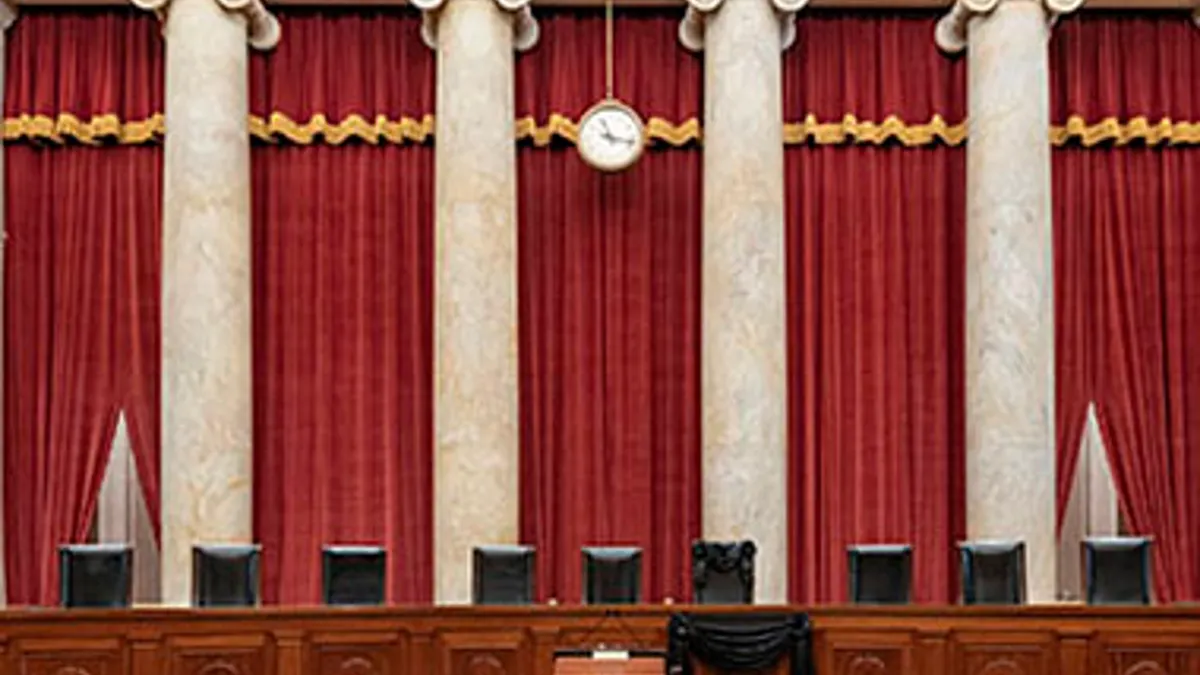
When the United States argues, it is frequently the SG, a deputy SG, or an Assistant SG at the lectern. Oral argument is not a speech. It is a fast, skeptical conversation where justices test the boundaries of a rule: what it would allow, what it would forbid, and what it would do in the next hard case.
When the U.S. changes its view
One of the most confusing moments for non-lawyers is watching “the United States” change its position. It feels like a betrayal of consistency. In reality, it is usually a collision between three facts.
- Administrations change. Elections can bring new legal priorities and new readings of statutes and constitutional limits.
- The SG serves the President and the institution. The office is supposed to be candid about what the law supports, even when it is inconvenient.
- Cases mature. What looked defensible in a rushed emergency posture can look weaker after a full record develops.
Switching can mean the government stops defending a law, changes its view of an agency’s power, or urges a narrower rule than it argued for below.
A plain example
Consider a regulation defended aggressively by one administration. A new administration can conclude the regulation exceeds statutory authority and choose not to defend it in court, or defend only a narrower position while the rule is revised. In Supreme Court terms, the SG might tell the justices: the prior argument was too broad, and the United States now believes the statute does not reach that far.
The civics point is this: the government is not merely trying to win a case. It is trying to state what it believes the law allows the executive branch to do.
When the SG admits a mistake
Sometimes the most powerful thing the SG can say is: we got it wrong.
A “confession of error” is the government informing the Supreme Court that a lower court victory for the United States should not stand, or that the government’s prior position was legally incorrect. This can happen in criminal cases where prosecutors discover a significant mistake, or in civil cases where the government concludes its legal theory cannot be squared with statute or precedent.
What happens next
- Often it leads to a GVR. The government may ask the Court to grant the petition, vacate the judgment, and remand for reconsideration in light of the government’s new position.
- The Court is not required to accept it. The justices may still examine the issue, especially if it affects many cases.
- Sometimes someone still defends the judgment. If the United States won below and then switches positions, the Court can appoint an amicus to defend the lower court’s ruling so the issue is fully argued.
From a civic education perspective, this is a healthy reminder: the rule of law is supposed to be bigger than the government’s win rate.
Who the SG serves
The SG works for the executive branch, but the job is designed with a built-in tension: the office must be a zealous advocate and a reliable legal narrator.
That tension is not a bug. It is a separation-of-powers feature.
- To the President: the SG advances the administration’s lawful priorities.
- To federal agencies: the SG coordinates and harmonizes arguments so the government does not contradict itself in front of the Court.
- To the Supreme Court: the SG provides high-quality, candid legal positions that help the Court resolve disputes with national consequences.
- To the public: the SG helps determine what the federal government claims the Constitution and federal laws mean in practice.
Why it matters
Most Supreme Court decisions that touch daily life arrive through federal litigation: immigration rules, environmental regulations, workplace protections, criminal procedure, healthcare policy, civil rights enforcement, and the powers of presidents and agencies.
The SG’s office is where many of those disputes get distilled into a few sentences that can become national law.
If you want a civics shortcut, here it is: when the SG speaks, the Court hears more than a lawyer. It hears the federal government describing its own constitutional boundaries. That description does not always win. But it often frames the fight.