
DACA stands for Deferred Action for Childhood Arrivals. It is a federal immigration policy announced in 2012 that allows certain undocumented immigrants who were brought to the United States as children to request two things from the federal government:
- Deferred action, meaning immigration authorities agree (for a limited period) not to pursue deportation.
- Work authorization, meaning the person can apply for a work permit and, in many (but not all) states, a driver’s license or state ID, depending on state law.
DACA is often discussed like it is a statute, or even a constitutional right. It is neither. It is an executive branch policy built on enforcement discretion, and that is exactly why it has spent more than a decade bouncing between presidents, agencies, and courts.

Join the Discussion
What DACA does
DACA does not erase unlawful status. It does not create lawful permanent residence. It does not automatically lead to citizenship.
What it does do is more specific and more limited:
- Temporarily defers removal: If approved, DHS treats the person as a low priority for deportation for the duration of the DACA grant (usually two years at a time, though the government has at points issued one-year grants).
- Allows work authorization: DACA recipients can apply for an Employment Authorization Document (EAD), which allows lawful employment.
- Enables practical benefits tied to lawful presence and documentation: Many states allow driver’s licenses once someone can show federally recognized lawful presence and identity documentation, but the exact rules vary by state.
In other words, DACA is best understood as a temporary shield plus a permission slip to work, both renewable, both revocable, and both dependent on the executive branch continuing to run the program.
Who qualifies for DACA?
Eligibility has been defined by DHS guidelines since 2012. The rules are detailed, but the basic idea is straightforward: DACA was designed for people who arrived in the U.S. as children, have lived here for years, and meet education or military service requirements, while also passing criminal background checks.
Key requirements have included:
- Arrival in the U.S. before turning 16.
- Being under 31 as of June 15, 2012.
- Continuous residence since June 15, 2007.
- Physical presence on June 15, 2012, and at the time of requesting DACA.
- Enrollment in school, graduation, GED completion, or certain military service.
- No disqualifying criminal convictions and no threat to national security or public safety.
Because DACA has been constrained by litigation, the practical question is not only “Do you qualify?” but also “Can the government approve my application right now?”
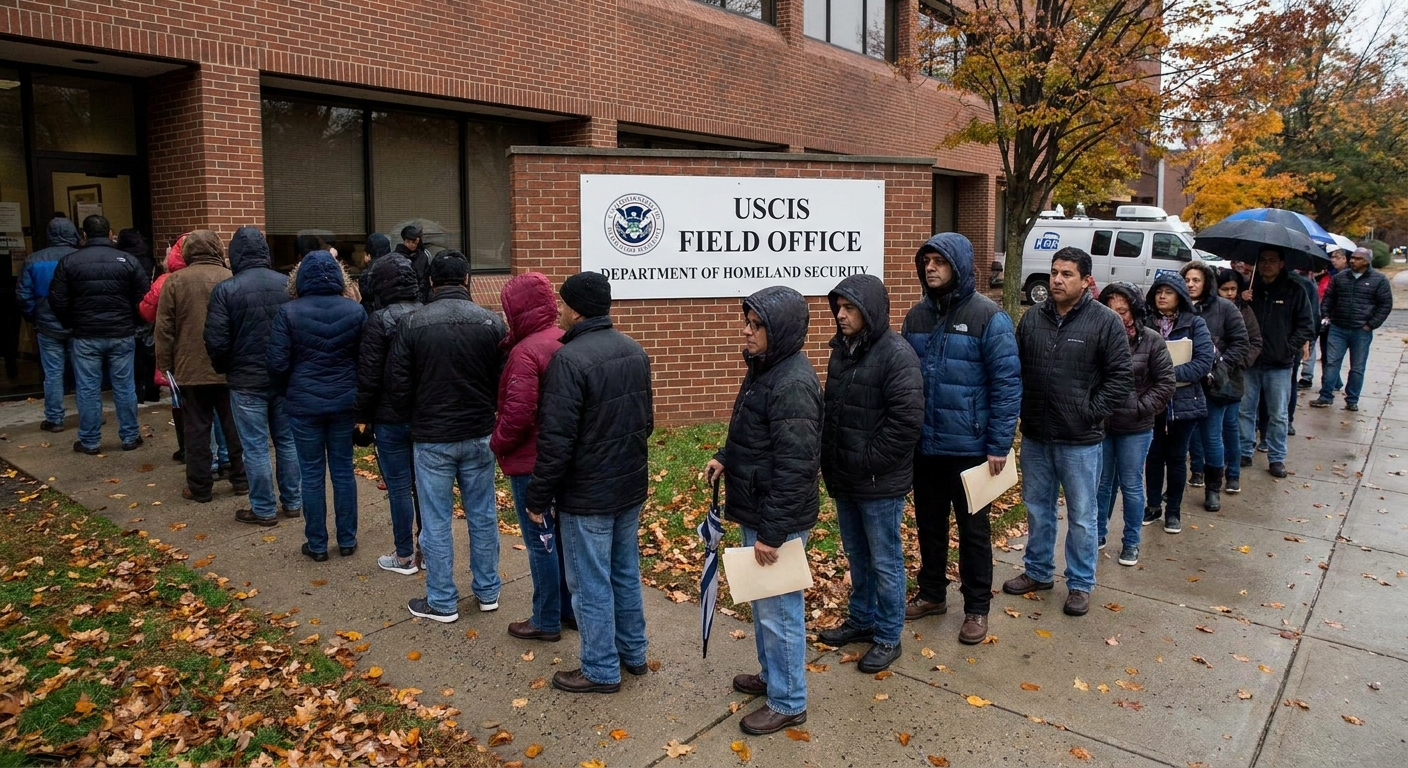
Current reality: due to ongoing federal court orders, DHS has generally been barred from approving first-time DACA requests (even if it accepts and holds them), while renewals have continued for existing recipients. This is time-sensitive, so readers should check USCIS for the latest posture.
What DACA is not
DACA’s most persistent misunderstanding is that it creates a legal immigration status. It does not.
- Not citizenship: DACA does not naturalize anyone and does not guarantee any future path to citizenship.
- Not a green card: It does not make someone a lawful permanent resident.
- Not a visa: It is not an entry document.
- Not a permanent right: DACA exists only as long as the executive branch maintains it and the courts allow it to operate.
That final point is the constitutional heartbeat of the entire DACA debate: is the executive branch merely choosing how to enforce immigration law, or is it creating a new program that belongs, constitutionally, to Congress?
Travel and advance parole
It is true that DACA does not authorize international travel by itself. But many DACA recipients have historically been able to request advance parole for limited purposes (typically educational, employment, or humanitarian).
Why this matters: entering the U.S. on advance parole can count as a lawful admission under immigration law. For some people who originally entered without inspection, that lawful admission can become a crucial piece of a later adjustment of status strategy, if they also have a qualifying basis (for example, a U.S. citizen spouse or other eligible sponsor) and meet the other legal requirements.
Advance parole policies and availability have shifted over time and can be affected by litigation and agency rules, so it is not a do-it-yourself detail. But it is too important to leave out: for many recipients, it is one of the few mechanisms that can turn “temporary protection” into a viable path toward permanent residence, depending on the facts.
The legal question behind DACA
Immigration law is federal. Congress writes the statutes. The executive branch enforces them. That division sounds clean until you remember a practical reality: the executive cannot remove every person who is removable under the law. Enforcement requires prioritizing.
DACA rests on the executive branch’s claim that it can use prosecutorial discretion to defer removal for a category of people, and then grant work authorization under regulatory authority the government argues it already has. Challengers dispute that the work authorization and program structure are lawful at this scale, and that dispute is a central feature of the litigation.
Critics argue that DACA goes beyond case-by-case discretion and amounts to a large-scale policy that should have been enacted through Congress. Supporters argue that setting enforcement priorities is exactly what executives do, especially in a system where Congress has failed to update immigration laws for decades.
This is why DACA’s story is not only about immigration. It is about the separation of powers and the uneasy space between:
- Congress’s power to “establish an uniform Rule of Naturalization” (Article I, Section 8).
- The executive’s duty to “take Care that the Laws be faithfully executed” (Article II, Section 3).
The fights over DACA are, at their core, fights over what “faithfully executed” means when enforcement resources are limited and the law is broad.
Quick timeline
DACA has existed in a legal storm since it was created. Here is the simplified path that matters for most readers:
- 2012: DHS announces DACA as an exercise of enforcement discretion for eligible “Dreamers.”
- 2017: The Trump administration announces it will end DACA, triggering immediate lawsuits. Around this era, USCIS also shifted DACA renewals to shorter increments for a period.
- 2020: In Department of Homeland Security v. Regents of the University of California, the Supreme Court blocks the 2017 termination as procedurally flawed under administrative law, without deciding whether DACA is lawful in the first place.
- July 2021: A federal district court in Texas rules DACA is unlawful and blocks DHS from approving new DACA requests, while allowing many existing recipients to continue renewing as the case proceeds.
- 2022: DHS issues a regulation to “fortify” DACA through formal rulemaking, attempting to address procedural vulnerabilities highlighted by the Supreme Court.
- 2023 to now: Appeals and additional rulings have kept DACA in a constrained posture. The practical effect for most readers has remained the same: renewals continue for many recipients; first-time approvals are blocked by court order.
The headline takeaway: DACA has survived partly because of procedure, not because the Supreme Court has definitively blessed it as substantively lawful.
What the Supreme Court has said
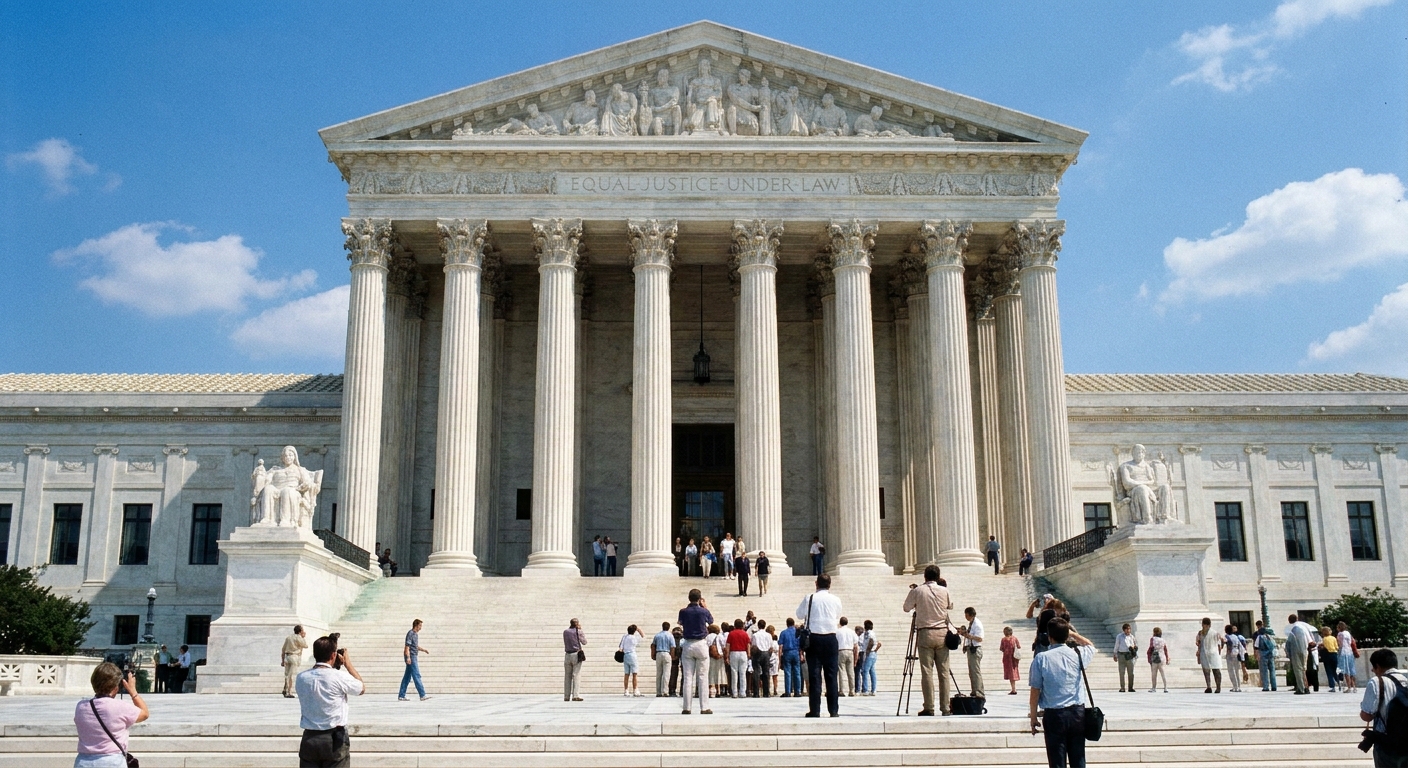
In 2020, the Supreme Court’s DACA decision in DHS v. Regents did something narrow but consequential. It held that the Trump administration’s attempt to rescind DACA did not meet the requirements of the Administrative Procedure Act (APA). The government did not adequately explain its decision, especially in light of the reliance interests of DACA recipients, employers, schools, and communities.
What the Court did not do is just as important:
- It did not declare DACA constitutional.
- It did not rule that DACA is required by the Constitution.
- It did not hold that a future administration could never end it.
The decision essentially said: you can try to end this, but you have to do it in a legally coherent way.
Does DACA give legal status?
DACA is often described as “lawful presence” for limited purposes, but it is not the same thing as being lawfully admitted or having lawful immigration status.
That distinction matters because many immigration benefits depend on “status” as defined by statute. DACA can open some doors, such as work authorization, and in some cases it interacts with other tools like advance parole, but it does not automatically open the ones people most want, like permanent residence.
This is also why DACA recipients remain vulnerable to policy shifts. A change in executive policy, a court order, or a regulatory reversal can change the program’s availability without Congress passing a single new law.
Can DACA recipients become citizens?
DACA itself does not create a direct path to citizenship. A DACA recipient may become a citizen only by first qualifying for lawful permanent residence through an existing category in immigration law, then meeting the requirements for naturalization.
Some DACA recipients may have pathways through family sponsorship, employment, humanitarian relief, or other legal mechanisms. One practical mechanism that matters for many is advance parole: in some situations, travel and re-entry on advance parole can create a lawful admission that helps a person who originally entered without inspection become eligible to adjust status, if they also have a qualifying sponsor and meet other requirements.
If you are reading this because you or someone you love is trying to navigate these possibilities, the most responsible next step is to consult a qualified immigration attorney or accredited representative. The policy landscape changes quickly, and small facts can change outcomes.
Why DACA keeps returning to the Constitution
Here is the uncomfortable truth: DACA exists in part because Congress did not act, and it remains unstable in part because Congress still has not passed a durable legislative solution for the people it covers.
When a policy affects hundreds of thousands of lives but lives entirely inside the executive branch, it will always raise constitutional questions:
- Is the president executing the law, or rewriting it?
- How much discretion is too much discretion?
- What happens to people who built their lives around a policy that can be reversed?
DACA forces Americans to confront a broader civic issue: when a major question sits in the gray space between Congress and the presidency, the outcome is often decided not by elections alone, but by litigation, administrative procedure, and which judges are asked to define the boundary line.
The Constitution does not say “DACA” any more than it says “privacy.” But it does set the architecture that determines whether a program like DACA can endure without becoming a law.
Key takeaways
- DACA is a discretionary federal policy created by DHS in 2012, not a statute passed by Congress.
- It can provide temporary protection from deportation and work authorization for eligible recipients.
- It is not citizenship, not a green card, and not permanent legal status.
- DACA’s survival has hinged on administrative law and separation-of-powers fights over executive authority.
- Advance parole is a major practical detail: DACA does not authorize travel by itself, but advance parole can sometimes enable lawful re-entry and affect later green card eligibility, depending on the person’s situation.
- First-time approvals have been blocked under ongoing court orders, while renewals have generally continued. This can change, so verify current rules.
Questions to ask next
If you want to understand DACA as a civic issue, not just an immigration headline, the next layer of questions is where things get interesting:
- Should programs with this level of national impact require Congress to act?
- What does it mean, constitutionally, when executive “discretion” becomes predictable enough to build a life around?
- How should courts weigh reliance interests when the underlying policy is not a statute?
DACA is not only a debate about who gets to stay. It is a living lesson in how the Constitution allocates power, and what happens when one branch tries to fill the silence left by another.