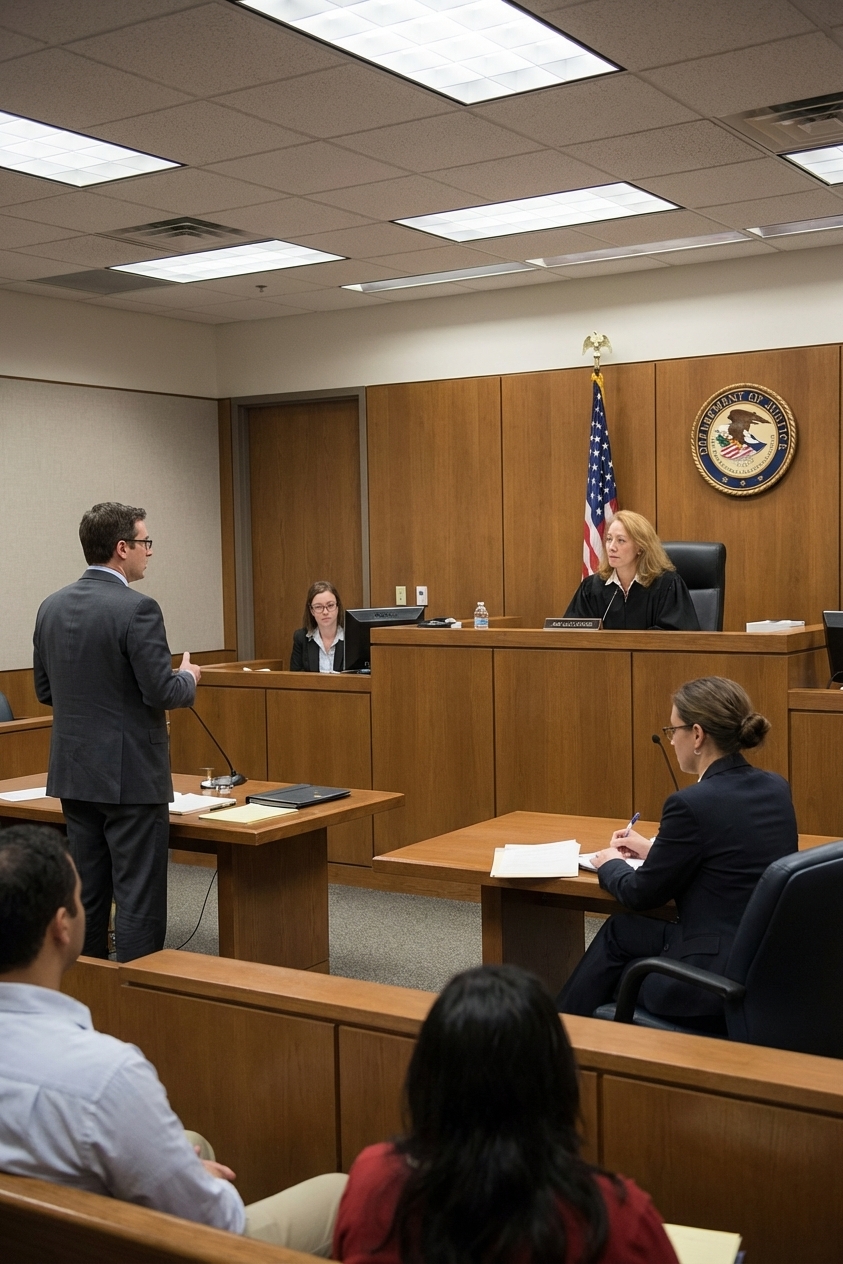
In everyday conversation, people use the word asylum like it means “a safe place to go.” Under U.S. law, it means something narrower and much more structured.
Asylum is a legal protection the United States can grant to a person who is seeking protection inside the U.S. or in removal proceedings, including after a border or port-of-entry encounter. The exact procedural path can vary with the person’s situation and with current rules, but the core idea is the same: protection for someone who cannot return home because they face persecution there. Not poverty. Not general crime. Not instability in the abstract. Persecution, tied to specific grounds recognized by Congress and interpreted by courts.
That structure matters because asylum is both humanitarian and legal. It is compassion administered through forms, deadlines, interviews, and hearings. It can feel personal to the person applying and procedural to the government deciding.

Asylum in U.S. law
U.S. asylum is grounded primarily in federal statute, especially the Immigration and Nationality Act (INA), as amended by the Refugee Act of 1980. In plain terms, asylum may be granted to someone who meets the definition of a refugee.
A person generally qualifies as a refugee for asylum purposes if they are unable or unwilling to return to their country because of past persecution or a well-founded fear of future persecution on account of at least one of these five protected grounds:
- Race
- Religion
- Nationality
- Political opinion
- Membership in a particular social group
Particular social group is often the least intuitive category. At a high level, it can involve a group defined by a shared characteristic that is hard to change (or so fundamental a person should not be required to change it), and that is recognized as distinct in the society in question. The details are heavily litigated, and outcomes can be fact-specific.
That list is short on purpose. Many painful realities are not, by themselves, asylum claims under current law. The hard part is not understanding the list. It is fitting real lives into legal categories, then proving it with evidence, testimony, and credible detail.
Who qualifies and who does not
What “persecution” means
There is no single statutory definition that covers every case, but persecution generally involves serious harm or serious threats. It can include violence, imprisonment, torture, severe discrimination, or other harms so severe they effectively deprive a person of basic liberty or safety.
Persecution can be carried out by the government or by private actors when the government is unable or unwilling to control them.
Non-qualifying harms (by themselves)
These situations are often part of people’s stories, but they typically do not qualify unless they are connected to one of the five protected grounds and rise to the level of persecution:
- Economic hardship or lack of opportunity
- Generalized crime or widespread violence affecting the public at large
- Political instability without a targeted, protected-ground-based risk
Common misconceptions
- “Asylum is for anyone fleeing danger.” Danger matters, but asylum requires a legally recognized type of persecution connected to one of the five grounds.
- “If my country is violent, I automatically qualify.” Generalized violence alone is usually not enough. The applicant must show targeted persecution or a specific risk connected to a protected ground.
- “Asylum is guaranteed if you arrive at the border.” Asylum is discretionary even for eligible applicants. Many cases are denied on eligibility, credibility, or evidentiary grounds, and access to procedures can be affected by current border rules.
Bars that can block asylum
Even if someone fears persecution, certain legal bars can prevent asylum. Examples can include some serious criminal convictions, security-related grounds, firm resettlement in another country, and other statutory limitations. These rules are complex and fact-specific, and they change over time through legislation, regulations, and litigation.
Asylum vs. refugee status
Asylum and refugee status are closely related but happen in different places in the process.
- Refugee status is typically sought from outside the United States through a resettlement process.
- Asylum is sought by someone who is already in the United States or who is requesting protection in connection with a border or port-of-entry encounter, often through screenings that determine whether they can pursue a full claim.
In both contexts, the core question is similar: does the person meet the refugee definition, and should the United States grant protection?
Two tracks
There are two main procedural routes to asylum in the U.S. The difference is less about the substance of the claim and more about where the claim is decided.
Affirmative asylum
Affirmative asylum is when someone applies proactively, usually by filing an application with U.S. Citizenship and Immigration Services (USCIS) while not in removal (deportation) proceedings.
If USCIS does not grant asylum and the applicant lacks another lawful status, the case may be referred to immigration court, where the person can pursue asylum defensively.
Defensive asylum
Defensive asylum is when someone requests asylum as a defense against removal in immigration court, before an immigration judge. This often follows an arrest, a border encounter, or a referral after an unsuccessful affirmative application.
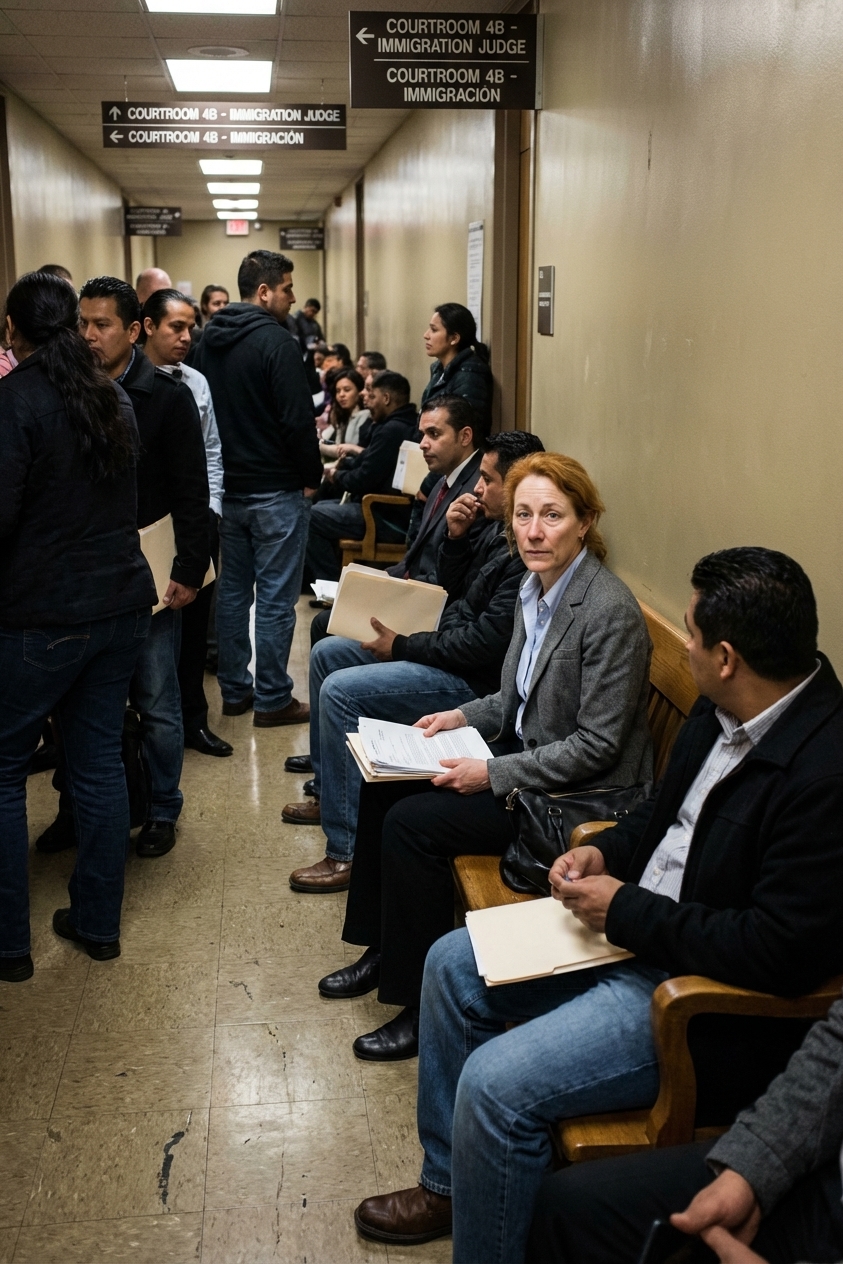
The application
Most affirmative asylum applicants file Form I-589 (Application for Asylum and for Withholding of Removal). Defensive asylum uses the same form, but it is litigated in court.
The one-year rule
One of the most misunderstood parts of asylum law is the one-year filing rule. In general, a person must apply for asylum within one year of arriving in the United States.
There are exceptions, including certain changed circumstances (for example, a political shift at home that creates new danger) and extraordinary circumstances (for example, serious illness), but these exceptions are narrow and heavily litigated.
This deadline applies to asylum specifically. Other protections that may be pursued in the same case, such as withholding of removal and CAT protection, follow different rules.
Evidence and credibility
Asylum cases often rise or fall on two practical points:
- Consistency and detail in the applicant’s story across interviews, applications, and hearings.
- Corroboration where available, such as documents, medical records, police reports, witness statements, or credible country conditions reports.
Many applicants do not have perfect paperwork. The law recognizes that, but decision-makers can still require reasonable corroboration when it should be obtainable.
Credible fear and the border
When someone seeks protection after being encountered at or near the border, the process can involve screenings designed to determine whether they may pursue asylum or related protection claims. The details can change with regulations and policy, but the concept is consistent: an early filter before a full case is heard.
What a credible fear interview is
A credible fear interview is a screening interview conducted by an asylum officer. It asks whether there is a significant possibility that the person could establish eligibility for asylum (or sometimes other protection) in full proceedings.
This is not the asylum decision itself. It is a gatekeeping step that can determine whether the person gets a fuller hearing.
What happens next
- If the officer finds credible fear, the person may be placed into removal proceedings to pursue asylum defensively, or handled through other processes depending on current rules.
- If the officer finds no credible fear, the person can request review by an immigration judge, though timelines and procedures are tight and can vary with policy changes.
Because these screenings can happen quickly and under stress, access to counsel and accurate interpretation can be decisive. A concrete example: a mismatch between a person’s dialect and the interpreter, or a rushed retelling of dates under trauma, can create “inconsistencies” that later become central.
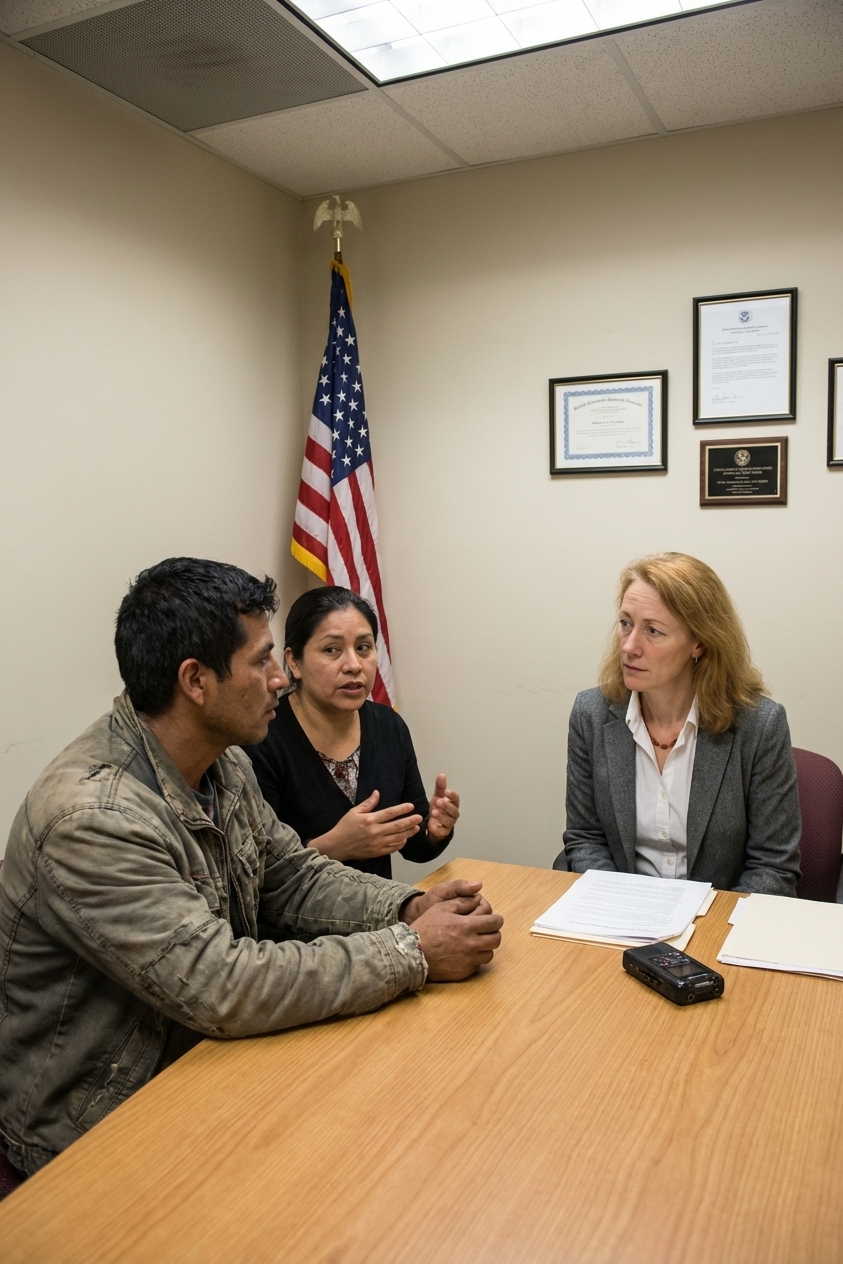
Immigration court
Defensive asylum is decided in immigration court within the Department of Justice, specifically the Executive Office for Immigration Review (EOIR). The judge is an immigration judge, not an Article III federal judge, and the system operates under administrative law procedures.
The basic stages
- Master calendar hearings: short hearings where the judge confirms issues, sets deadlines, and schedules the merits hearing.
- Merits hearing: the main evidentiary hearing where the applicant testifies, presents witnesses, and submits evidence. The government can cross-examine.
Related protections
Asylum is discretionary and has its own standard. Two related forms of protection often appear in the same case:
- Withholding of removal: mandatory if the legal standard is met, but generally requires a higher showing than asylum. It offers fewer benefits than asylum.
- Protection under the Convention Against Torture (CAT): focuses on risk of torture, regardless of the five asylum grounds, under specific legal requirements. It also typically involves a higher, more demanding standard than asylum.
Appeals
An immigration judge’s decision can generally be appealed to the Board of Immigration Appeals (BIA). Some cases can then move to a federal court of appeals.
Constitutional basics
This is where the Constitution quietly enters a process most people think is purely statutory.
Immigration law gives the political branches wide power, and courts often describe immigration as an area where Congress and the executive have significant authority. But that does not mean the Constitution disappears at the border or in immigration court.
Due process
The Fifth Amendment guarantees due process of law. In immigration contexts, courts have long recognized that noncitizens physically present in the United States are entitled to at least some due process protections, particularly in removal proceedings. What due process requires depends on context, but it often includes:
- Notice of the charges and proceedings
- A meaningful opportunity to be heard
- A decision by a neutral adjudicator
- Access to interpretation when needed to understand and participate
Due process does not guarantee the outcome. It guarantees the fairness of the procedure used to reach it.
Counsel (not appointed in most cases)
Asylum seekers generally have the right to be represented by an attorney in immigration proceedings, but not to have one appointed at government expense in most cases. That practical gap shapes the entire system because asylum law is complex and the stakes are life-altering.
Search, seizure, and detention
Constitutional rules about searches, seizures, and detention can apply in certain immigration contexts, but they do not always operate the same way as in ordinary criminal cases, especially at or near the border. Separate from the Constitution, federal statutes and regulations also govern detention reviews, parole, and conditions.
Equal protection principles
The Constitution’s equal protection values can matter in immigration litigation. When the federal government is involved, those arguments are typically framed through the Fifth Amendment. The doctrine is complex, and immigration law also includes rules that can give the federal government broader latitude than states would have in many domestic contexts.
What asylum provides
Asylum is more than permission to stay. If granted, it can provide:
- Permission to remain in the United States
- Eligibility to apply for a work permit (with timing shaped by statute, regulations, and “clock” rules that can delay when someone may apply)
- The ability to petition to bring certain family members
- A path to apply for lawful permanent residence (a green card) after meeting statutory requirements
Asylum is not automatic citizenship. It is a legal status that can be stable, but it can also be revisited in limited circumstances set by law.
Common myths
Myth: “Asylum seekers are here illegally.”
U.S. law allows people to seek asylum even if they arrive without prior authorization, subject to procedural rules and restrictions. How someone enters can matter for detention, processing, or eligibility issues, but the act of requesting asylum is itself part of the legal system.
Myth: “Asylum is just a loophole.”
Asylum is a congressionally created protection aligned with international commitments. It can be abused like any legal system, and it can strain agencies and courts when caseloads surge. But it is not an accidental gap. It is a deliberate tool, with criteria and enforcement mechanisms.
Myth: “You just say the word asylum and you can stay.”
In reality, people can be removed on an expedited timeline if they do not meet screening standards, and many others are ordered removed after full hearings. Many valid asylum claims also fail because applicants cannot meet deadlines, produce evidence, or navigate the process.
Why it keeps shifting
The asylum system sits at the intersection of statute, executive policy, and court decisions. That means the rules people experience on the ground can change even when the core statutory definition does not.
Some moving parts that have changed in recent years include:
- Border processing rules and eligibility limits tied to where and how a person seeks protection
- Detention and parole policies
- Expedited removal practices and screening procedures
- Asylum officer authority and how cases are routed between agencies and courts
- Backlog management strategies that affect scheduling and timelines
A concrete example: a change in how border encounters are processed can determine whether a person starts with a rapid screening or is given a date for later proceedings, which in turn can affect access to counsel, time to gather evidence, and the practical pace of the case.
Because many of these changes are implemented through regulations and executive actions, they are frequently challenged in federal court. The result is a system where the same legal term, “asylum,” can look different depending on the month, the administration, and the venue.
A simple way to think about it
If you want the asylum process in one sentence, here it is: asylum is a request for protection that must be proved, under pressure, within a legal definition that is both morally weighty and procedurally unforgiving.
The Constitution does not create a freestanding “right to asylum.” Congress did that through statute. But the Constitution does shape how the government must treat people while it decides who stays and who is sent back.
That is the tension at the heart of asylum in America: mercy filtered through law, and law constrained, at least in part, by constitutional commitments to due process.
Note: This article is for general information, not legal advice. If you need help with a specific case, consult a qualified immigration attorney or an accredited representative.