
Midterm elections are America’s political reset button, or at least the closest thing we have. They happen halfway through a president’s four-year term, and they can change the country’s direction without changing the president.
That surprises people because we tend to treat presidential elections like the whole story. The Constitution disagrees. It spreads power across institutions, then forces those institutions to face voters on different schedules. Midterms are one of the strongest tools voters have to reward, restrain, or redirect a sitting administration.
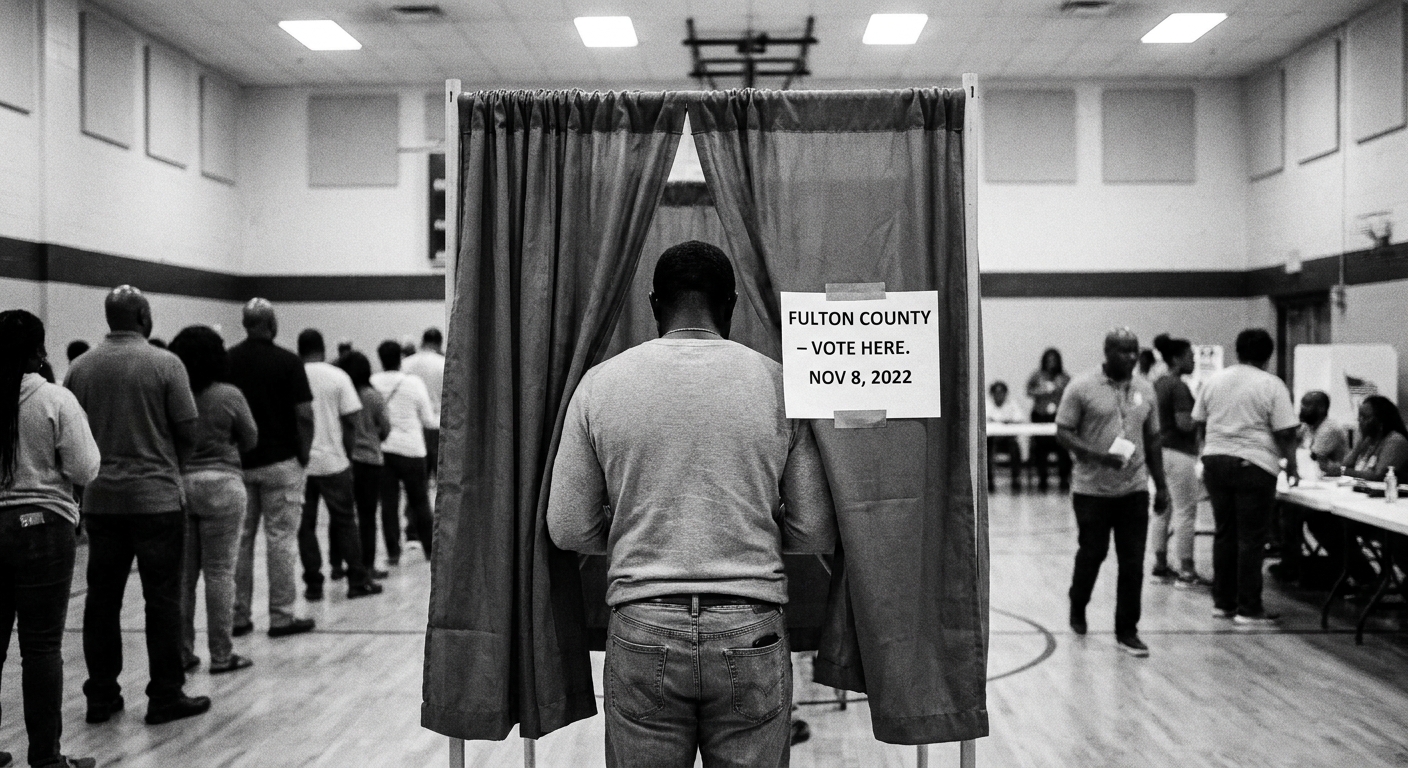
Join the Discussion
Midterm elections, defined
A midterm election is the federal general election held two years after a presidential election, halfway through a president’s term, on the Tuesday after the first Monday in November.
In midterms, voters do not elect the president. Instead, they elect a large share of the officials who will either cooperate with the president, oppose the president, or force compromise.
When do midterms happen?
Midterms occur every four years, in the even-numbered year between presidential elections. For example, if a president is elected in 2024, the midterm election is in 2026.
Why they are called “midterms”
The term is literal. It is the election at the midpoint of the presidential term, not the midpoint of every elected official’s term. Some senators, governors, and local officials may be mid-cycle too, but the defining feature is its relationship to the presidency.
What is on the ballot in a midterm election?
The short answer is: a lot. The longer answer depends on your state, your district, and which offices are scheduled that year.
U.S. House of Representatives (all 435 seats)
Every member of the House runs every two years. That design is constitutional. Article I sets two-year terms for representatives, making the House the chamber most directly tethered to public opinion.
Because all House seats are on the ballot in every midterm, the House is the branch most likely to change hands.
U.S. Senate (about one-third of seats)
Senators serve six-year terms, also set by the Constitution. Senate elections are staggered, meaning roughly one-third of the Senate is up for election during any midterm year.
Even though fewer Senate seats are contested, a midterm can still flip Senate control, especially when margins are close.
Governors, state legislatures, and state offices
Many states elect governors in midterm years, along with state attorneys general, secretaries of state, treasurers, and other statewide officials. State legislative seats are often on the ballot too.
These races matter because states run elections, draw many district maps, and shape policy on education, policing, labor, public health, and voting access.
Local offices and ballot measures
Depending on where you live, you may see elections for mayors, county commissioners, school boards, prosecutors, judges, and ballot initiatives. These contests often have immediate impacts, even when national coverage overlooks them.
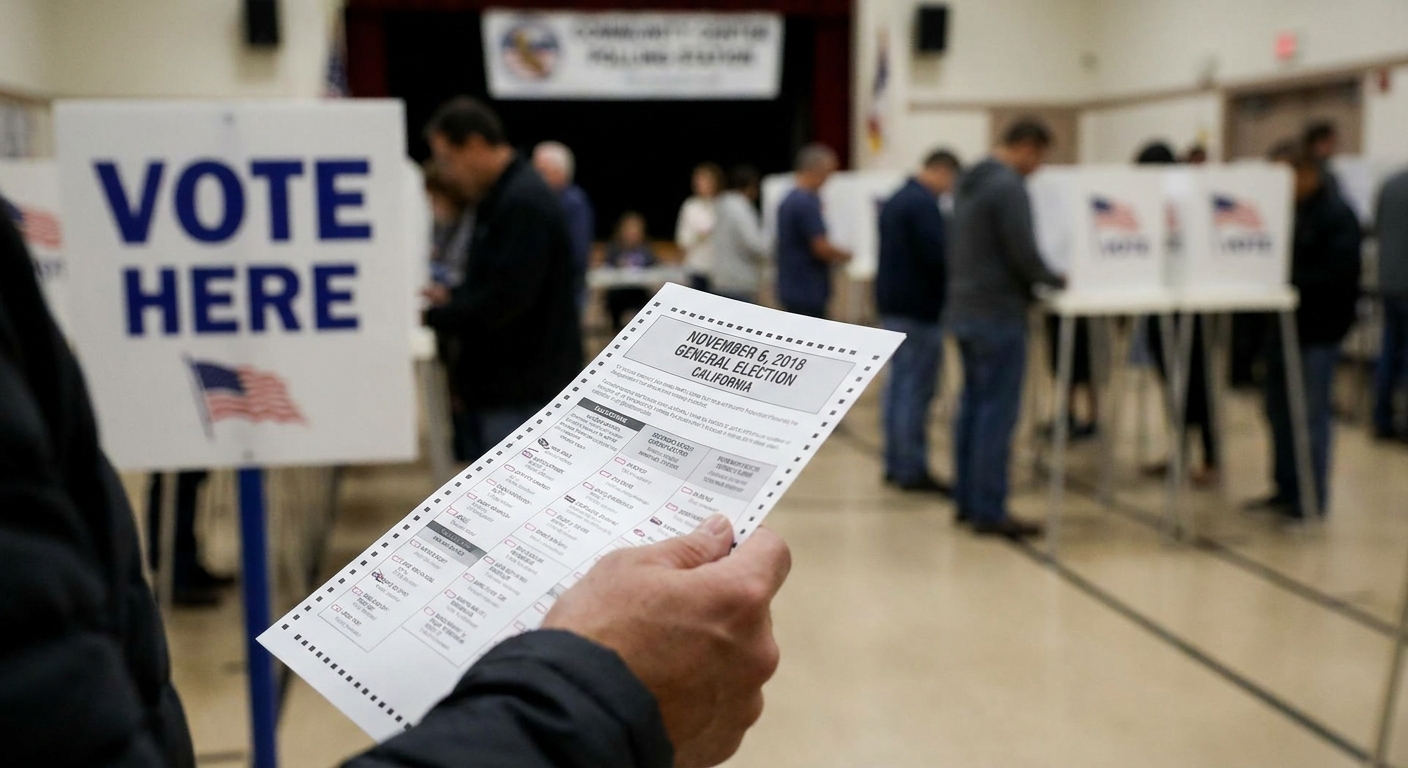
What midterms mean for checks and balances
The Constitution’s checks and balances are not just about branches saying “no” to each other. They are also about voters periodically rearranging power.
Congress can change the president’s practical power
The president remains president after a midterm. But Congress might not remain friendly.
- Legislation: If the House or Senate flips, the president may face a gridlocked Congress that blocks key bills.
- Oversight: Congress can hold hearings, issue subpoenas, and investigate executive agencies.
- Spending: Congress controls appropriations, while presidents propose budgets and can veto spending bills. After a midterm, budget fights can shape what government actually does.
- Appointments: The Senate confirms judges and executive nominees. Senate control can accelerate or stall appointments.
Midterms also shape the judiciary indirectly
Federal judges are not elected, but the Senate that voters choose in midterms may confirm or reject a president’s judicial nominees. Over time, that affects constitutional interpretation in very real ways.
Are midterms in the Constitution?
The Constitution does not use the phrase “midterm election.” But it creates the conditions that make midterms inevitable.
The two-year House term
Article I gives representatives two-year terms. That means there is an election for the House in the middle of every presidential term, every time.
Staggered Senate terms
The Senate’s six-year terms are staggered by design, ensuring continuity and preventing total turnover in any single election. But midterms still include Senate races, sometimes enough to shift control.
Election timing and the states
Federal law sets the general election date for Congress. States administer the actual voting process and run most primary elections, within a mix of state rules and federal guardrails. This is why midterms can look different state to state, even though federal offices share the same November calendar.
Why midterm turnout is usually lower
Midterms typically have lower voter turnout than presidential elections. That pattern has consequences.
- Less media oxygen: The presidency draws attention. Midterms can feel like background noise by comparison.
- No single focal point: Instead of one national contest, there are hundreds of separate races.
- Voter fatigue: Many voters disengage between presidential cycles.
- Different motivation levels: The most committed voters are more likely to show up in midterms, which can shift outcomes.
Lower turnout does not mean lower stakes. It often means the opposite: power is decided by a smaller slice of the public.
Do midterms usually go against the president?
Often, yes. There is a well-known pattern where the president’s party loses seats in midterm elections. Political scientists debate the reasons, but a few explanations tend to repeat.
- Referendum effect: Midterms become a judgment on the sitting president’s performance.
- Balance-seeking: Some voters prefer divided government, intentionally or instinctively.
- Enthusiasm gap: The opposition party is frequently more energized to vote.
But it is not a law of nature. There are exceptions, including 1998 and 2002, when the president’s party gained seats in the House. Economic conditions, major events, candidate quality, redistricting, and state-level dynamics can all disrupt the pattern.
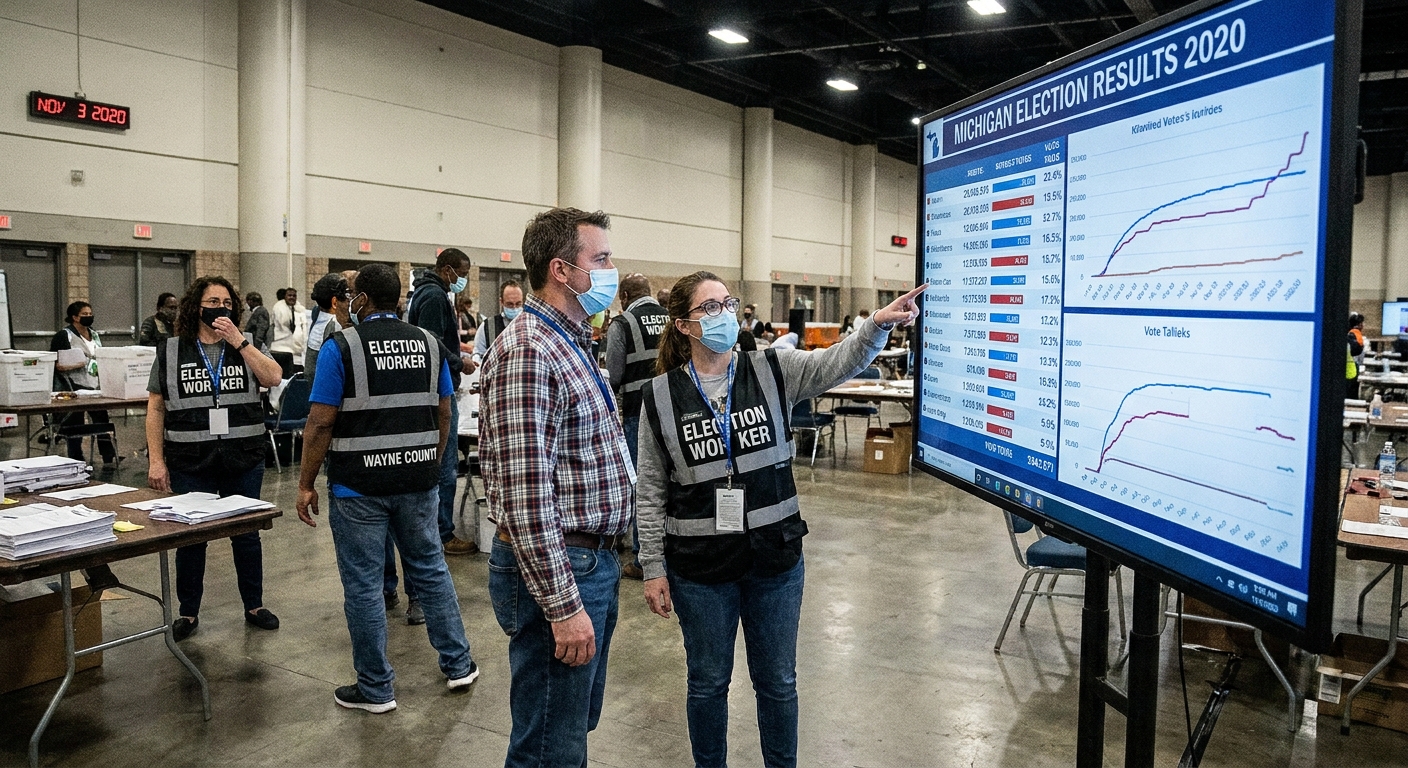
Midterms and the Electoral College
Not directly. The Electoral College is used to choose the president, and the president is not on the ballot in midterm years.
But midterms can influence presidential elections indirectly by shaping:
- state election administration
- state voting laws
- party momentum and fundraising
- who controls Congress during the next presidential term
How primaries fit in
Before the November general election, most states hold primary elections to determine each party’s nominees. Primary rules vary: some are open, some closed, some use runoffs.
If the general election is the final matchup, primaries decide who gets to walk onto the field. In many districts, the primary is effectively the decisive contest.
Special elections and vacancies
Sometimes you will see elections outside the normal November rhythm. When a member of Congress leaves office early, states may hold special elections to fill the vacancy. These races are not “midterms” as a category, but they can still shift power in close chambers.
What to watch for
If you want to read a midterm ballot like a civics nerd, look for these pressure points.
House control and committees
Party control in the House determines committee chairs, the legislative agenda, and what gets investigated or ignored.
Senate control and confirmations
A Senate majority can move judicial confirmations quickly, stall them, or use procedure to shape outcomes.
State offices that run elections
Secretaries of state and local election officials do not just “administer paperwork.” They interpret rules, allocate resources, and make judgment calls under stress.
District maps and redistricting
House elections are fought on district lines. After each census, states redraw maps, which can shape the playing field for a full decade and make some midterms feel structurally tilted before a single ad runs.
Ballot measures
In many states, voters can pass constitutional amendments at the state level or approve major policy changes by initiative or referendum.
How to vote
If you want the practical checklist, focus on three things: registration, your ballot, and your voting plan.
- Check registration rules and deadlines: They vary by state, and some states allow same-day registration while others do not.
- Preview your ballot: Local races and ballot measures are where the surprises live.
- Choose your method: In many states you can vote early in person, vote by mail, or vote on Election Day. Each option has its own deadlines.
Why midterms matter
Midterms determine who writes the laws you live under, who funds the programs you rely on, who investigates executive power, and who confirms judges. They can decide whether government can act quickly or must negotiate.
The Constitution is not self-enforcing. It is enforced by institutions, and those institutions are shaped by elections. Midterms are one of the scheduled moments when the public gets to intervene.
Quick midterm election FAQ
Are midterm elections every two years?
Federal elections occur every two years, but “midterm” specifically refers to the federal general election held halfway through a presidential term.
Do senators run in midterms?
Some do. About one-third of Senate seats are up in each midterm year.
Can midterms change who is president?
No. Midterms do not remove or replace the president. But they can dramatically change what the president can accomplish.
Why do people say midterms are a “referendum” on the president?
Because the president is the most visible national figure, voters often use midterms to express approval or disapproval of the administration’s direction.