
A government shutdown is usually described in the language of “appropriations,” “continuing resolutions,” and “funding gaps.” But the lived reality is far less abstract: missed paychecks, late rent, and everyday bills that do not pause just because Congress did.
In that gap, private companies sometimes step into a role the Constitution never assigned them: temporary shock absorbers for a broken budgeting process. This week, Verizon announced it will waive late fees and offer flexible payment arrangements for federal workers impacted by the partial shutdown that has fallen hardest on the Department of Homeland Security.
What Verizon is offering
Verizon says federal employees affected by the shutdown can have late fees waived and can set up a payment plan, so they can keep their service active while pay is delayed. The offer applies to any federal worker who can provide employment verification, not only employees in one specific DHS component.
To request help, Verizon directs employees to call 1-800-Verizon (1-800-922-0204) to arrange the waiver and payment options.
Why DHS is the flashpoint
The partial shutdown began in February 2026 after Congress failed to pass a new funding bill for the Department of Homeland Security. And because DHS is not a single agency so much as an umbrella, the disruption has landed unevenly across its different parts.
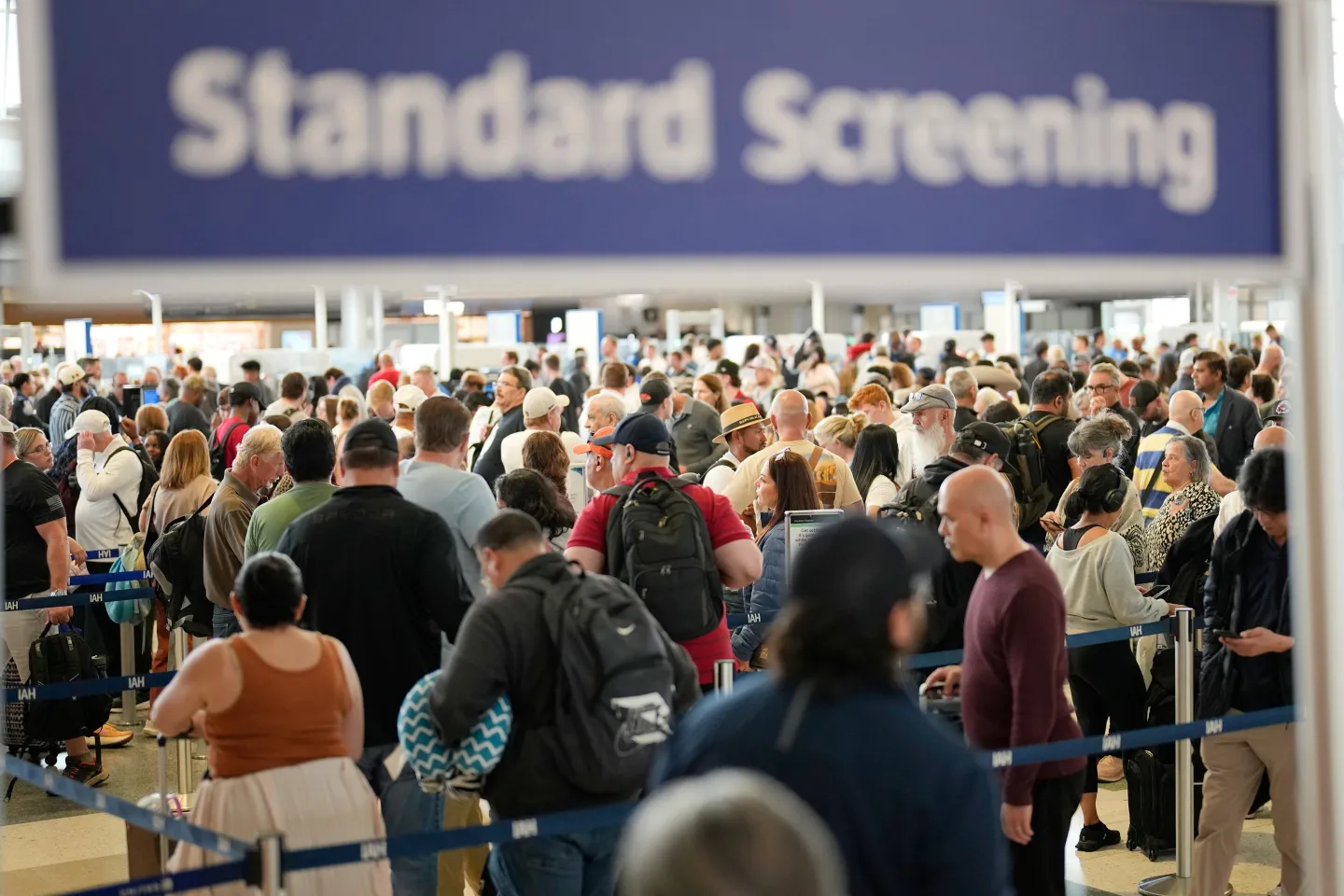
The Transportation Security Administration has been hit especially hard. When TSA cannot pay its workforce, the public feels it quickly, not as a line item in a budget, but as longer security lines and airport slowdowns. Over the last week, those delays have become significant at airport checkpoints.
Meanwhile, other DHS components have avoided the same immediate payroll crunch because prior legislation created a separate pool of funding for them. Specifically, Immigration and Customs Enforcement (ICE) and Customs and Border Protection (CBP) have been spared in this funding lapse, even as the broader department has been squeezed.
What is blocking a deal
The stalemate is not just procedural. It turns, in part, on the same agencies that have been spared by that separate funding pool. Democratic senators and congresspeople have demanded that ICE agents wear body cams and remove masks before making arrests, among other restrictions, and have refused to fund DHS until those terms are written into the bill.
In response to the impasse, both Republicans and Democrats have separately proposed funding the entire department except for ICE and CBP. That approach cleared the Senate, but it has not been taken up in the House, leaving the shutdown to grind on while workers and travelers absorb the fallout.
The constitutional backdrop
Shutdowns are not a constitutional requirement. They are a modern collision between a constitutional design and political incentives.
Article I gives Congress the power of the purse. That is not a procedural detail. It is one of the Constitution’s central checks, meant to keep executive power tethered to elected representatives. But when Congress cannot agree on funding, the same safeguard becomes a blunt instrument. “No appropriations” does not just constrain the executive branch. It also suspends the pay of workers who did not cause the stalemate and cannot vote their way out of it.
The Constitution does not guarantee a right to uninterrupted government services, and it does not promise that your phone bill will wait patiently while lawmakers negotiate. What it does guarantee is a system where policy fights occur through institutions, not force. A shutdown is a sign those institutions are functioning poorly, but still functioning.
When private companies fill gaps
Verizon’s move is not unprecedented. Large service providers have made temporary accommodations during national disruptions in the past, including during the COVID-19 era when Verizon gave customers extra mobile data at no additional cost.
But it is worth sitting with what this moment reveals. In a shutdown, connectivity is not a luxury. It is how workers receive updates from agencies, arrange childcare when shifts change, coordinate travel, and manage the bureaucratic process of uncertainty. A late fee waiver does not solve the constitutional or political problem, but it reduces the immediate harm.
And that is the civic education lesson hiding in a mundane headline about cell phone bills: when budgeting collapses, the consequences radiate outward, and the relief often comes from places our founding document never contemplated.
What workers can do next
- Check eligibility: Verizon indicates the offer covers federal workers impacted by the partial shutdown who can provide employment verification.
- Call Verizon directly: 1-800-922-0204 to request late fee waivers and discuss payment arrangements.
- Document your situation: Keep records of leave status, pay disruption notices, and any agency communications that confirm the impact.