
The sanctity of the patient – provider relationship, a bedrock of the American medical system, is facing a modern crisis as a viral digital trail leads directly into the heart of a major Virginia hospital. What began as a series of social media posts has transformed into a formal criminal investigation, raising profound questions about where political activism ends and professional malpractice begins.
The Call for “Medical Sabotage”
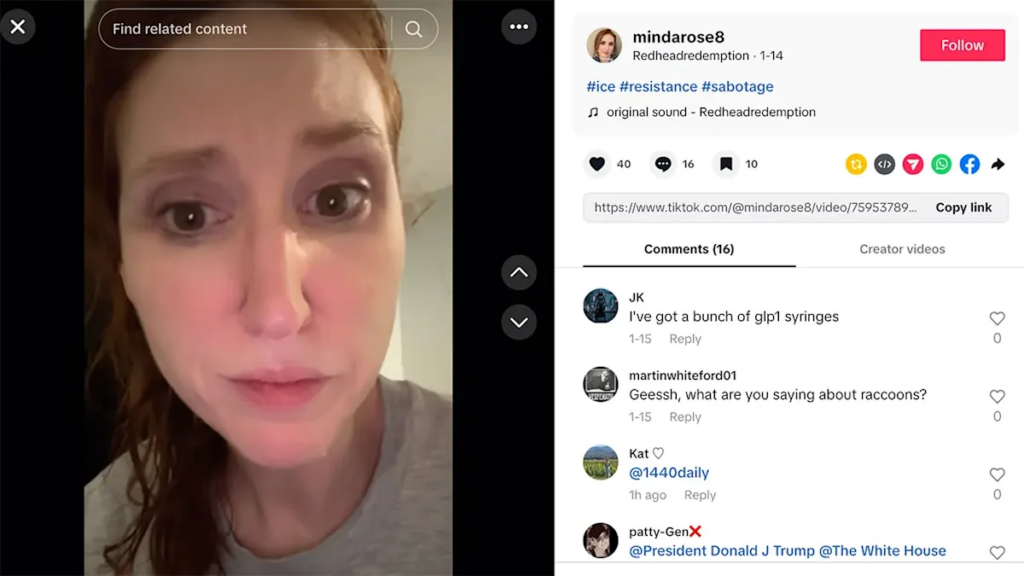
Virginia Commonwealth University (VCU) Health and the VCU Police have launched a high – priority investigation into a registered nurse following the release of several highly disturbing videos. The nurse, who operated under the TikTok handle “Redheadredemption,” is seen in the clips providing specific instructions to her followers on how to “sabotage” and “incapacitate” federal immigration agents.
The most alarming of these videos features the nurse suggesting that medical providers use their access to specialized drugs to target opponents. Specifically, she references succinylcholine, a powerful anesthetic used in surgical settings to induce rapid muscle paralysis.
The suggestion that a healthcare professional would weaponize a paralytic agent – a substance that literally stops a person’s ability to breathe without mechanical assistance – has sent shockwaves through the medical community.
- The Tactics: The nurse suggested filling syringes with saline or succinylcholine as a “deterrent” or “sabotage tactic.”
- The “Resistance Tips”: Other videos proposed using water guns filled with “poison ivy water” to target the faces of federal agents.
- The Social Campaign: In a video tagged “#staytoxic,” she urged women to find ICE agents on dating apps like Tinder to spike their drinks with laxatives.
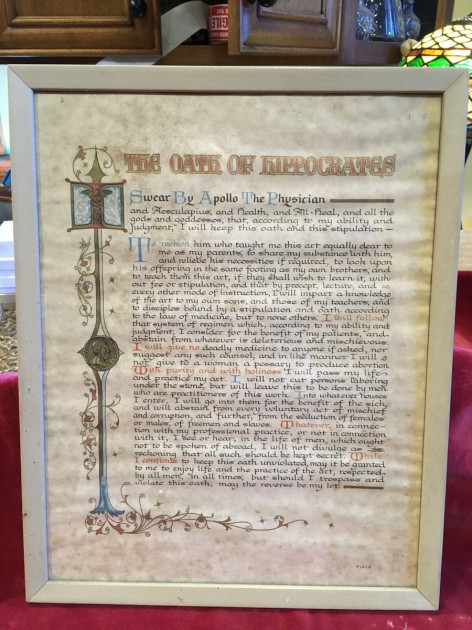
VCU Health has responded by placing the individual on administrative leave, stating that the content of the videos is “highly inappropriate” and does not reflect the integrity of their healthcare system. For the constitutional watchdog, this represents a terrifying erosion of the Hippocratic Oath, which mandates that a provider shall “do no harm.”
How We Got Here: The Ethics of the “Healer – Warrior”
The concept of a medical professional using their specialized knowledge to inflict harm on “enemies” is one of the darkest chapters in human history. To understand the severity of the current investigation, one must look back at the historical development of medical ethics and the safeguards designed to prevent the weaponization of healthcare.
- The Hippocratic Oath (c. 400 BC): Established the first ethical code for physicians, emphasizing the duty to preserve life and maintain patient confidentiality above all else.
- The Nuremberg Code (1947): Following the horrors of medical experimentation during World War II, this code set international standards for human rights in medicine, explicitly forbidding the use of medical knowledge for the “degradation” of human beings.
- The Geneva Pledge (1948): Often used by modern doctors, it states: “I will not use my medical knowledge to violate human rights and civil liberties, even under threat.”
The VCU nurse’s videos represent a modern inversion of these principles. By viewing her “resistance” as superior to her medical duty, she is essentially advocating for a return to a pre – ethical era where a provider’s political allegiance determines the safety of the person in their care.
The Danger of Succinylcholine: A Controlled Paralytic
Succinylcholine is not a common drug found in a household cabinet; it is a highly regulated anesthetic typically restricted to operating rooms and emergency departments. It works by mimicking the neurotransmitter acetylcholine, binding to receptors and causing a sudden burst of muscle contraction (fasciculation) followed by total flaccid paralysis.
In a clinical setting, this drug is used to facilitate rapid sequence intubation, allowing a doctor to place a breathing tube in a patient without the risk of the patient gagging or fighting the procedure. However, if administered to a conscious person without immediate respiratory support, the victim would remain fully awake while their diaphragm and chest muscles stop functioning. They would, in effect, experience the sensation of suffocation while paralyzed.
The nurse’s suggestion to carry syringes of this drug as a “deterrent” is a direct threat of felony assault with a deadly weapon. The legal implications for a healthcare provider advocating for the unauthorized use of controlled substances are severe, ranging from the permanent loss of their medical license to significant prison time.
Professional Standards vs. First Amendment Rights
While the nurse may claim her videos are a form of “political speech” protected by the First Amendment, the courts have long held that professional licensing boards have the authority to regulate the conduct of their members. A nurse’s “private” social media presence can be used as evidence of a lack of the “good moral character” required to hold a license.
Furthermore, the Hatch Act and various state – level equivalents often restrict the political activities of government employees. As an employee of a state – funded institution like VCU, the nurse’s public call for “sabotage” against federal agents likely violates multiple administrative policies regarding conduct unbecoming of a public servant.
- State Board of Nursing: The Virginia Board of Nursing has the power to revoke a license if a provider is found to be a threat to public safety.
- Employment Law: Virginia is an “at – will” employment state, meaning VCU Health can terminate an employee for conduct that damages the hospital’s reputation or violates safety protocols.
- Criminal Liability: VCU Police are investigating the videos as potential threats of violence or solicitation to commit a crime.
The Moral Injury of Polticized Healthcare
The fallout of this case extends beyond a single nurse. It creates a climate of distrust in the healthcare system, particularly among those who serve in law enforcement or hold opposing political views. If a patient believes their nurse might “sabotage” their care or “spike” their food based on their occupation, the foundational trust required for medical treatment evaporates.
This “toxic” environment is exactly what the nurse in the videos appeared to be celebrating. By urging her followers to “make their lives miserable” and “get them where they eat,” she is advocating for a society where basic safety is a partisan privilege.
“We prioritize the health and safety of anyone who comes to us for care,” VCU Health stated, a reminder that in a constitutional republic, the right to medical treatment and safety is not supposed to be contingent on one’s political identity.
A Warning to the Medical Community
The investigation at VCU serves as a stark warning to healthcare professionals nationwide. In an era of intense political polarization, the temptation to use one’s professional “tools” as weapons of resistance is a path toward ethical collapse.
The Constitution protects the right to protest and the right to dissent, but it does not protect the right to use medical supplies to commit assault or the right to poison opponents. As the VCU Police continue their probe, the focus will remain on whether this was a “scare tactic” or a genuine plan to commit violence.
The outcome of this case will define the boundaries of professional conduct in the digital age. It will determine if the “medical provider” remains a symbol of healing, or if the profession will be stained by those who believe the “cause” justifies the contamination of the clinic.