
A new trade war is brewing with Brazil. A fragile truce is being negotiated with Europe. A new trade alliance is forming with Mexico against China. And a long-standing loophole that allowed Americans to receive small, duty-free packages from overseas has just been closed.
This is not a series of random events. It is the direct result of a single, powerful force: the American presidency wielding its immense authority over global trade.
This whirlwind of activity is a profound, real-time lesson in the constitutional balance of power and what happens when Congress delegates its authority to a determined executive.
The Constitution’s Commerce Power
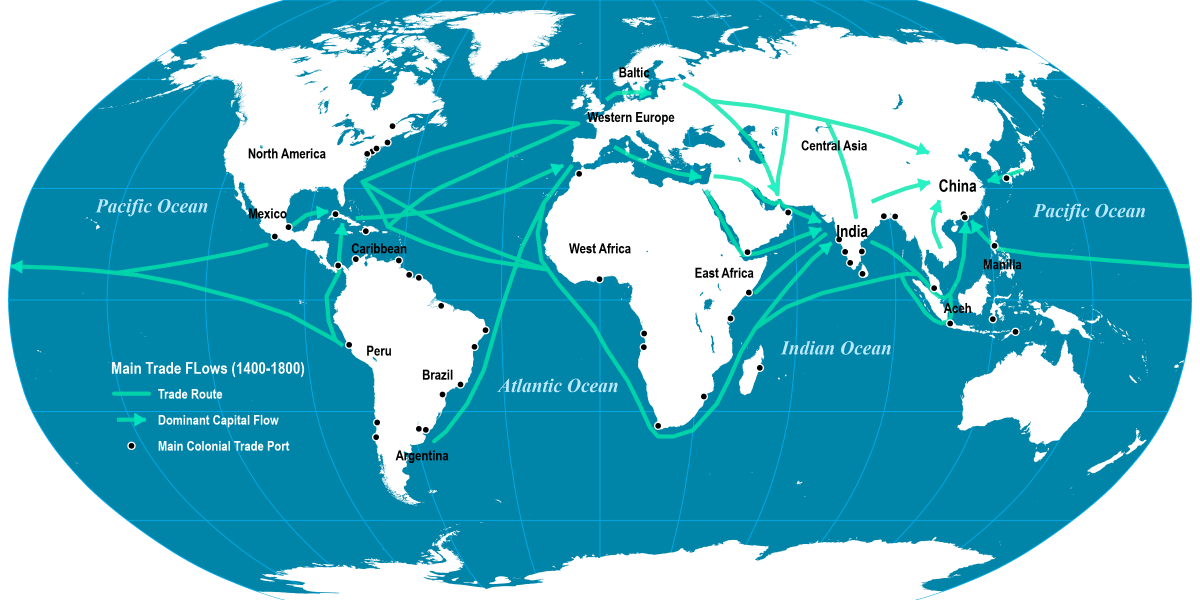
To understand the current trade war, we must begin with the Constitution. Article I, Section 8 is explicit: it grants Congress – not the President – the power “To regulate Commerce with foreign Nations” and to set tariffs.
However, over the last century, in response to a more complex and fast-moving global economy, Congress has passed a series of laws that have delegated vast portions of this power to the President. Laws like the Trade Act of 1974 and the International Emergency Economic Powers Act (IEEPA) have given the President a powerful arsenal of tools to impose tariffs and negotiate deals without needing a new vote from Congress for every action. The current global trade war is a direct consequence of this massive, long-term delegation of constitutional power.
An Arsenal in Action: The President’s Global Chessboard
The events of this week show the President using this entire arsenal at once.
- The End of the “De Minimis” Loophole: For years, a provision in U.S. law known as “de minimis” allowed most packages valued under $800 to enter the country duty-free. As of today, that loophole is closed. This is a major policy shift that will directly affect every American who shops online from foreign retailers like Shein and Temu, who will now see the cost of those goods rise.

- A Global Realignment: Simultaneously, the President is engaged in a multi-front diplomatic battle. Brazil is now threatening retaliatory tariffs, opening a new trade war. Mexico is aligning with the U.S. to raise tariffs on China. And the European Union is negotiating a fragile truce to lower tariffs on cars and industrial goods. This is a president acting as the sole negotiator, reshaping America’s economic relationships across the globe.
The Looming Judicial Check
While the President’s delegated power is vast, it is not unlimited. A crucial constitutional check remains: the judiciary. The President’s authority to impose some of his broadest tariffs under emergency powers is currently being challenged in the U.S. Court of Appeals for the Federal Circuit, and a decision is expected within days or weeks.
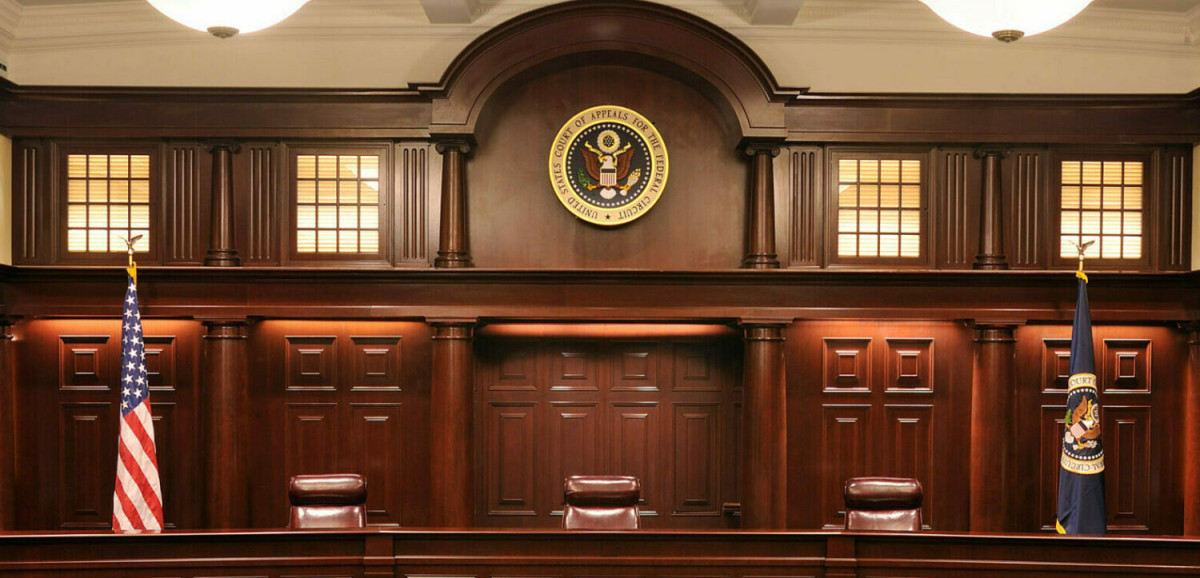
This pending court case is a powerful reminder that the President’s actions are still subject to the rule of law. The judges are being asked to decide a fundamental question: has the President stayed within the bounds of the authority Congress gave him, or has he exceeded it?
This is a fundamental separation of powers check on executive authority.
The President’s aggressive trade policy is a powerful demonstration of the modern presidency in action. This entire saga – from a new tax on your online shopping to a potential trade war with Brazil – is the result of a long, slow shift of constitutional power from the legislative branch to the executive. The looming court decision will be a critical test of whether there are any meaningful limits left on that power.