
The U.S. State Department has revoked more than 6,000 student visas so far in 2025, citing reasons ranging from visa overstays and criminal acts to “support for terrorism.” This aggressive enforcement, which has included “heightened scrutiny” of students involved in pro-Palestinian protests, has ignited a fierce debate about the rights of foreign nationals on American soil.
This is not just an immigration story; it is a powerful demonstration of one of the executive branch’s most formidable and least understood powers. The controversy forces us to confront a fundamental question that cuts to the core of our legal system: What constitutional rights does a foreign student have when they are a guest in our country?
Join the Discussion
The Plenary Power: A Near-Absolute Authority
To understand this issue, one must first understand a core principle of our constitutional law: the plenary power doctrine. The Supreme Court has long held that the political branches of government – Congress and the President – have broad and nearly absolute authority over immigration.
This means that decisions about who is allowed to enter the country, and under what conditions, are largely insulated from review by the judicial branch. This principle, known as “consular nonreviewability,” gives the executive branch, through the State Department, immense discretion to grant, deny, or revoke visas.
This is the vast and powerful legal authority that the Trump administration is now wielding.
A Question of Due Process
Critics of the administration’s policy, like Senator Jeff Merkley, have argued that revoking a student’s visa without a full hearing is a “fundamental attack on freedom” and a violation of due process. This is a powerful claim, but it runs into a difficult and crucial legal distinction between a “right” and a “privilege.”
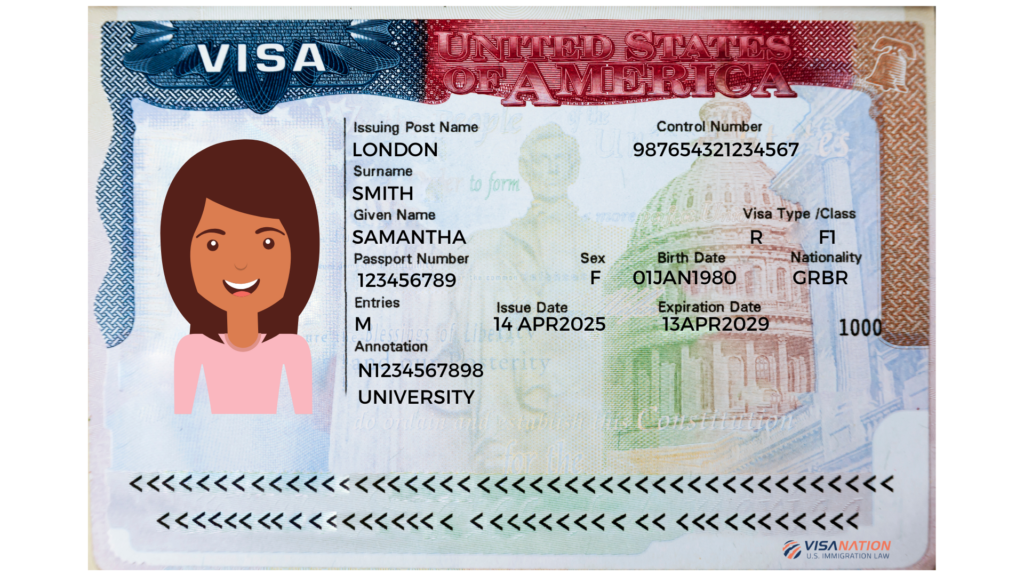
For a U.S. citizen, remaining in the country is a constitutional right. For a foreign national, a student visa is a privilege granted by the U.S. government.
While a non-citizen physically present in the U.S. is protected by the Due Process Clause if accused of a crime, their legal right to remain in the country is far more limited.
The government can revoke a temporary visa through an administrative process if it determines the individual has become ineligible – for example, by committing a crime or violating the terms of their stay.
Free Speech for Guests?
The most constitutionally sensitive part of this new policy is the scrutiny of students involved in protests. Do foreign students have First Amendment rights? The answer is yes. The government cannot, for example, prosecute a student for their protected political speech.
However, the government can determine that certain speech or actions cross a line into conduct that makes a person ineligible to remain a guest in our country. The administration’s stated reason for revoking some visas is “support for terrorism,” with the example given being fundraising for Hamas, a designated Foreign Terrorist Organization.
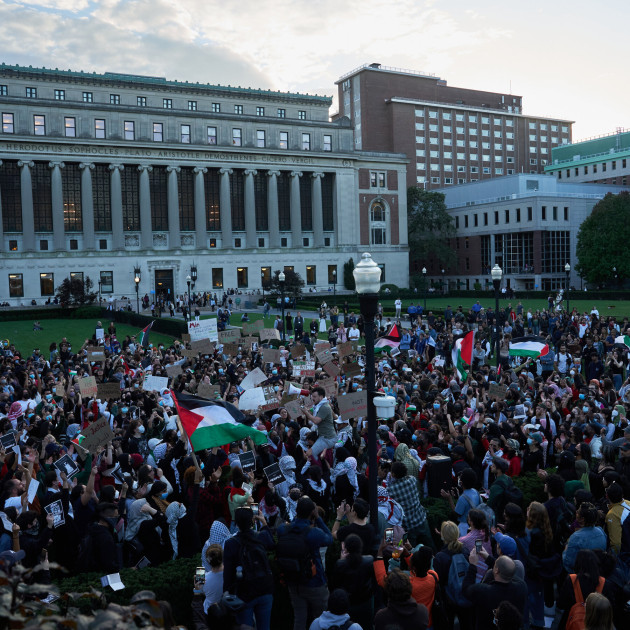
This is where the constitutional danger lies. The line between protected political advocacy and what the government defines as “support for terrorism” can be blurry. The decision is not made by a judge in an open court, but by an official in the executive branch.
This creates a powerful potential for a “chilling effect,” where foreign students may become afraid to engage in any form of legitimate, peaceful dissent for fear that their visa could be revoked.
The administration’s crackdown is a powerful exercise of a constitutionally solid, if unsettling, executive power. It is a stark reminder of the difference between being a citizen and being a guest. Our constitutional system grants the federal government immense authority to decide who can enter and remain in our country.
The challenge for a free society is to ensure that this formidable power is wielded with wisdom and restraint, and not as a tool to suppress disfavored political speech on our university campuses.