
The long and heated war over who gets to set the rules for America’s elections has just seen a decisive battle. A federal judge in Washington, D.C., has issued a permanent, final ruling on the President’s attempt to unilaterally change how Americans register to vote.
U.S. District Judge Colleen Kollar-Kotelly has permanently blocked a key part of President Trump’s March 25 executive order. The order sought to require all Americans to provide documents like a passport as proof of citizenship simply to register, a move that would have fundamentally altered the American voting landscape.
Why a President Cannot Sidestep the Constitution
Judge Kollar-Kotelly’s ruling is not a political opinion; it is a direct affirmation of the plain text of the U.S. Constitution. Her decision rests on one of the most fundamental principles of our federalist system: the Elections Clause.
Article I, Section 4 of the Constitution is unambiguous. It explicitly grants the power to set the “Times, Places and Manner of holding Elections” to the state legislatures.
The clause does provide a federal check on this power, but it grants that authority only to Congress, which “may at any time by Law make or alter such Regulations.” The President of the United States is given no role whatsoever in this process. Judge Kollar-Kotelly’s ruling confirms that the President cannot use an executive order to bypass both the states and Congress to impose his preferred voting rules by decree.
A Solution in Search of a Problem
The executive order was part of a sweeping effort to overhaul federal elections. The administration’s stated rationale for the proof-of-citizenship requirement is to combat what the President has falsely claimed is widespread voting by non-citizens.
This is a solution in search of a problem. Study after study, and court case after court case, has confirmed that non-citizen voting is illegal and occurs at a vanishingly rare rate.
The order would have required the government to modify the national voter registration form, forcing citizens to acquire or present documents – like a passport – that many Americans do not possess. As the ACLU, one of the case’s plaintiffs, argued, this would create an unconstitutional barrier, requiring Americans to “purchase new documents in order to exercise their rights.”
A Power Grab That Reaches Beyond This Presidency
The President’s attempt to use an executive order to control voting rules is part of a long, historic tension over who gets to vote. For most of American history, this power rested almost exclusively with the states, which often used it to deny the right to vote to Black Americans, women, and those who didn’t own property.
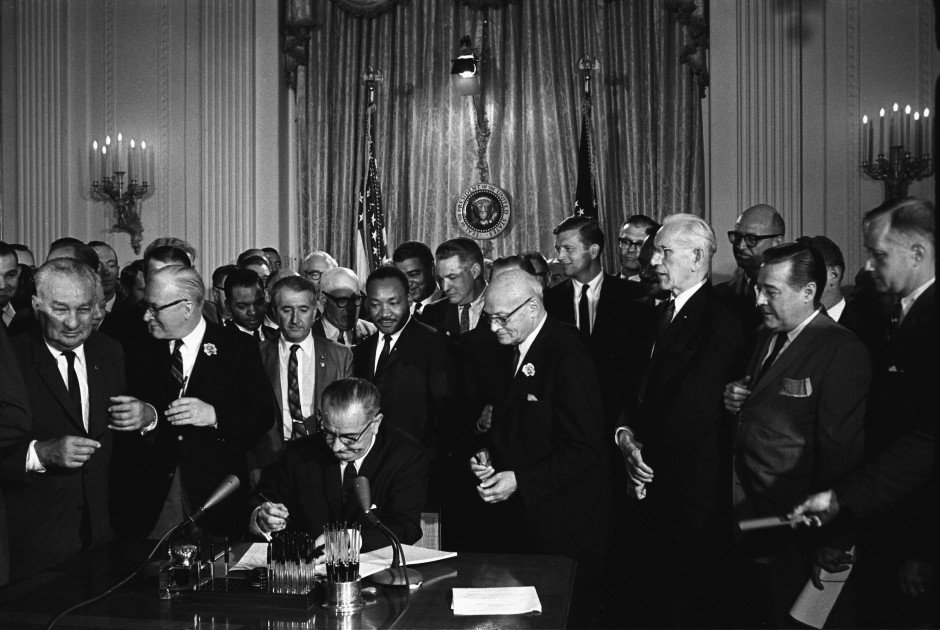
The great constitutional battles of the 20th century, particularly the Voting Rights Act of 1965, established Congress’s power to step in and overrule state laws that were discriminatory. What Congress has never done is delegate this power to the President to act alone.
Where Does This Battle Go from Here?
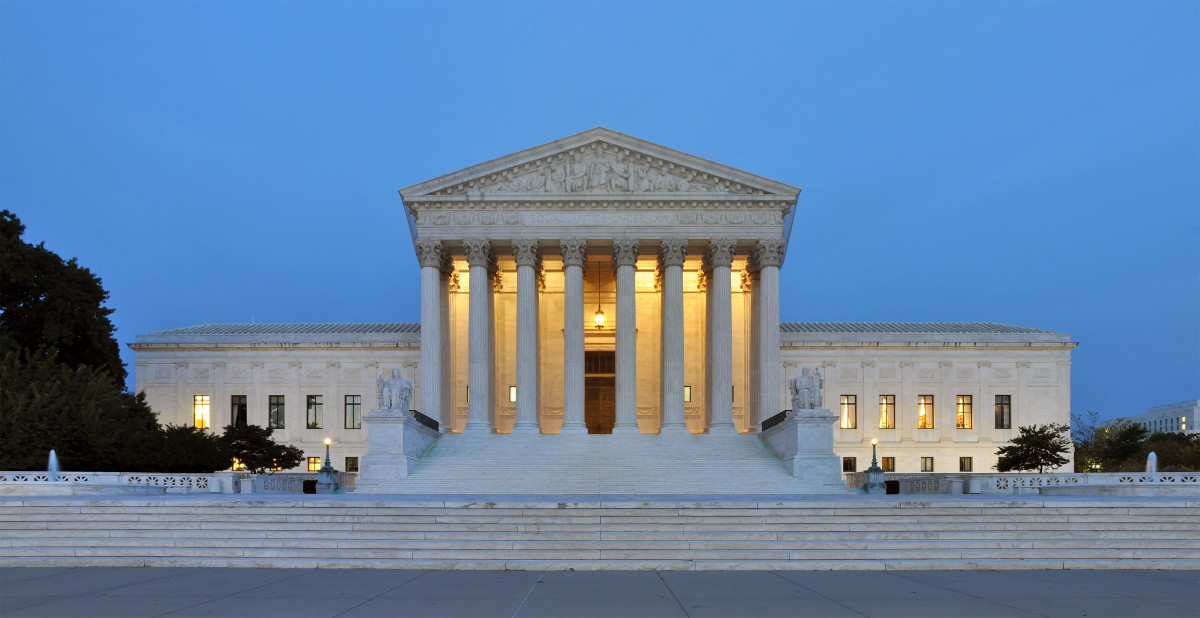
This permanent injunction from a D.C. district court is a major victory for the plaintiffs, but the legal fight is likely not over. The administration will almost certainly appeal this decision to the D.C. Circuit Court of Appeals and, from there, to the Supreme Court.
However, Judge Kollar-Kotelly’s ruling was not a close call. It was a firm declaration that the President exceeded his authority and sidestepped the Constitution. This sets a high bar for the administration to clear on appeal.
The judge’s ruling is a crucial check on executive overreach. It is a powerful defense of the constitutional separation of powers and the federalist design that is the very foundation of our republic.