
Presidents campaign like they can flip Washington like a light switch. New team in, old rules out. That story sells. It is also often false.
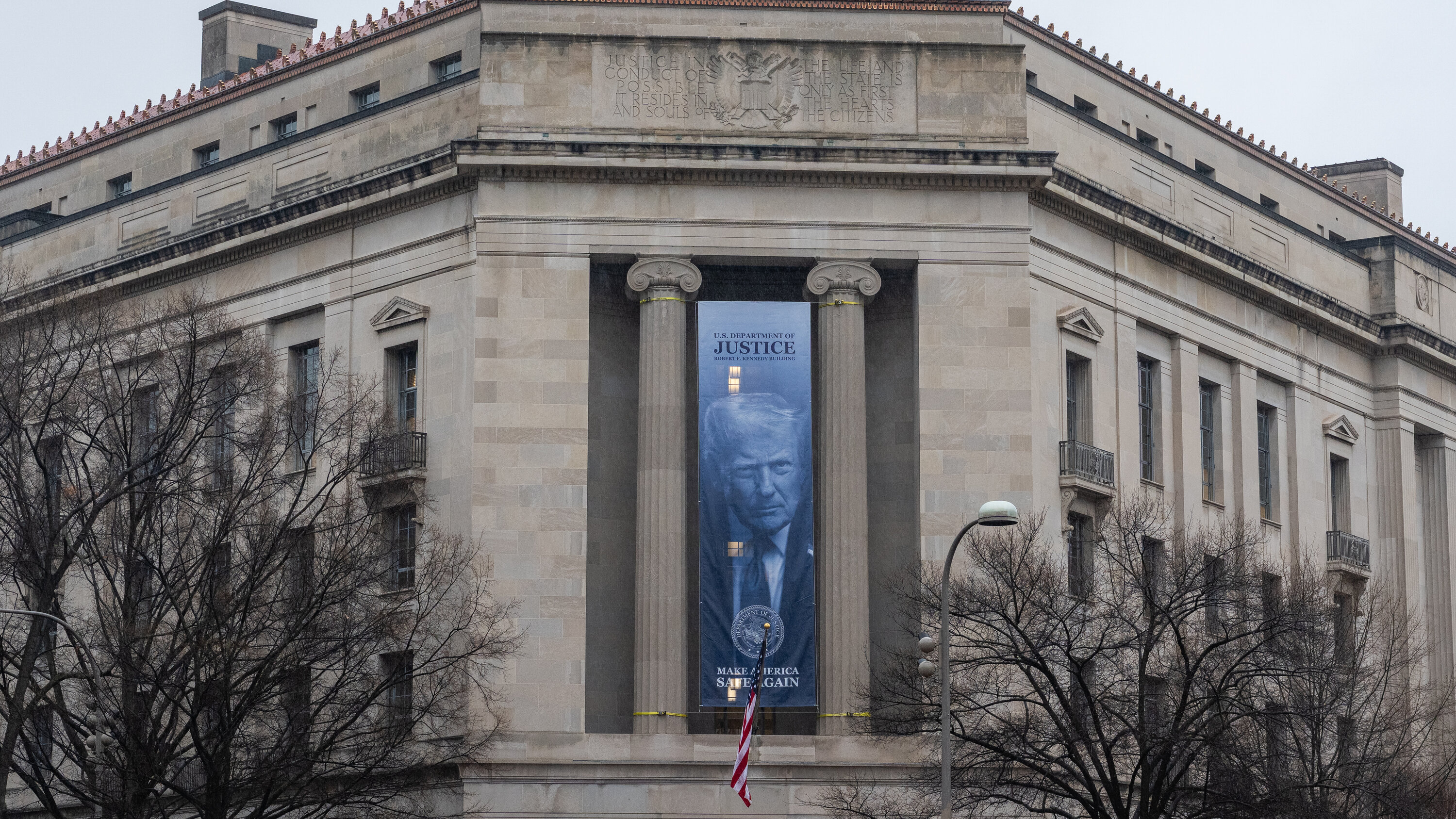
On April 10, the Trump Justice Department kept a Biden-era gun rule in place. Whatever people expected from a change in administration, the immediate result was continuity.
That single fact is useful not because it settles a debate about guns, but because it illustrates how the modern executive branch actually moves. The first move is often not a move at all. The system defaults to whatever is already operative.
- Status quo by default: the rule stays effective because it is already the governing rule.
- Decision lag: a new leadership team can take time to review what it inherited before it chooses a direction.
- Operational reality: agencies keep administering what exists while priorities, personnel, and plans catch up.
Continuity is not necessarily approval. Sometimes it is simply what governance looks like before policy preferences become formal actions.
Join the Discussion
What it means
In a civics classroom, we teach that elections have consequences. In the administrative state, elections also have constraints.
When a new Justice Department arrives, the easiest thing for the government to do is often the least dramatic thing: keep operating under existing rules while it decides what it wants to revisit, what it can realistically change on a workable timeline, and what it will leave alone for now.
Continuity can mean short-term stability for the regulated public even if change remains possible later. That is not a contradiction. It is the difference between winning an election and turning an institution.
Executive power is not only about what the President wants. It is also about what the executive branch can carry through statutes, process, and the practical limits of turning a bureaucracy.
How it happens
Americans tend to focus on lawmaking and rulemaking. But continuity often arrives through the quieter parts of government: timing, internal review, and plain old bandwidth.
A rule can remain on the books while political leadership considers whether to revise it, replace it, or keep it intact. In many transitions, that in-between period is not a strategy so much as a constraint.
From the outside, it looks like nothing changed. Inside a department, it can look like sequencing: what gets reviewed first, what gets staffed, and what gets pushed to next week because next week is already full.
Even basic transition tasks can slow everything down: onboarding new leadership, filling key posts, clearing ethics paperwork, rewriting internal guidance, and making sure career teams know which priorities have actually changed and which have not.
A simple model
To keep the moving parts concrete, here is a clearly labeled hypothetical. It is not a claim about what happened on April 10. It is a sketch of what agencies often face in early days.
Imagine an agency rule that affects how a person buys, sells, or registers a firearm-related item. A new administration takes office and wants a different approach. At the start, the practical menu is limited:
- Leave it in place for now, and the rule continues to apply because it is already in effect.
- Reorder attention, meaning the department spends early time on other priorities while it studies the inherited rule.
- Begin a change process, which can be slow, document-heavy, and vulnerable if it is rushed or poorly explained.
- Reassess related positions, in cases where existing policy is tied up with broader legal or administrative commitments.
The lesson is simple: keeping a rule in place can be a choice, a pause, or the path of least resistance. In a large department, those can look identical from the outside.
Agencies endure
The Framers did not design a world of sprawling federal agencies issuing dense regulations with the force of law. But they did build a system that prizes stability and predictability. Modern agencies, for better and worse, provide both.
That durability creates a tension that every president eventually runs into:
- Political accountability pushes toward rapid change after an election.
- Institutional continuity pushes toward slower movement, documented reasoning, and outcomes that can survive scrutiny.
A Biden-era gun rule remaining in place under a Trump DOJ, even briefly, is a reminder that the executive branch is not a sports team swapping jerseys. It is a legal institution that often has to live with what it did yesterday while it figures out what it can do next.
The rule
The key public point here is straightforward: a Biden-era gun rule stayed in effect on April 10 under the Trump Justice Department.
The specific regulation at issue is not necessary to see the broader pattern. Early transitions often produce continuity before they produce change.
Takeaway
Many voters expect a president to take control of the government. Article II does give the President executive power. But the President executes laws through departments staffed by career officials, guided by statutes, and constrained by process.
That is not a loophole. It is a structural compromise between energy in the executive and the rule of law.
So the takeaway from April 10 is not that campaign promises are meaningless. It is that the modern presidency is increasingly a presidency of choices: what to prioritize, what to unwind, and what to leave standing while institutions resist whiplash.
If you want a government that changes hands without coming apart, this is part of the deal.