
An Unconstitutional Loophole? The President, an “Acting” U.S. Attorney, and the Senate’s Power of Consent
A federal judge is poised this week to decide who holds the legitimate power of a U.S. Attorney in New Jersey. The case, brought by a criminal defendant, challenges a series of “unprecedented” maneuvers by the White House to install the President’s former personal lawyer, Alina Habba, in the powerful role.
This is more than a personnel dispute; it is a high-stakes test of the Constitution’s Appointments Clause and the separation of powers itself.
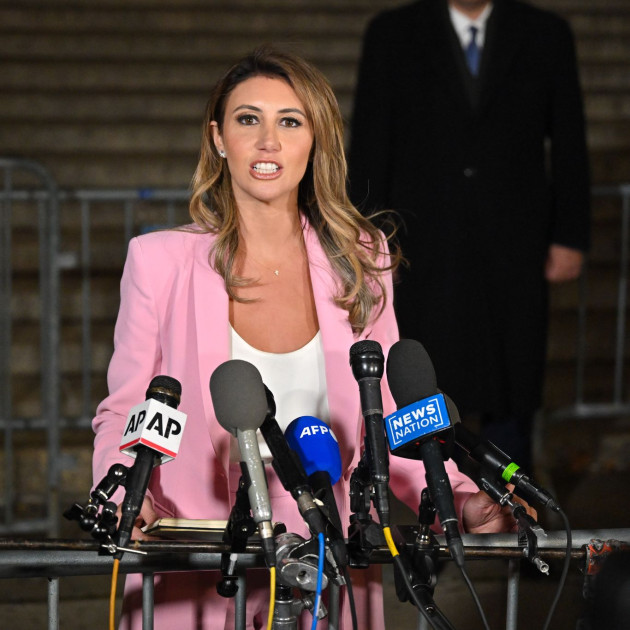
The Story So Far
- The Blocked Nomination: President Trump nominated his former personal attorney, Alina Habba, to be the permanent U.S. Attorney for New Jersey. Her path was blocked in the Senate by the state’s Democratic senators using the “blue slip” tradition.
- The Court Steps In: After Habba’s 120-day term as a temporary interim U.S. Attorney expired, federal judges in New Jersey, using their authority under federal law, appointed a career prosecutor, Desiree Grace, to fill the vacancy.
- The Executive Counter-Move: The Trump administration immediately fired the judges’ appointee. To keep Habba in the role, the President withdrew her stalled permanent nomination and the Attorney General then re-appointed her as the acting U.S. Attorney.
- The “Unprecedented” Maneuver: To legally justify this, the DOJ first named Habba a “special attorney,” then designated her as the office’s “first assistant” – the position previously held by Grace. This administrative shuffle is what a legal group has called a novel and unprecedented attempt to satisfy the requirements of federal vacancy laws.
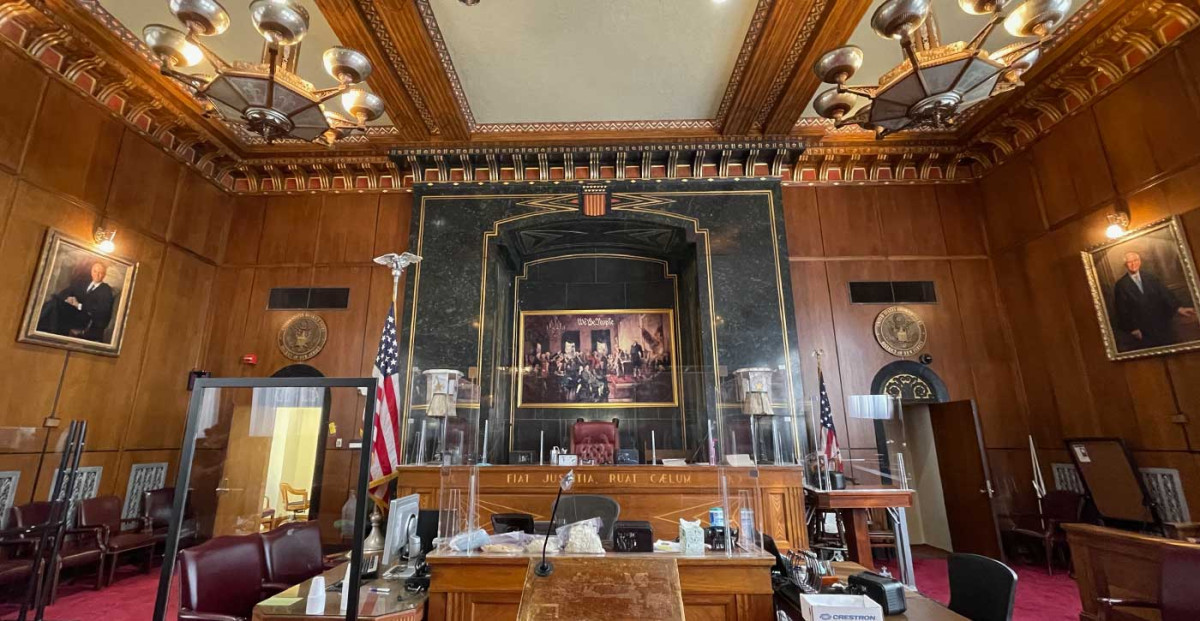
Why It Matters
This complex series of maneuvers has one clear goal: to bypass the Senate’s constitutional duty of “Advice and Consent.”
A Direct Challenge to the Senate: The Appointments Clause of the Constitution is a fundamental check on presidential power, designed to ensure that powerful officials like federal prosecutors are vetted and confirmed by the legislative branch.
The administration’s actions are a direct attempt to render that check meaningless, using what critics call a legal loophole to install a preferred candidate who could not win Senate confirmation.
The Law as a Tool or a Limit?: The administration argues it is following the letter of the Federal Vacancies Reform Act (FVRA). However, that law was intended to ensure the continuity of government with temporary placeholders, not to provide a permanent end-run around the confirmation process.
The unprecedented step of appointing an outside lawyer as the “first assistant” solely to make her the “acting” head of the office is a clear exploitation of the letter of the law to defeat its spirit.
The Legitimacy of Justice: The core constitutional issue, raised by the defendant in this case, is one of due process. If the chief federal prosecutor of a district holds her office through unlawful means, does she have the legal authority to bring indictments and oversee prosecutions?
This question has thrown the entire District of New Jersey’s federal court system into a state of uncertainty, threatening the very legitimacy of the justice process for thousands of cases.
What’s Next
The immediate next step is Judge Matthew Brann’s ruling, which is expected this week and will have a massive impact on the district. Regardless of his decision, this case is likely to be appealed, potentially all the way to the Supreme Court, as it touches on fundamental questions of presidential power.
This is part of a broader national pattern of using “acting” appointments in other blue states like California and New York. The outcome in the Habba case will therefore set a major precedent for those battles as well. It is a critical test of whether the intricate laws governing appointments are a true guardrail for the Constitution, or a playbook for its subversion.