
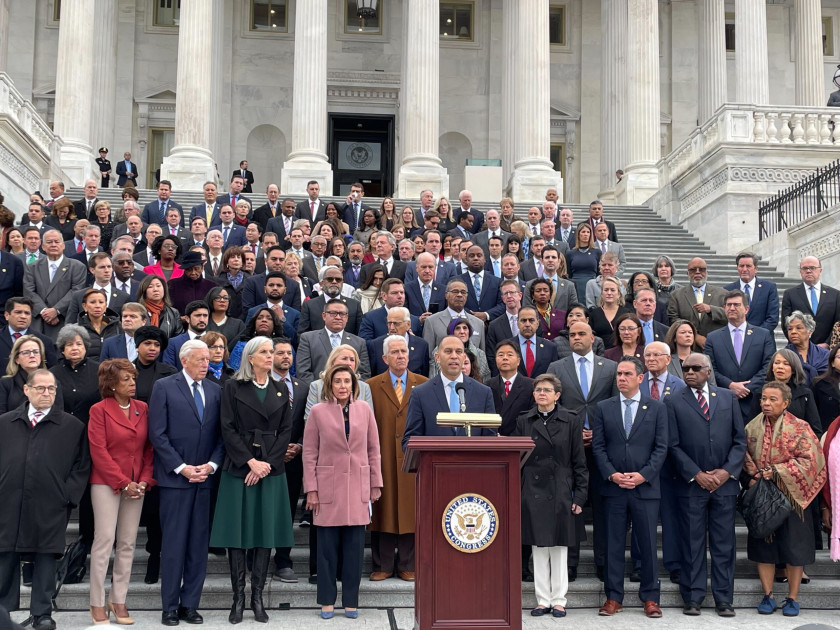
Six Democratic veterans in Congress recorded a video last month reminding service members of their legal duty to disobey unlawful orders.
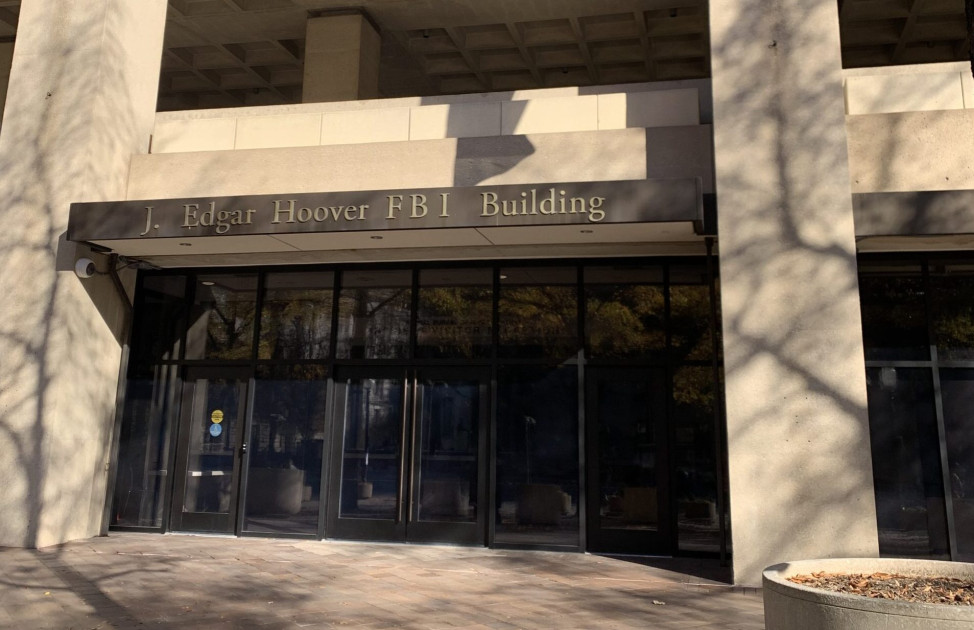
Donald Trump called it “SEDITIOUS BEHAVIOR, punishable by DEATH!” The White House launched investigations. Trump-appointed FBI leaders pressured domestic terrorism agents to open seditious conspiracy cases. The Democrats became targets of a federal retaliation campaign for stating basic military law.
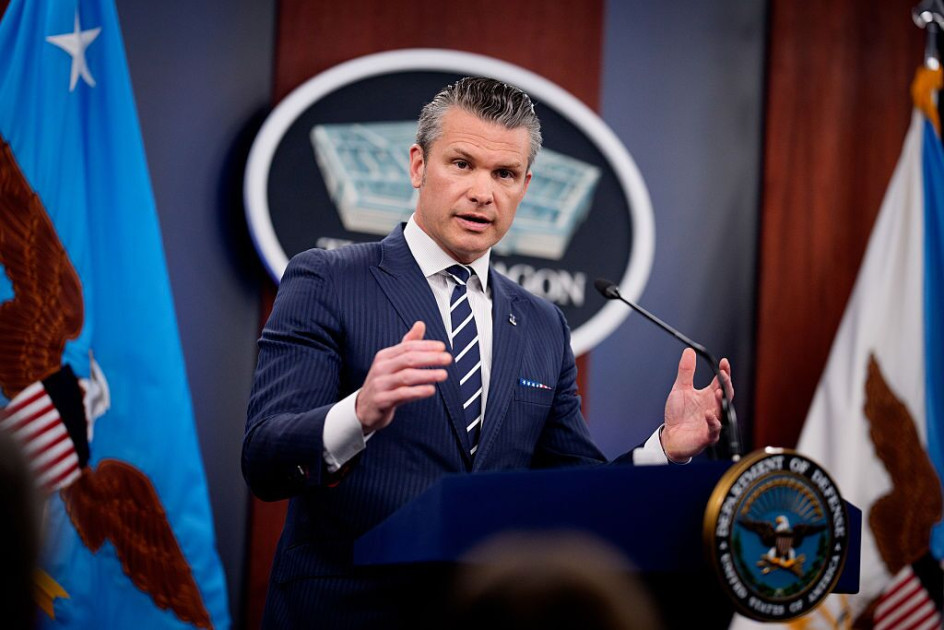
There’s just one problem with the administration’s sedition theory: Defense Secretary Pete Hegseth said exactly the same thing in 2016. So did Attorney General Pam Bondi in a Supreme Court brief she filed last year.
Eight years ago, Hegseth told viewers that U.S. military personnel “won’t follow unlawful orders from their commander in chief” and described rejecting illegal commands as part of the military’s core ethos. As Election Day 2016 approached, the future Pentagon chief repeated on Fox News that servicemembers are “not going to follow illegal orders.”
Bondi went even further in her brief. Writing as a lawyer for the America First Policy Institute, she told the Supreme Court that “military officers are required not to carry out unlawful orders.” She added that “service members are required” to refuse patently unlawful presidential commands to kill nonmilitary targets.
The White House hasn’t announced sedition investigations into Hegseth or Bondi. The question is why the same legal principle becomes sedition when Democrats say it but military tradition when Republicans said it first.
What the Law Actually Requires
The Uniform Code of Military Justice is unambiguous: service members have a duty to disobey unlawful orders. Article 92 makes it a crime to fail to obey a lawful order. The inverse is also true – following an unlawful order doesn’t shield you from criminal liability.
This isn’t controversial legal theory. It’s settled military law that traces back to the Nuremberg trials, where “I was just following orders” was explicitly rejected as a defense for war crimes.
The military teaches this principle in basic training. Officers swear an oath to support and defend the Constitution – not to obey the President without question. The entire legal framework of military justice rests on the assumption that service members can and must distinguish between lawful and unlawful commands.
When Democratic lawmakers reminded troops of this duty, they weren’t advocating resistance to legitimate authority. They were restating the baseline legal obligation every service member already has. The statement was legally accurate, constitutionally sound, and entirely consistent with military tradition.
Hegseth knew this in 2016 when he said it on Fox News. Bondi knew it last year when she wrote it in a Supreme Court brief. The law hasn’t changed. What changed is who’s saying it and whether it’s politically convenient to treat it as sedition.
The Selective Enforcement Problem
Trump’s sedition accusation hinges on the idea that reminding troops of their legal obligations somehow constitutes conspiracy to overthrow the government. But if that’s the standard, it applies equally to everyone who’s ever stated that service members must reject unlawful orders.
That would include Hegseth, who now helps lead the investigation into Democrats for saying what he said. It would include Bondi, whose Justice Department is reportedly pressuring FBI agents to open seditious conspiracy cases over statements she made in official Supreme Court filings.
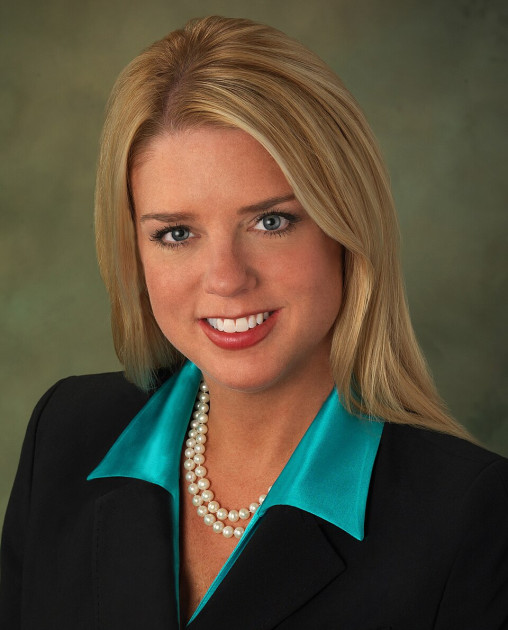
The administration isn’t applying a legal standard consistently. It’s weaponizing sedition charges against political opponents while giving a pass to officials who made identical statements when it served different political purposes.
This is textbook selective enforcement – using prosecutorial power not to vindicate the law, but to punish disfavored speech. The First Amendment protects political speech precisely because governments have historically used sedition laws to silence dissent. The Framers knew that power concentrated in the executive could be turned against critics through selective prosecution.
What we’re watching is that exact scenario play out in real time.
Why This Matters Beyond the Hypocrisy
The double standard isn’t just politically cynical. It undermines the actual legal duty the original statements were trying to protect.
If service members believe they’ll face sedition charges for acknowledging their obligation to refuse unlawful orders, they’re more likely to follow those orders when given. The chilling effect doesn’t just silence Democratic lawmakers – it silences the legal principle itself.
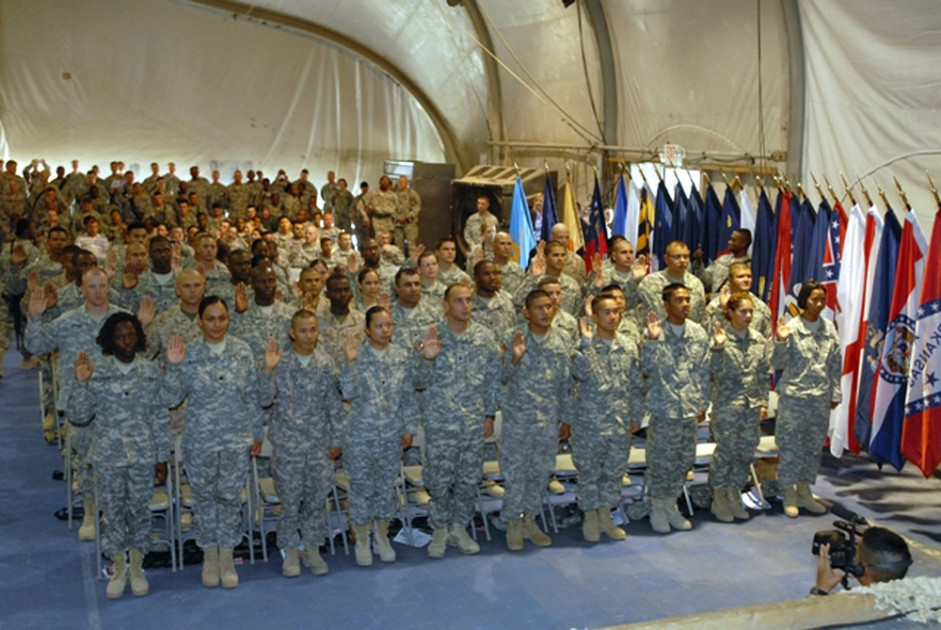
Military law requires disobedience to unlawful commands specifically to prevent atrocities. The Nuremberg defense failed because international law recognized that individuals can’t hide behind superior orders when committing crimes. The United States incorporated that principle into the UCMJ to ensure American service members would never face the same moral failure.
When the White House treats public statements about this duty as sedition, it sends a message to troops: your obligation is to obey, period. Questioning whether an order is lawful makes you a target. Raising concerns makes you a conspirator.
That message directly contradicts military law. It also creates the conditions for unlawful orders to be followed without resistance, which is exactly what the duty to disobey is designed to prevent.
The Constitutional Stakes
The First Amendment protects political speech, including speech criticizing government action and advocating for legal compliance. Democratic lawmakers stating that troops must follow the law is core political expression – it’s literally discussing how government power should be exercised within legal constraints.
Treating that speech as sedition transforms protected political advocacy into criminal conspiracy. The line between the two is supposed to be incitement to imminent lawless action. Reminding people of their legal obligations doesn’t meet that standard.
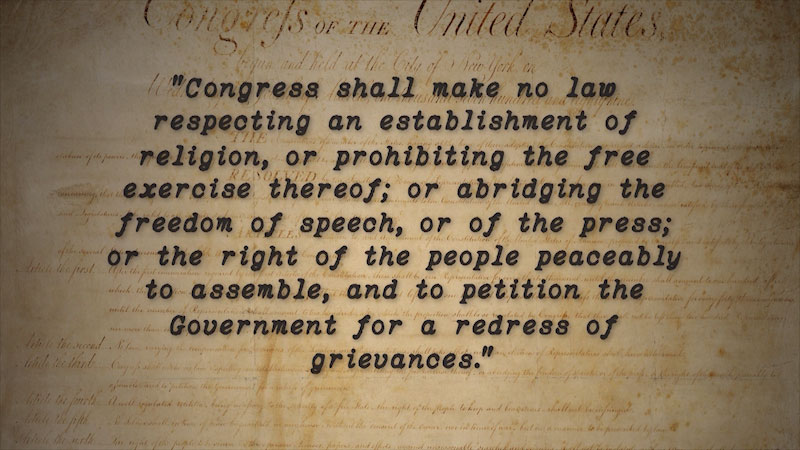
But selective enforcement makes the constitutional protection meaningless in practice. If Republicans can say “troops must disobey unlawful orders” without consequence while Democrats face federal investigation for the same statement, then the First Amendment only protects speech the administration approves.
The Equal Protection Clause of the Fourteenth Amendment requires that government treat similarly situated people similarly. Political speech either is or isn’t protected. The standard can’t shift based on the speaker’s party affiliation without violating equal protection principles.
The Trump administration is creating a two-tier system where legal accuracy matters less than political loyalty. That system is fundamentally incompatible with constitutional governance.
What Happens When Norms Collapse This Fast
The speed of this collapse is worth noting. Three weeks ago, Democratic lawmakers made a legally accurate statement about military obligations. Within days, the President called for their execution. FBI leadership is now pressuring agents to open seditious conspiracy investigations.
Meanwhile, the Defense Secretary and Attorney General – who made identical statements before joining the administration – face no scrutiny whatsoever. There’s no investigation into Hegseth’s 2016 comments. No seditious conspiracy case examining Bondi’s Supreme Court brief.
The message is unmistakable: the content of the speech doesn’t matter. What matters is whether you’re useful to the administration or a threat to it. Legal accuracy is irrelevant. Constitutional principles are obstacles. The machinery of federal law enforcement exists to serve presidential political objectives.
This isn’t a slow erosion of institutional norms. It’s an active dismantling happening at full speed, with the very officials who previously upheld those norms now leading the charge to destroy them.
The Question No One’s Asking
If the White House pursues sedition charges against Democratic veterans for reminding troops of their legal duty, someone needs to ask Hegseth and Bondi a straightforward question: Should you also be investigated for sedition?
You said service members must refuse unlawful orders. You said it on national television and in Supreme Court briefs. If that’s seditious conspiracy when Democrats say it, why isn’t it seditious conspiracy when you said it?
The answer, of course, is that there’s no legal principle at work here. There’s only power deciding who gets prosecuted for politically inconvenient speech.
The Democratic veterans who made the video are right on the law. Hegseth was right in 2016. Bondi was right in her brief last year. The duty to disobey unlawful orders is real, it’s binding, and stating it publicly isn’t sedition.
But constitutional rights and military law don’t protect anyone if the government selectively enforces them based on political alignment.
The First Amendment becomes meaningless if protected speech triggers sedition investigations depending on who’s speaking. Equal protection collapses if identical statements lead to execution threats for some and Cabinet positions for others.
The Democrats in that video served their country in uniform. They understand the oath they took better than most. They reminded current service members of a legal obligation that exists precisely to prevent the abuse of military power.
If that’s sedition, then so is every statement Hegseth and Bondi made about the same legal duty. The fact that the White House only sees sedition in one case and not the other tells you everything about whether this is actually about the law or just about silencing dissent.
The Framers knew that governments would use sedition charges to punish critics. That’s why they wrote the First Amendment.
The question now is whether it means anything when the executive branch decides constitutional protections only apply to speech it approves.