
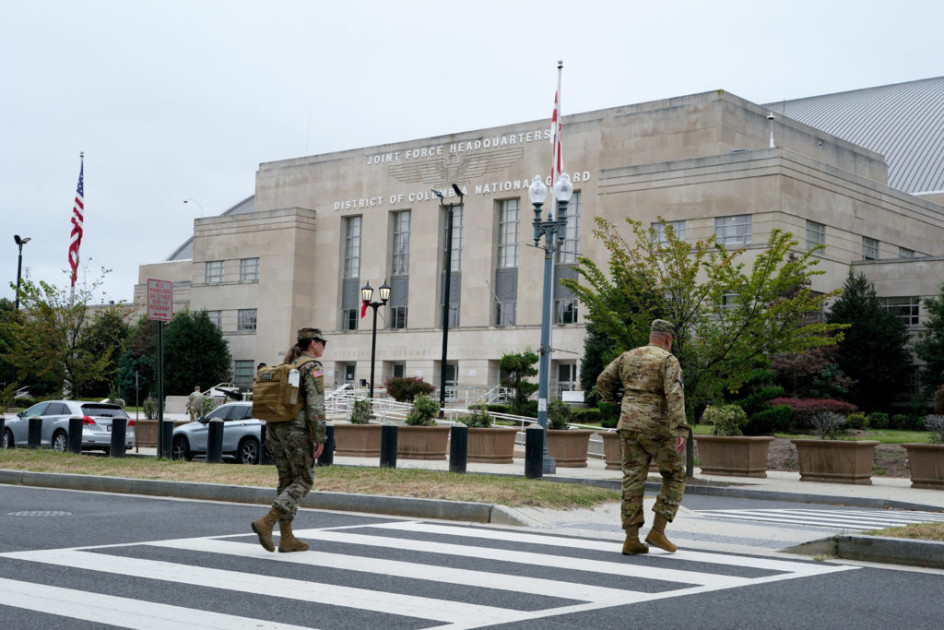
The image is stark and constitutionally significant: National Guard troops are arriving in the nation’s capital, not to repel a foreign invader, but as part of a presidential “takeover” of the city’s policing functions. Citing a crime crisis that statistics show does not exist, President Trump has asserted direct federal control over Washington, D.C., and is explicitly threatening other major American cities with a similar fate.
This is more than a local D.C. story. It is a direct and powerful test of American federalism and the limits of executive power. As one D.C. councilmember warned, the capital is being used as a “petri dish” for an aggressive new assertion of federal authority, and the entire nation should be paying close attention.
Join the Discussion
The Capital’s Unique Vulnerability
To understand what is happening in D.C., one must first understand its unique and constitutionally fragile status. The District is not a state. The Constitution’s District Clause (Article I, Section 8) grants Congress the power of “exclusive Legislation” over the capital. The city’s self-governance, established by the D.C. Home Rule Act of 1973, is not a right, but a privilege delegated by Congress and subject to being revoked.
This gives the President powers in D.C. that he does not possess anywhere else. He can, in a declared “emergency,” unilaterally assume control of the city’s Metropolitan Police force. He is also the direct commander of the D.C. National Guard. The President’s actions, while stunning, are an exercise of a legal authority that is unique to the capital.
A Tale of Two Constitutions: D.C. vs. the States
The warnings from Democratic mayors and governors across the country highlight this crucial constitutional distinction. When Illinois Governor J.B. Pritzker insists that the President “has absolutely no right and no legal ability to send troops into the city of Chicago,” he is standing on firm constitutional ground.
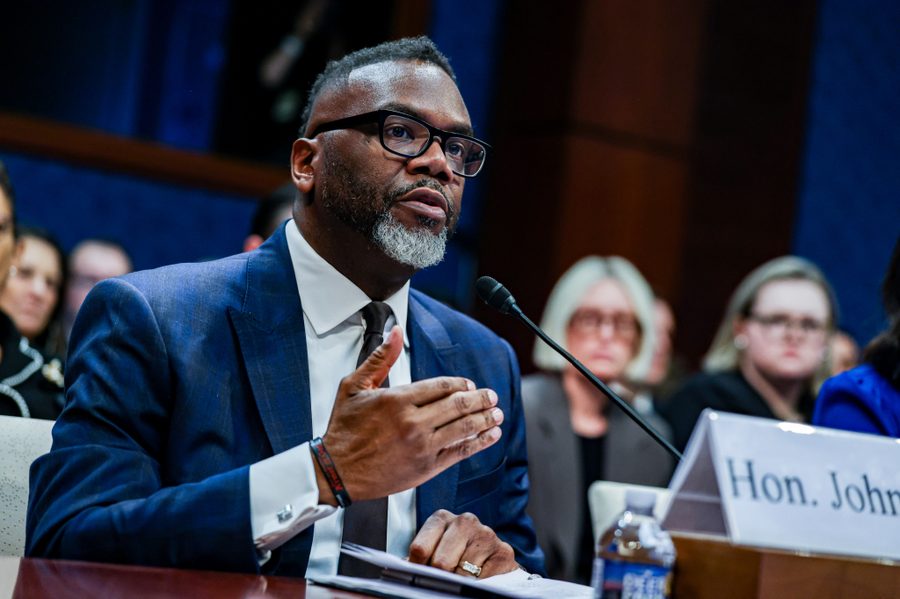
The principles of federalism and the Posse Comitatus Act generally forbid the President from deploying federal troops for domestic law enforcement within a sovereign state without that state’s consent. The D.C. takeover is therefore a form of political signaling. It is a demonstration of the tactics the administration would use in other cities if it had the legal authority, a show of force designed to intimidate political opponents.
A New Front: Criminalizing Homelessness
The administration’s plan goes beyond policing. White House Press Secretary Karoline Leavitt announced that homeless individuals who refuse to leave encampments and go to shelters could now face fines or jail time. This policy is not just a crackdown; it is a direct challenge to a developing area of constitutional law.
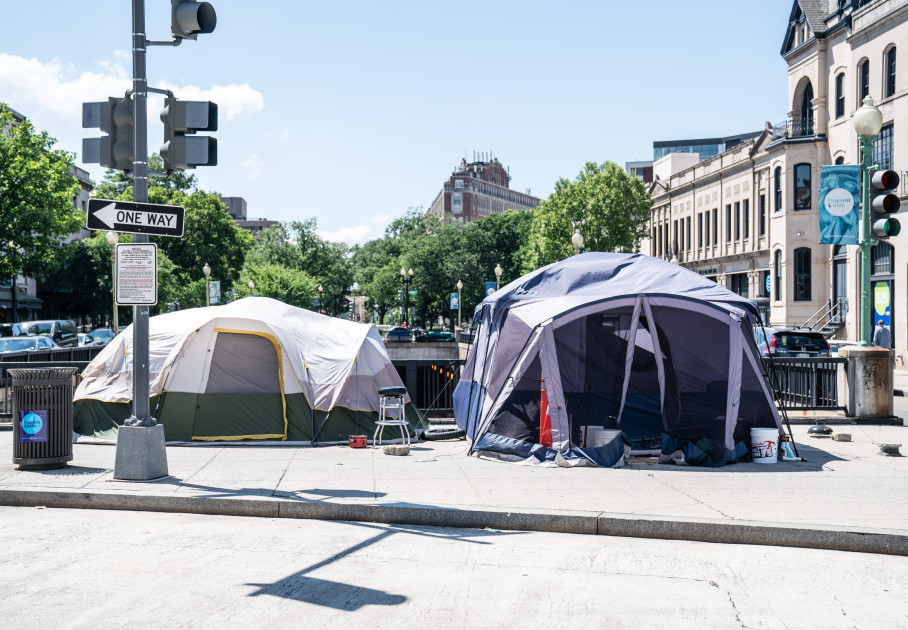
This raises a serious question under the Eighth Amendment’s prohibition on “cruel and unusual punishments.” The Supreme Court has recently taken up this very issue in City of Grants Pass v. Johnson, which addresses whether cities can punish people for sleeping outdoors when there is no adequate shelter space. To criminalize the status of being homeless, rather than a specific criminal act, is a constitutionally dubious proposition that the courts are now actively grappling with.
The events in Washington, D.C. are a warning to the entire nation. The federal takeover of the capital, justified by inflated claims of a crime crisis, is a test of our constitutional system. While the states currently have the constitutional authority to resist a similar federal incursion, this action in D.C. sets a dangerous precedent. It is a reminder that the balance between federal power and state sovereignty is not a settled matter, but a constant struggle that requires vigilance from citizens and leaders in every state of the union.