
In any government, the public expects its leaders to speak with a single, unified voice on matters of national importance. But in a move that has become a defining feature of this administration, the President has once again publicly and completely contradicted his own Vice President, this time on the explosive issue of legal immigration.
This is not just a story about a muddled message. It is a story about the constitutional nature of the executive branch itself. When the President and Vice President are reading from two entirely different scripts, it creates a crisis of governance and raises a fundamental question: Who, exactly, is in charge of administration policy?
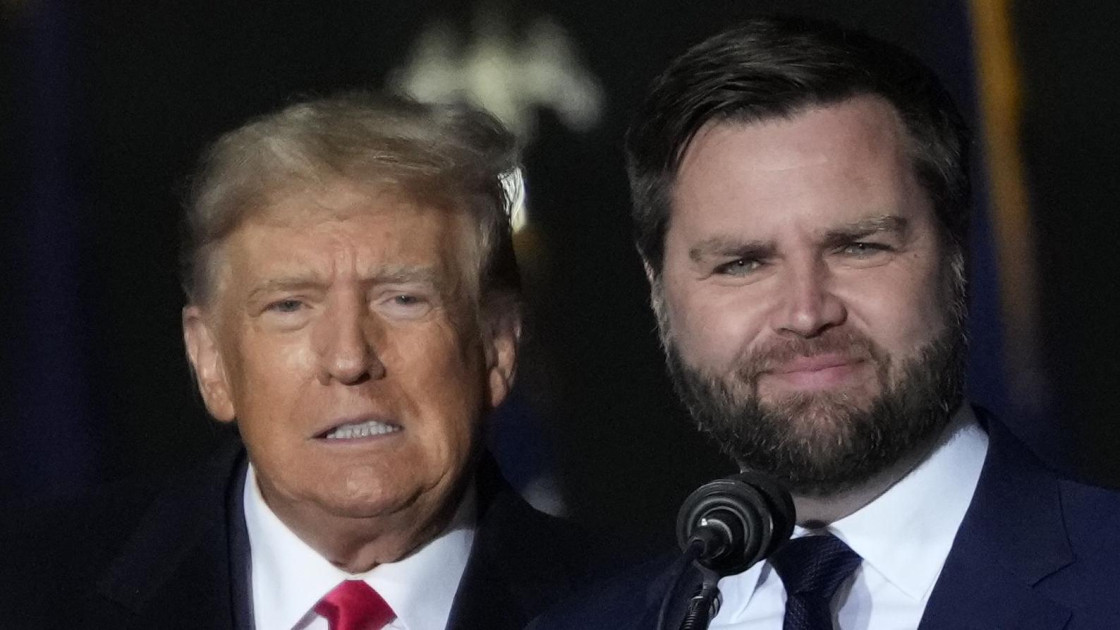
What Is the “America First” Immigration Policy?
The answer to that question now depends entirely on who you ask.
The Vice President’s View: Just two weeks ago, Vice President JD Vance laid out a clear, hardline vision. He argued that legal immigration numbers must go “way, way down” because immigrants “are undercutting the wages of American workers” and damaging our “sense of common identity.” This is the intellectual core of the “nationalist” wing of the party.
The President’s View: This week, President Trump sat down for a televised interview and blew up that entire message. He passionately defended the H-1B visa program for high-skilled foreign workers, arguing that we have to “bring in talent.” When pressed by the host, the President made a stunning declaration about the American workforce:
“No, you don’t… You don’t have certain talents and … people have to learn.”
Why Is This a Constitutional Issue?
This public disagreement is a direct challenge to the constitutional principle of a unitary executive. Article II of the Constitution vests “The executive Power” in a President. This design was intended to create a line of clear authority and, most importantly, a single point of accountability for the American people.
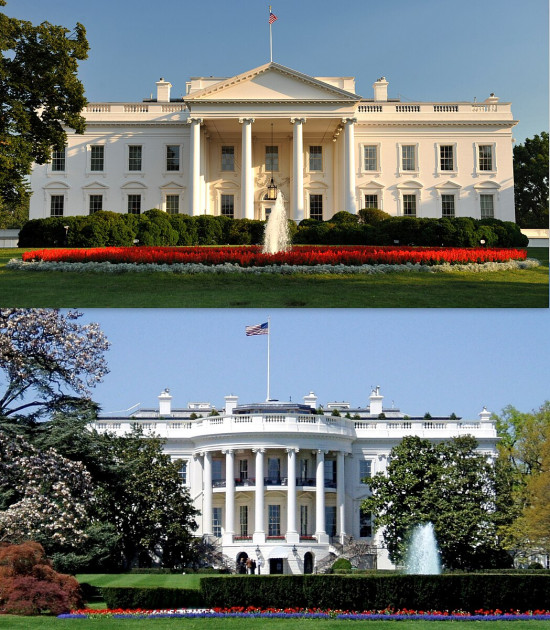
When the President and Vice President are publicly stating opposing policies, this system breaks down. It creates chaos for federal agencies, which are left to guess which leader’s vision they are supposed to be implementing. It creates confusion for our allies and economic partners. And it shatters accountability, as it becomes impossible for the American people to know what their government’s actual policy is.
A “Young Apprentice” or a Ticking Clock?
This is not the first time this has happened. The President and Vice President have been publicly misaligned on a host of major issues, including the deployment of federal troops to U.S. cities and the handling of the Epstein files.
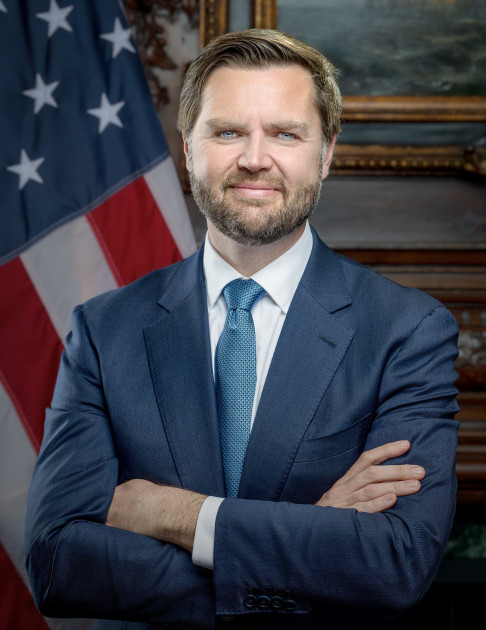
The Vice Presidency, which was transformed by the 12th Amendment from a rival into a partner, is now in a state of constitutional tension. The Wall Street Journal mused that perhaps the President needs to “make that case to his young apprentice.”
This public contradiction reveals a deep and unresolved ideological split within the White House itself. It is a battle between the populist, anti-immigration nationalism championed by Vice President Vance and the business-friendly pragmatism of President Trump. The lack of a single, coherent message is more than just a political gaffe; it is a sign of an executive branch at war with itself.