
The troops will get paid on October 15. President Trump announced Saturday he’s directing Defense Secretary Pete Hegseth to use “all available funds” to issue military paychecks despite the government shutdown. The Pentagon identified $8 billion in unobligated research and development money from the prior fiscal year to cover payroll.
The announcement solves an immediate crisis for 1.3 million active duty service members facing their first missed paycheck. It also creates a constitutional crisis that Congress apparently has no interest in addressing.
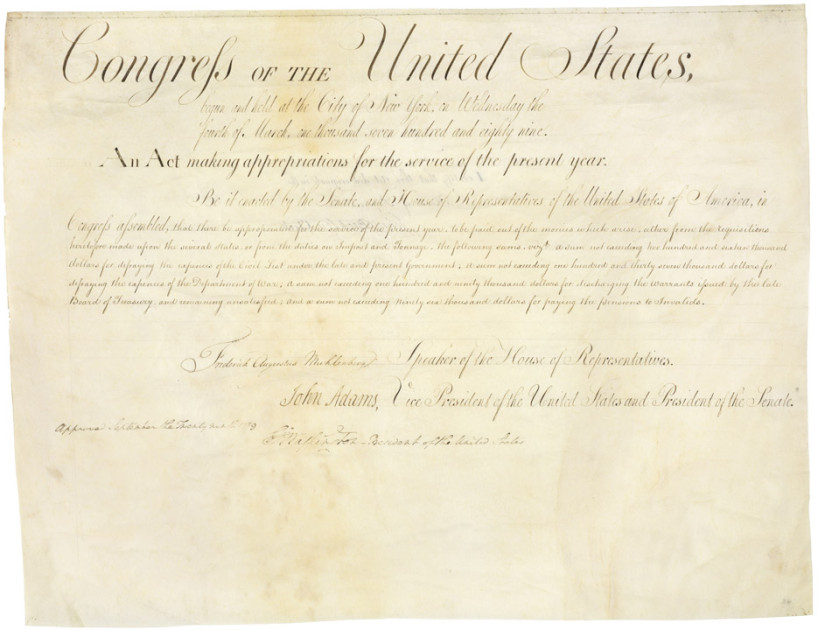
Article I, Section 9 of the Constitution states explicitly: “No Money shall be drawn from the Treasury, but in Consequence of Appropriations made by Law.” Trump just redirected $8 billion that Congress appropriated for weapons research and military technology development. He’s using it for payroll instead. Without congressional authorization.

The power of the purse exists as the legislative branch’s most fundamental check on executive authority. Presidents can’t simply move money between purposes because it’s convenient or politically necessary. They need congressional permission. That’s not bureaucratic nicety. That’s constitutional architecture designed to prevent executive overreach.
The Shutdown That Keeps Getting Worse
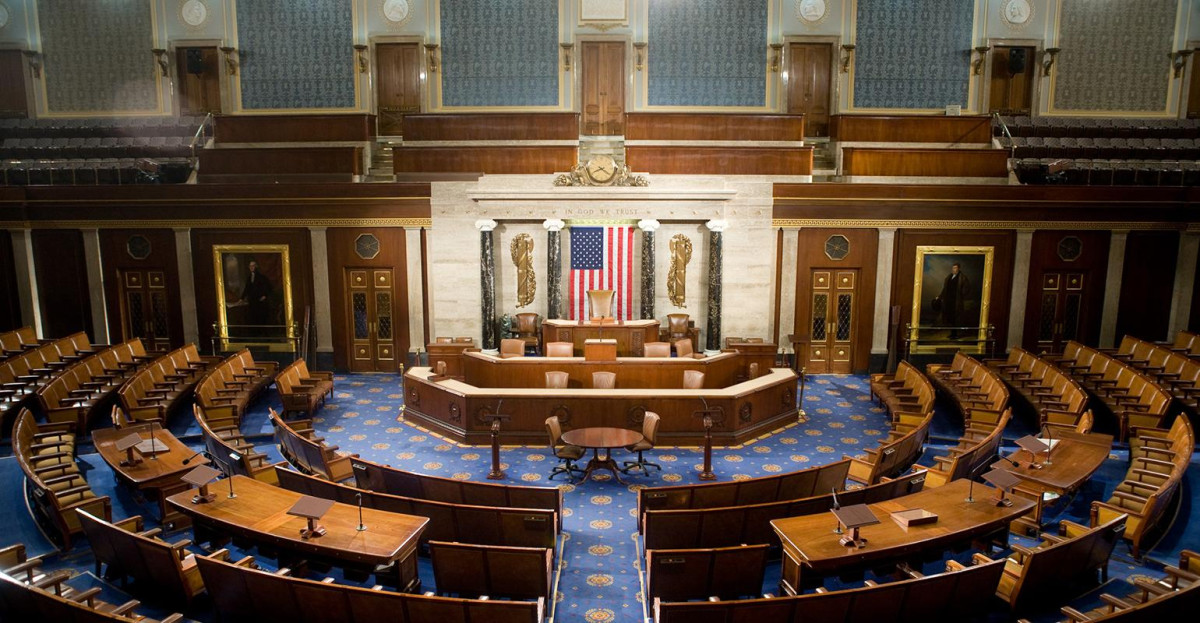
The federal government entered its third week of partial shutdown with no resolution in sight. The Senate adjourned Thursday until October 14 without breaking the stalemate. Seven separate votes on competing funding proposals have failed. Museums closed. National parks operate on skeleton crews. Federal workers face mounting financial pressure.
Republicans and Democrats remain deadlocked over healthcare provisions in funding legislation. Senate Majority Leader Chuck Schumer blamed Republicans for “shutting down the government because they refuse to fix and address the crisis in American health care.” Republicans counter that Democrats are blocking reasonable compromise.
The partisan blame game obscures the underlying reality – Congress has fundamentally failed at its most basic constitutional responsibility: funding the government it authorized. Annual appropriations bills should pass through regular legislative process. Instead, Congress lurches from crisis to crisis, governing through continuing resolutions and shutdown threats.
Goldman Sachs economists predicted the October 15 military pay date would force a compromise. “We believe the military pay date on Oct. 15 could be an important forcing event for a compromise to restore funding,” analysts wrote in a client note. Trump’s workaround removes that pressure entirely.
The Funds Congress Didn’t Authorize
The Pentagon’s $8 billion comes from research, development, testing and evaluation accounts – money Congress appropriated specifically for advancing military technology and weapons systems. Those funds carry two-year availability, meaning they don’t expire at the end of a fiscal year like annual operating budgets.
The White House Office of Management and Budget spokesperson confirmed the funds are “unobligated” – not yet committed to specific contracts or projects. That technical distinction doesn’t change the constitutional problem. Congress authorized those dollars for R&D purposes. Using them for payroll requires new appropriations authority.
The Antideficiency Act explicitly prohibits federal agencies from spending or obligating funds in excess or advance of appropriations. Violations can result in criminal penalties. The act contains narrow exceptions for situations involving “the safety of human life or the protection of property.” Military pay during a shutdown of Congress’s own making doesn’t obviously qualify.
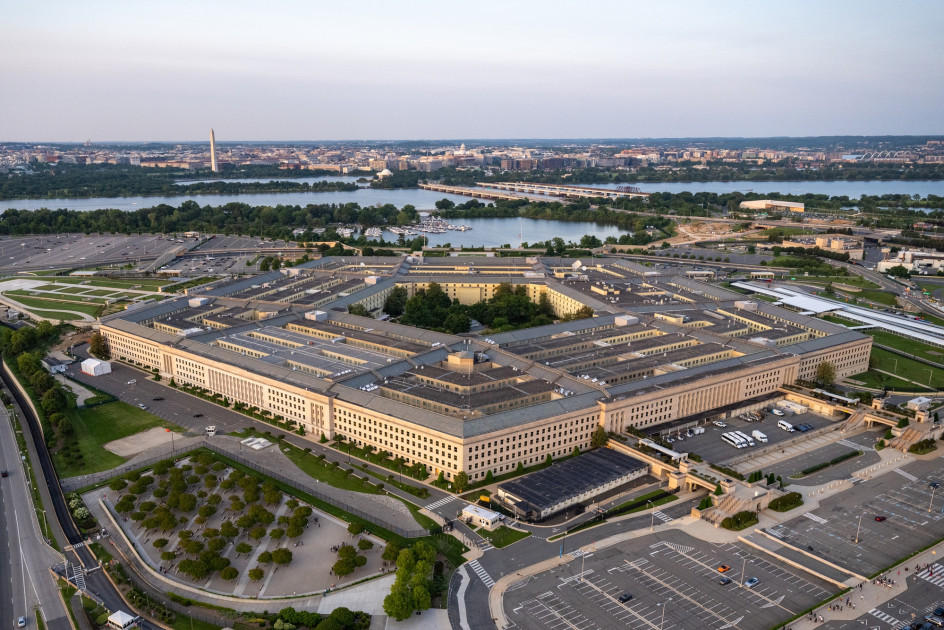
Trump characterized his action as exercising authority as commander-in-chief. “I will direct our Secretary of War, Pete Hegseth, to use all available funds to get our Troops PAID,” he wrote on Truth Social. The title “Secretary of War” itself reveals the president’s preferred framing – this is wartime authority, not peacetime budget management.
What Congress Actually Rejected
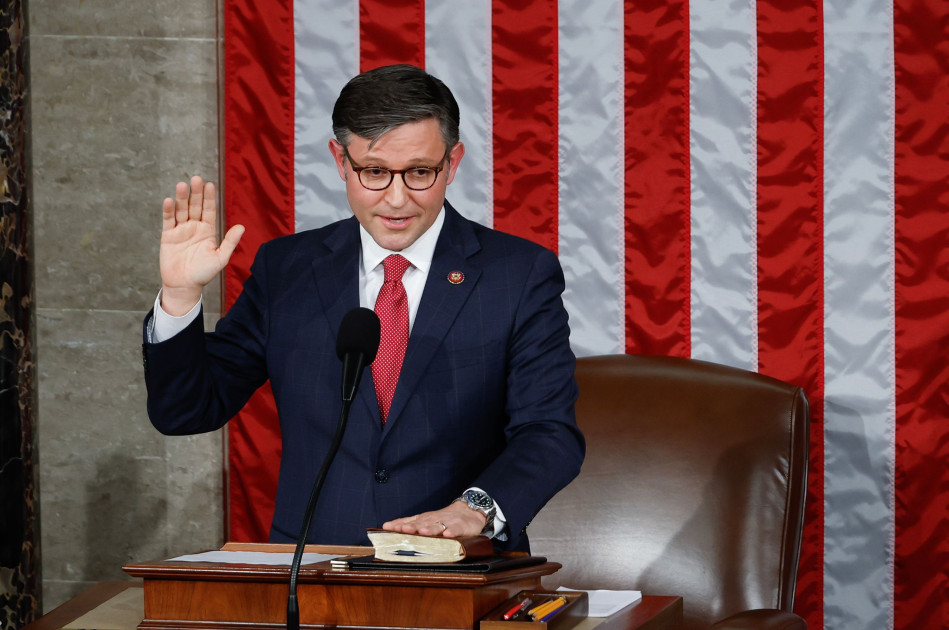
House Speaker Mike Johnson indicated days ago that Republicans wouldn’t support a standalone bill to pay troops during the shutdown. Democrats proposed exactly that – emergency legislation authorizing military pay while negotiations continued. GOP leadership rejected it as a pressure-release valve that would prolong the shutdown.
The strategy was transparent: force Democrats to either pass Republican funding priorities or accept political blame for troops missing paychecks. Use service members as leverage to extract concessions. Make military pay the crisis that forces capitulation.
Trump’s unilateral action removes that leverage. It also removes congressional involvement entirely. Why negotiate legislative solutions when the president can redirect appropriated funds by executive decree?
The precedent extends far beyond this shutdown. If presidents can raid research budgets to cover payroll during funding gaps, what other creative accounting becomes permissible? Can disaster relief funds pay for border enforcement? Can education grants cover defense contracts? Does congressional appropriations authority mean anything if the executive can reprogram funds at will?
The Coast Guard Question Nobody’s Answering
The U.S. Coast Guard operates under the Department of Homeland Security, not the Department of Defense. It’s the only military branch outside Pentagon jurisdiction. Trump’s announced solution uses Pentagon R&D funds to pay Defense Department troops.
Whether Coast Guard personnel receive paychecks remains unclear. During the 2019 government shutdown, Coast Guard members became the first active-duty military service members in American history to miss paychecks due to funding lapses. They eventually received back pay after the shutdown ended.
CNN reported that the White House budget office hasn’t clarified Coast Guard pay arrangements. The Pentagon’s statement references only Defense Department funds and personnel. Coast Guard families face October 15 without confirmation they’ll be paid.

The disparity reveals the arbitrariness of the solution. Troops protecting American shores from drug trafficking and conducting search-and-rescue operations may miss paychecks. Soldiers in the same shutdown get paid because their parent agency had unobligated R&D money available.
Constitutional crisis manifests as bureaucratic confusion. Service members can’t pay rent or feed families based on which cabinet department employs them.
The Appropriations Clause Under Assault
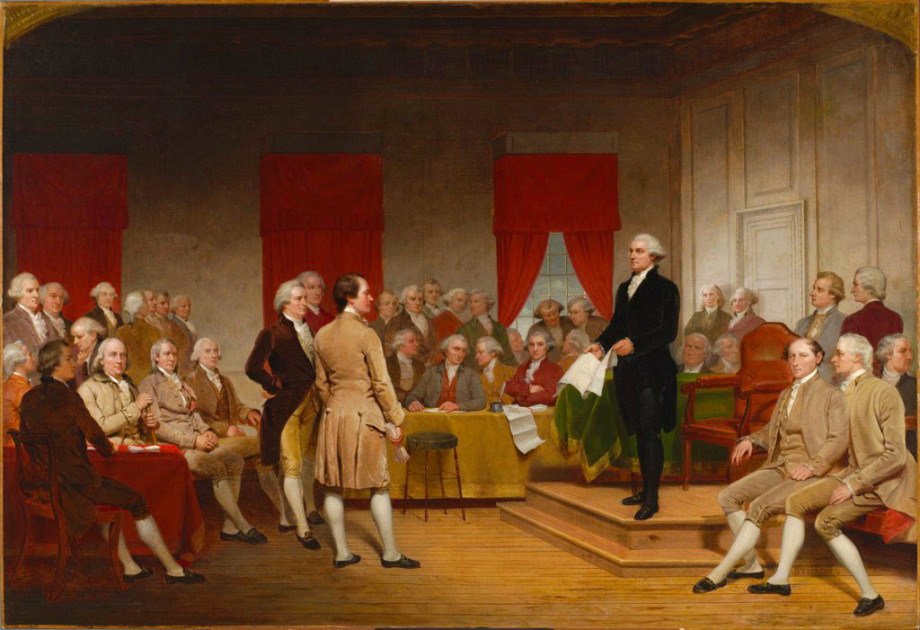
The Constitution’s Appropriations Clause exists because the Founders understood that control over spending equals control over government. They gave that power to the legislative branch – the institution closest to the people, the one that must stand for election every two years in the House.
Presidents propose budgets. Congress appropriates funds. Agencies spend according to congressional authorization. That sequence ensures democratic accountability. The people’s representatives decide how tax dollars get used.
Trump’s fund reprogramming inverts that structure. The executive determines spending priorities. Congress becomes irrelevant except as the institution that failed to pass budgets on time. Constitutional roles reverse through crisis opportunism.
Legal challenges seem inevitable if the Pentagon actually issues paychecks using redirected funds. Watchdog organizations, individual members of Congress, or even affected contractors whose R&D projects lose funding could sue. The litigation would test whether presidential commander-in-chief authority trumps congressional appropriations power during self-imposed shutdowns.
Courts have historically granted presidents broad discretion in military affairs. But spending authority cases typically favor Congress. The Supreme Court ruled in Train v. City of New York that presidents can’t refuse to spend appropriated funds. The inverse question – whether presidents can spend funds for unauthorized purposes – pushes into murkier territory.
The Shutdown Strategy That Backfired
Republicans calculated that threatening military pay would force Democratic concessions. Troops missing paychecks would create political pressure Democrats couldn’t withstand. The strategy assumed Trump couldn’t unilaterally solve the problem.
That assumption proved wrong. The president found money Congress didn’t authorize him to use. He claimed commander-in-chief authority to redirect it. And he blamed Democrats for forcing the workaround.
“If nothing is done, because of ‘Leader’ Chuck Schumer and the Democrats, our Brave Troops will miss the paychecks they are rightfully due on October 15th,” Trump wrote. The framing ignores Republican control of the Senate and the GOP’s rejection of standalone military pay legislation.

The political maneuver may succeed in the short term. Service members get paid. Republicans avoid blame. Democrats remain unable to force a broader funding agreement. But the constitutional precedent compounds with each executive workaround.
When Troops Become Bargaining Chips
Military families shouldn’t face financial uncertainty because Congress can’t pass appropriations bills. That principle should unite everyone. Instead, it became a negotiating tactic.
Republicans rejected standalone military pay bills. Democrats refused to pass funding without healthcare provisions. Both sides gambled with service member finances to gain leverage. Trump’s solution rescues troops from a crisis politicians created while ignoring the constitutional process designed to prevent exactly this scenario.
The 1.3 million active duty personnel didn’t shut down the government. They didn’t deadlock budget negotiations. They didn’t refuse compromise. Yet their paychecks became the pressure point where political gamesmanship meets constitutional crisis.

Service members volunteer to defend the Constitution. The document they swear to protect contains clear provisions about how their paychecks get funded. Those provisions just got set aside because elected officials found them inconvenient.
The Research That Won’t Happen
Eight billion dollars represents significant military research capacity. Weapons systems don’t develop themselves. Technology advantages that keep American forces superior to adversaries require sustained R&D investment. Every dollar diverted to payroll is a dollar not advancing military capabilities.
The Pentagon presumably judged that paying current troops matters more than funding future weapons. That calculation makes sense in immediate terms. It also reveals how shutdown dysfunction forces impossible choices between constitutional obligations.
Congress appropriated R&D funds because military technology development serves national security. Troops missing paychecks also threatens national security by undermining morale and retention. The constitutional process should prevent government from facing that choice. Instead, government shutdown becomes the new normal and constitutional workarounds become standard operating procedure.

Which specific programs lose funding remains unclear. The Pentagon identified “unobligated” money – funds appropriated but not yet committed to contracts. Those dollars were presumably intended for projects in development stages. Someone’s research proposal just became military payroll by presidential directive.
The Shutdown With No End Date
The Senate returns October 14 – one day before troops were scheduled to miss paychecks. That timing suggested political pressure might finally force compromise. Trump’s announcement removes the deadline’s urgency.
Troops get paid regardless of whether Congress acts. The forcing mechanism disappears. Negotiations can continue indefinitely without immediate consequences for military families. Other federal workers aren’t so fortunate.
Hundreds of thousands of federal employees face furloughs or work without pay. Contractors lose income entirely. Government services deteriorate. National parks close. But the October 15 crisis that might have compelled resolution just evaporated through executive action.

Goldman Sachs analysts specifically identified military pay as the pressure point that would end the shutdown. Their prediction assumed constitutional norms would hold – that presidents couldn’t unilaterally redirect appropriated funds, that Congress would have to act. The assumption was reasonable based on constitutional text. It proved wrong based on political reality.
The Pattern Across Presidencies
Trump didn’t invent executive overreach on spending authority. Presidents of both parties have pushed appropriations boundaries. Emergency declarations fund border walls. Disaster relief becomes infrastructure investment. National security justifications expand to cover nearly any priority.
Each encroachment establishes precedent for the next. Each congressional acquiescence signals that institutional power once lost won’t be reclaimed. The cumulative effect transforms the constitutional balance established in 1789 into something the Founders wouldn’t recognize.
The Appropriations Clause contains no exceptions for shutdowns, emergencies, or political stalemates. It states that money gets spent according to law. “Law” means legislation passed by Congress and signed by the president – not unilateral executive declarations justified by crisis.
Whether $8 billion in redirected Pentagon funds ultimately survives legal challenge matters less than the demonstrated willingness to act first and litigate later. The troops get paid now. Constitutional questions get resolved through courts over months or years. By then, the precedent is established.
What Happens When the $8 Billion Runs Out
The Pentagon identified enough R&D funds to cover one pay period. If the shutdown extends beyond October 15, does Trump redirect another $8 billion? Does he raid different accounts? At what point does the fund-shuffling approach run out of unobligated money to reprogram?
Military payroll costs roughly $15 billion monthly for active duty personnel. The Pentagon’s identified $8 billion covers approximately two weeks. The mathematics suggest this solution works only if Congress resolves the shutdown relatively quickly.
If negotiations drag into November, the constitutional crisis deepens. More appropriated funds get diverted from intended purposes. The gap between congressional authorization and executive action grows. And the precedent that presidents can raid any account with unobligated funds to cover politically sensitive obligations becomes further entrenched.

The temporary fix potentially creates worse problems than the immediate crisis. Military families get paychecks. Constitutional structure sustains damage that outlasts the shutdown.
The Senate That Won’t Reconvene
Senate leadership scheduled no votes until October 14. Members dispersed to home states. The institution designed to deliberate, compromise, and govern has abandoned Washington during a crisis of its own making.
Speaker Johnson indicated the House won’t act either. Congressional leaders on both sides apparently prefer letting the shutdown continue rather than accepting the political cost of compromise. Trump’s military pay solution removes their most compelling reason to return.
The Constitution grants Congress the power to appropriate funds and the responsibility to keep government functioning. It doesn’t provide mechanisms to force legislators to exercise those powers. If Congress simply refuses to vote, the constitutional system depends on executive workarounds to maintain basic government operations.
That dependency inverts the intended power structure. Congress becomes the obstacle. Presidents become the problem-solvers. And constitutional authorities designed to check executive power become justifications for expanding it.
The Troops Who Shouldn’t Need Rescuing
Service members signed contracts promising regular paychecks in exchange for defending the nation. The government that recruited them, trained them, and deployed them now can’t reliably fund the payroll system that compensates them.
The dysfunction isn’t new. Shutdown threats have become routine over the past decade. But routine constitutional crisis remains constitutional crisis. The frequency doesn’t legitimize the breakdown.
October 15 paychecks arrive through executive action that bypasses appropriations requirements. November paychecks remain uncertain. December depends on political calculations that have nothing to do with military needs. And service members planning mortgages, car payments, or college tuition can’t budget when the government funding their paychecks operates on presidential workarounds rather than constitutional process.

Trump promised at a Navy event last weekend that troops would receive “every last penny.” The promise proved accurate. The constitutional process it required proved optional.
The Crisis That Reveals System Failure
The military pay situation exposes fundamental breakdown in American constitutional governance. Congress can’t pass appropriations bills on time. Shutdowns become negotiating tactics. Presidents claim emergency authority to work around legislative dysfunction. Courts may eventually rule on whether the workarounds violate appropriations requirements – years after the immediate crisis resolved.
The system the Founders designed assumed institutional actors would jealously guard their constitutional prerogatives. Congress was supposed to fight executive attempts to spend unauthorized funds. Presidents were supposed to respect legislative authority over the purse. Both branches were supposed to prioritize functional government over partisan advantage.
None of those assumptions currently hold. Congress delegates authority it once protected. Presidents expand powers that once faced resistance. And constitutional structure designed for different circumstances bends under pressure it was never designed to withstand.

The troops get paid October 15. That’s genuinely good news. The method used to pay them sets precedents that erode constitutional limits on executive power. That’s genuinely bad news.
Both things can be true simultaneously. And the fact that Americans must choose between troops missing paychecks and presidents ignoring appropriations requirements reveals how far the dysfunction has progressed.
The shutdown continues. The constitutional crisis deepens. And $8 billion in military research funds just became emergency payroll through executive decree rather than legislative process.
The Founders would not recognize this as the government they designed.