
When people debate birthright citizenship, the conversation can feel abstract, like a courtroom exercise about commas and clauses. But the Constitution’s promise of citizenship at birth has always had a very practical side: it determines who is recognized as an American from day one, including many of the people who go on to hold power.
That tension is now front and center at the Supreme Court. President Donald Trump not only pushed an executive order aimed at restricting birthright citizenship, he also attended the opening arguments in the case, a highly unusual and symbolic move that made him the first sitting U.S. president to attend Supreme Court oral arguments.
As Trump presses a theory that would narrow the Fourteenth Amendment’s Citizenship Clause, it is worth noting a basic, concrete fact. Several prominent figures who served in Trump’s administration or political inner circle are themselves either born in the United States to immigrant parents or immigrated and later became U.S. citizens.
This is not a “gotcha.” It is a reminder that constitutional rules about citizenship are not hypothetical. They shape real biographies, real careers, and the makeup of our government.
Join the Discussion
What the Constitution says
The heart of the modern dispute is the first sentence of the Fourteenth Amendment: “All persons born or naturalized in the United States, and subject to the jurisdiction thereof, are citizens of the United States…”
The Fourteenth Amendment has historically guaranteed citizenship to nearly everyone born on U.S. soil, regardless of parental status. Trump has long argued that the Citizenship Clause has been misinterpreted and that children born in the U.S. to undocumented immigrants or temporary visa holders should not automatically receive citizenship.
According to the Pew Research Center, there are 1.2 million U.S. citizens who were born to unauthorized immigrant parents.
Trump figures with immigrant roots
Below is a plain-language list of prominent figures connected to the Trump administration and political inner circle who have immigrant family backgrounds. Some are U.S.-born children of immigrants. One is an immigrant who later naturalized as a U.S. citizen.
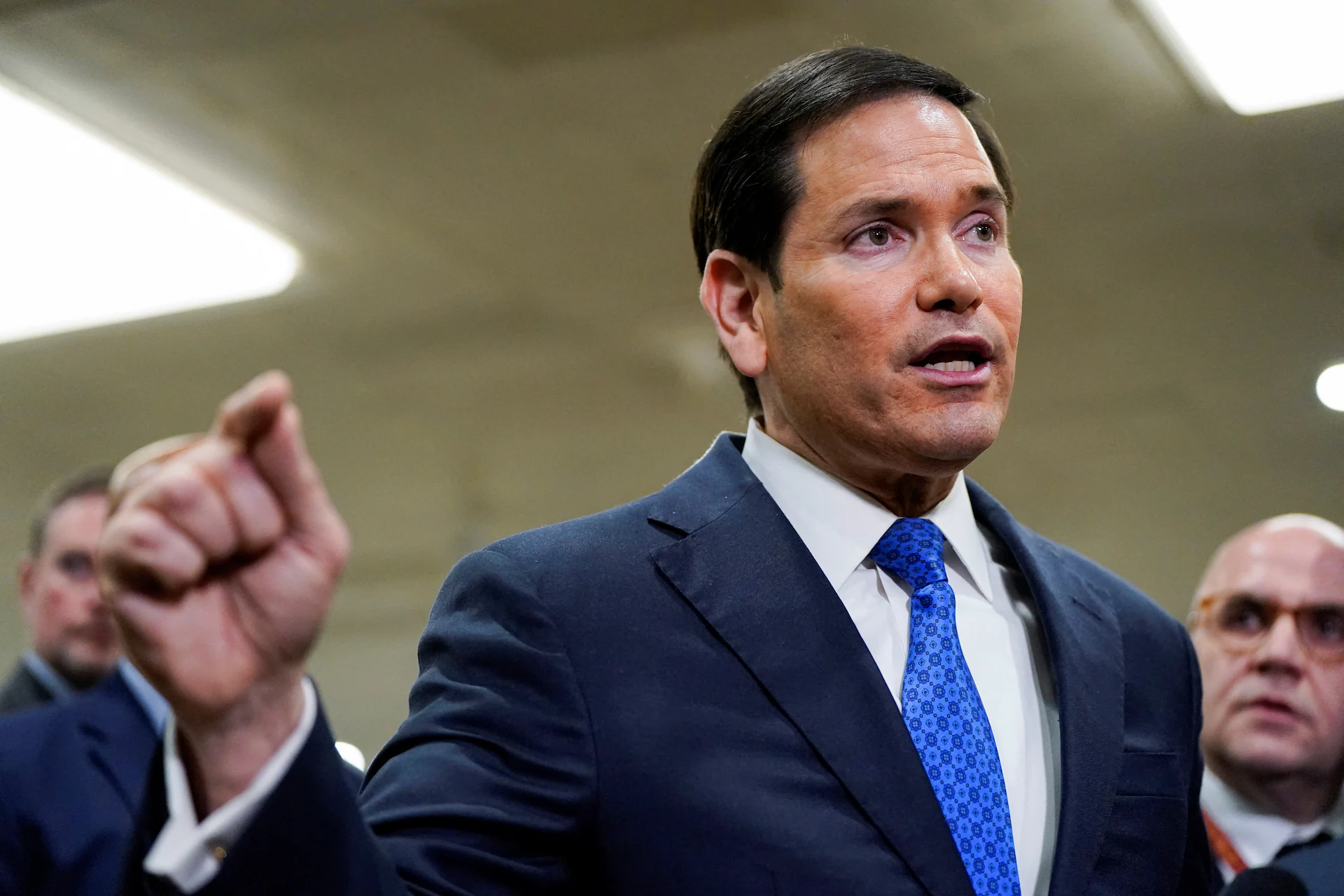
Marco Rubio (Secretary of State)
Marco Rubio was born in Miami, Florida to parents who immigrated from Cuba in the 1950s. He has frequently spoken about his family’s immigration story and its role in shaping his political identity, though some elements of that story have been disputed.
His parents immigrated in 1956, but did not become naturalized citizens until 1975, four years after Rubio was born. That makes Rubio a child of immigrants whose citizenship rests on the same birthright principle now under legal and political pressure.
Kash Patel (FBI Director)
Kash Patel is the current director of the FBI, having taken office in February of last year. He is a longtime Trump ally who previously held several senior national security roles, including as the deputy director of national intelligence and chief of staff to the acting secretary of defense.
Patel was born in New York to Indian immigrant parents, making him a U.S. citizen by birth under the Fourteenth Amendment’s birthright citizenship clause. It is unclear when Patel’s parents became U.S. citizens.
Lori Chavez-DeRemer (Secretary of Labor)
Lori Chavez-DeRemer is U.S.-born and has immigrant lineage through her father’s family. Her background has been routinely cited in discussions about immigration policy and workforce issues as the Secretary of Labor. It is unclear when her parents became U.S. citizens.
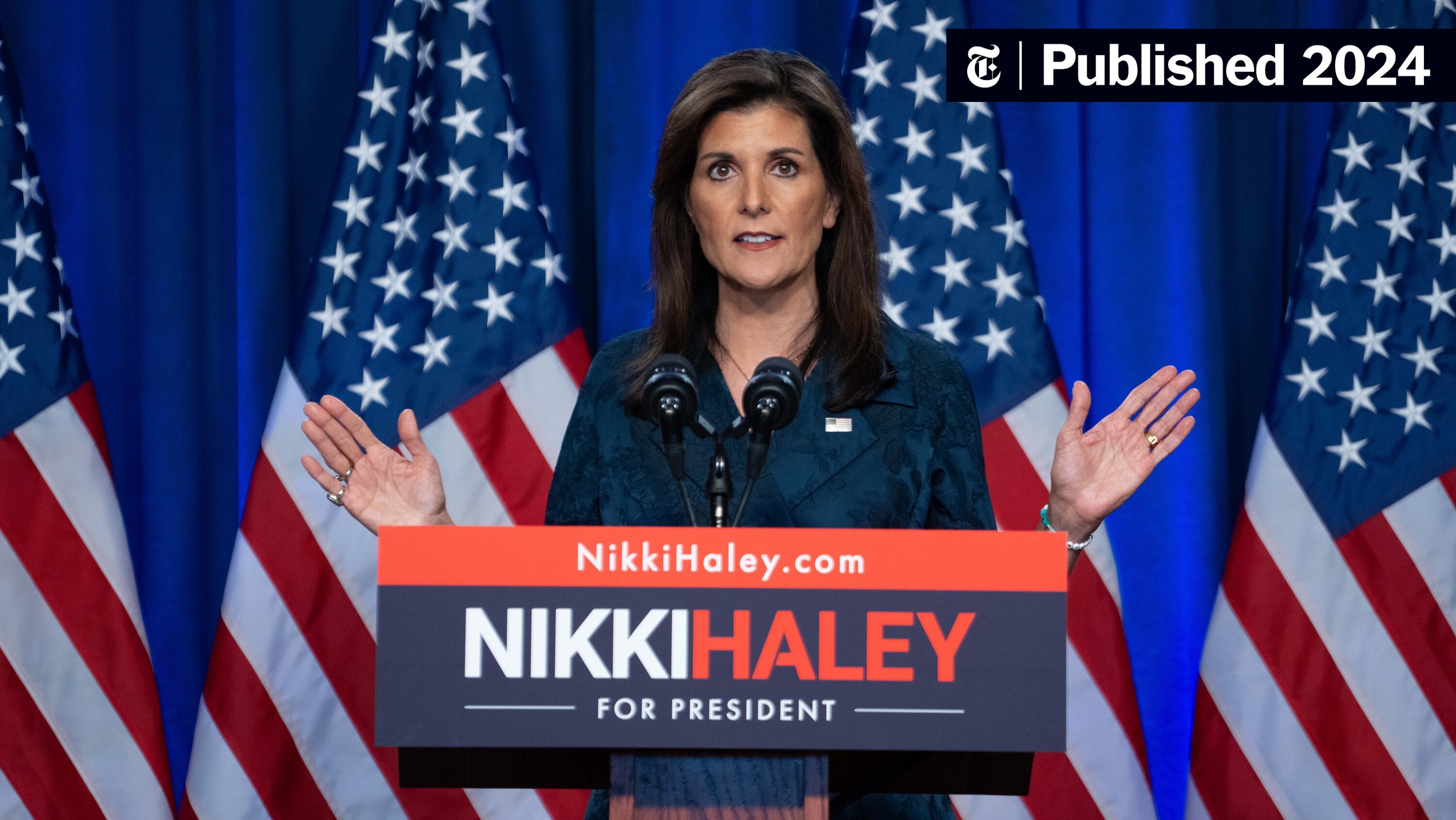
Nikki Haley (Former U.S. Ambassador to the United Nations)
Nikki Haley was born in 1972 in South Carolina to parents who emigrated from Punjab, India and opened a small business in the state, a story she has often referenced during her political career. Haley’s father, Ajit Randhawa, became a naturalized U.S. citizen in 1978, and her mother, Raj Randhawa, became a naturalized U.S. citizen in 2003.
Ajit Pai (Former FCC Chairman)
Ajit Pai, the former Federal Communications Commission chairman, was born in New York in 1973 to Indian immigrant parents who had immigrated in 1971. He served as FCC chairman during Trump’s first term and was one of the most prominent Asian American officials in the administration. Pai’s parents’ citizenship status is unclear.
Seema Verma (Former CMS Administrator)
Seema Verma worked as the Centers for Medicare & Medicaid Services administrator and was born in Virginia to Indian immigrant parents. She played a central role in shaping Trump-era health care policy, including efforts to overhaul Medicaid. There is no public data available on the citizenship of Verma’s parents.
Elaine Chao (Former Secretary of Transportation and Labor)
Elaine Chao’s story is different from the others on this list. She was born in Taiwan and later became a naturalized U.S. citizen after immigrating with her family from Taiwan in the early 1960s. She went on to serve as Secretary of Labor under President George W. Bush and Secretary of Transportation under Trump. Biographical sources confirm the family immigrated to the United States in the early 1960s and later naturalized, but the precise timeline of their U.S. citizenship is not disclosed in interviews or government directories.
Why this matters
The fight over birthright citizenship is not only about border policy. It is also about whether citizenship is a stable status that attaches at birth, or a conditional benefit that can be withheld from certain children based on their parents’ paperwork.
That is why the presence of so many children of immigrants in high office lands with extra force. If the rules change, the “who counts as an American” question does not stay at the margins. It reaches into the nation’s leadership class, our institutions, and our shared understanding of equal membership in civic life.
What Trump has said
Trump initially signed the executive order restricting birthright citizenship in January of last year as a way to combat illegal immigration, he said. The Supreme Court is currently considering the challenges to that executive order.
In a May 2023 campaign video, Trump said: “On Day One of my new term in office, I will sign an executive order making clear to federal agencies that under the correct interpretation of the law, going forward, the future children of illegal immigrants will not receive automatic U.S. citizenship.”
In his executive order, Trump wrote: “The privilege of United States citizenship is a priceless and profound gift.” He also asserted: “But the Fourteenth Amendment has never been interpreted to extend citizenship universally to everyone born within the United States.”
Supporters see this as a long overdue correction. Opponents argue it contradicts the Constitution’s text and long-standing precedent.
Opposition view
Anthony D. Romero, executive director of the American Civil Liberties Union, said in a statement: "Denying citizenship to U.S.-born children is not only unconstitutional — it's also a reckless and ruthless repudiation of American values. Birthright citizenship is part of what makes the United States the strong and dynamic nation that it is. This order seeks to repeat one of the gravest errors in American history, by creating a permanent subclass of people born in the U.S. who are denied full rights as Americans."
"Anchor baby" and the claim
You will often hear the phrase “anchor baby” in political arguments about birthright citizenship. It is a political term used to describe a child born in the U.S. to non-citizen parents, with the implication that the child’s U.S. citizenship, obtained through birthright citizenship, could help the parents remain in the country.
Mary Trump accused her grandfather, Fred Trump, of being an anchor baby himself, but a fact-check found that claim was false.
Whatever your view of immigration policy, it helps to remember what the Fourteenth Amendment is doing in plain terms. It establishes a clear, status-defining rule about membership in the political community at birth, rather than leaving that status to shift with politics.
What to watch
Lower courts have so far blocked the policy from taking effect, citing longstanding precedent and statutory law that aligns with the Fourteenth Amendment. Until a final ruling is issued, birthright citizenship remains unchanged.
The Supreme Court is expected to rule later this year on whether Trump’s executive order is constitutional. The court’s conservative justices appear poised to defy Trump on the birthright citizenship matter.
If the order is upheld, tens of thousands of babies born in the U.S. would not be entitled to citizenship if their parents immigrated illegally or are undocumented workers.