
In the wake of his high-stakes summit with Ukrainian and European leaders, President Trump has made a powerful and seemingly definitive promise to the American people. He declared on Tuesday that there will be “no U.S. troops defending Ukraine’s border,” an “assurance” he suggested would hold even after he leaves office.
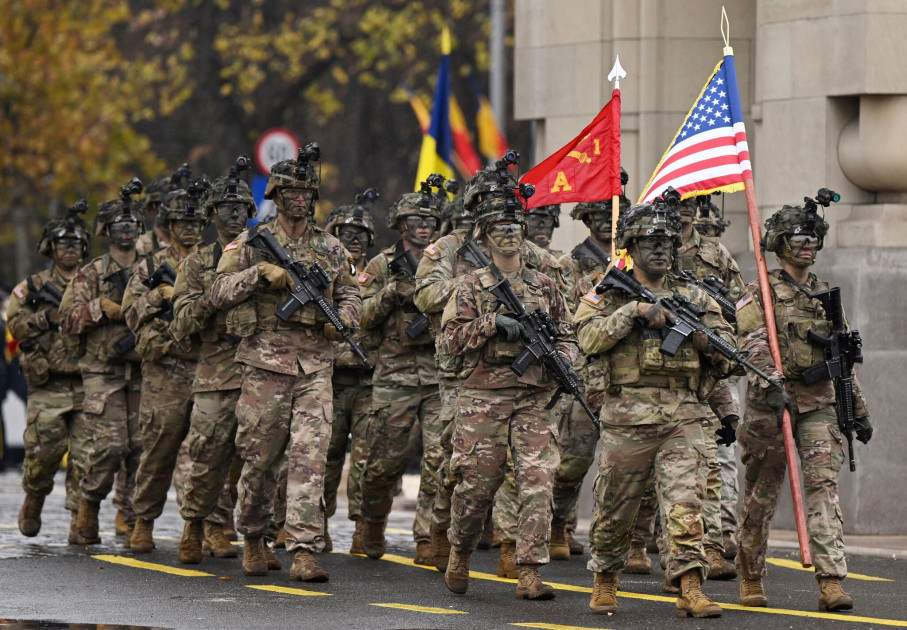
This is the centerpiece of the administration’s emerging peace plan, a clear commitment to avoid American entanglement in a future conflict. But this pledge, while politically potent, raises a profound constitutional question:
Can a sitting president make a promise that legally binds the hands of his successors?
A Framework for Peace
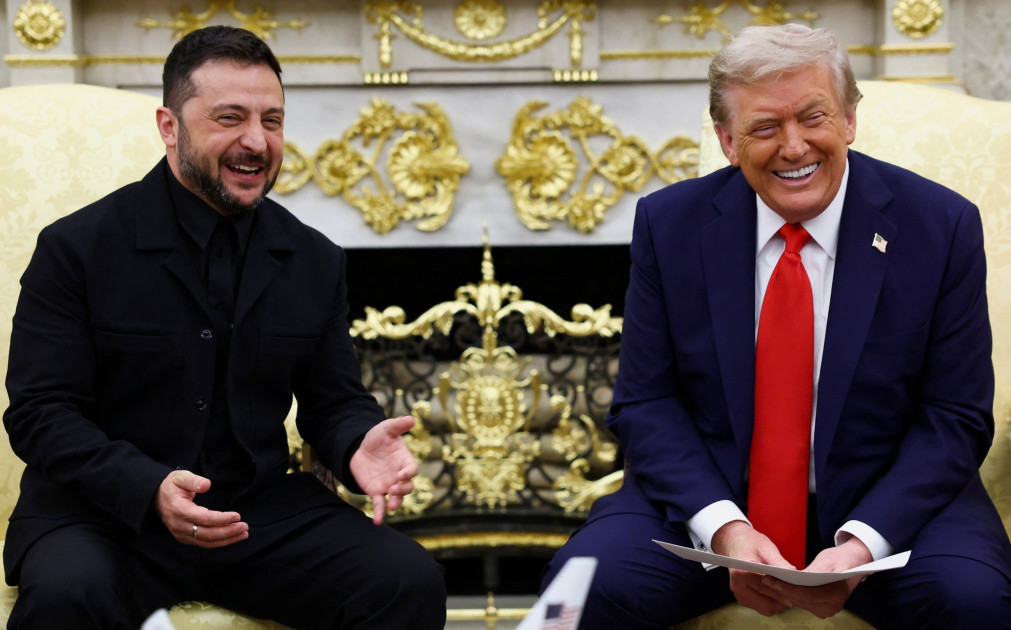
The President’s “assurance” is part of a broader diplomatic framework taking shape after his meetings with both Vladimir Putin and Volodymyr Zelenskyy. The plan, as he has outlined it, involves a one-on-one meeting between the Russian and Ukrainian presidents to negotiate an end to the war.
The proposed deal appears to be a trade: Ukraine would be required to make significant concessions, including forswearing NATO membership, in exchange for an end to the fighting.
Instead of American troops, the security of this new peace would be upheld by European nations providing “NATO-like protections” and security guarantees.
The Constitutional Limits of a Presidential Promise
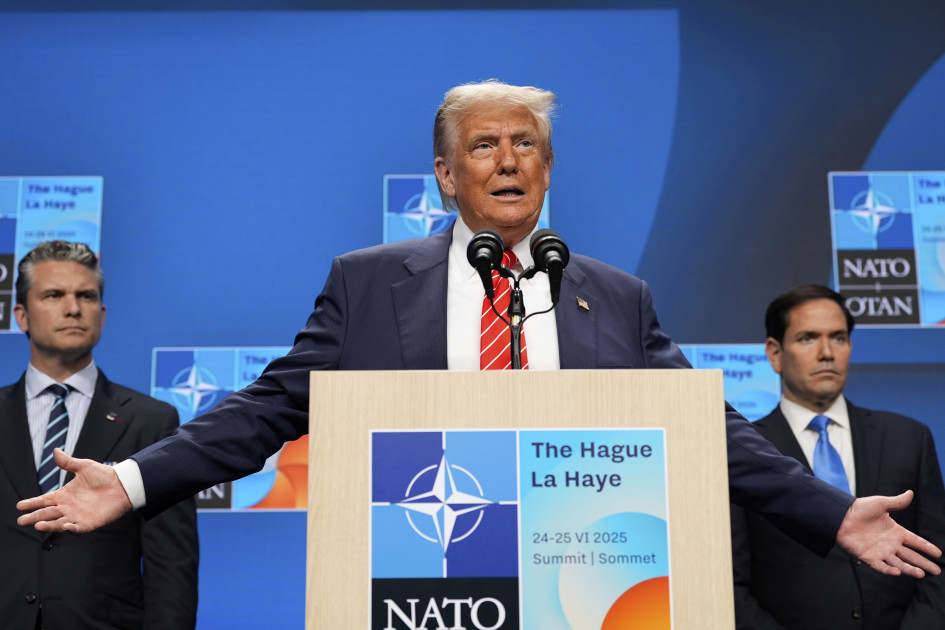
The President’s pledge of “no U.S. troops” is a clear statement of his administration’s policy and intent. However, as a matter of constitutional law, it is not – and cannot be – a permanent, binding commitment on the United States.
Under Article II of the Constitution, each new president inherits the full, unencumbered powers of the office. This includes the role of Commander-in-Chief, with the sole authority to deploy American military forces.
One president simply cannot issue a “forever” policy that a future president is legally bound to follow.
President Trump’s “assurance” is a powerful political promise, but it is not a constitutional one. A future president would be entirely within their constitutional rights to reverse this policy if they deemed it necessary for the nation’s security.
Executive Agreements vs. Treaties: A Critical Distinction
This highlights a critical distinction in American foreign policy that every citizen should understand: the difference between an executive agreement and a treaty.
The peace framework currently being constructed – a U.S. promise of non-intervention combined with European security assurances – is a structure built on a series of executive agreements. These are agreements made between leaders, and while they are important, they are not as durable as a formal treaty.
A formal, binding mutual-defense pact, like the North Atlantic Treaty that created NATO, is a treaty. Under the Constitution’s Treaty Clause, it must be ratified by a two-thirds vote of the U.S. Senate. This process ensures a broad, bipartisan consensus and makes the commitment a lasting obligation of the entire nation, not just the policy of one president.
The peace being negotiated for Ukraine, by the President’s own description, is a less formal arrangement that lacks this constitutional weight.
The President is pursuing a peace deal based on his personal vision and his direct negotiations with world leaders. His assurance of “no troops” is a clear promise to the American people that is central to his political platform. But in our constitutional system, the promises of one president cannot tie the hands of the next. The framework being constructed is built on the temporary foundation of executive policy, not the permanent bedrock of a ratified treaty. The long-term security of Ukraine, and the nature of America’s commitment to it, will ultimately be decided not by this president’s assurance, but by the actions of the presidents and congresses yet to come.