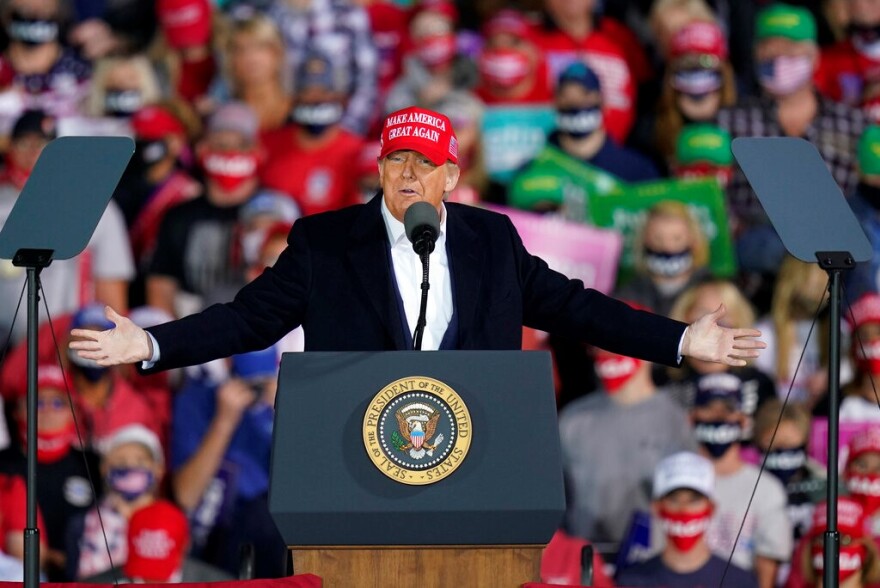
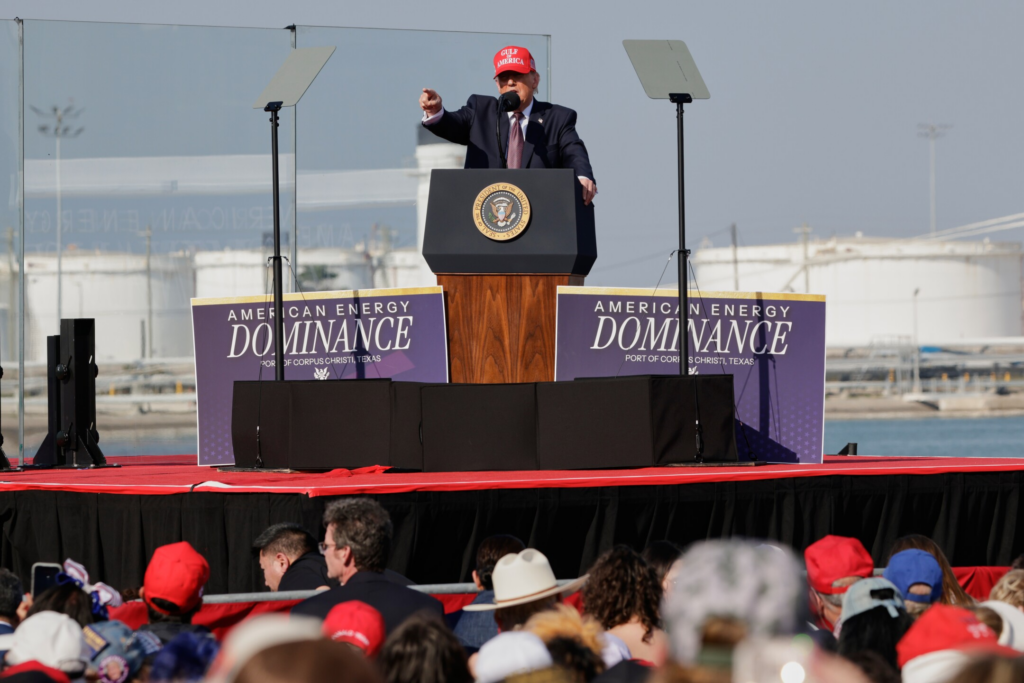
During a recent event in Corpus Christi, Texas, former President Donald Trump proposed the idea of nominating Senator Ted Cruz to the Supreme Court. Trump humorously suggested that Cruz would receive a unanimous vote from both Democrats and Republicans for his appointment, implying that lawmakers would prefer to see him leave Congress.
In making the suggestion, Trump stated, “We have a senator who’s really an amazing guy. I’m thinking about putting him in the Supreme Court… He’s the only guy I know who’ll get 100% of the Democrat vote, 100% of the Republican vote.”
This comment highlights Trump’s lighthearted approach to a serious topic, which is the appointment of justices to the highest court in the United States.
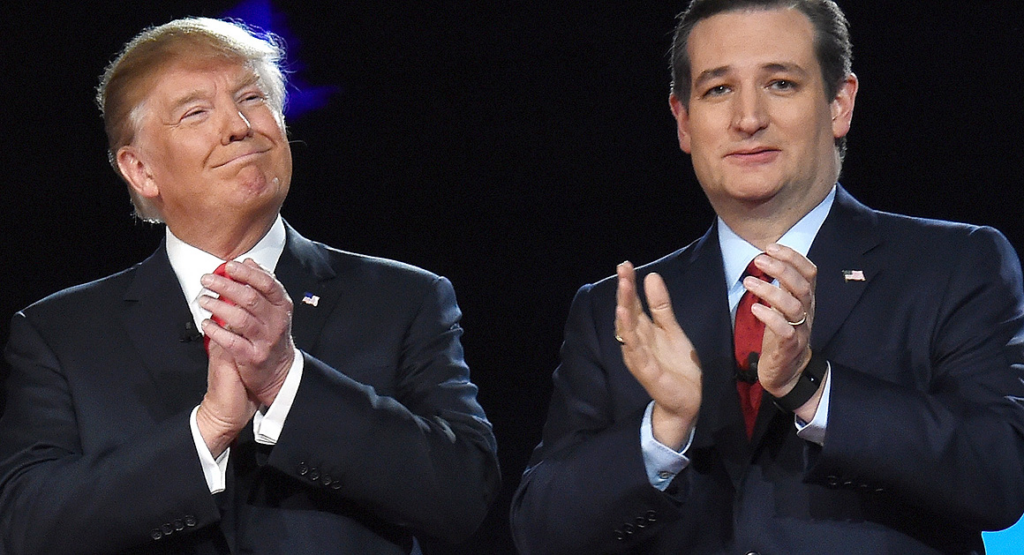
Cruz, who has served as a U.S. senator since 2013, has a notable background in law, having argued multiple cases before the Supreme Court during his tenure as Texas Solicitor General. His legal experience raises questions about potential qualifications for a Supreme Court role.
Cruz’s Legal Credentials
Ted Cruz’s legal background is extensive. He earned his law degree from Harvard Law School and has argued nine cases before the Supreme Court. At the time of his 2012 Senate campaign, he had tried the most Supreme Court cases of any practicing lawyer in Texas.
His experience includes advocating for issues such as limited government and national security. As a senator, Cruz has been known for his strong conservative stance, making him a significant figure within the Republican Party.
Trump’s comments come at a time when judicial appointments are a critical focus for Republicans, especially as the Supreme Court has a lasting impact on American law and society.
Political Implications
Trump’s suggestion raises questions about the political strategy behind such a nomination. The Supreme Court currently holds a conservative majority, and any new appointments could solidify or shift that balance depending on the political landscape at the time of the nomination.
Historically, Supreme Court nominations have been contentious and often reflect broader party strategies. With Cruz’s established reputation among conservatives, his nomination could potentially energize the Republican base while also facing scrutiny from Democratic senators.
Trump’s jest about Cruz receiving 100% bipartisan support reflects a deeper understanding of Cruz’s polarizing nature within the legislature. Despite his qualifications, Cruz has also faced significant opposition from Democratic lawmakers, particularly during his presidential campaign in 2016.
Recent Context in Supreme Court Nominations
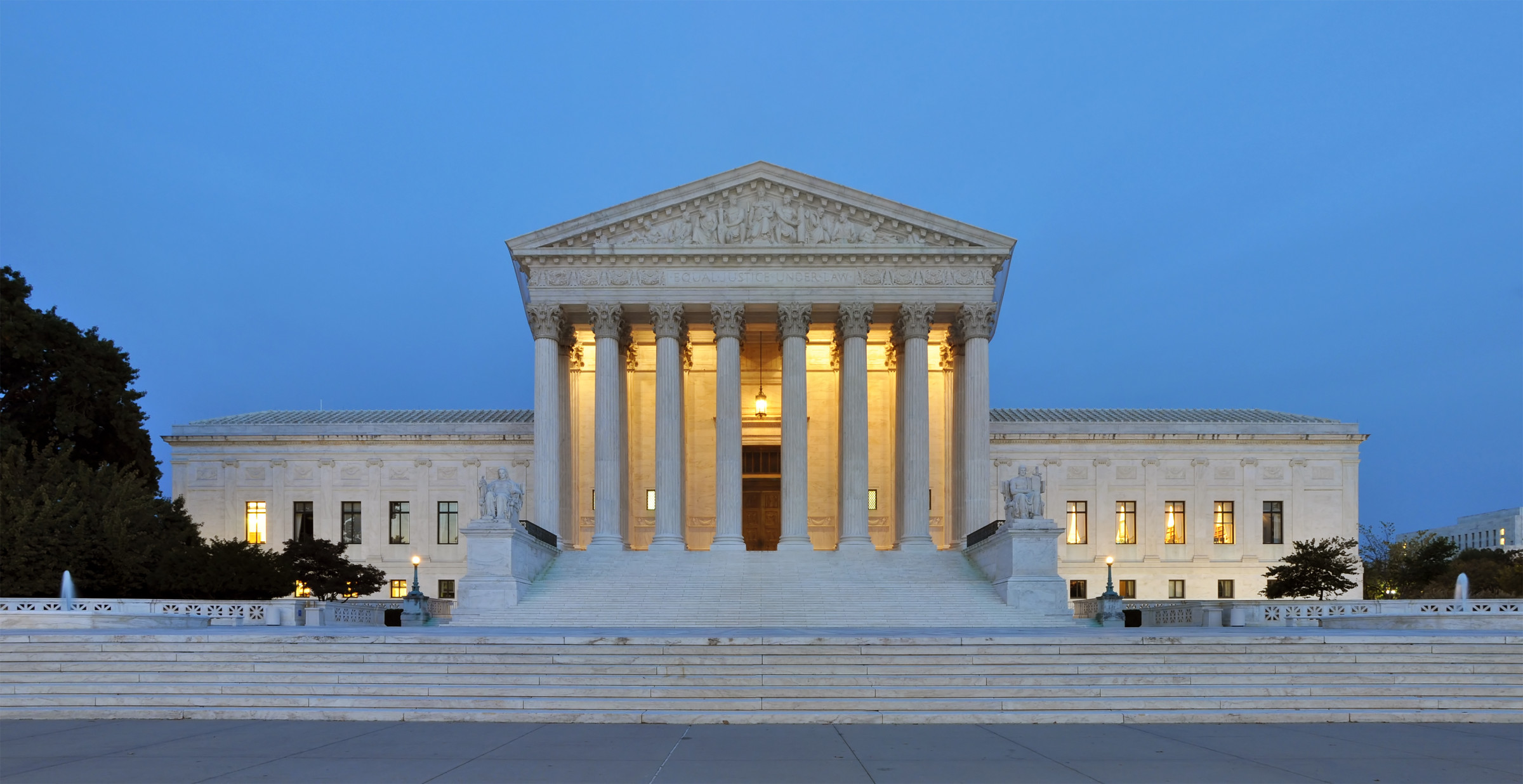
The last few Supreme Court nominations have underscored the contentious nature of the process. The confirmation of Justice Amy Coney Barrett in 2020, for example, was marked by significant partisan divide. With such a recent history, a nomination for Cruz would likely follow a similar path, demanding careful political calculation.
Moreover, the current Congress is under Democratic control, which could complicate any potential nomination from Trump, especially if the administration attempts to push through a candidate with controversial ties or policies.
Trump’s comments come as he navigates his political future, considering a potential run for the presidency in 2024. Aligning himself with Cruz, a significant figure in the Republican Party, could bolster his support among conservative voters.
Conclusion
While Trump’s suggestion to nominate Ted Cruz to the Supreme Court was made in jest, it opens the door to discussions about judicial appointments and the political ramifications of such a move. Cruz’s extensive legal background gives him a strong foundation for consideration, but the political realities of a divided Congress would need to be addressed.
The idea of Cruz on the Supreme Court could serve as a strategic move for Trump as he looks to solidify his influence within the party and prepare for future electoral challenges. As always, the implications of Supreme Court nominations stretch far beyond individual candidates, affecting national legal precedents and party dynamics for years to come.