
Todd Arrington spent nearly 30 years in government service as director of the Dwight D. Eisenhower Presidential Library in Abilene, Kansas. His job was preserving historic artifacts that belong to the American public and are protected by federal law from being given away or removed from collections.
Then a Trump administration official emailed from an address called “giftgirl2025” asking for “like a sword or something” to give King Charles during Trump’s state visit to Britain. Arrington explained that releasing original artifacts would be illegal – they’re U.S. government property that the library is obligated by law to preserve for the public.
Shortly after, Arrington was forced out of his job. He told The New York Times it wasn’t voluntary: “I never imagined that I would be fired from almost 30 years of government service for this.”
The pattern is becoming unmistakable: federal officials who do the right thing by following the law get punished when the White House doesn’t like their answers.
The Email From “GiftGirl2025” That Started It
A State Department liaison approached the Eisenhower library through a personal email address – not official government channels – requesting historic items for a diplomatic gift. The library holds at least one Eisenhower sword in its collection, given to him in 1947 by Queen Wilhelmina of the Netherlands.
The request was casual: “like a sword or something.” But the legal obligations weren’t casual at all. Presidential library collections are federal property held in public trust. Directors can’t simply hand over historic artifacts because an administration official sends a personal email asking for them.
Arrington did exactly what federal law required – he declined to release original artifacts and explained why. The library exists to preserve these items for the American public, not to serve as a gift shop for diplomatic visits.
Trump ended up presenting King Charles with a replica sword instead, which resolved the immediate diplomatic situation. But it didn’t resolve the underlying problem: someone told the White House “no” based on legal requirements, and the White House doesn’t tolerate that.
Why Following Federal Law Became a Fireable Offense
Presidential libraries operate under the National Archives and Records Administration and are governed by the Presidential Libraries Act. The law is explicit about preservation requirements – collections must be maintained for public benefit and can’t be dispersed or given away regardless of how prestigious the recipient might be.
Arrington wasn’t making a judgment call about whether gifting a sword to King Charles would be good diplomacy. He was following unambiguous legal requirements that his position obligated him to enforce. There was no discretion involved – the law prohibited what the administration requested.

That legal compliance became grounds for termination. Technically Arrington resigned, but he made clear it wasn’t voluntary – he was forced out for refusing to violate federal law governing presidential library collections.
The message to other federal officials is unmistakable: when the White House makes improper requests, your legal obligations won’t protect your career. Following the law matters less than giving the administration what it wants.
The Pattern That Started Well Before the Sword Request
Steve Benen’s reporting for MSNBC noted that “the White House has picked ugly and unnecessary fights with museums and libraries in recent months,” including an August offensive to bring the Smithsonian Institution in line with Trump’s perspective. That came after Trump fired the Librarian of Congress.
These aren’t isolated incidents targeting one institution or one employee. They’re systematic efforts to assert political control over cultural and educational institutions that have traditionally operated with independence from partisan politics.
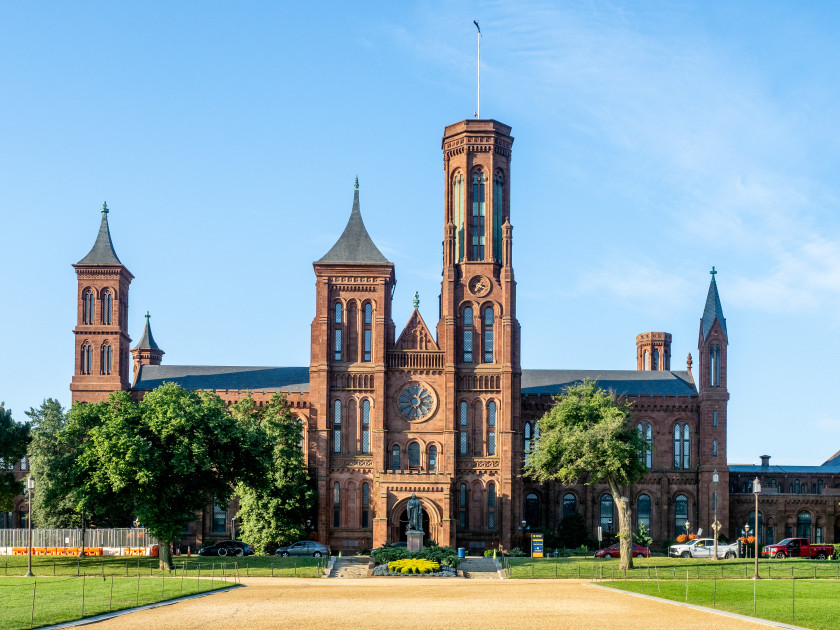
Presidential libraries preserve historical records and artifacts from previous administrations – including materials that might reflect poorly on current political leaders or document decisions that contradict current narratives. The Smithsonian holds collections and presents exhibitions based on historical scholarship rather than political messaging.
Trump’s administration views that independence as a problem requiring correction. Museums, libraries, and archives that won’t align their operations with administration priorities face political pressure, leadership purges, and funding threats.
Arrington’s termination fits this broader campaign to politicize institutions designed to operate outside partisan control. He refused to compromise the Eisenhower library’s mission to serve political convenience, so he had to go.
The Other Officials Fired for Doing the Right Thing
Benen identified a pattern: “A prosecutor does the right thing by refusing to bring a corrupt indictment? He’s fired. An IRS official does the right thing by refusing to cooperate with a legally dubious DOGE request? He’s fired. A presidential librarian does the right thing by refusing to turn over a sword to be used as a foreign gift? He’s fired.”
Each instance involves federal officials following legal requirements, professional ethics, or constitutional obligations when those requirements conflict with White House demands. Each results in termination or forced resignation.
The IRS official who refused to cooperate with DOGE’s legally questionable information requests was protecting taxpayer privacy and following laws governing disclosure of tax information. Following those laws cost him his job.
Federal prosecutors who declined to bring indictments lacking evidence or legal foundation were upholding constitutional due process requirements and professional ethics standards. Maintaining those standards cost them their careers.
These weren’t cases of officials substituting personal judgment for legal requirements. These were officials implementing clear legal obligations that conflicted with political demands – and being punished for prioritizing law over politics.
What Happens When Legal Compliance Becomes Career Suicide
The accumulating examples create a chilling effect throughout federal service. Officials facing improper requests now understand that citing legal requirements won’t protect them from retaliation. Following the law can end careers just as easily as breaking it – perhaps more easily, since breaking the law to satisfy political demands might be rewarded while following it guarantees punishment.
That incentive structure corrupts institutional integrity across government. Why should an archivist protect collections when doing so costs their job? Why should a prosecutor decline weak cases when refusal means termination? Why should any federal official prioritize legal obligations over political demands when career survival depends on the opposite?

The answer is supposed to be institutional loyalty, professional ethics, and legal accountability mechanisms that protect officials who do the right thing. But those protections only work if someone enforces them. If the White House can fire officials for following the law and nobody stops it, then the protections are theoretical rather than real.
Arrington likely believed his 30 years of government service and clear legal basis for declining the sword request would protect him. He was wrong. Legal justification doesn’t matter when political retaliation faces no consequences.
The Sword That Symbolizes Something Bigger
There’s dark irony in fighting over an Eisenhower sword for a diplomatic gift. Eisenhower famously warned in his farewell address about the military-industrial complex and the importance of maintaining balance between different centers of power in American democracy.
He understood that concentrating too much power in any single institution – whether military, corporate, or governmental – threatened democratic governance. His career demonstrated respect for institutional boundaries and the importance of leaders who prioritize national interest over personal aggrandizement.
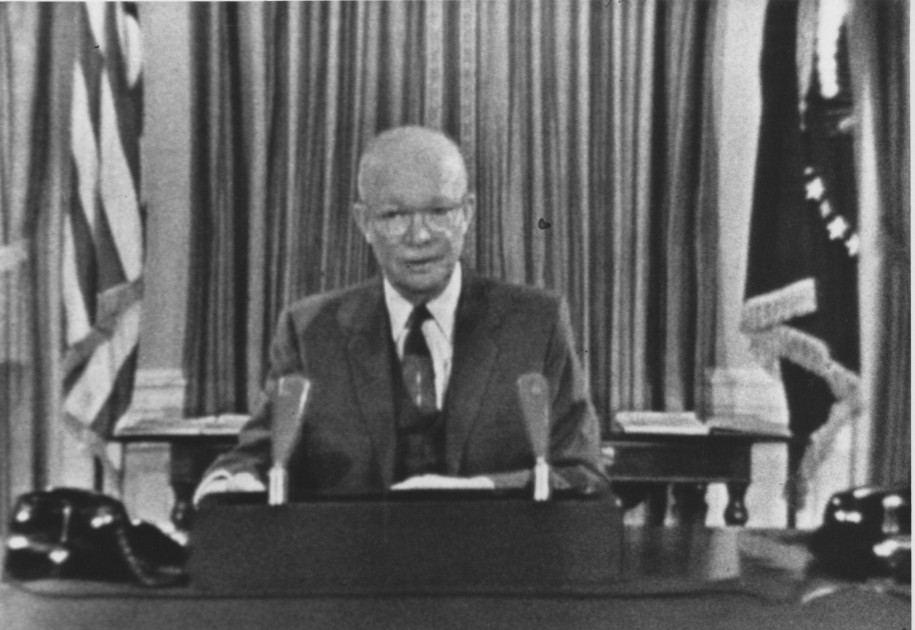
The sword gifted to Eisenhower by Queen Wilhelmina represented Allied cooperation during World War II and the international respect Eisenhower commanded for his leadership against fascism. It symbolized values like rule of law, democratic governance, and institutional integrity that defeated authoritarian regimes.
That this sword became the excuse for firing a librarian who followed federal law is symbolism too perfect to ignore. The Trump administration wanted an Eisenhower artifact to represent American prestige during a state visit – but couldn’t tolerate the institutional constraints that protect such artifacts from political exploitation.
Eisenhower would likely have supported Arrington’s decision to follow the law. The administration that wanted to exploit Eisenhower’s legacy for diplomatic purposes fired the person who protected that legacy according to legal requirements.
Why Museums and Libraries Matter Enough to Fight Over
Trump’s repeated conflicts with museums, libraries, and cultural institutions might seem petty compared to major policy battles over immigration, healthcare, or foreign policy. But they reveal something fundamental about how this administration views truth, history, and independent institutions.
Museums and libraries preserve records and artifacts that document what actually happened rather than what current politicians wish had happened. They’re inconvenient for administrations that prefer controlling narratives to acknowledging documented facts.

Presidential libraries hold records from previous administrations that might contradict current political messaging. The Smithsonian presents historical exhibitions that might challenge preferred narratives about American exceptionalism or political movements. Archives maintain documents that researchers can access regardless of whether current leaders want those documents public.
That independence makes these institutions targets when political leaders prioritize narrative control over historical accuracy. You can’t rewrite history if libraries and museums keep preserving the actual records. You can’t control national stories if curators present exhibitions based on scholarship rather than propaganda.
Firing officials who won’t compromise institutional missions sends a message to everyone working in cultural preservation: align your work with administration priorities or face consequences. That pressure gradually transforms independent institutions into political instruments serving whoever holds power.
The Career Officials Who Are Watching This Happen
Todd Arrington’s 30 years of government service didn’t protect him when he followed federal law that conflicted with administration demands. That fact is being noted by thousands of other career federal employees facing similar choices.
The prosecutor considering whether to bring a politically motivated case. The agency attorney asked to approve legally dubious actions. The records manager told to destroy documents that should be preserved. The inspector general investigating misconduct by political appointees.
All of them now understand that legal justifications and ethical obligations won’t protect their careers if political leaders want different answers. They’re watching colleagues get fired for doing the right thing and understanding that their own adherence to professional standards could end their careers just as abruptly.
Some will cave to pressure rather than sacrifice jobs they need to support families. Others will quietly resign rather than participate in what they view as corruption. A few will stand firm and accept the professional consequences.
But the institutional knowledge, professional expertise, and commitment to ethical service that made federal government functional is being systematically purged in favor of political loyalty and willingness to ignore legal constraints when convenient.
That transformation doesn’t happen through one dramatic break with constitutional norms. It happens through accumulated small corruptions – like firing a librarian for refusing to give away a sword he’s legally required to protect.
What Eisenhower’s Sword Should Remind Us
The sword Trump wanted to give King Charles represented Dwight Eisenhower’s service to democratic values and international cooperation against authoritarian threats. It symbolized leadership that respected institutional boundaries and understood that concentrating power in single leaders endangers freedom.
Eisenhower could have accumulated more personal power during and after World War II. He commanded the respect and loyalty that would have allowed authoritarianism if he’d sought it. He chose instead to strengthen democratic institutions and transfer power peacefully when his service was complete.

The sword stayed in the Eisenhower library’s collection because Todd Arrington understood his obligation to preserve it for public benefit rather than political convenience. That decision cost him nearly three decades of career service.
The replica sword Trump eventually gave King Charles likely looked similar to the original. But it represented something entirely different – an administration willing to fire dedicated public servants for following the law, sacrificing institutional integrity for diplomatic appearances, and teaching federal employees that legal compliance matters less than political obedience.
Eisenhower’s actual sword remains in Abilene, Kansas, preserved for the American public as federal law requires. The man who protected it is no longer employed by the government he served for 30 years.
That’s the real story – not about a sword, but about what happens to people who believe following the law still matters more than satisfying political demands. Todd Arrington believed it. He was wrong about what that belief would cost him.
Every other federal official is watching and learning the same lesson.