
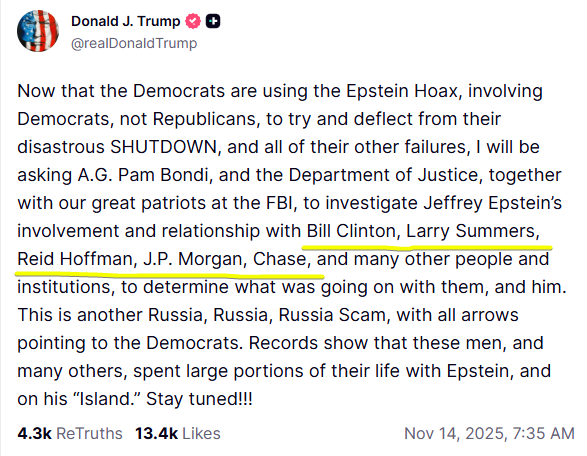
President Trump announced Friday he’s ordering the Justice Department and FBI to investigate Jeffrey Epstein’s “involvement and relationship” with prominent Democrats, including former President Bill Clinton, former Treasury Secretary Larry Summers, LinkedIn co-founder Reid Hoffman, and financial institutions JPMorgan and Chase.
“This is another Russia, Russia, Russia Scam, with all arrows pointing to the Democrats,” Trump wrote on Truth Social. “Records show that these men, and many others, spent large portions of their life with Epstein, and on his ‘Island.’ Stay tuned!!!”
Attorney General Pam Bondi immediately announced she’s asked Jay Clayton, the U.S. Attorney for the Southern District of New York, to lead the investigation. “The Department will pursue this with urgency and integrity to deliver answers to the American people,” Bondi wrote.
The timing is remarkable. Trump announced this investigation the same week House Democrats released emails showing Epstein wrote that Trump “knew about the girls” and spent “hours” at Epstein’s house with victims. Days after a discharge petition reached 218 signatures forcing a House vote on releasing all DOJ and FBI files on Epstein – files Trump opposes making public.
Trump wants investigations into Democrats’ Epstein connections. He just doesn’t want transparency about his own. That’s not fighting for truth – it’s weaponizing law enforcement for partisan purposes while hiding potentially damaging information about himself.
The Emails Trump Didn’t Mention
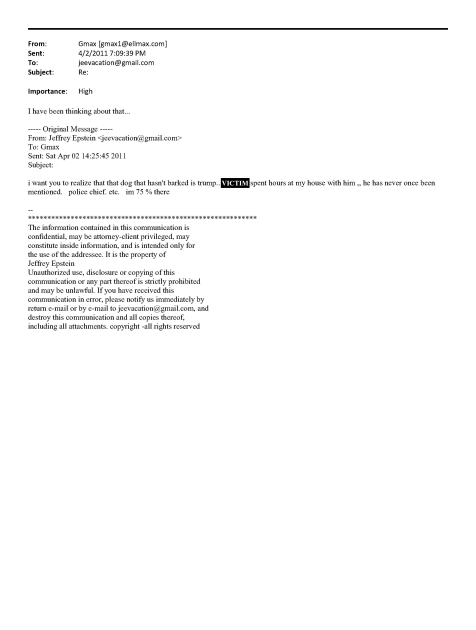
Wednesday’s document release from the House Oversight Committee included emails where Epstein described Trump as “the dog that hasn’t barked” – someone with knowledge who hasn’t spoken publicly. Another email stated: “Of course he knew about the girls as he asked ghislaine to stop.”
A third email noted: “virginia spent hours at my house with him ,, he has never once been mentioned.” Virginia Giuffre was one of Epstein’s most prominent victims, though she’s stated publicly she never witnessed Trump engage in inappropriate behavior.
Trump’s Friday announcement doesn’t mention these emails. Doesn’t address what Epstein meant about Trump asking Maxwell “to stop.” Doesn’t explain why Epstein characterized Trump as having knowledge but staying silent.
Instead, Trump pivots to investigating Democrats. The message is clear: Epstein’s connections to political opponents deserve federal investigation. Epstein’s documented references to Trump are a “hoax” designed to distract from Democratic wrongdoing.
This isn’t transparency. It’s selective prosecution threatened as political weapon.
The Investigation DOJ Already Said They Completed
Here’s what makes Trump’s announcement even more cynical: The Justice Department already investigated exactly what Trump is now ordering them to investigate.
In July, DOJ and FBI released a memo stating they’d conducted an “exhaustive review” of material related to Epstein. They found no evidence “that could predicate an investigation against uncharged third parties.” They wrote there was no “client list” or “credible evidence” that Epstein blackmailed prominent figures.
That conclusion sparked massive backlash from Trump’s base, who believed the administration was covering up Epstein’s network. Trump called it a “Democrat hoax” and claimed opposition to his handling of the files was political deflection.
Now Trump is ordering DOJ to investigate again – but this time specifically targeting Democrats. Not a comprehensive review of all Epstein’s connections. Not transparency about everyone involved regardless of party. An investigation explicitly aimed at Bill Clinton, Larry Summers, Reid Hoffman, and Democratic-friendly institutions.
If DOJ’s July review was exhaustive, what’s different now? Either the July investigation was incomplete – meaning Trump’s DOJ misled the public about having reviewed everything – or this new investigation is political theater designed to create the appearance of Democratic wrongdoing where DOJ already found none.
Attorney General Bondi’s October Preview
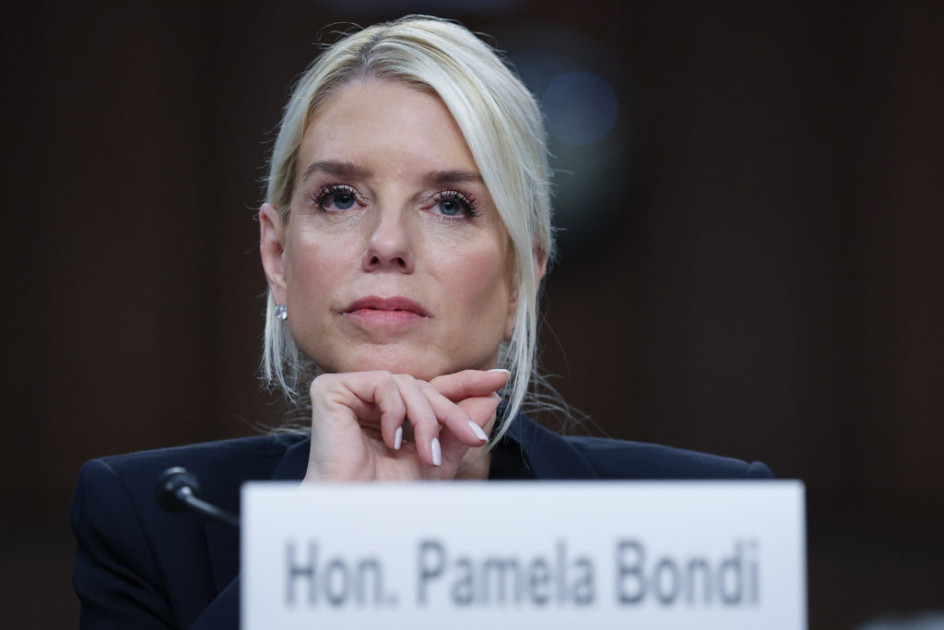
During Senate Judiciary Committee testimony in October, Bondi attacked Senator Sheldon Whitehouse of Rhode Island for accepting political contributions from Reid Hoffman, who she called “one of Epstein’s closest confidants.”
That attack preview what Trump announced Friday. Bondi was already framing Epstein connections as disqualifying for Democrats while serving as Attorney General nominee – the position that would give her authority to investigate those connections.
Hoffman acknowledged in 2019 after Epstein’s arrest that he’d had some interactions with Epstein and regretted participating in fundraising activity with him. His last interaction with Epstein was reportedly in 2015.
Trump socialized with Epstein throughout the 1990s and early 2000s. Epstein was a member at Mar-a-Lago. Epstein wrote emails suggesting Trump had knowledge of his activities with underage girls. Trump’s name appears in the “friends” section of a book Maxwell compiled for Epstein’s 50th birthday in 2003.
Bondi attacked Whitehouse for accepting donations from someone who interacted with Epstein years before his arrest. She’s now leading an investigation into Democrats’ Epstein ties while her boss opposes releasing files about his own connections.
The standard isn’t consistent. It’s partisan.
The Discharge Petition Trump Is Fighting
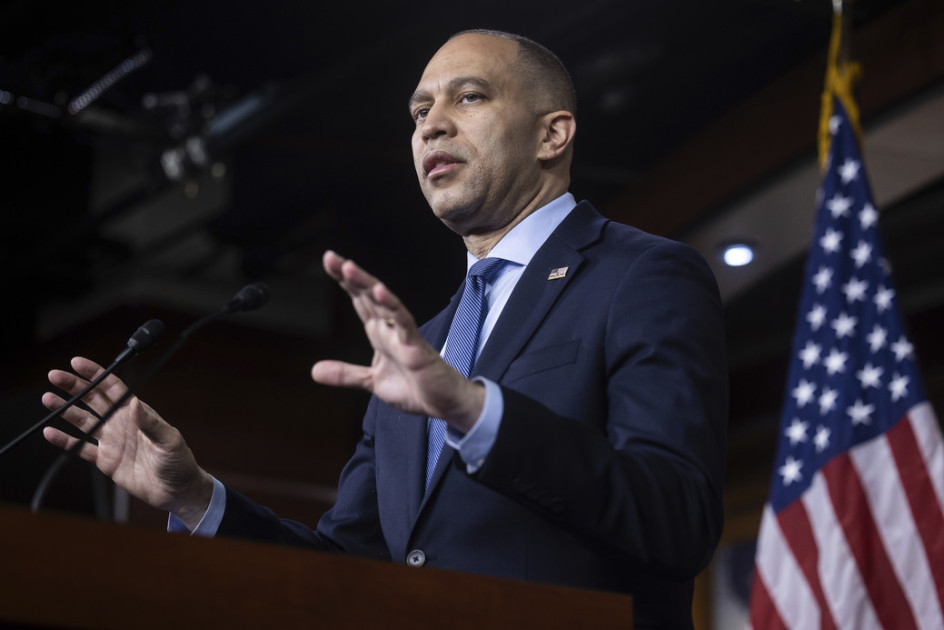
Next week, the House will vote on legislation forcing DOJ to release all unclassified files from its Epstein investigation. The vote happens because 218 members – including four Republicans – signed a discharge petition bypassing leadership.
Trump opposes this release. He’s called Republicans who signed the petition “soft and foolish.” Representative Marjorie Taylor Greene, usually a Trump loyalist, called his opposition a “huge miscalculation” in a CBS Mornings interview Friday.
Trump’s base has been demanding full Epstein file transparency since before he took office. When DOJ released its July memo saying there was nothing more to disclose, the backlash was fierce. Trump supporters believe – correctly or not – that powerful people are being protected.
Now Trump offers them a substitute: Don’t release the comprehensive files, but trust me to investigate Democrats specifically. It’s transparency as weapon rather than principle. Release information about my opponents, keep information about me hidden.
The discharge petition would force release of everything – emails, flight logs, witness statements, investigative summaries. Whatever DOJ and FBI have about Epstein’s network, regardless of whose names appear. That’s actual transparency.
Trump’s alternative is selective investigation targeting political opponents while keeping comprehensive records sealed. That’s not transparency – it’s opposition research conducted through federal law enforcement.
Bill Clinton’s Epstein Connections Are Legitimate Questions
To be clear: Bill Clinton’s relationship with Epstein deserves scrutiny. Clinton took multiple trips on Epstein’s plane in 2002 and 2003. His spokesperson acknowledged trips to Europe, Asia, and Africa, claiming they were Clinton Foundation related with staff and Secret Service present.
Clinton’s name appears in the same Maxwell birthday book as Trump’s, under the “friends” heading. A handwritten note attributed to Clinton appears in the book, though the content isn’t clearly visible in released pages.
The House Oversight Committee subpoenaed Clinton for testimony in August because of his ties to Epstein and Maxwell. That subpoena is appropriate and should be enforced regardless of Clinton’s political party or past office.
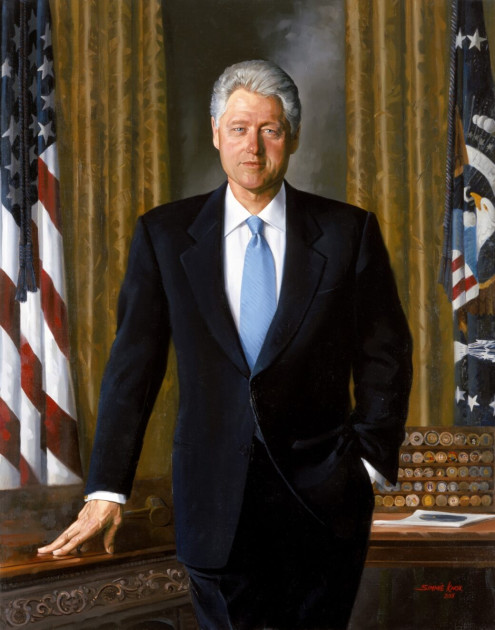
Clinton left office in 2001. He’s not currently in government. He’s not running for anything. Investigating his Epstein connections doesn’t serve prosecutorial purpose unless evidence suggests criminal conduct. It serves historical record and public accountability purposes.
Those purposes are legitimate. But they apply equally to everyone in Epstein’s network, not just to Democrats. Trump’s announcement specifically excludes investigating his own documented connections while targeting Clinton’s. That’s selective accountability.
Larry Summers And The “Deeply Regrets” Standard
Larry Summers served as Treasury Secretary under Clinton and led the National Economic Council under Obama. The Wall Street Journal reported in 2023 on Epstein’s contacts with Summers. A spokesperson said Summers “deeply regrets being in contact with Epstein after his conviction.”
Epstein’s 2008 conviction was for soliciting prostitution from a minor. Anyone maintaining contact with him afterward demonstrated extraordinarily poor judgment. Summers acknowledges this, though his “regret” doesn’t explain why he continued contact with a convicted sex offender.
But Summers holds no government position. He’s an academic and economist without current official authority. Investigating his past Epstein contact serves public understanding purposes, but not prosecutorial ones unless evidence suggests crimes.
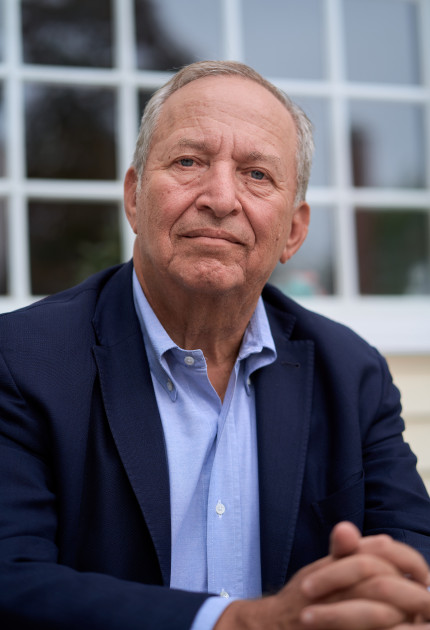
Trump’s announcement targets Summers alongside Clinton and Hoffman – three Democrats or Democratic donors. The investigation explicitly aims at “determining what was going on with them.” That framing suggests looking for wrongdoing rather than comprehensive accounting of all Epstein’s connections.
If the standard is investigating everyone who maintained contact with Epstein after his conviction, that investigation would include numerous Republicans, business figures, and academics. Limiting investigation to Democrats isn’t pursuing truth – it’s pursuing political ammunition.
JPMorgan’s Settlement And The Institutional Question
Trump’s announcement includes JPMorgan and Chase (they’re the same institution – JPMorgan Chase). The bank settled a lawsuit in 2023 for $290 million, paying victims after allegations it overlooked Epstein’s sex trafficking to profit from the relationship.
JPMorgan’s Friday statement said the federal government “had damaging information” about Epstein’s crimes and failed to share it with financial institutions. “We regret any association we had with the man, but did not help him commit his heinous acts,” spokesperson Trish Wexler said.
That raises legitimate questions. If federal authorities knew about Epstein’s crimes and didn’t warn institutions doing business with him, that’s a failure of law enforcement responsibility. If banks knew or should have known and continued the relationship anyway, that’s potential criminal or civil liability.

But investigating JPMorgan’s Epstein connections doesn’t obviously connect to investigating Democrats unless the theory is that Democratic administrations failed to warn banks or properly supervise Epstein’s financial activities. That theory requires evidence, not just partisan assumption.
JPMorgan ended its relationship with Epstein in 2013 – during the Obama administration but six years before Epstein’s 2019 arrest. The timeline doesn’t obviously support claims of Democratic protection unless evidence shows Obama administration officials specifically intervened to help Epstein maintain banking relationships.
The “Client List” That Doesn’t Exist
Trump’s Truth Social post mentions determining “what was going on” with various Democrats and Epstein. That language echoes conspiracy theories about an “Epstein client list” – a supposed roster of powerful people who engaged in illegal activities with Epstein.
DOJ’s July memo explicitly stated there is no “client list” and no “credible evidence” that Epstein blackmailed prominent figures. That conclusion angered Trump supporters who believe such evidence exists and is being hidden.
Now Trump is ordering investigation into specific Democrats’ relationships with Epstein. Either DOJ’s July memo was wrong about the client list not existing, or Trump is ordering investigation he knows won’t find criminal evidence but will generate politically damaging information anyway.
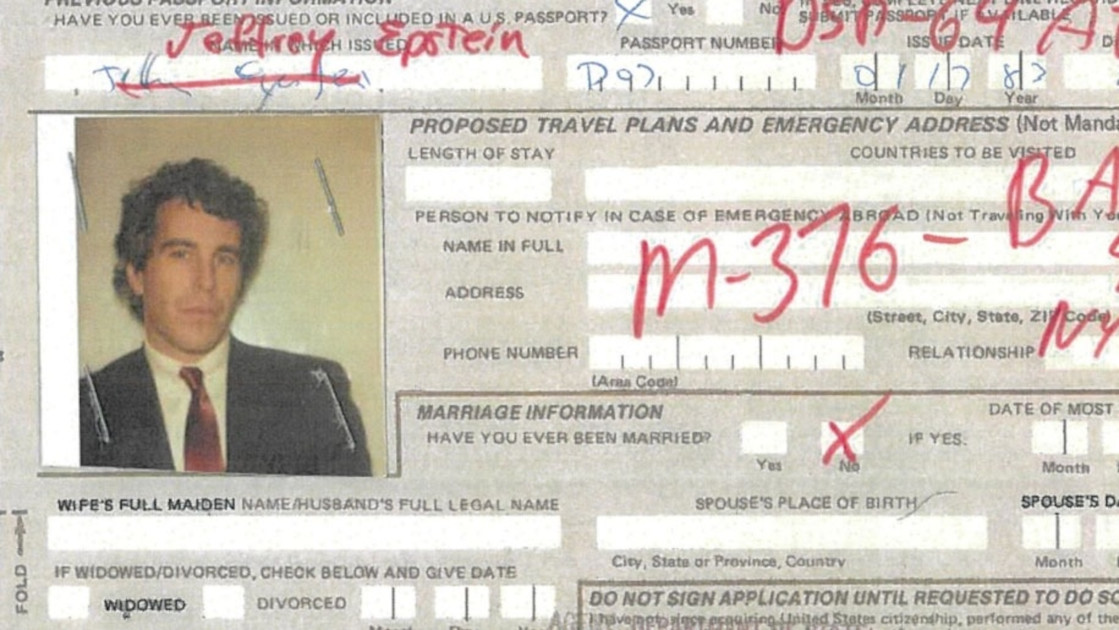
The distinction matters. If evidence of crimes exists, it should be investigated and prosecuted regardless of political affiliation. If evidence doesn’t exist but investigation creates appearance of wrongdoing through guilt by association, that’s abuse of prosecutorial power.
Trump’s announcement doesn’t claim evidence of specific crimes by Clinton, Summers, or Hoffman. It claims they “spent large portions of their life with Epstein.” Association becomes the accusation. That’s not criminal investigation – it’s political opposition research conducted through federal law enforcement.
Jay Clayton’s Complicated History
Attorney General Bondi assigned Jay Clayton, U.S. Attorney for the Southern District of New York, to lead the investigation. Clayton’s office covers Manhattan and the Bronx – where Epstein lived and died.
This creates immediate complications. The Southern District of New York is already involved in Epstein-related matters. Federal prosecutors from SDNY handled Epstein’s 2019 indictment on sex trafficking charges. They investigated after his death. They’ve been custodians of much of the evidence Trump now wants investigated.
Clayton will essentially be investigating whether his own office properly investigated Epstein’s network the first time. That’s not independent review – it’s self-examination by the office that made the original prosecutorial decisions.
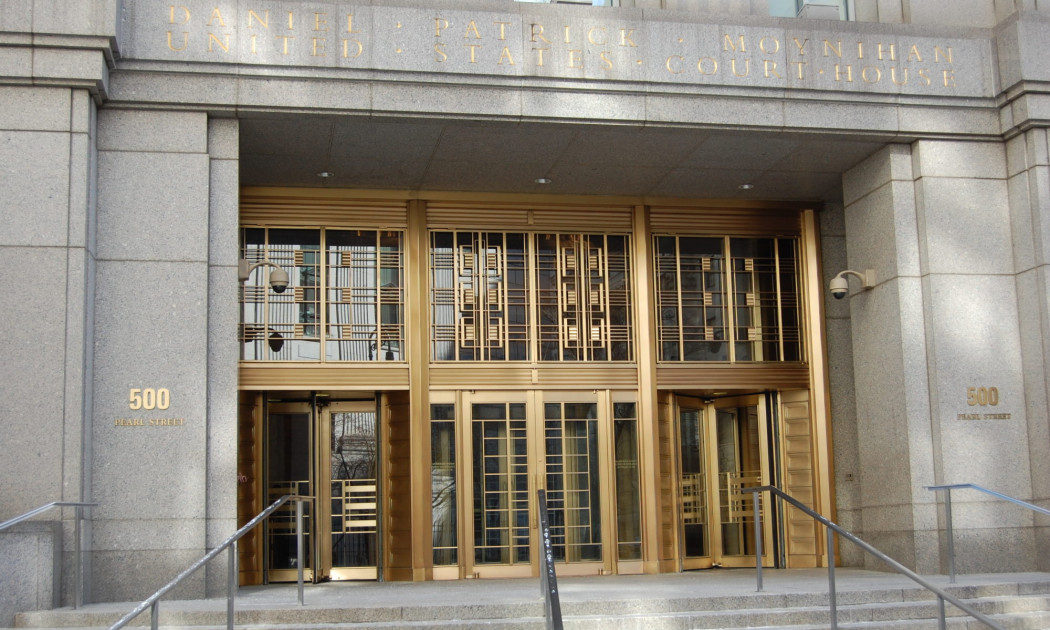
Trump could have appointed a special counsel from outside DOJ. He could have tasked the Inspector General with review. He chose to keep it within the same office that handled the original investigation, supervised by an Attorney General who’s already publicly attacked Democrats for Epstein associations.
That structure suggests the investigation’s purpose isn’t discovering new information but framing existing information in politically beneficial ways.
What Trump’s Own Emails Actually Say
Return to what Epstein wrote about Trump in emails released this week:
“Of course he knew about the girls as he asked ghislaine to stop.” This suggests Trump had knowledge of Epstein’s activities with underage girls and asked Maxwell to cease those activities.
“That dog that hasn’t barked is trump.. virginia spent hours at my house with him ,, he has never once been mentioned.” This suggests Epstein believed Trump had information about his activities but hadn’t spoken publicly.
These aren’t accusations of Trump’s criminal conduct. They’re Epstein’s opinions about Trump’s knowledge. Epstein could have been wrong about what Trump knew. The emails are from 2011 and 2019 – years after Trump says he cut ties with Epstein.
But they raise obvious questions. What did Epstein mean about Trump asking Maxwell “to stop”? Stop what, specifically? When did this conversation allegedly occur? If Trump knew about criminal activity, did he report it to authorities?
Trump’s Friday announcement doesn’t address these questions. Instead, it redirects attention to Democrats. The implicit message: Don’t ask what I knew, focus on what they did.
The “Russia, Russia, Russia” Parallel
Trump called his Epstein investigation announcement “another Russia, Russia, Russia Scam, with all arrows pointing to the Democrats.”
This framing inverts reality. The Russia investigation examined whether Trump’s campaign coordinated with Russian interference in the 2016 election. Special Counsel Robert Mueller found insufficient evidence of conspiracy but documented extensive contacts and found Trump couldn’t be exonerated on obstruction.
Trump’s Epstein investigation specifically targets Democrats for relationships with Epstein while opposing transparency about Trump’s own documented connections. If the Russia investigation was partisan overreach, what is investigation that explicitly excludes the person ordering it?
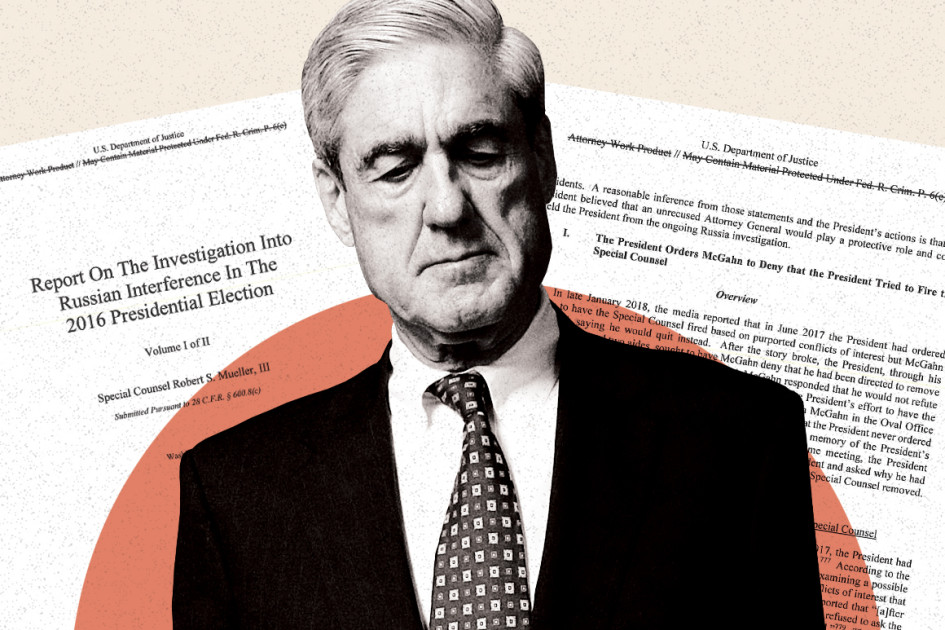
The parallel Trump draws is revealing. He views both as political attacks designed to damage him while ignoring Democratic wrongdoing. But the Mueller investigation examined Trump’s conduct. Trump’s Epstein investigation explicitly excludes examining Trump’s conduct while targeting opponents.
One investigation examined the person in power. The other investigation is ordered by the person in power against his opponents. Those aren’t parallel situations – they’re opposite ones.
Marjorie Taylor Greene’s “Huge Miscalculation”
Representative Marjorie Taylor Greene is among Trump’s most loyal congressional supporters. She rarely criticizes him publicly. Her Friday CBS Mornings assessment that Trump’s opposition to Epstein file release is a “huge miscalculation” therefore carries weight.
Greene understands Trump’s base. She knows MAGA supporters have been demanding Epstein transparency for years. When Trump promised during the campaign to release everything, they believed him. When he took office and opposed release, they felt betrayed.
Trump’s substitute – investigating Democrats specifically while keeping comprehensive files secret – won’t satisfy that base. They want to know everything about everyone, not selective investigation of political opponents.
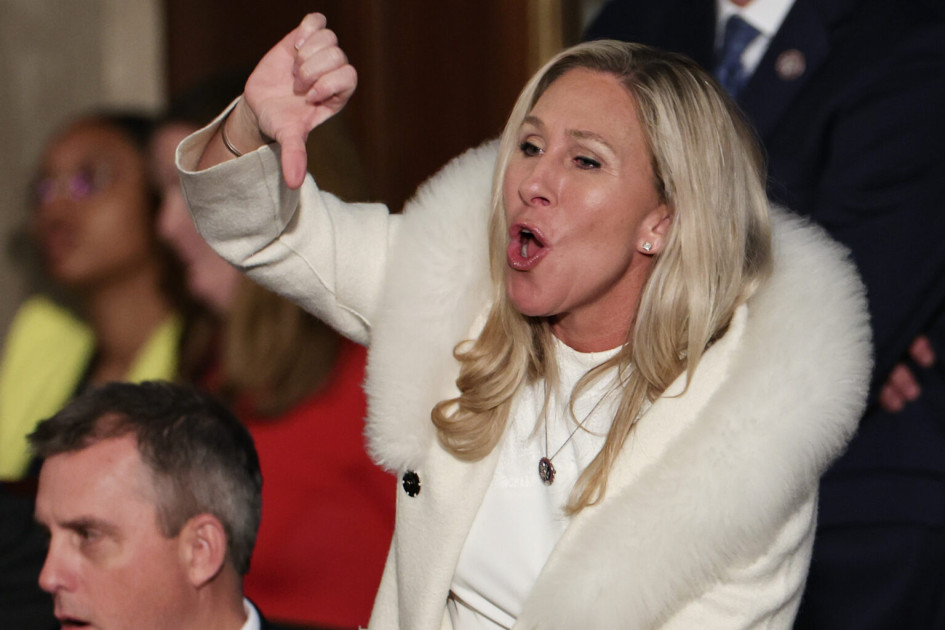
Greene’s public break with Trump on this issue signals that even his most loyal supporters recognize the political danger. Appearing to cover up his own connections while investigating opponents looks exactly like what Trump’s base believes the “deep state” does – protecting powerful people while selectively prosecuting based on political calculation.
The Investigation Nobody Asked For
The House Oversight Committee is already investigating Epstein’s network. They’ve released over 20,000 pages of documents from Epstein’s estate. They subpoenaed Bill Clinton for testimony. They’re doing exactly what Trump now says DOJ should do.
The discharge petition aims to force release of federal investigative files DOJ claims don’t contain actionable evidence. If true, releasing them would vindicate DOJ’s position while providing transparency. If false, releasing them would expose what DOJ is hiding.
Trump’s alternative creates a third option: Don’t release the files, but announce investigation into Democrats specifically. This option provides neither transparency nor vindication. It just creates appearance that Democrats have something to hide while avoiding questions about what Trump’s own files might contain.
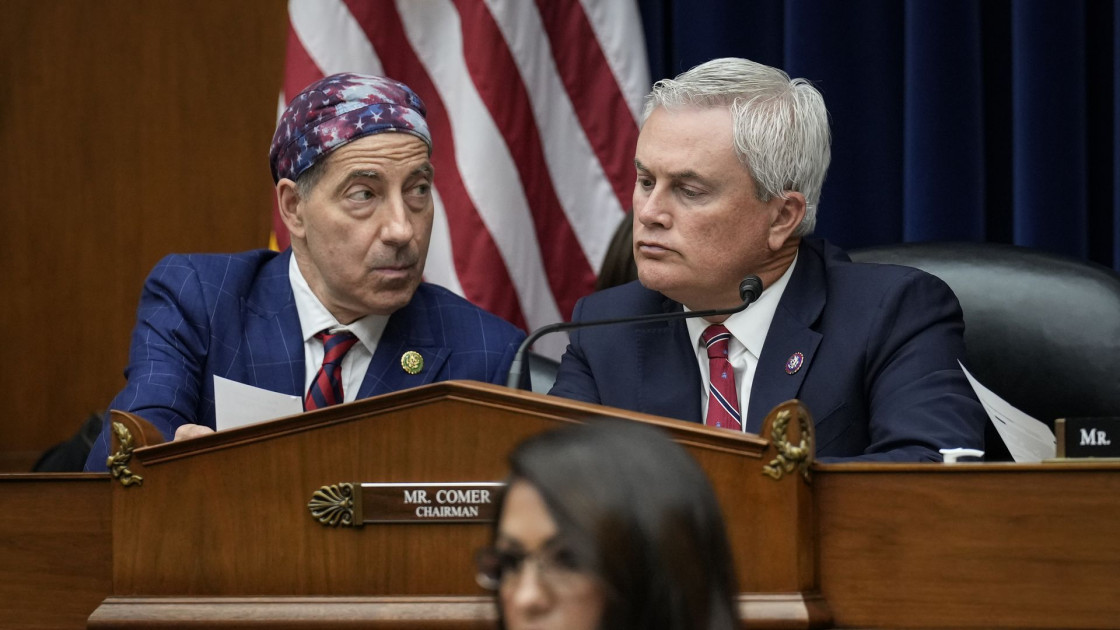
The investigation Trump announced is redundant with Oversight Committee work, duplicative of previous DOJ review, and explicitly partisan in its targets. It serves no prosecutorial purpose that existing investigations don’t already serve. Its purpose is political: shift focus from Trump’s Epstein connections to Democrats’ connections.
The Vote That’s Coming Despite Trump’s Opposition
Next week’s House vote on the discharge petition will put Republicans on record. Vote yes, and they’re defying Trump’s explicit opposition. Vote no, and they’re blocking transparency Trump promised during the campaign.
Some will try threading the needle – arguing Trump’s new investigation provides the transparency voters want without releasing files that might compromise sources or methods. But that argument requires believing investigation specifically targeting Democrats provides equivalent transparency to releasing comprehensive files.
Most Republicans will likely vote no, citing Trump’s opposition. But the vote itself creates political cost. Every no vote is a member choosing loyalty to Trump over transparency about Epstein. Every yes vote is a member breaking with the president on an issue his base cares about intensely.
The discharge petition probably won’t pass – it needs Democratic unity plus the four Republicans who signed it, and it faces uncertain Senate prospects even if it clears the House. But forcing the vote accomplishes something: It makes opposition to transparency visible and accountable.
Trump can order investigations into Democrats without Congressional approval. He can’t prevent Congress from voting on transparency. That vote will reveal which members prioritize protecting the president over providing answers to voters who’ve demanded them for years.
Selective Transparency As Constitutional Norm
Step back from the specific Epstein accusations and examine what Trump’s announcement normalizes: Presidents ordering law enforcement to investigate political opponents while blocking transparency about themselves.
That’s not rule of law. That’s selective application of investigative power based on partisan advantage. It treats federal law enforcement as extension of presidential political operation rather than independent institution pursuing justice without favor.
The Constitution doesn’t prevent presidents from requesting investigations. But norms that developed over decades established that Justice Department operates independently, that prosecutors follow evidence rather than political direction, and that investigations aren’t announced for political purposes.
Trump’s announcement violates those norms explicitly. He’s ordering investigation into specific political opponents by name. His Attorney General immediately committed DOJ resources to it. The timing – right after emails about Trump surfaced and right before the discharge petition vote – makes the political motive transparent.
If this becomes standard practice, future presidents will use federal law enforcement the same way. Investigations announced for political timing. Targets selected based on partisan affiliation. Transparency demanded for opponents, blocked for allies.
That’s not American democracy. That’s authoritarian playbook where law enforcement serves whoever holds power.
The Answers Trump Won’t Provide
Trump’s announcement raises obvious questions he hasn’t answered:
What did you mean when you allegedly asked Maxwell to “stop”? Stop what activity specifically? When did this conversation occur? If you knew about illegal activity, did you report it to authorities?
If Epstein believed you knew about his activities with underage girls, was he correct? If not, why did he believe it? If so, what exactly did you know and when?
Why do emails from Epstein describe you as “the dog that hasn’t barked” – someone with knowledge who stays silent? What knowledge did Epstein think you possessed?
These questions matter because Trump is now ordering federal investigations into other people’s Epstein connections while blocking comprehensive transparency about his own. If he’s innocent, releasing the files would prove it. If Epstein was wrong about Trump’s knowledge, the investigative record would show that.
Trump’s alternative – investigate my opponents but don’t release files that might contain information about me – suggests he’s not confident the files would be exculpatory. Otherwise, why fight their release?
What Happens When Investigation Becomes Weapon
Announcing investigation into Clinton, Summers, and Hoffman serves political purposes regardless of what investigation finds. The announcement itself creates impression of wrongdoing. Investigation takes months or years. Even if it ultimately finds nothing criminal, the investigation’s existence damages targets politically.
That’s weaponization. Using law enforcement process to harm opponents even when evidence doesn’t support prosecution. The investigation becomes the punishment, regardless of outcome.
Federal prosecutors are supposed to investigate when they have evidence suggesting crimes occurred. They’re not supposed to investigate to “determine what was going on” between people and someone who committed crimes decades ago when DOJ has already concluded no prosecutable evidence exists.
Trump’s Friday announcement crosses that line. He’s not claiming new evidence of crimes. He’s ordering investigation into relationships that DOJ already reviewed and found insufficient for prosecution. The investigation’s purpose isn’t criminal justice – it’s political damage.
Once that precedent is established, it becomes normalized. Future presidents will order investigations into opponents for political purposes. Law enforcement becomes extension of partisan warfare. Trust in impartial justice collapses.
That collapse is already underway. Trump’s announcement accelerates it by making explicit what previous administrations at least pretended to avoid: using federal investigative power as political weapon against named opponents while blocking transparency that might reveal uncomfortable information about allies.
The Epstein case deserves complete transparency. Every connection, every trip, every financial relationship, every person who enabled his crimes. Republicans, Democrats, business leaders, academics – anyone involved.
Trump just announced he wants selective investigation of Democrats while keeping comprehensive records secret. That’s not justice. That’s corruption of justice for partisan purposes.
And the most disturbing part is how little pretense remains about what’s happening. Trump announced it openly on Truth Social. Bondi immediately committed DOJ to it. They’re not hiding the political nature of this investigation – they’re proclaiming it.Retry